Home Inspection Company Near Me: How to Choose One
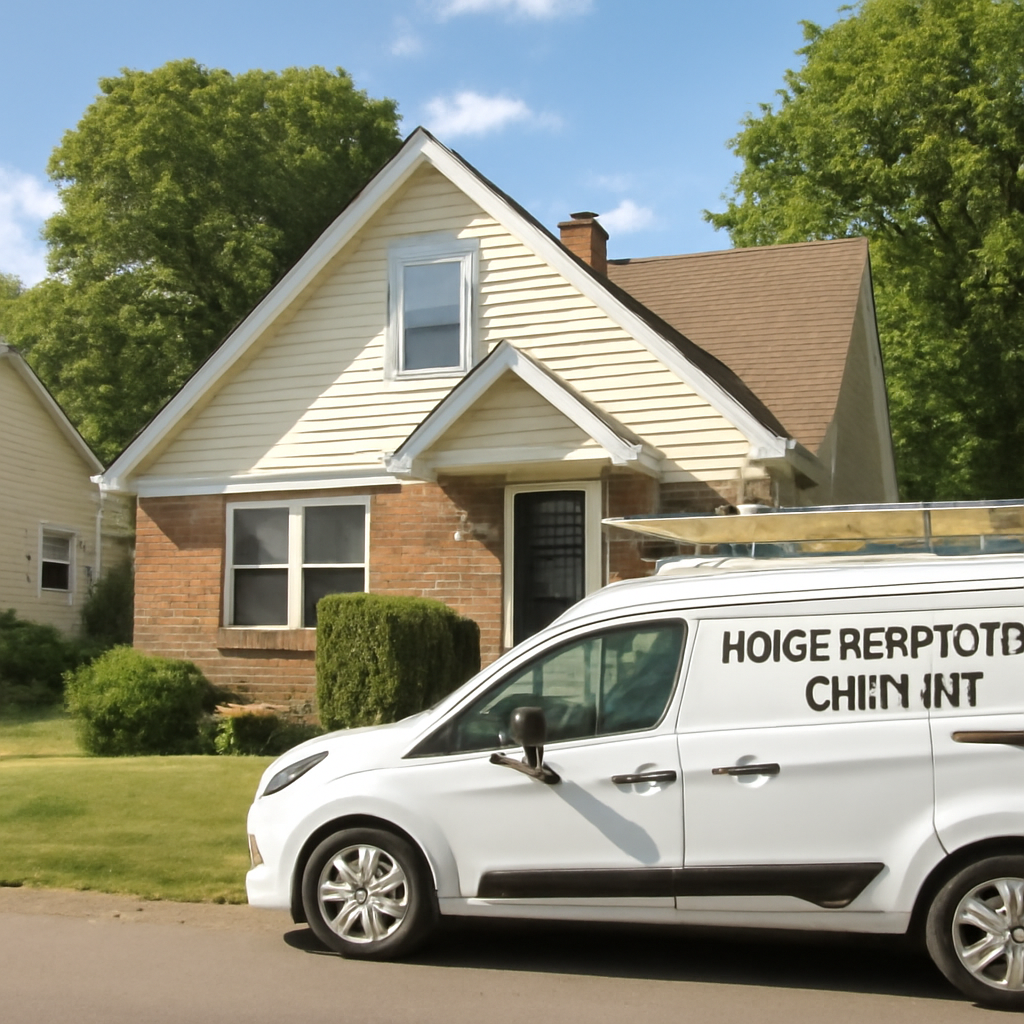
Typing “home inspection company near me” into a search bar returns a wall of options, and on a tight escrow timeline it is tempting to call the first one with five-star reviews and an open slot. That is exactly how buyers end up with a thin report that misses the roof or the crawl space. A better approach treats the search like hiring any professional: verify credentials, compare scope and reporting, weigh price against value, and watch for the red flags that separate a careful firm from a rubber-stamp operation. This guide gives Front Range buyers a structured way to evaluate local inspection companies and choose one before the inspection contingency expires.
Part of our Home Inspections Explained guide — start there for the full picture →
How do you choose the right home inspection company near you?
Start with three filters, in order: credentials, scope, and reporting. Confirm the company’s inspectors are certified by a recognized body (InterNACHI or ASHI) and, where the state licenses inspectors, that the license is active. Confirm the inspection scope matches what your property needs — a slab ranch and a 1910 home with a stone foundation demand different attention. Then look at a sample report; a company that publishes a redacted sample shows confidence in its work. Only after those three filters should price enter the decision.
Colorado does not license home inspectors, which makes certification and insurance the main competency signals on the Front Range. That puts more weight on your own vetting. The full framework for evaluating an inspector — questions to ask, credentials to confirm, and contract terms to read — lives in our guide to hiring a home inspector, and the steps below build on it for the company-level decision.
Verify credentials and insurance first
A reputable company will list its certifications openly. InterNACHI and ASHI both maintain public member directories you can search by name. Certification means the inspector passed an exam, follows a published standard of practice, and completes continuing education. In licensed states, cross-check the state board’s license lookup as well. An inspector who cannot or will not produce a certification number is a hard pass.
Insurance matters just as much. Ask whether the company carries errors-and-omissions (E&O) and general liability coverage. E&O protects you if the inspector negligently misses a defect; general liability covers damage the inspector might cause to the property. In a state without licensing, an uninsured inspector leaves you with no recourse if something is missed. A professional firm answers the insurance question without hesitation and can provide a certificate on request.
Experience with your property type
Ask how long the company has operated and how many inspections it performs annually, then drill into experience with homes like yours. A firm that mostly inspects suburban tract homes may be less practiced on a century-old Capitol Hill Victorian or a mountain home with a wood foundation. Volume alone is not quality, but a company that has seen thousands of homes across the Denver metro, Boulder, and the southern suburbs has pattern recognition a brand-new operation lacks. Many also offer specialty services covered in our guide to types of home inspections, which helps you decide whether to bundle radon, sewer, or WDO inspections.
Compare scope, not just price
Two quotes that look identical on price can differ enormously in what they include. Read each company’s scope statement closely. Does the inspector physically walk the roof or only view it from the ground or a drone? Does the inspector enter the crawl space and attic, or note them as “inaccessible” by default? Is thermal imaging included, and is it used routinely or only on request? A company that walks the roof, enters the crawl space, and runs a thermal camera delivers far more value than a cheaper firm that observes from a distance.
Also confirm what is excluded. Standard home inspections are visual and non-invasive; they do not open walls, test for mold or radon unless added, or evaluate code compliance. A good company states these limits plainly. Beware firms that imply they catch “everything,” because no visual inspection does. The honest scope statement is itself a quality signal.
Add-on services that matter on the Front Range
Colorado is a high-radon region, and the EPA recommends every home be tested. Many inspection companies offer a radon test alongside the general inspection, which is efficient and consolidates findings. Sewer scopes are valuable for older homes with mature trees and clay or cast-iron lines prone to root intrusion. Wood-destroying-organism inspections matter less in dry Colorado than in the humid Southeast, but moisture and mold checks are worth considering in homes with finished basements. Bundling these with one company usually costs less than scheduling separate vendors.
Evaluate the report before you book
The report is the product you are actually paying for, so judge it before you hire. Ask for a sample. A strong report is photo-rich, with clear captions, an executive summary that flags safety and major-cost items, and a structure that separates serious defects from routine maintenance. Look for narrative explanations, not just checkboxes; a line that reads “deficient” with no photo or explanation is hard to act on.
Turnaround time matters in a competitive market. The best companies deliver the report within 24 hours, often the same day, so you can act inside your inspection window. Ask whether the inspector is available by phone after delivery to walk you through findings. A company that hands you a PDF and disappears leaves you to interpret technical findings alone, which undermines the whole point of hiring an expert.
What should a home inspection cost on the Front Range?
For the Denver metro and broader Front Range, a general inspection on a typical 1,500 to 2,500 square foot single-family home commonly falls in the $375 to $600 range. Larger homes, older homes, and properties with finished basements, detached structures, or complex roofs cost more because there is more to examine. Add-ons stack on top: radon testing often adds $100 to $200, a sewer scope $150 to $250, and thermal imaging may be included or extra depending on the firm.
Price should inform the decision, not dominate it. The cheapest quote is frequently the one that skips the roof walk, the crawl space, or thermal imaging — the very areas where expensive defects hide. A $400 inspection that physically examines every system and returns a same-day photo report is better value than a $275 inspection that observes the roof from the driveway. Frame the choice as cost per defect found, not cost in isolation.
How to compare quotes apples to apples
When you collect quotes, ask each company the same questions: square footage covered, roof and crawl-space access, thermal imaging, report turnaround, post-report phone support, and which add-ons are bundled. Put the answers in a simple table. A company charging $475 that walks the roof, enters the crawl space, includes thermal imaging, and delivers same-day often beats a $350 quote that does none of those things. The exercise also reveals which companies answer clearly and which dodge — another signal worth weighing.
Red flags that should end the conversation
Several warning signs justify crossing a company off the list. First, an inspector who offers to repair the defects they find has a conflict of interest; recognized standards of practice prohibit it. Second, a company that cannot produce certification or insurance details should be avoided. Third, pressure to skip the contingency or to “not worry about” flagged items signals an inspector working for the deal rather than for you — sometimes a sign of an inspector too cozy with a referring agent.
Reviews deserve scrutiny too. A handful of glowing reviews can be solicited from friends; look for a substantial volume of detailed reviews over time, and read the negative ones for patterns. Complaints about missed major defects, rushed inspections, or unreachable inspectors matter more than complaints about scheduling. Vetting reviews carefully is part of choosing wisely, and our look at how to read home inspection company reviews shows what to trust and what to discount.
Independent firm, franchise, or solo inspector?
Local inspection companies come in three flavors. Independent multi-inspector firms offer flexible scheduling and depth of experience but can vary in quality between inspectors, so ask who will actually perform your inspection. National franchises bring standardized reporting and brand accountability, though the individual inspector still does the work and skill varies. Solo inspectors often deliver the most personal service and consistency, since the person who answers the phone is the one on your roof, but they may have limited availability and no backup if they fall ill.
None of these models is inherently best. A skilled, insured, certified solo inspector can outperform a large franchise, and vice versa. Judge the specific people and reports, not the business structure. Ask, in every case, who will conduct your inspection and what their individual credentials and experience are.
How do reviews, referrals, and online listings stack up?
Most buyers start with whatever appears highest in a search or carries the most stars, but the signal value of each source differs. A real estate agent’s referral is convenient and often reliable, yet it can carry a subtle conflict: an agent who works with the same inspector repeatedly may, consciously or not, favor one who rarely kills deals. Use agent referrals as one input, then verify the inspector independently rather than treating the referral as the final word. Ask the agent for two or three names rather than one, and check each.
Online reviews are useful in aggregate. A company with hundreds of detailed reviews accumulated over years tells you more than one with a dozen perfect ratings posted in a single month. Read the body of the reviews, not just the average. Look for specifics — the inspector caught a foundation issue, explained findings patiently, delivered the report the same day — and scrutinize negative reviews for patterns that matter: missed major defects, rushed visits, or an inspector who could not be reached afterward. A few complaints about scheduling carry less weight than a recurring theme of overlooked problems.
Third-party directories add another layer of confidence. InterNACHI and ASHI both publish searchable member directories, and finding a company listed there confirms its certification is current and in good standing. Cross-referencing a company you found through an ad or a review site against these directories is a quick way to separate verified professionals from operators making unverified claims.
Should you bundle services with one company or hire separately?
On the Front Range, many buyers add radon testing, a sewer scope, or a moisture assessment to the base inspection, and a key decision is whether to get these from the same company or from specialists. Bundling with one inspection company is convenient, usually cheaper than separate visits, and consolidates findings into a single report and a single negotiating window. For radon in particular, having the test placed during the inspection saves a return trip and gets results back inside your contingency period.
The trade-off is depth. A general inspection company that offers radon as an add-on is fine for a standard measurement, but a complex sewer-line problem or a serious moisture concern may warrant a dedicated specialist with more focused equipment and experience. A reasonable approach is to bundle the routine add-ons with a well-qualified inspection company, then bring in specialists only when the general findings point to a problem that deserves a deeper look. That keeps costs down while ensuring the high-stakes issues get expert attention.
How to book with confidence before your deadline
Once you have verified credentials, compared scope and reports, and confirmed pricing, move quickly — good companies book out, especially in busy spring and summer markets. Schedule the inspection early in your contingency window so there is time to bring in specialists if the report flags foundation, electrical, or HVAC concerns. Plan to attend the inspection if you can; walking the property with the inspector turns an abstract report into a concrete understanding of the home you are about to buy.
Confirm the details in writing: date, time, scope, add-ons, price, report turnaround, and the inspection agreement’s scope and liability terms. A professional company sends a clear agreement before the visit. With credentials verified, scope understood, and the report sample reviewed, you can hire a local inspection company knowing you chose on substance rather than on whichever ad appeared first in your search.
More Questions About Finding a Local Inspection Company
How soon can a local home inspection company come out?
A local home inspection company can often come out within two to five days, and sometimes within 24 to 48 hours outside the spring and summer peak. Smaller towns with few inspectors and busy metro markets in April through July can mean waits of a week or more.
Buyers working inside a short contingency window should call two or three companies the day the offer is accepted. Asking about the report turnaround time matters too, since a same-day or next-day report leaves more room for repair negotiations.
Should you use the home inspector your real estate agent recommends?
Using an agent-recommended home inspector is common and often fine, but buyers should vet that inspector the same way as any other. Most agents refer inspectors who are reliable and communicate clearly, and agents rarely have reason to steer toward a weak inspection.
Buyers who want independence can ask the agent for two or three names, compare sample reports and insurance, and choose themselves. The inspector works for the buyer, and the report belongs to the buyer, regardless of who made the referral.
What should a local home inspection company send you before the inspection?
A local home inspection company should send a written inspection agreement, a clear quote listing every included service, and the scheduled date and arrival time before the inspection. The agreement explains the scope, exclusions, and liability limits and should be signed before work begins.
Good companies also share what the buyer should arrange, such as utilities being on and access to the attic, crawl space, and electrical panel. Payment terms and report delivery timing should be stated in writing, so there are no surprises at closing.
Is it better to hire a local inspector or a national company?
A local inspector is usually the better choice when the area has specific risks, such as radon, expansive soils, old sewer lines, or hail, because experience with local housing stock catches more issues. National companies and franchises offer standardized reports, booking systems, and scheduling depth.
Either can do a strong inspection. The deciding factors are the individual inspector’s experience, credentials, insurance, and the quality of a sample report, not whether the logo is local or national.
References
- Find a certified inspector directory — InterNACHI
- Find an ASHI-certified inspector — American Society of Home Inspectors
- Residential building codes — International Code Council
Frequently asked questions
How do I find a good home inspection company near me?
Verify the company's inspectors are certified by InterNACHI or ASHI and carry errors-and-omissions and liability insurance, review a sample report, confirm they walk the roof and enter the crawl space, then compare price against that scope.
How much does a home inspection cost on the Front Range?
A general inspection on a typical single-family home commonly runs $375 to $600 in the Denver metro. Radon testing, sewer scopes, and larger or older homes add to the total.
Should I hire a franchise or an independent inspector?
Either can be excellent. Judge the individual inspector's credentials, experience, and reports rather than the business model, and always ask who will personally perform your inspection.
What is a red flag when choosing an inspection company?
An inspector who offers to repair the defects they find, who cannot show certification or insurance, or who pressures you to skip the inspection contingency. Those signal a conflict of interest or poor practice.
Do local home inspection companies charge travel fees?
Many local home inspection companies charge travel fees for properties outside their normal service area, often a flat amount or a per-mile rate beyond a set radius. Mountain, rural, and island properties are the most common cases. Buyers should ask whether travel is included when comparing quotes so totals are equal.
Can a home inspection company inspect a house before you make an offer?
Yes, a home inspection company can inspect before an offer if the seller allows access, and some buyers do this in competitive markets to avoid a contingency. The buyer pays even if the offer is not accepted, so it works best when the buyer is serious about the home.
What if no home inspection company near me is available in time?
When no local home inspection company is available before the deadline, buyers can ask for a written contingency extension, widen the search to inspectors in neighboring areas who travel, or book a reputable inspector for the soonest date and request the summary early. An extension signed by both parties is the safest option.