Home Inspection Career Outlook: Demand and Income
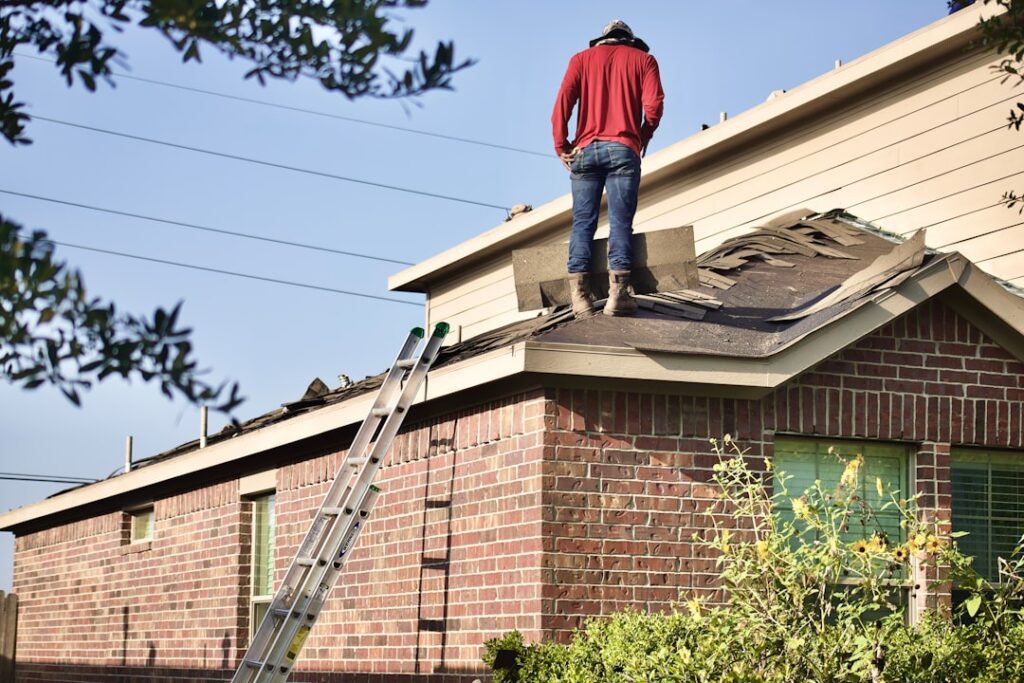
People weighing a switch into property inspection want a realistic picture, not a sales pitch. The home inspection career outlook depends on three things: how tightly the work tracks the housing market, what licensing your state requires, and how much you are willing to build a business rather than just hold a job. This guide lays out demand, income ranges framed as industry estimates, and the steps to get certified, so the decision rests on something solid. The field rewards people who treat it as a small enterprise, not a clock-in role.
Part of our How to Become a Home Inspector guide — start there for the full picture →
What the Home Inspection Career Outlook Looks Like
Demand for home inspectors rises and falls with real estate transactions. When homes change hands, inspections follow, because most purchase contracts include an inspection contingency. That ties the work to mortgage rates, regional growth, and seasonal buying patterns more than to any single national trend. In fast-growing metros, including parts of Colorado’s Front Range, sustained relocation and new construction keep transaction volume relatively steady even when national headlines swing.
The work is also broadening. Beyond standard buyer’s inspections, many inspectors add ancillary services such as radon testing, sewer scopes, wind mitigation, and pre-listing inspections for sellers. These add-ons smooth out income across slow market stretches and let a solo inspector raise average revenue per appointment without finding new clients.
Income: Industry Estimates, Not Guarantees
Inspector earnings vary widely, and any honest answer is a range rather than a number. Income depends on local fees, how many inspections you complete per week, whether you offer ancillary services, and whether you work for a firm or run your own shop. Industry estimates commonly place a single buyer’s inspection fee in the low-to-mid hundreds of dollars, scaling up with square footage, age, and add-on tests.
A new inspector building a referral base earns less than an established one with steady agent relationships. Those who own their business keep more per inspection but carry overhead: insurance, software, vehicle costs, marketing, and continuing education. Treat published salary figures as starting context and verify against your own local fee schedules and cost of doing business. The companion overview on becoming a home inspector breaks down the startup costs in more depth.
What Drives Earnings Up or Down
Three levers move inspector income the most. Volume comes from agent referrals and repeat clients, which take time to build. Service mix matters, since bundling radon or a sewer scope onto a base inspection can meaningfully raise the per-visit total. Efficiency is the third: report-writing software, templated narratives, and tight scheduling let an inspector handle more appointments without sacrificing quality. None of these appear overnight, which is why first-year earnings usually trail what an experienced inspector reports.
The Licensing Path
Licensing rules differ sharply by state, and that variation is the single most important thing to research before committing. Some states require a license with mandatory pre-licensing hours, a state or national exam, field training or ride-alongs, and insurance. Others have no state license at all, leaving certification to trade associations. Colorado, for example, does not license home inspectors at the state level, which makes voluntary certification and insurance the practical credentials buyers look for.
Regardless of state law, two national bodies anchor the profession: ASHI and InterNACHI. Both publish a Standard of Practice and a Code of Ethics, offer training and exams, and let inspectors display membership as a trust signal. In no-license states, association membership often substitutes for a government credential in the eyes of agents and buyers. The Colorado career path guide covers how this plays out in a state without licensing.
Typical Steps to Get Started
A common path runs through pre-licensing or certification coursework covering each home system, followed by an exam such as the National Home Inspector Examination or an association’s own test. Many programs add a practical component: mock inspections, ride-alongs with a working inspector, or a set number of supervised inspections before solo work. Errors-and-omissions insurance and general liability coverage usually come next, since most agents will not refer an uninsured inspector. Finally, business setup, report software, and tools round out the launch.
Skills the Work Rewards
The technical knowledge can be taught; the durable advantages are harder to fake. Strong inspectors communicate clearly, because the report and the verbal walkthrough decide whether a nervous buyer trusts the findings. They stay calm under pressure when an agent pushes back on a flagged defect. And they keep learning, since building codes, materials, and equipment evolve, and the International Code Council updates its model codes on a cycle that inspectors should track.
Physical readiness counts too. The job means climbing into attics, onto roofs where safe, and through crawl spaces in every season. It is hands-on, sometimes uncomfortable, and rarely a desk job. People who like variable days and independent work tend to last; those seeking predictable routine often do not.
Is the Field a Good Fit?
The home inspection career outlook favors self-starters who can tolerate income that flexes with the market and who are willing to invest in training, insurance, and marketing before the referrals roll in. For someone leaving a trade, real estate, or construction, the transition is shorter because system knowledge transfers directly. For a complete newcomer, the runway is longer but still navigable with structured coursework.
The honest summary: it is a viable independent career with real demand tied to housing activity, modest barriers to entry in some states and steeper ones in others, and earnings that reward business-building over time. Anyone serious should start by checking their state’s licensing rules and pricing local inspection fees, then weigh that against the startup costs. The broader guide to hiring an inspector also shows what buyers value, which is useful intelligence for anyone planning to compete for that work.
Startup Costs and What You Actually Need
The financial picture for a new inspector is mostly front-loaded. Beyond coursework and exam fees, the recurring and one-time costs include errors-and-omissions and general liability insurance, report-writing software with an annual subscription, a reliable vehicle, and a kit of tools. The tool list is shorter than people expect: a quality flashlight, a moisture meter, an electrical outlet tester, a ladder, a combustible-gas detector, and increasingly a thermal camera and a drone for roofs that cannot be safely walked. Many inspectors add these tools over time rather than all at once.
Marketing is the cost newcomers most often underestimate. A new inspector earns nothing until agents and buyers know they exist, which means a professional website, listings in association directories, and time spent building relationships with real estate agents who refer repeat business. Those referral relationships are the single most valuable asset in the business, and they take months of consistent, reliable work to establish. Budgeting for a lean first year, when expenses run ahead of income, is the realistic way to plan the launch.
Ancillary Services That Expand Income
The inspectors who earn the most rarely stop at the standard buyer’s inspection. Adding certified ancillary services lets a single appointment generate more revenue and makes an inspector more useful to agents who prefer to refer one person for everything. Radon testing is a natural fit, particularly in high-radon regions like Colorado’s Front Range, where buyers frequently request it. Sewer scope inspections, which run a camera through the main sewer line to find cracks and root intrusion, have grown popular because the repairs they catch are expensive to miss.
Other add-ons include mold sampling, water quality testing, wind mitigation inspections in storm-prone areas, pool and spa inspections, and pre-listing inspections ordered by sellers who want to address issues before going to market. Each ancillary service requires its own training or certification and sometimes additional equipment, but together they smooth income across slow market stretches and raise the average value of every job. An inspector who can bundle a radon test and a sewer scope onto a base inspection competes on value, not just price.
The Real Estate Market Connection
Because inspection demand follows transactions, understanding the local market is part of the job. Mortgage rates, inventory levels, and regional migration all move transaction volume, and an inspector’s calendar tracks those swings. In a hot market with bidding wars, some buyers waive inspections to win offers, which can soften demand even when sales are brisk. In a balanced or buyer’s market, inspection contingencies are more common and the work flows steadily. Diversifying across buyer’s inspections, pre-listing inspections, and ancillary services is how experienced inspectors stay busy through both conditions.
Continuing Education and Staying Current
The profession is not static, and the inspectors who last treat learning as ongoing. ASHI and InterNACHI both require continuing education to maintain membership, covering updates to standards, new building materials, and evolving best practices. Building codes change on a cycle, with the International Code Council updating its model codes periodically, and even in states that do not adopt the latest code, understanding current standards helps an inspector explain findings accurately.
Technology shifts the work too. Thermal imaging has moved from a premium add-on toward a routine tool, drones have changed how steep or high roofs are assessed, and report-writing platforms keep adding features that speed delivery. An inspector who invests in these capabilities, and in the training to use them well, stays competitive against newer entrants. The companion guide on verifying an inspector’s credentials shows how buyers evaluate exactly these qualifications, which is useful context for anyone building toward the work.
Working for a Firm Versus Running Your Own Shop
A career decision that shapes both income and lifestyle is whether to work as an employee of an established inspection company or to launch an independent business. Joining a firm offers a gentler start: a steady stream of inspections from the company’s existing agent relationships, mentorship from experienced inspectors, shared insurance and software costs, and a paycheck that does not depend on personally generating every lead. For a newcomer, this can shorten the learning curve and provide income while skills develop, at the cost of keeping a smaller share of each inspection fee.
Running an independent shop reverses that tradeoff. The owner keeps the full fee minus expenses, sets their own schedule and pricing, and builds equity in a business they control, but they also shoulder marketing, insurance, software, and the slow work of building referral relationships from scratch. Many inspectors begin at a firm to gain experience and a reputation, then go independent once they have the skills and a network. Neither path is universally better; the right choice depends on risk tolerance, capital, and how much someone values independence over stability.
Regional Demand and the Front Range Picture
Because inspection work is local, regional conditions shape an individual inspector’s prospects more than national figures. Markets with steady population growth, active resale, and new construction sustain transaction volume, and Colorado’s Front Range, spanning Denver, Douglas, Arapahoe, Jefferson, El Paso, Boulder, and neighboring counties, has seen sustained relocation and building activity. That kind of demand supports a working inspector’s calendar even when national headlines turn pessimistic, though local competition rises alongside opportunity.
Regional hazards also create niches. In Colorado, widespread radon, expansive clay soils that stress foundations, and intense high-altitude sun and hail that age roofs all give inspectors who understand local conditions an edge, and the prevalence of radon makes measurement certification a natural and lucrative add-on. An inspector who tailors their services and knowledge to the region they work in competes more effectively than one offering a generic checklist, which is part of why local market understanding belongs in any honest assessment of the career.
More Questions About Home Inspection Careers
Is home inspection a good second career?
Home inspection is often a good second career for people with backgrounds in construction, the trades, real estate, engineering, or the military. Those fields build the technical knowledge and attention to detail that inspection work requires, and the training period is relatively short.
The work involves physical demands such as climbing ladders, entering attics and crawlspaces, and working in heat or cold. Many career changers start part time or join a multi-inspector firm before going independent to build experience and steady income.
What are the downsides of being a home inspector?
The main downsides of being a home inspector are income tied to the housing market, liability risk, physical strain, and pressure from tight transaction deadlines. When home sales slow, inspection volume falls, and independent inspectors feel it directly.
- Claims for missed defects make insurance and careful reporting essential.
- Attics, crawlspaces, and roofs are hot, cramped, or dusty.
- Evening report writing adds hours beyond the site visit.
Diversified services and strong agent relationships help offset these drawbacks.
Will technology or AI replace home inspectors?
Technology is unlikely to replace home inspectors soon, because the job requires physical access, judgment, and accountability that tools cannot fully provide. Drones, thermal cameras, moisture meters, and report software make inspections faster and more thorough, but someone still has to interpret what they show.
Inspectors who adopt new tools often gain an edge, offering clearer reports and specialty services. Licensing rules and liability expectations also keep a qualified person at the center of the inspection.
How old is the typical home inspector?
Many home inspectors enter the field in their 30s, 40s, or 50s, often after an earlier career, so the profession skews older than many trades. That age profile means a share of experienced inspectors retire each year, which can open opportunities for newcomers.
Younger inspectors can do well too, especially those comfortable with technology, social media marketing, and the physical demands of attics and crawlspaces. Age matters less than technical knowledge, communication skills, and reliability with agents and clients.
References
- ASHI membership and certification — American Society of Home Inspectors
- InterNACHI training and certification — International Association of Certified Home Inspectors
- I-Codes model code resources — International Code Council
Frequently asked questions
Is home inspection a growing field?
Demand tracks real estate transactions, so it rises and falls with the housing market. In growing metros and through ancillary services like radon and sewer scopes, many inspectors maintain steady work. It is best viewed as a market-linked independent career rather than a recession-proof one.
How much do home inspectors earn?
Earnings are a wide range, not a single figure. Industry estimates put a base inspection fee in the low-to-mid hundreds of dollars, scaling with home size and add-on services. Volume, service mix, and business overhead determine actual take-home pay.
Do I need a license to be a home inspector?
It depends on the state. Some require pre-licensing hours, an exam, and insurance, while others have no state license at all. Where no license exists, such as Colorado, ASHI or InterNACHI membership and insurance serve as the practical credentials.
How long does it take to get started?
A motivated newcomer can complete coursework and an exam in a matter of months, then add insurance and business setup. Those coming from construction or real estate move faster because system knowledge transfers directly into the role.
Do home inspectors need a college degree?
No, home inspectors generally do not need a college degree. Most states that license inspectors require a high school diploma or equivalent, approved coursework, and a passing exam. Construction or engineering experience helps but is not a formal requirement.
Can home inspectors work for themselves?
Yes, many home inspectors work for themselves as independent business owners, while others work as employees of multi-inspector firms. Independent inspectors keep more of each fee but handle marketing, insurance, scheduling, and bookkeeping themselves. Some start at a firm and go independent later.
What specialties pay the most in home inspection?
Specialties that often add the most income include commercial inspections, sewer scopes, radon testing, mold assessment, wind mitigation in hurricane states, and new-construction phase inspections. Pay varies by market, and some specialties require separate licenses.