Catch Basins: Yard Drains, Grates, and Where Water Goes
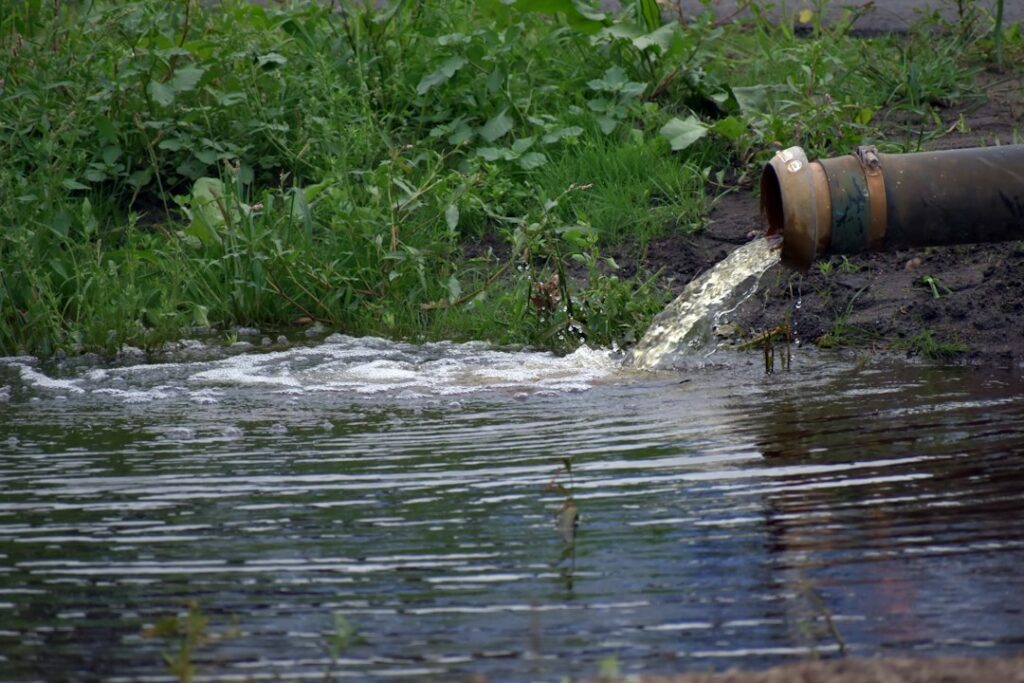
Every yard has a low spot, and after a heavy summer thunderstorm or a fast spring melt, that spot can turn into a pond. When the low spot is next to a patio, at the bottom of a driveway or in a side yard between houses, a catch basin is one of the most common fixes. A catch basin collects surface water through a grate, holds back some of the debris that comes with it and sends the water through a pipe somewhere it can drain safely. The concept is simple, but the details decide whether the system works for decades or quietly fills with silt and freezes solid. This guide covers how a yard catch basin is built, where the water should go, how to keep it clean, what happens in a Colorado winter, how to size one, how it compares with trench drains and French drains and what installation and maintenance typically cost.
Part of our Structure & Exterior guide — start there for the full picture →
What a Catch Basin Is and How It Works
A residential catch basin is a small box set into the ground at a low point, with its top flush with the surrounding grade. Water flows across the surface, drops through the grate, collects in the box and leaves through an outlet pipe in the side wall. Most yard units are plastic boxes roughly 9 to 24 inches square, though concrete and precast units are used for larger areas and driveways. Municipal catch basins in streets work on the same principle at a much larger scale.
The grate
The grate keeps people, pets and large debris out of the box. Grates come in plastic, cast iron and other metals, and in flat, domed and atrium styles. Flat grates sit flush with lawn or pavement and can be walked on or driven over if they carry a suitable load rating. Domed or atrium grates rise above the surface and are less likely to be blinded by a layer of leaves, which makes them useful in planting beds. A grate set too high will let water pond around it, and one set too low will collect soil and mulch.
The sump box
Many catch basins have a sump, a space below the outlet pipe. Water rises in the box until it reaches the outlet, so heavier sediment, sand and grit settle in the bottom instead of washing into the pipe. Some units also include a removable debris basket or filter tray just under the grate. The sump is what makes a catch basin different from a simple drain inlet, and it is also why the box needs periodic cleaning.
The outlet
The outlet is a solid pipe, commonly 3 or 4 inches in diameter in residential work, connected to the side of the box and sloped continuously toward its discharge point. A solid pipe is normally used here because the goal is to carry water away rather than let it seep out along the way. Long runs may need cleanouts. The pipe should have enough fall along its whole length; a dip or belly in the line traps water and sediment.
Where the Water Should Go
A catch basin only moves water. Where it ends up is the most important design decision, and it is the part most often skipped.
Daylight
The simplest and most reliable outlet is “daylighting”: the pipe runs downhill until it exits at the surface on a slope lower than the basin, away from the house and neighboring structures. A daylight outlet relies on gravity, has no moving parts and is easy to check. It needs enough grade on the lot, plus an end cap or critter guard and some rock to slow the water and prevent erosion where it exits.
Dry wells
On flatter lots, the pipe may end in a dry well, an underground chamber or gravel-filled pit where water soaks into the surrounding soil. A dry well works best in sandy or gravelly soils and can struggle in dense clay, which is common across much of the Front Range. In tight clay, a dry well can fill and stay full, backing water up into the catch basin. A percolation check before installation helps avoid that outcome, and some jurisdictions regulate dry wells and other infiltration structures.
Pop-up emitters
Many yard systems end in a pop-up emitter, a small fitting set flush with the lawn whose lid lifts when water pressure builds in the pipe and drops back down when flow stops. Emitters let water discharge in the lawn without a visible open pipe. They need a lower elevation than the basin, and the pipe can hold standing water between storms. Our pop-up emitter guide covers placement, clogs and winter issues.
Storm drains, curbs and the sanitary sewer
Some systems tie into a curb outlet or a municipal storm system, but that usually requires permission from the city or county, and rules vary by jurisdiction. Connecting yard drainage to the sanitary sewer, the line that carries household wastewater to treatment, is generally prohibited, because stormwater can overload sewer pipes and treatment plants. EPA’s Soak Up the Rain downspout page notes that downspouts are sometimes connected to pipes that lead directly to the sanitary sewer or storm drain system, and that local regulations and where water will be directed should be considered. Anyone unsure about an existing connection should check with the local utility before changing it.
It is also worth understanding where storm drains lead. EPA’s NPDES stormwater program explains that runoff from rain and snowmelt that does not soak into the ground picks up pollutants like trash, chemicals, oils and sediment that can harm rivers, streams and lakes. EPA’s Soak Up the Rain overview adds that this runoff often reaches waterways untreated, and that keeping rain closer to where it falls can help reduce flooding and pollution. Keeping fertilizer, pet waste and oil out of yard drains is a small but real contribution.
Keeping a Catch Basin Working
Most catch basin failures are maintenance failures. The sump is designed to fill with sediment, and a full sump passes that sediment straight into the outlet pipe.
- Clear the grate. Leaves, grass clippings, cottonwood fluff and mulch can blind a grate in a single storm. Check it after mowing and in fall.
- Empty the sump and basket. Lift the grate and scoop out silt and debris. Many homeowners do this in spring and fall, and more often under trees or near bare soil.
- Flush the outlet. Run a garden hose into the basin and confirm water leaves freely at the far end. Slow drainage suggests a partial clog or a sag in the pipe.
- Check the discharge point. Make sure a daylight outlet or emitter is not buried, crushed or blocked by landscaping.
- Watch the surroundings. Bare soil uphill of a basin will keep washing silt into it. Grass, groundcover or a rock apron can reduce the load.
Warning signs of a failing system
Some problems show up only during storms, so it helps to watch the basin while it is working. Signs that a catch basin needs attention include:
- Water bubbling up out of the grate instead of draining down, which usually points to a blocked or frozen outlet.
- Puddles that linger around the grate for a day or more after rain.
- A sunken or tilted grate, or soil settling around the box, which can mean the box has shifted or the pipe joint has separated.
- Wet, soft or eroded ground along the pipe route, a hint that water is leaking out of a cracked or disconnected line.
- A discharge point that never seems to run, even in heavy rain.
Buyers touring a home in dry weather can still look for clues: silt lines on the grate, stained concrete around a driveway basin, mulch washed against the house or an outlet buried under new landscaping.
Pipes that stay clogged after flushing can usually be cleared with a drain snake or a hydro-jetting service, and a camera inspection can find crushed sections or root intrusion.
Freezing Outlets and Colorado Winters
Front Range winters bring repeated freeze-thaw cycles and sudden warm spells that melt snow quickly. Catch basins can struggle with both. Water left standing in a sump, a sagging pipe or an emitter line can freeze, and ice can block the outlet just when a chinook or a sunny afternoon starts melting snow off the roof and driveway. Meltwater then backs up and refreezes at the grate, sometimes forming ice sheets on walkways and driveways.
Several design choices help:
- Keep the pipe sloped continuously so it drains dry between events.
- Bury lines deep enough that they are less exposed to cold, while still maintaining fall to the outlet.
- Favor daylight outlets over emitters where the lot allows, since an open pipe end is less prone to freezing shut than a lid.
- Shovel snow away from grates on driveways and walks, and avoid piling plowed snow on top of them.
- Use ice-melt sparingly near basins and follow product labels; chemicals and grit end up in the system.
A basin that freezes every winter despite these steps may need its outlet rerouted or its role reconsidered.
Sizing and Placement
Sizing a catch basin is mostly about the area draining to it and how intense local storms can be. A small 9-inch basin may handle a patio corner, while a large driveway or a yard collecting runoff from neighbors may need a bigger box, several basins or a different approach. Practical factors include:
- Drainage area. Roofs and paved surfaces shed far more water than lawns. Count everything that flows to the low spot.
- Pipe size and slope. A larger basin does little good if the outlet pipe is undersized or nearly flat.
- Grate open area. Grates with more open area accept water faster but pass more debris.
- Placement. The basin must sit at the true low point, with the surrounding surface graded toward it. A basin even an inch above the low spot will not catch water.
- Distance from the house. A basin right against a foundation that leaks or clogs puts water where it does the most harm.
Drainage contractors and civil engineers can calculate expected flow for complicated sites, which is worth considering when runoff comes from a slope above the property.
Catch Basins Versus Other Drains
Catch basins are one tool among several, and they are often combined with others.
- Trench drains. A trench drain is a long, narrow channel with a continuous grate, often set across a driveway or along a garage door. It intercepts sheet flow along a line, while a catch basin collects water at a single point. Many trench drains discharge into a catch basin. See our trench drain guide.
- French drains. A French drain is a gravel trench with a perforated pipe that collects subsurface water from saturated soil. A catch basin handles surface water. The two are sometimes connected, but mixing silty surface water into a French drain without a sump can clog it. Our French drain guide explains the difference.
- Regrading and swales. Often the best fix is reshaping the yard so water flows across the surface to a safe outlet without any pipe at all. Our yard drainage guide covers swales, grading and when piped drains make sense.
- Downspout lines. Roof water is the single largest source for many yards. Some systems route downspouts into catch basins; others simply carry roof water farther from the foundation with downspout extensions.
Catch Basins, Basements and Flood Risk
A working catch basin can reduce the amount of water that pools against a house, but it cannot fix water that is already entering a basement through cracks, joints or a high water table. When a basement is wet, it helps to separate surface water, which basins, grading and gutters address, from groundwater, which usually calls for interior or exterior drainage and a sump. Our basement waterproofing guide covers those systems, and our sump pump installation guide explains pits, discharge lines and backup power.
Larger flood risk is a separate question. FEMA notes that floods can happen almost anywhere, including away from bodies of water, and that heavy rains and poor drainage can put homes at risk. FEMA’s flood maps identify areas with a 1 percent or higher chance of flooding each year as high risk, and the agency points property owners to its Flood Map Service Center to look up their address. FEMA also notes that most homeowners insurance does not cover flood damage, that flood insurance is a separate policy, and that there is typically a 30-day waiting period before a National Flood Insurance Program policy takes effect. A yard catch basin is not a substitute for any of that planning.
What Catch Basins Typically Cost
Prices depend on basin size, pipe length, soil, access and how the outlet is handled. These are rough ranges, not quotes:
- Plastic catch basin box. Small residential boxes often run roughly $15 to $75, with larger units costing more.
- Grates. Commonly around $10 to $50 for plastic; cast iron and decorative grates can cost considerably more.
- Pipe and fittings. Usually a modest cost per foot, but long runs add up.
- Pop-up emitter. Often in the range of $10 to $30.
- Professionally installed basin with a short run to daylight. Frequently several hundred dollars to around $1,500 or more, depending on length and depth.
- Systems with dry wells, multiple basins or concrete cutting. Can climb into the low thousands or higher.
- Cleaning, jetting or camera inspection. Service calls commonly run a few hundred dollars.
Before paying for a basin, confirm where the water will go and whether simple regrading or downspout work would solve the problem for less.
When to Call a Professional
Bring in a drainage contractor or inspector when water ponds near the foundation, when a basin backs up despite cleaning, when the outlet location is unknown or when the system may connect to a sewer line. Buyers should ask whether existing yard drains discharge somewhere sensible. Our hiring process section explains how to vet inspectors and contractors, and the structure and exterior hub collects our guides to grading, foundations and site drainage.
References
- NPDES Stormwater Program — U.S. Environmental Protection Agency
- Soak Up the Rain: What’s the Problem? — U.S. Environmental Protection Agency
- Soak Up the Rain: Disconnect / Redirect Downspouts — U.S. Environmental Protection Agency
- Flood Maps — Federal Emergency Management Agency
- Flood Insurance — Federal Emergency Management Agency
Frequently asked questions
Where should a catch basin drain to?
The most reliable outlet is daylight, a pipe that exits at the surface downhill and away from the house. Dry wells and pop-up emitters are alternatives on flatter lots. Tying into a storm system usually needs local approval, and connecting to the sanitary sewer is generally not allowed.
How often should a catch basin be cleaned?
Many homeowners clear the grate and empty the sump in spring and fall, and more often under trees or near bare soil. Flushing with a garden hose confirms the outlet still drains freely. A full sump sends silt into the pipe.
Why does my catch basin freeze in winter?
Standing water in the sump, a sagging pipe or an emitter line can freeze and block the outlet. Continuous pipe slope, adequate burial depth and daylight outlets reduce the problem. Keep plowed snow off grates.
What is the difference between a catch basin and a trench drain?
A catch basin collects water at a single low point and usually has a sump to trap sediment. A trench drain is a long channel that intercepts water along a line, such as across a driveway. Trench drains often discharge into a catch basin.
Will a catch basin stop basement leaks?
It can reduce surface water near the house, but it does not address groundwater entering through cracks or a high water table. A basement that stays wet may need drainage, a sump pump or waterproofing. Talk to us about finding an inspector to sort out the source.
Not sure where your yard drains actually go? Reach out and we will help you find a Front Range inspector who can trace grading, downspouts and drain outlets before small puddles become foundation problems.