Asbestos Removal and Disposal: Combined Scope Guide
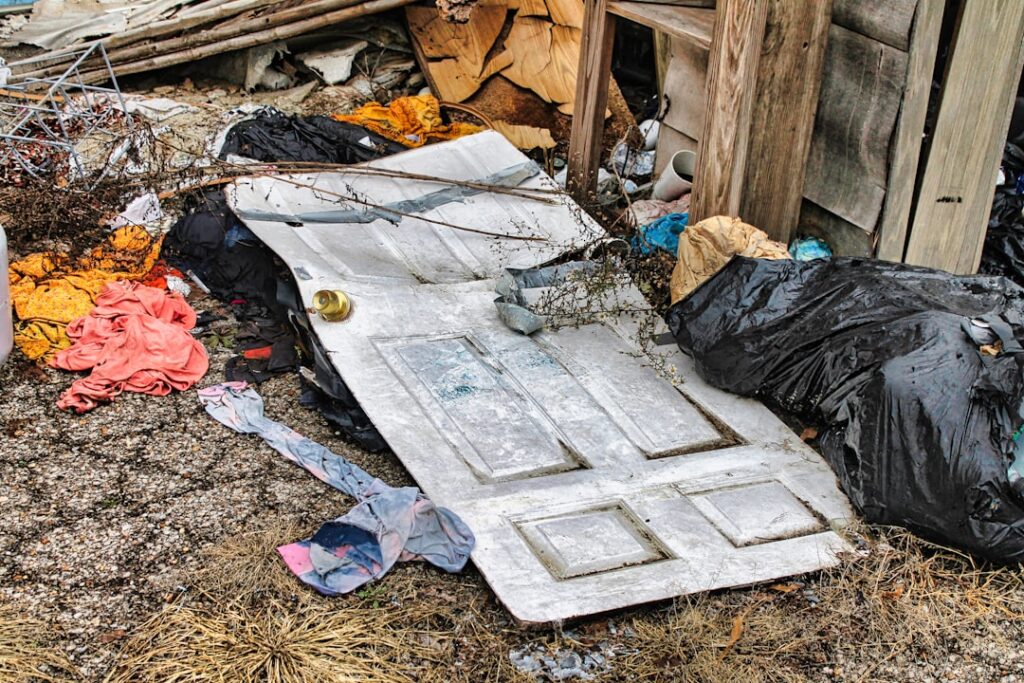
Asbestos removal and disposal is one regulated workflow split across two regulatory frameworks. Removal (often called abatement) is governed by EPA AHERA standards for inspections, OSHA 29 CFR 1926.1101 for worker protection during the work, and state programs that license the contractors. Disposal is governed by EPA NESHAP (40 CFR Part 61, Subpart M), which dictates how the waste is packaged, labeled, transported, and landfilled. This guide treats both as one continuous chain of custody — because in practice, that is exactly what they are. Guidance here summarizes EPA, OSHA, and CDC standards current as of 2026; the actual work belongs to a licensed asbestos abatement contractor, not a homeowner.
Part of our Asbestos in the Home guide — start there for the full picture →
Is this mold, asbestos, or water damage? Get a free instant screen
Upload a clear photo of the suspect area. You'll get an instant AI screening opinion and what to do next. This is screening guidance, not a professional determination.
Screening guidance only. AI can be wrong. Confirm asbestos, mold type, or lead with lab testing or a licensed professional before acting.
What asbestos removal and disposal actually involves
Asbestos removal and disposal is the regulated process of taking asbestos-containing material (ACM) out of a building and routing it to an EPA-approved landfill without releasing fibers into the air at any point in between. The work is performed by a state-licensed asbestos abatement contractor under negative-air containment, with documented chain-of-custody paperwork from job site to landfill manifest. Skipping any step — or having one party perform inspection and removal — violates federal and state law.
The job begins with a pre-abatement inspection (separate firm, AHERA-credentialed) that identifies the ACM. The abatement contractor then files a 10-working-day NESHAP notification with the EPA-delegated state authority (CDPHE in Colorado), sets up containment, removes the material wet, double-bags it in 6-mil polyethylene, labels each bag per NESHAP requirements, and transports the waste to an approved Class III landfill on a manifested vehicle. Final clearance air sampling closes the project.
Why removal and disposal are one workflow
Treating removal as separate from disposal causes problems. A contractor focused only on getting material out of the house may rush packaging, label bags incorrectly, or route waste through an unauthorized transfer station. The result is regulatory liability that follows the property owner, not just the contractor. NESHAP requires waste manifests retained for at least three years, and homeowners should receive a copy of the manifest at project close. The NESHAP step-by-step disposal guide walks through the manifest paperwork in detail.
The licensed abatement contractor handles both ends of the workflow because they hold the credentials and the EPA waste-generator ID required for the landfill to accept the material. Most landfills will not accept asbestos waste without a verified generator ID and a signed manifest. Drop-off by a homeowner or unlicensed party is grounds for refusal at the gate. The pre-1978 housing hazard pillar guide covers the broader framework for asbestos and lead risk in older residential properties.
Containment: the first step in removal
Before any material is touched, the work area is isolated under negative-air containment. That means 6-mil polyethylene barriers seal off the work zone from the rest of the building, HEPA-filtered negative-air machines pull air out of the zone (creating inward airflow at any breach), and decontamination units allow workers to enter and exit through controlled stages. HVAC serving the work zone is shut down and sealed. This step is non-negotiable; it is the difference between an abatement project and contamination of the entire house.
Critical barriers go up at every door, window, vent, and penetration. Workers wear full-face respirators with P100 cartridges, disposable Tyvek suits, and bootie covers. The negative-air machines run continuously throughout the project to maintain the pressure differential. EPA recommends a minimum of -0.02 inches of water column inside the containment relative to surrounding spaces.
Wet removal: keeping fibers from going airborne
ACM is removed wet, never dry. Workers spray the material with amended water (water plus a surfactant to improve penetration) and let it soak before cutting, scraping, or peeling. The wetting prevents fibers from becoming airborne during disturbance. Hand tools and HEPA-equipped power tools are used; standard saws and grinders are prohibited. Material is placed directly into 6-mil disposal bags as it comes off.
Each bag is sealed with goose-neck twists and tape, then placed inside a second 6-mil bag (double-bagging is required by NESHAP for friable waste). Each bag is labeled with the OSHA asbestos warning, the generator’s name and EPA ID number, and the date of removal. Sharp materials (transite siding, cement-asbestos board) go into rigid containers rather than bags to prevent puncture.
NESHAP disposal: from job site to landfill
NESHAP — the National Emission Standards for Hazardous Air Pollutants — sets the federal disposal requirements. The waste must be transported to a landfill specifically approved to accept asbestos. In Colorado, CDPHE maintains the list of approved Class III landfills. The waste cannot be transferred at an intermediate facility; it goes from the job site directly to the approved landfill on a manifested vehicle.
The waste manifest accompanies the load. It identifies the generator (the property), the transporter (the abatement contractor or a licensed waste hauler), the receiving facility (the landfill), and the quantity of waste in cubic yards or tons. The landfill operator signs the manifest at acceptance and returns a copy to the generator. The contractor passes that signed manifest to the homeowner as part of project closeout.
What homeowners should receive at project close
A complete project close package includes the pre-abatement inspection report (from the separate AHERA inspector), the NESHAP notification filed before work began, the signed waste manifest showing landfill acceptance, the post-abatement clearance air sampling report, and photographs of containment setup and disposal bag labeling. This documentation belongs to the property and should be retained for future buyers, insurance claims, and any future renovation planning.
Pricing for combined removal and disposal
Combined removal and disposal pricing in 2026 runs $20 to $65 per square foot of friable ACM, with most residential projects landing in the $1,500 to $30,000 range depending on scope. Small projects (popcorn ceiling in one room, 200 sq ft) start near the bottom of the range; whole-house siding or attic vermiculite removal sits at the top. Pricing includes the abatement labor, containment setup, disposal bags, manifested transport, landfill tipping fees, and post-abatement clearance.
What is not included: the pre-abatement inspection (separate AHERA inspector, $400 to $800), any structural repair after removal (drywall replacement, ceiling rebuild), and lead testing if the home is pre-1978. Quotes that bundle inspection with removal violate the separation principle and should be declined.
Why the chain of custody documentation matters years later
Several years after an abatement project, the documentation produced during the work continues to matter. When the home is sold, the buyer’s inspection contingency may include questions about prior asbestos history. The presence of complete documentation — pre-abatement inspection, NESHAP notification, signed manifest, clearance air sampling — demonstrates the work was performed under regulator-compliant conditions. Without that documentation, the prior abatement becomes a disclosure question with no documented answer, which can complicate the transaction.
Insurance carriers may also request the documentation for environmental liability claims, water damage claims affecting previously abated areas, or policy renewals. Some homeowner insurance policies exclude coverage for areas where unverified asbestos work was performed, and the close-out package serves as the evidence base for verified work. Storing the documentation with the deed, mortgage paperwork, and appraisal is the recommended approach.
How small projects differ from whole-house abatement
Small projects (single-room popcorn ceiling, one section of vinyl floor tile, a few feet of pipe insulation) follow the same regulatory framework as whole-house abatement but with smaller containment footprints and shorter on-site durations. NESHAP notification thresholds in some states exempt very small projects (under 160 square feet or 260 linear feet of friable ACM) from the formal notification requirement, but the work itself still requires licensed contractors and approved disposal pathways.
Whole-house projects (full attic vermiculite removal, complete transite siding replacement, multi-system pipe insulation removal) require larger containment setups, multiple negative-air machines, longer schedules (one to two weeks on site), and more disposal volume. Per-square-foot costs typically come down at scale, but total project cost runs higher because of the larger material quantity. Mid-range projects in the 500 to 2,000 sq ft range cluster in the $5,000 to $15,000 zone.
Common asbestos materials and where they appear in older homes
Vermiculite attic insulation (often Zonolite brand, mined at the Libby, Montana site contaminated with tremolite asbestos) appears in pre-1990 homes across the country and is the most common attic ACM. Popcorn ceilings installed pre-1980 typically contain 2 to 10% chrysotile by area. Nine-by-nine vinyl floor tile (and the black mastic adhesive beneath it) is a common pre-1980 finding. Transite siding (asbestos-cement board) appears on many homes built 1940 to 1980. Pipe and boiler insulation (often labeled “magnesia” or “85% magnesia”) in basements of homes built 1920 to 1975 frequently contains amosite or chrysotile.
Each material has its own removal protocol and disposal requirement under the combined removal-and-disposal workflow. A homeowner with multiple ACM types in the same property may face a phased abatement project rather than a single visit, with different containment setups for different materials. The pre-abatement inspection report identifies all material types and informs that phasing decision.
What homeowners must not do
Three things to never do: never remove ACM yourself, never dispose of suspect material in household trash, and never transport asbestos waste in your own vehicle. DIY removal violates OSHA, EPA, and state law in most jurisdictions, and even where technically legal it creates uninsurable contamination of the property. Household trash bound for municipal landfills cannot legally accept asbestos. Self-transport without a generator ID and manifest will be refused at any approved facility and may constitute illegal dumping under state law.
What landfill operators check at the gate
EPA-approved Class III landfills that accept asbestos waste verify several things at the gate before unloading. The driver presents the signed waste manifest, identification, and EPA generator ID documentation. The landfill operator checks that the manifest matches the load (quantity, generator name, waste classification). The bags are inspected visually for proper double-bagging, intact seals, and OSHA warning labels. Bags showing punctures, missing labels, or improper sealing are refused at the gate.
Loads that pass inspection are unloaded in a designated asbestos disposal cell — a section of the landfill dedicated to asbestos waste, with cover material applied frequently to prevent fiber exposure to landfill workers. The landfill operator signs the manifest and returns a copy to the transporter. Refused loads must be returned to the originating site and remediated, which is why upstream packaging quality matters so much. Defensive contractors inspect every bag at the job site before loading to prevent gate refusals.
When to call a professional
The entire asbestos removal and disposal workflow is professional-only. Start with an AHERA-credentialed inspector who confirms whether the material is actually ACM and documents condition. If removal is needed, hire a state-licensed abatement contractor with verified EPA generator ID and references from completed residential projects. Verify the licensing online, confirm the disposal landfill is on the state-approved list, and require the full close-out package before final payment.
More Questions About Asbestos Removal and Disposal
Can you put asbestos in the regular trash?
No, asbestos waste should not go in regular household trash or curbside bins. Asbestos waste must be wetted, sealed in heavy leak-tight bags or wrapped, labeled, and taken to a landfill or transfer station that is permitted to accept it.
Many municipal transfer stations refuse asbestos entirely, so check before loading anything. Haulers and landfills commonly ask for paperwork showing the material type and quantity, and some require advance appointments. Illegal dumping can bring fines, plus the cost of cleaning up the dumped material.
How much asbestos waste does a typical home project create?
A typical home asbestos project creates anywhere from a few bags to several cubic yards of waste. A bathroom of vinyl tile might fill a handful of bags, while a whole-house popcorn ceiling or attic insulation job can fill a dumpster.
Waste volume grows because everything that touched the material goes with it: plastic sheeting, disposable suits, filters, rags and wetted debris. Contractors estimate disposal from the measured quantity of material plus this packaging overhead, which is why disposal is often its own line item on the bid.
Who is legally responsible for asbestos waste after removal?
The waste generator, usually the property owner along with the abatement contractor, carries responsibility for asbestos waste until it is properly disposed of. That is why waste shipment records or manifests matter: they show the waste reached a permitted site.
If waste from a project is later found dumped illegally, regulators can look back to the property it came from. Hiring a licensed contractor who provides signed disposal receipts protects the homeowner, and those records should be kept with the house documents.
Can asbestos be recycled or reused?
Asbestos-containing material is generally not recycled or reused in the United States; it is landfilled at sites approved for asbestos waste. Reusing old asbestos cement siding, roofing or tiles is discouraged because cutting, drilling or breaking them releases fibers.
Some countries operate high-temperature treatment that destroys the fiber structure, but these processes are rare and expensive. For a homeowner, the practical rule is that removed asbestos material is packaged and buried, never salvaged, sold or given away.
References
- EPA Asbestos NESHAP disposal requirements 40 CFR Part 61 — Environmental Protection Agency
- OSHA Asbestos Standard 29 CFR 1926.1101 — Occupational Safety and Health Administration
- CDPHE Asbestos Abatement Program and approved landfills — Colorado Department of Public Health and Environment
- CDC/NIOSH Asbestos health effects and worker safety — Centers for Disease Control and Prevention
Frequently asked questions
Can a homeowner do asbestos removal and disposal themselves?
In most jurisdictions, no. Even where technically legal for non-friable material in single-family homes, DIY removal lacks containment, exposes occupants to fibers, and creates property contamination that follows the title. Always use a licensed contractor.
Where is asbestos waste taken for disposal?
To an EPA-approved Class III landfill specifically permitted to accept asbestos waste. In Colorado, CDPHE maintains the active list. Transport requires a signed manifest, and the landfill returns a copy to the generator at acceptance.
How is asbestos waste packaged for disposal?
Friable material goes into double 6-mil polyethylene bags, labeled with OSHA asbestos warning and generator information. Sharp materials like transite siding go into rigid containers. Both are sealed at the job site before leaving containment.
What does asbestos removal and disposal cost?
In 2026, combined removal and disposal runs $20 to $65 per square foot of friable material, with most residential projects between $1,500 and $30,000. Pricing includes labor, disposal bags, manifested transport, and landfill tipping fees.
How long does asbestos stay hazardous in a landfill?
Asbestos stays hazardous indefinitely because the mineral fibers do not break down over time. Landfills manage this by burying asbestos waste promptly, covering it with soil, and keeping records of where it was placed so it is not dug up later.
Do asbestos disposal fees vary by state?
Yes, asbestos disposal fees vary widely by state and by landfill. Charges depend on whether the waste is friable, its volume or weight, travel distance to an approved site, and local tipping fees. Rural areas with few approved landfills often pay more in hauling.
Can a contractor haul asbestos waste in a regular truck?
A contractor can haul asbestos waste in an enclosed or covered vehicle as long as the waste is properly wetted, sealed and labeled. Open loads of loose debris are not acceptable. Many states also expect the hauler to carry waste shipment paperwork during transport.
Front Range homeowners ready to scope a combined asbestos removal and disposal project can get in touch through our contact page for a referral to a state-licensed abatement contractor with verified manifest history.
Asbestos test kits
Asbestos can only be confirmed by a lab. A mail-in kit gets you a sealed sample container and accredited analysis — never sand or disturb suspect material first.
| Product | Why | Buy |
|---|---|---|
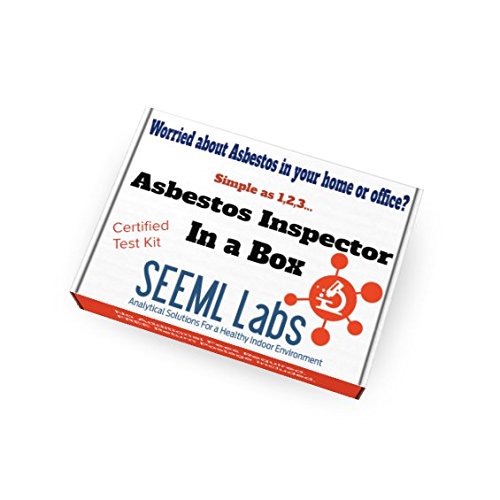 Asbestos Test Kit (mail-in lab) | Includes PPE + sealed mailer. | Amazon — $22.00 |
 Pro-Lab Asbestos Test Kit | Widely available; lab fee separate. | Amazon — $63.99 |