Seek IR Cameras: Models, Specs, and What They Detect
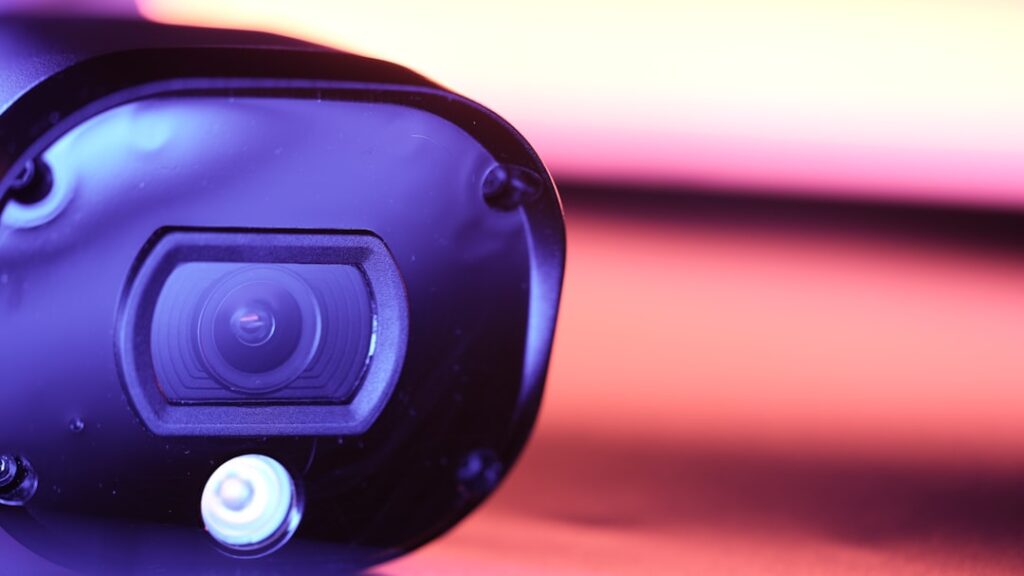
People searching “Seek IR camera” are almost always looking at one company: Seek Thermal, the Santa Barbara imaging maker whose smartphone-attached and standalone thermal cameras sit in the price tier between a $40 spot thermometer and a $3,000 professional imager. This page covers what a Seek camera actually is, how the current models differ, the one spec that trips up buyers, and where these cameras earn their keep in a house versus where they mislead you.
Part of our Home Inspection Tools guide — start there for the full picture →
What a Seek camera is under the shell
Every Seek imager is built around an uncooled microbolometer — a grid of tiny detectors that change resistance when infrared energy lands on them. That is the same core technology in a $5,000 FLIR. What you pay for at each tier is the number of detectors (resolution), the lens, the accuracy of the calibration, and whether the unit carries its own screen and battery. The smartphone models offload the display, processor, and power to your phone; the standalone models bring their own.
Because it reads emitted heat rather than reflected light, a Seek camera sees temperature patterns invisible to the eye: a missing insulation batt glowing cold in an attic, an overloaded breaker running hot, a plume of evaporative cooling under a leaking sink trap. It does not see through walls — it sees the surface temperature of the wall, which is a different and more limited thing.
The Seek lineup, model by model
Seek splits its catalog into phone-attached “Compact” units and self-contained handhelds. The resolution jump from the base Compact to the PRO tier is the single biggest driver of image quality.
| Model | Format | Detector | Field of view | Best for |
|---|---|---|---|---|
| Seek Compact | Phone-attached (USB-C or Lightning) | 206×156 | Wide (~36°) | Close-range home troubleshooting |
| Seek CompactXR | Phone-attached | 206×156 | Narrow (~20°) | Longer distance, tighter targets |
| Seek CompactPRO | Phone-attached, adjustable focus | 320×240 | ~32° | Report-quality residential inspection |
| Seek ShotPRO | Standalone, 3.5″ touchscreen | 320×240 | ~32° | Daily trades use without a phone |
The 206×156 detector holds 32,136 pixels; the 320×240 PRO detector holds 76,800 — more than double. In practice that is the difference between an image legible enough to drop into a client report and one that looks like colored static once you leave the scene. If the camera is for a business, start at the PRO tier. If it is for occasional homeowner curiosity, the base Compact is enough to find gross anomalies.
Why the frame rate says “9 Hz”
Buyers often notice that many Seek specs list a refresh rate under 9 Hz and assume the camera is slow or cheap. It is neither. Thermal cameras that refresh faster than 9 Hz fall under U.S. export controls, so the internationally sold versions are deliberately capped just under that line. The domestically sold PRO units run faster (around 15 Hz). At 9 Hz the image updates nine times a second, which is smooth enough for walking an attic or scanning a panel; you only feel the limit if you are tracking fast-moving heat. This is a regulatory fact, not a hardware shortcut.
What these cameras genuinely find
Seek cameras are close-range screening tools, and inside that lane they are useful. Reliable home uses include locating insulation gaps and thermal bypasses in attics and walls, finding air infiltration around windows and doors on a cold day, spotting an overheating receptacle or breaker under load, screening for moisture beneath fixtures, confirming a radiant floor loop is circulating, and tracing hot- and cold-water lines behind drywall. Each of these involves a real temperature difference at arm’s length on an ordinary matte surface — the conditions a compact imager handles well. The U.S. Department of Energy’s own guidance on thermographic inspections describes exactly this kind of envelope screening.
Where a Seek camera will fool you
The three classic mistakes have nothing to do with the brand and everything to do with physics.
- Reflections read as hot spots. Polished metal, glass, and tile reflect thermal energy — including your own body heat. If the “hot spot” moves when you change your angle, it is a reflection, not a real anomaly.
- Solar gain mimics a wall defect. An exterior wall baked by afternoon sun keeps reradiating that heat for hours and can look like a hot cavity. Imaging at dawn or after sundown removes the confound.
- Emissivity throws the number off. Painted drywall, wood, and skin sit near 0.95 emissivity and read accurately on defaults. Bare aluminum or stainless steel can drop below 0.20 and read wildly wrong because they reflect more than they emit. Seek’s app lets you set emissivity per scene; on metal or glass, either adjust it or treat the reading as unreliable.
And a camera alone cannot confirm moisture. A cool ceiling patch could be an active leak evaporating, residual cooling from an old leak, or just cold air dropping from poor insulation above. A moisture meter resolves the ambiguity — which is why thermal imaging and moisture metering are paired steps in the home inspection tools workflow, not substitutes for each other.
Seek versus FLIR versus a standalone
Seek and FLIR compete in the same tiers with the same underlying detector technology; a Compact and a FLIR ONE occupy nearly identical territory, and choosing between them usually comes down to app quality, price, and connector. If you are weighing a phone-attached unit against a self-contained handheld, the trade is durability and independence versus cost. A dropped phone takes your IR capability with it; a ShotPRO or Reveal keeps working and does not tie up your personal device. Full-time inspectors and HVAC techs tend to buy the standalone; homeowners and weekly users are well served by the phone attachment at roughly a third of the cost. For a broader field comparison across brands and tiers, see our best thermal imaging roundup, and for the underlying detector explainer, how an IR camera sensor works.
Whichever you choose, the hardware only images heat — it does not interpret it. For a consequential call like an energy-audit recommendation or a suspected hidden electrical fault, a certified thermographer adds the reading layer that no camera provides, as InterNACHI notes in its infrared inspection standards.
Frequently asked questions
Frequently asked questions
Is a Seek camera good enough for professional home inspection?
The CompactPRO and ShotPRO at 320×240 produce report-quality images usable in professional residential work. The base Compact and CompactXR at 206×156 are fine for homeowner troubleshooting but produce images too coarse for polished client reports.
Does a Seek camera connect to iPhone and Android?
Yes, but you buy the version that matches your port. Seek sells USB-C models for Android and newer iPhones and Lightning models for older iPhones as separate SKUs. Confirm your connector before ordering, and account for a likely phone change over the next few years.
Can a Seek camera see through walls?
No thermal camera sees through walls. A Seek reads surface temperature, so it can reveal what is behind a wall only when that object changes the wall's surface temperature — a hot water line warming the drywall, or a cold gap where insulation is missing.
Why is the refresh rate capped at 9 Hz?
U.S. export rules control thermal cameras that refresh above 9 Hz, so international models sit just under that line. Domestically sold PRO units run faster, around 15 Hz. Nine updates per second is smooth enough for normal home and trades scanning.
This guide summarizes U.S. Department of Energy and InterNACHI thermographic inspection guidance and publicly documented Seek Thermal model specifications; verify current model specs with the manufacturer before purchase.