Penicillium Allergy: What Homeowners Need to Know
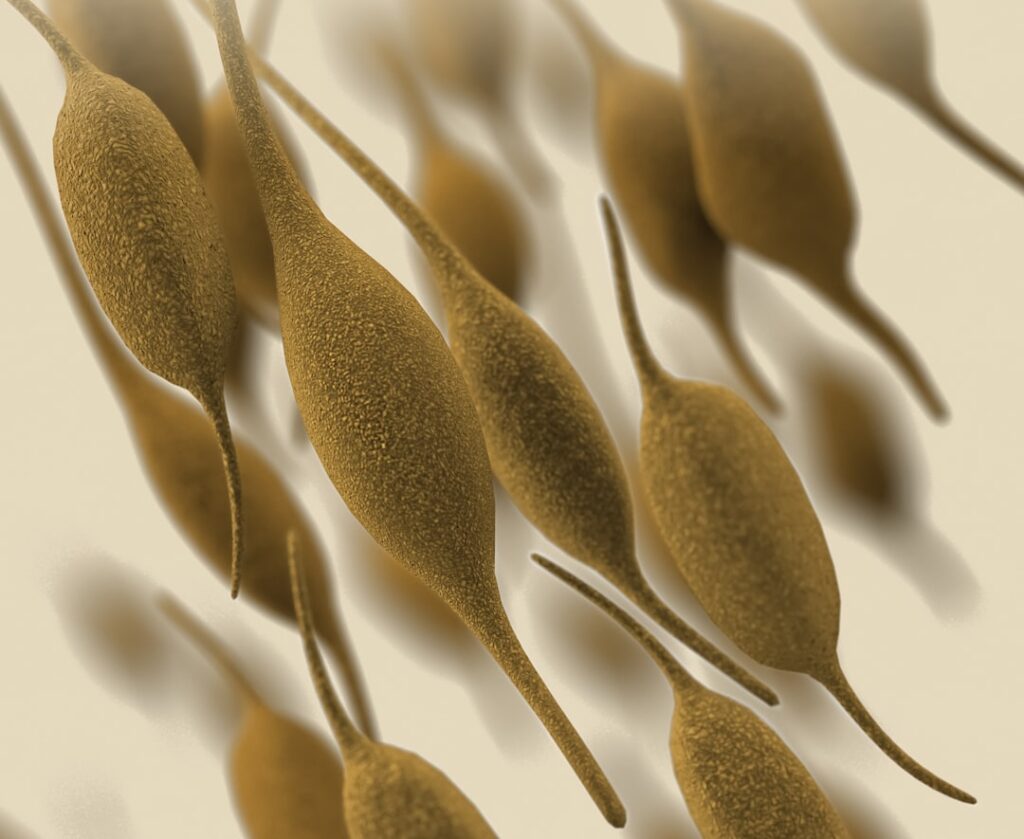
Penicillium is one of the most common molds found in homes, turning up on damp building materials, in dust, and on spoiling food. Because the name resembles the antibiotic penicillin, it causes understandable confusion, and people who react to indoor dampness sometimes wonder about a Penicillium allergy. The connection between the mold, the medicine, and any allergy is more nuanced than it first appears. This guide summarizes EPA and CDC guidance current as of 2026 and is general information only, not medical advice or a diagnosis. For any symptoms or allergy concerns, consult your physician. Here is a plain-language look at what this mold is, the general health context, and how homeowners can control it.
Part of our Black Mold & Your Health guide — start there for the full picture →
Dealing with mold or water damage? Talk to a remediation pro now.
📞 Call (833) 723-1134What Is a Penicillium Allergy?
Penicillium is a genus of common molds found worldwide, indoors and out, often appearing as blue-green or green growth on damp materials and food. Like other molds, Penicillium releases spores into the air, and inhaling mold spores can trigger allergy-type responses in sensitive people. In that sense, a “Penicillium allergy” refers to an allergic sensitivity to this particular mold’s spores, similar to allergies to other common indoor molds. The CDC notes that exposure to damp, moldy environments can cause effects such as nasal congestion, sneezing, coughing, wheezing, and eye or throat irritation in some individuals, especially those with allergies or asthma, while others have no reaction. Whether someone is specifically sensitized to Penicillium is a medical question that only a physician, often an allergist, can answer through proper evaluation and testing. This article does not diagnose; it explains the general picture so you know what to discuss with your doctor.
Penicillium the Mold Versus Penicillin the Drug
The name similarity trips up many people, so the distinction is worth making clearly. Penicillin, the antibiotic, was originally derived from a Penicillium mold, which is why they share a root name. But being allergic to the Penicillium mold in your home and being allergic to the penicillin antibiotic are not the same thing, and one does not automatically mean the other. A mold allergy is an inhalant allergy to spores; a penicillin drug allergy is a reaction to a medication. People can have one without the other. If you have a known penicillin drug allergy, that is a medical matter for your doctor and does not necessarily indicate how you will respond to household mold, and vice versa. The site’s explainer on whether mold is penicillin unpacks the relationship between the organism and the medicine in more detail. The practical point is to keep the two concepts separate and let a physician sort out any specific allergy.
Where Penicillium Grows in Homes
Penicillium is one of the most frequently identified molds in indoor environments because it tolerates a range of conditions and grows readily on damp materials. Common spots include water-damaged drywall, wallpaper, carpet, and insulation; behind walls fed by leaks; in basements and crawl spaces; on damp fabrics and upholstery; in HVAC systems; and on spoiling food in the kitchen. It often appears as a fuzzy blue-green or green patch. Like all mold, it needs moisture to grow, and the EPA notes mold can begin growing within 24 to 48 hours of a material getting wet. Because Penicillium is so common, finding it indoors is less a special alarm than a typical sign of a moisture problem to address. The site’s broader guide to mold identification explains why the response does not change much based on the specific genus.
The General Health Context
Mold exposure affects people differently. Some experience allergy-type symptoms when exposed to elevated indoor mold, while others notice nothing. The CDC and EPA describe possible effects of damp, moldy environments including nasal stuffiness, throat irritation, coughing, wheezing, and eye or skin irritation, with people who have allergies, asthma, or weakened immune systems potentially more sensitive. For someone specifically sensitized to Penicillium, exposure to its spores could contribute to such responses. This remains general information, not a diagnosis. Symptoms overlap heavily with other allergies and common illnesses, so you cannot conclude you have a Penicillium allergy from symptoms alone. An allergist can perform appropriate testing and interpret it in the context of your history. Self-diagnosis is unreliable, and treatment decisions belong to your physician.
What to Do If You Suspect Sensitivity
If you suspect you react to indoor mold, the two tracks are medical evaluation and home moisture control, and both matter.
See a Physician
Talk to your doctor or an allergist about your symptoms and your home environment. They can determine whether testing is appropriate and what management makes sense for you. Bring details about where in the home symptoms worsen and any visible mold or musty smells, since that context helps. Do not start treatments on your own based on an assumption about Penicillium.
Control Moisture and Mold at Home
Reducing exposure is the part homeowners control. Find and fix moisture sources, clean up visible mold, and lower humidity. The EPA advises that small areas under about 10 square feet can often be cleaned with proper precautions, while larger areas, HVAC contamination, or post-flood situations warrant professional remediation. Ventilate damp rooms, run a dehumidifier in basements and crawl spaces, and dry any wet materials within a day or two. Removing the mold and its moisture source lowers the spore load you are exposed to.
Reducing Penicillium in Your Home
Because Penicillium thrives on dampness, prevention mirrors general mold control. Keep indoor humidity in a comfortable range so condensation does not form. Fix leaks promptly and dry wet materials quickly. Ventilate bathrooms, kitchens, and laundry rooms. Maintain HVAC filters and address any moisture in ducts or around the air handler. Store food properly and discard spoiled items, since Penicillium readily grows on food. Clean damp-prone surfaces regularly. These steps do not single out Penicillium specifically, but since it is among the most common indoor molds, general moisture control directly reduces it along with the rest. For Front Range homeowners, humidity in below-grade spaces is often the main driver and the best target.
When to Call a Professional
Bring in a mold inspector when you smell mold but cannot find it, when you need air or surface sampling to document what is present, or when growth is widespread. A remediation contractor handles large areas, HVAC contamination, and post-flood cleanup. Air sampling can identify and quantify molds including Penicillium against an outdoor baseline, which can be useful information for you and your physician, though the cleanup response remains moisture control and removal regardless of the species found. The mold inspection hub describes what a thorough evaluation involves.
Why Penicillium Is So Common Indoors
Penicillium ranks among the most frequently detected molds in indoor air and dust for practical reasons rooted in its biology. It tolerates a range of temperatures and moisture levels, grows on a wide variety of materials from building surfaces to food, and produces abundant spores that spread easily. Unlike some molds that require sustained saturation, Penicillium can establish on materials that are merely damp or have experienced intermittent moisture, which describes many real-world household situations. This adaptability means that air and surface sampling in homes very often turns up Penicillium even at modest levels, frequently as part of the normal background mix rather than as proof of a severe problem. Its prevalence is why finding Penicillium is generally treated as a routine indication of moisture to address rather than a special alarm. The presence of the genus matters less than whether there is active growth and a moisture source driving it.
What an Allergist Evaluation Involves
For someone who suspects sensitivity to indoor mold, an allergist evaluation provides the kind of answer a home inspection cannot. The evaluation typically begins with a detailed history: what symptoms occur, when and where they worsen, and the condition of the home environment. Depending on that history, an allergist may use skin testing or blood testing to check for sensitization to specific allergens, which can include common molds. Interpreting these results requires clinical judgment, because a positive test for sensitization does not by itself prove that a given exposure causes a person’s symptoms; it is one piece of a larger picture. This is exactly why self-diagnosis is unreliable and why the article frames the medical question as one for a physician. An allergist can connect symptoms, test results, and environment into guidance tailored to the individual, including how to manage exposure and whether treatment is appropriate.
Coordinating the Home and Medical Sides
The most effective approach to a suspected mold sensitivity runs the building and medical tracks in parallel and lets them inform each other. Information from the home, where growth is visible, where musty smells concentrate, where symptoms worsen, is useful context to share with your physician or allergist. In turn, a clear medical picture helps you prioritize home actions, such as focusing moisture control on the rooms where you spend the most time or react most. A mold inspector can document conditions and, if helpful, provide sampling results, while a remediation contractor addresses significant growth. Meanwhile, your doctor manages the health side. Neither professional substitutes for the other: an inspector cannot tell you whether you are allergic, and a doctor cannot fix your crawl space. Coordinating both gives you the best chance of reducing exposure and getting appropriate care, rather than guessing on either front.
Keeping the Two Questions Straight
The clearest way to handle a Penicillium concern is to separate the building question from the medical one. The building question, is there mold and moisture in my home, is answered by inspection and addressed by moisture control and cleanup, and it does not require pinning down the exact species to act. The medical question, am I allergic to Penicillium and what should I do about it, belongs to a physician or allergist who can test and advise. Keep penicillin the drug distinct from Penicillium the mold, since an allergy to one does not dictate the other. Control the dampness in your home, see a doctor about symptoms, and you address both sides of the concern through the right channel.
Practical Steps for a Sensitive Household
For a household where someone may be sensitive to indoor mold, a few practical habits reduce exposure regardless of whether the specific allergy is ever pinned down. Keep indoor humidity in a comfortable range so condensation does not form on cool surfaces, since moisture is what lets Penicillium and other molds grow. Use a dehumidifier in basements and crawl spaces, the damp spaces that most often harbor growth. Fix leaks promptly and dry any wet materials within a day or two, before mold can establish. Ventilate bathrooms, kitchens, and laundry rooms with exhaust fans to clear moist air. Change HVAC filters on schedule and address any dampness around the air handler or in ducts so the system does not circulate spores.
Beyond moisture control, a sensitive household can take extra care during cleaning and food storage. When cleaning visible mold, the more sensitive person should ideally stay out of the area, since cleaning disturbs growth and releases spores; whoever does the cleaning should wear protection and use methods that limit spreading spores. Discard spoiled food promptly, as Penicillium readily grows on food, and keep the kitchen and refrigerator clean. Reducing clutter and damp fabrics in living areas removes surfaces where mold can take hold. These steps lower the overall spore load a sensitive person breathes, which supports the medical side without replacing it. The home measures and the physician’s care work together: controlling moisture and growth reduces exposure, while an allergist or doctor evaluates symptoms and advises on management. Keeping the mold-versus-drug distinction clear matters here, because a household managing a suspected mold sensitivity should not conflate it with a penicillin medication allergy. Pairing diligent moisture control at home with proper medical guidance gives a sensitive household the best practical footing.
References
- Basic Facts About Mold and Health — Centers for Disease Control and Prevention
- A Brief Guide to Mold, Moisture and Your Home — U.S. Environmental Protection Agency
- Mold and Indoor Air Quality — American Lung Association
Frequently asked questions
Is a Penicillium mold allergy the same as a penicillin allergy?
No. Penicillin the antibiotic was derived from a Penicillium mold, so they share a name, but a mold allergy to airborne spores is different from a drug allergy to the medication. Having one does not automatically mean having the other; a physician can clarify your specific allergies.
How do I know if I'm allergic to Penicillium?
You cannot tell from symptoms alone, since they overlap with other allergies and illnesses. An allergist can perform appropriate testing and interpret it with your history. Bring details about where symptoms worsen in your home, and avoid self-diagnosing.
How do I reduce Penicillium in my home?
Control moisture, since it needs dampness to grow. Fix leaks, lower humidity with a dehumidifier, ventilate damp rooms, dry wet materials quickly, clean visible mold, and store food properly. General mold control reduces Penicillium because it is among the most common indoor molds.
If you suspect mold is affecting your household in a Front Range home, you can connect with a vetted local inspector through our contact page to identify and control the source while your doctor addresses any symptoms.
DIY mold test kits
A test kit can confirm whether a suspect patch is mold and (with lab analysis) what type — though visible mold over ~10 sq ft generally warrants a professional.
| Product | Why | Buy |
|---|---|---|
 DIY Mold Test (lab included) DIY Mold Test (lab included) | Surface + air-sampling options. | Amazon — $26.09 |
 Healthful Home 5-Minute Mold Test Healthful Home 5-Minute Mold Test | Rapid screening strips. | Amazon — $35.47 |
 Mold Test Plates (DIY petri dishes) Mold Test Plates (DIY petri dishes) | Settle-plate style sampling you culture at home. | Amazon — $22.99 |