Mold House Cleaner: A Whole-Home Guide
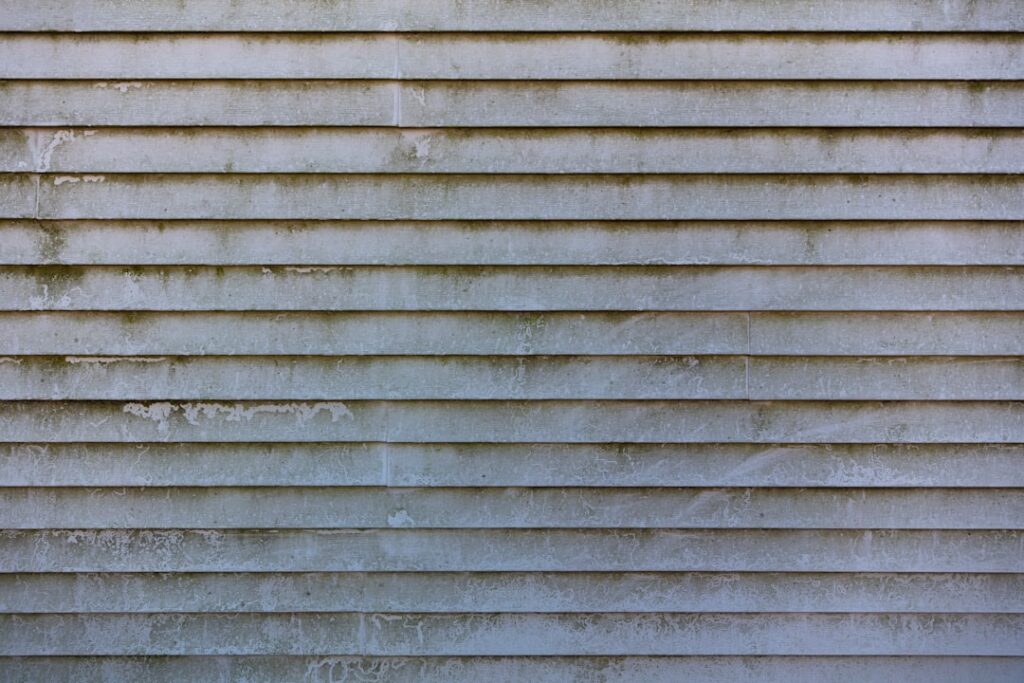
A mold house cleaner is a product chosen to handle mold across the different surfaces a home throws at you: bathroom tile, kitchen grout, basement concrete, window frames, and painted walls. No single bottle is ideal for every one of those, which is why a whole-home approach is as much about technique and moisture control as it is about the cleaner. This guide summarizes EPA and CDC guidance current as of 2026 and is educational only. It does not replace a physician for health symptoms or a certified professional for testing and remediation decisions.
Part of our Mold Removal & Remediation guide — start there for the full picture →
Is this mold, asbestos, or water damage? Get a free instant screen
Upload a clear photo of the suspect area. You'll get an instant AI screening opinion and what to do next. This is screening guidance, not a professional determination.
Screening guidance only. AI can be wrong. Confirm asbestos, mold type, or lead with lab testing or a licensed professional before acting.
Choosing a Mold House Cleaner for Mixed Surfaces
A home presents both non-porous and porous surfaces, and the same cleaner behaves differently on each. On glazed tile, sealed counters, glass, and finished metal, a cleaner sits on top of the growth and can remove it. On drywall paper, bare wood, grout, and unsealed concrete, the growth roots below the surface and the cleaner only lightens the visible stain. The EPA’s central point holds throughout the house: the goal is to remove mold and its spores, not just to kill it in place, because dead spores can still trigger allergic reactions.
Because a house has both surface types, a realistic plan uses cleaning where it works and removal where it does not. A versatile household cleaner handles the many hard surfaces, while porous materials that are visibly moldy are candidates for replacement rather than repeated scrubbing. Picking one all-purpose product and expecting it to conquer every room is the most common reason whole-home efforts stall.
Room by Room
Bathrooms are the busiest battleground because grout, caulk, and constant humidity favor growth. Hard tile cleans well; caulk that keeps regrowing needs cutting out and replacing rather than re-cleaning. Run the exhaust fan during and after showers to attack the underlying humidity.
Kitchens see mold around sinks, behind appliances, and in window wells from condensation. Most kitchen surfaces are hard and clean readily, but check under the sink for slow leaks that feed hidden growth. Basements are the toughest zone: concrete is porous, finished walls hide moisture, and condensation is common. Surface cleaning of concrete helps cosmetically, but a damp basement will regrow mold until the moisture is controlled with grading, drainage, or a dehumidifier.
Windows, Closets, and Stagnant Corners
Cold window frames collect condensation and grow mold along the sash; cleaning is straightforward, but improving ventilation and wiping condensation prevents return. Closets and corners on exterior walls grow mold where airflow is poor and the surface runs cold. Pulling furniture off the wall and improving circulation does more than any cleaner in those spots.
Using a Mold House Cleaner Safely
Cleaning mold anywhere disturbs it and releases spores, so the CDC’s protection guidance applies in every room: gloves, eye protection, and an N-95 respirator, plus ventilation. Moving from room to room, take care not to track spores through the house; isolate the room you are working in when growth is significant.
The cardinal safety rule is never mixing chlorine and ammonia products, which create toxic gas. If you switch cleaners between rooms, rinse and dry the previous surface and ventilate before introducing a different chemistry. Occupants with asthma, allergies, or weakened immunity should stay out of work areas, since the CDC notes these groups face higher exposure risk.
Cleaning Is Part of a Larger Plan
A mold house cleaner is one step in a sequence that actually keeps a home clear. First, find and fix the moisture sources, which in a whole house may include roof leaks, plumbing drips, condensation, and high humidity. Second, dry wet areas within the EPA’s 24-to-48-hour window. Third, remove colonized porous materials. Cleaning salvageable hard surfaces is the finishing step, not the foundation.
Homeowners taking a whole-home view benefit from understanding assessment first. The broader mold inspection and testing guide explains how to evaluate scope and when professional help is warranted. For product-level detail, our overview of mold cleaner basics and the guide to cleaning mold from walls cover technique by surface.
Reading Cleaner Claims
Label percentages like “kills 99.9% of household mold” reflect lab tests on clean surfaces at set dwell times, not the porous, dirty conditions of a real home. Treat them as a best case. The two label details worth checking are an EPA registration number and the stated dwell time, which tells you how long the surface must stay wet to work. The strongest predictor of a lasting result is still whether you removed the moisture.
Whole-Home Prevention
Prevention across a house is moisture management. The CDC and EPA point to keeping indoor humidity below roughly 50 percent, ventilating bathrooms and kitchens, and fixing leaks promptly. A hygrometer in problem rooms catches creeping humidity early. In Front Range homes, winter humidifier use, swamp coolers, and finished basements are common sources worth monitoring through the seasons.
After cleaning any room, dry it thoroughly and revisit it over the following weeks. Quick recurrence in the same place is the clearest sign that the moisture source remains and that cleaning alone will not solve it.
Building a Whole-Home Cleaning Kit
A house with mixed surfaces benefits from a small, versatile kit rather than a single product. Keep a lower-odor peroxide or botanical cleaner for finished interiors where fumes matter, and reserve a bleach-based or commercial antimicrobial for hard, durable surfaces like garage walls or unfinished basement concrete. Add scrub brushes in a couple of sizes, microfiber cloths, and a grout brush for tight joints.
Protection belongs in the kit too: gloves, eye protection, and N-95 respirators, since moving from room to room means repeated exposure. For prevention, a hygrometer to monitor humidity and a small dehumidifier for problem rooms do more long-term good than any cleaner. Stocking both the cleaning and the moisture-control sides of the kit reflects the reality that a clean house stays clean through humidity management, not repeated scrubbing.
A Whole-Home Cleaning Sequence
Working through a house systematically beats reacting to each spot as it appears. Start by identifying every area of visible growth and noting the likely moisture source for each, since rooms often share a cause such as a humid basement feeding growth on the floor above. Fix the moisture problems first, then work room by room from least to most contaminated to avoid tracking spores into clean areas.
In each room, isolate the space if growth is significant, ventilate, clean hard surfaces with the appropriate product and dwell time, and flag porous materials for removal rather than repeated cleaning. Dry each area thoroughly before moving on. Finish by re-checking humidity across the home and addressing any room that runs damp. This sequence treats the house as a connected system, which is how moisture actually behaves, rather than as a series of unrelated stains.
Front Range Seasonal Patterns to Watch
Whole-home mold prevention in Colorado tracks the seasons. Winter brings dry air and humidifier use; set humidifiers too high and exterior walls, window frames, and closets grow mold from condensation. Summer evaporative coolers add humidity that settles on cooler basement surfaces. Spring snowmelt and summer storms test foundation drainage and grading, while winter ice dams can drive water into attics and walls.
Finished basements are the year-round constant across Front Range homes, where warm interior air meets cool foundation walls. A hygrometer in the basement and other problem rooms catches creeping humidity before growth starts. A house cleaner addresses the visible result of these patterns, but a homeowner who manages humidity through the seasons keeps the whole home ahead of the problem rather than chasing it room by room.
When the House Needs a Professional
Bring in a remediation specialist when total growth exceeds about ten square feet, when mold is inside walls or the HVAC system, when flood or sewage water is involved, or when occupants have respiratory conditions. A professional contains the work, removes contaminated materials, and verifies the result across the home, addressing hidden moisture paths that a household cleaner cannot reach.
Whole-home problems especially reward professional diagnosis, because growth in multiple rooms often shares a single hidden moisture source that a cleaner never finds. A specialist traces that source, removes colonized materials safely, and confirms the home is dry before rebuilding. That diagnostic step is what turns a house-wide cleaning effort into a lasting result rather than a recurring chore.
Comparing Cleaner Chemistries for a Whole Home
A house benefits from understanding which chemistry suits which zone. Chlorine bleach is fast and cheap, well suited to durable, unfinished surfaces like garage walls or basement concrete where fumes and discoloration matter less. Its drawbacks, harsh odor, corrosion, and poor performance on porous materials, make it a weak choice for finished interiors. Hydrogen peroxide cleaners oxidize with less odor and leave little residue, making them friendlier to living spaces and colored surfaces.
Quaternary ammonium cleaners leave an antimicrobial residue and resist evaporation, common in commercial use but worth considering carefully on frequently touched indoor surfaces. Botanical cleaners built on thymol or citric acid offer a lower-toxicity profile for bedrooms, nurseries, and homes with chemical sensitivities, at the cost of longer dwell times. A practical whole-home approach keeps two products on hand: a durable cleaner for tough, unfinished zones and a gentler one for finished living areas. Matching chemistry to zone produces better results than forcing a single product to serve every room.
Cost and Realistic Whole-Home Expectations
Cleaning a whole house can feel like it demands a cabinet full of specialized products, but the realistic kit is small and affordable. Two cleaners, a few brushes, protective gear, and moisture-control tools cover most situations. The larger cost in a whole-home effort is usually not the cleaners but the moisture repairs, fixing the leak, improving basement drainage, or adding ventilation, that actually prevent recurrence.
Setting expectations across the home prevents wasted spending. Expect cleaners to handle hard surfaces and to need their full dwell time, and expect porous materials and active moisture to defeat them. A homeowner who repeatedly cleans the same rooms is paying for symptoms while the underlying moisture persists. Viewed honestly, house cleaners are the finishing tools of a whole-home strategy whose foundation is moisture control, and budgeting for the moisture work rather than endless cleaner refills is what keeps a home durably clear.
Health Considerations for the Household
The careful, room-by-room approach matters because of health, not just appearance. The CDC notes that damp, moldy environments can cause a range of effects, and that sensitive household members, including people with allergies, asthma, or weakened immune systems, may react more strongly. In a whole house, the concern compounds: growth in a basement or behind a wall can affect air that circulates through several rooms, so cosmetic cleaning that leaves the source in place does little for the people living there.
For healthy occupants, brief and well-ventilated cleaning with protective gear carries limited risk. The greater concern is ongoing, low-level exposure from growth that is repeatedly wiped but never resolved across the home. Children, older adults, and anyone with respiratory conditions deserve particular care, and at-risk members should stay out of work areas during cleaning. Anyone experiencing symptoms they suspect are mold-related should consult a physician rather than relying on a cleaner. The product handles surfaces, a doctor addresses symptoms, and a professional addresses the moisture source feeding a whole-home problem.
Tracking Recurrence Over Time
A whole-home approach is not finished when the visible growth is gone; it continues with observation. Keep a simple record of where mold appeared, what you suspected as the cause, and the date you cleaned each spot. Revisit those locations over the following weeks and months. Recurrence in the same place, or new growth nearby, points to a moisture source that was never resolved and tells you where to focus repairs.
Patterns across rooms are especially informative. Growth that returns in several spots along one wall, or on the floor above a damp basement, often shares a single hidden cause. Noticing that connection turns scattered cleaning chores into a targeted moisture investigation. A house treated as a connected system, with recurrence tracked over time, is far more likely to stay clear than one where each spot is cleaned in isolation and forgotten until it returns.
References
- Mold Cleanup in Your Home — U.S. Environmental Protection Agency
- About Mold and Your Health — Centers for Disease Control and Prevention
- A Brief Guide to Mold, Moisture and Your Home — U.S. Environmental Protection Agency
Frequently asked questions
Can one mold house cleaner handle every room?
A versatile cleaner works on the many hard surfaces in a home, but porous materials like colonized drywall and bare wood usually need removal rather than cleaning. Match technique to surface type room by room.
Why does mold keep returning in my basement?
Basements stay damp from condensation, poor drainage, and porous concrete. Surface cleaning is cosmetic; lasting results require controlling moisture through grading, drainage, or a dehumidifier.
Is it safe to clean mold throughout my house myself?
Small hard-surface areas under about ten square feet can be cleaned with gloves, eye protection, an N-95 respirator, and ventilation. Isolate work areas so spores do not spread, and fix moisture sources first.
How do I stop mold from coming back across the home?
Keep indoor humidity below about 50 percent, ventilate bathrooms and kitchens, fix leaks promptly, and improve airflow in stagnant corners and closets.
Front Range homeowners who want a qualified inspector to find the moisture behind recurring household mold can reach out through our contact page.