Mold Elimination Products: A Whole-Home View
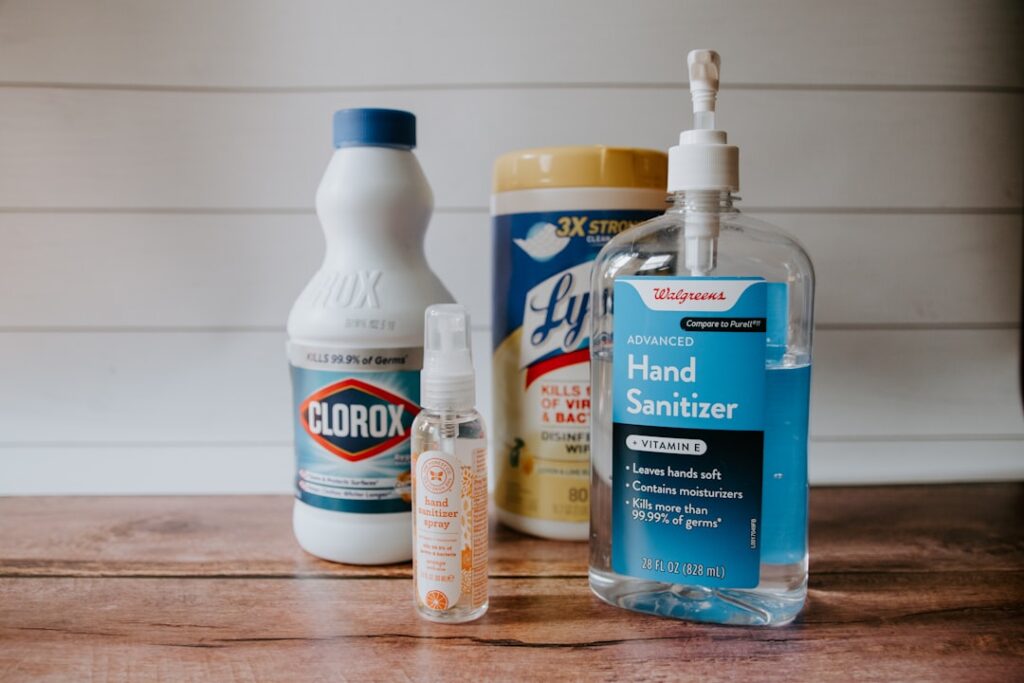
The word “elimination” sets a higher bar than “removal.” Mold elimination products promise not just to clean a visible patch but to address mold across a home and keep it gone. Living up to that promise takes more than a spray; it takes a whole-home approach that pairs the right products with moisture control. This guide summarizes EPA and CDC guidance current as of 2026 and is for general education only; consult your physician about health symptoms and a certified professional for widespread or hidden growth.
Part of our Mold Around the Home guide — start there for the full picture →
Is this mold, asbestos, or water damage? Get a free instant screen
Upload a clear photo of the suspect area. You'll get an instant AI screening opinion and what to do next. This is screening guidance, not a professional determination.
Screening guidance only. AI can be wrong. Confirm asbestos, mold type, or lead with lab testing or a licensed professional before acting.
Elimination versus simple removal
A removal product clears mold from one surface you can see. Elimination implies thoroughness: finding every affected area, treating it, and preventing recurrence throughout the home. The distinction is partly marketing and partly real. The honest version of elimination is a process, not a bottle, and any product sold under that banner is one component of that process.
The EPA’s framing anchors the whole idea. Mold cannot be eliminated from indoor air entirely, since spores are everywhere; the achievable goal is controlling moisture so that spores have nothing to grow on. So “elimination” properly means removing active growth and removing the conditions that allowed it, not sterilizing the house. A product that claims to permanently eliminate mold without any moisture work is overpromising.
The categories of mold elimination products
A whole-home toolkit pulls from several product types, each handling a different part of the job.
Surface treatments
Sprays, gels, and concentrates remove visible growth from walls, tile, fixtures, and hard surfaces. Detergent and water, the EPA’s default, plus targeted removers handle the cleanable areas. These address what you can see and reach.
Air and humidity control
Dehumidifiers, exhaust fans, and ventilation improvements lower the indoor humidity that lets mold grow. The EPA recommends keeping relative humidity below roughly 50 percent. HEPA air purifiers can reduce airborne spores during and after cleanup, though they do not address the source. These are the products that make elimination stick, because they remove the conditions mold needs.
Preventive coatings and sealants
After cleaning and drying, mold-resistant paints and encapsulants make treated surfaces less hospitable. They are finishing steps, not substitutes for removing contaminated porous material. For a closer look at how these fit, the overview of mold control products and how they work covers the preventive side, while the broader mold removal products guide covers the cleanup side.
Surface and material limits still apply
No elimination product changes the basic rule about porosity. On hard, non-porous surfaces, growth sits on top and treatments work. On porous materials like bare drywall, carpet, ceiling tile, and insulation, the EPA’s guidance holds: when mold penetrates porous material, remove the material rather than trying to treat it. A whole-home elimination plan accepts that some materials must be discarded, not cleaned.
This is where “elimination products” alone fall short of true elimination. You can spray every visible surface and still have growth thriving inside a wall or under flooring. Genuine elimination means identifying those hidden reservoirs, which often requires opening the structure or testing, and removing the affected material. The mold inspection and testing hub explains how hidden growth is found before any product is chosen.
The moisture-control core
Every durable elimination strategy is really a moisture-control strategy. The EPA’s prevention steps are the backbone: fix leaks promptly, dry wet materials within 24 to 48 hours, keep humidity below 50 percent, vent bathrooms and kitchens outdoors, and direct water away from the foundation. Do these and mold loses its foothold; skip them and no product keeps the house mold-free.
Front Range homes have characteristic moisture sources to address: finished basements against cool foundation walls, swamp coolers that raise summer humidity, crawl spaces with bare soil, and ice dams that drive meltwater into walls. A whole-home elimination plan that ignores these local realities treats symptoms forever. Pairing products with grading, gutters, ventilation, and humidity fixes is what turns elimination from a claim into a result.
Building a whole-home elimination toolkit
A genuine whole-home approach assembles products that cover each phase of the work rather than relying on a single hero product. Thinking of it as a toolkit clarifies what to buy and when.
Detection and assessment
Before any treatment, simple instruments tell you where the problem is. A hygrometer reads room humidity against the EPA’s 50 percent target. A moisture meter checks whether walls are wet behind the surface. These cheap tools prevent the wasted effort of treating symptoms while the source goes unaddressed.
Removal and cleaning
For the active growth, hard-surface removers and detergent handle cleanable areas, while contaminated porous materials get removed rather than treated. This is the core cleanup phase, and the EPA’s roughly ten-square-foot guideline marks where homeowner work ends and professional remediation begins.
Drying and humidity control
Dehumidifiers, fans, and improved ventilation dry treated areas and keep humidity low afterward. Because moisture is the root cause, these are the products that make elimination durable, not the sprays. A dehumidifier in a chronically damp basement often does more lasting good than any cleaner.
Sealing and prevention
Once surfaces are clean and dry, encapsulants and mold-resistant coatings provide a finishing layer of resistance. The companion overview of mold control products and how they work covers this preventive phase, the final piece of a whole-home plan.
Why “elimination” claims need scrutiny
The strongest marketing language sits on the weakest scientific footing. A product that promises to “eliminate mold permanently” is making a claim that contradicts the basic biology the EPA describes: spores are ubiquitous and cannot be removed from indoor air, so no product permanently eliminates the possibility of growth. What a product can honestly do is remove existing growth and, paired with moisture control, prevent its return.
Treat sweeping elimination claims as a prompt to read the label more carefully. Does the product carry an EPA registration number to back any kill-or-prevent claim? Does it specify the surfaces it works on, or imply it works everywhere? Does the marketing acknowledge moisture control, or pretend the product alone solves the problem? Honest products describe a bounded function; the ones promising total, permanent elimination from a single bottle are selling an outcome no product delivers. Reading claims against the EPA’s framework keeps a whole-home plan grounded in what actually works.
Using elimination products safely and effectively
Treat the home in a logical order. Identify and stop the moisture source first, because cleaning before the leak is fixed wastes effort. Then remove or clean affected materials with proper protection: an N95 respirator, gloves, eye protection, and ventilation. The CDC advises that people with asthma or weakened immune systems avoid the work. Use one product at a time and never mix cleaners.
Dry everything thoroughly, then apply preventive coatings only to cleaned, dry surfaces. Finally, install or upgrade the humidity controls that keep conditions inhospitable. Following this sequence makes the products effective; reversing it, by coating or spraying before the moisture is handled, locks the problem in.
Sequencing a whole-home elimination project
Order is what separates a successful elimination effort from an expensive loop of recurring growth. The correct sequence starts not with a product but with diagnosis: find every affected area and identify the moisture source feeding each. Treating before you understand the water problem wastes effort, because the growth returns to the same spots.
With the sources mapped, stop the moisture first. Repair the leak, correct the drainage, fix the ventilation, or address the humidity before cleaning a single surface. Cleaning a wall fed by an active leak accomplishes nothing lasting. Only after the water is controlled does removal and cleaning make sense, working through cleanable surfaces with the right products and discarding contaminated porous materials the EPA says cannot be salvaged.
Drying comes next, thoroughly, before any sealing or coating. Apply preventive products only to surfaces that are clean and dry, as a finishing layer. Finally, install the humidity controls that keep conditions inhospitable going forward. Reversing any of these steps, sealing before drying or coating before fixing the leak, locks the problem in. A whole-home plan that respects this sequence turns a scattered set of products into a coherent project. The look at mold removal products and how to choose one helps select the right tool for the removal phase.
When whole-home elimination needs a professional
The do-it-yourself ceiling is the same as for any mold work: roughly ten square feet of hard-surface growth. Whole-home contamination, hidden growth, mold in HVAC systems, or contamination from flooding or sewage exceeds what consumer products handle. In those cases, professional remediation with containment, material removal, drying, and verification is the path to actual elimination.
An independent assessment is especially valuable for a whole-home claim, because a company that profits from remediation has an incentive to find more work. A neutral inspector can map every affected area, distinguish active growth from old staining, and tell you which materials need removal versus cleaning, so the elimination plan matches the real conditions rather than a sales target. With that honest map in hand, the products you buy and the work you commission both serve a clear purpose, which is what genuine whole-home elimination requires. The difference between a home that stays clear and one that keeps relapsing usually comes down to whether the plan was built on an accurate picture of the moisture and the materials, rather than on a single product’s promise.
Air quality and HVAC in a whole-home plan
Whole-home elimination has to account for the air and the systems that move it, not just the surfaces. Mold in an HVAC system spreads spores throughout the house every time the fan runs, which is why the EPA cautions against running a system known to be contaminated and recommends professional cleaning when mold is present in ducts or air handlers. A homeowner spraying visible wall mold while a contaminated furnace recirculates spores is fighting a losing battle.
Air filtration and exchange support the effort. A HEPA-equipped air purifier can capture airborne spores during and after cleanup, reducing the load while the source is addressed, though it does not substitute for removing the growth. Upgrading furnace filters and ensuring fresh-air exchange in a tightly sealed home both help keep the indoor air from becoming a reservoir.
The systems also influence humidity, which ties back to the root cause. A properly functioning HVAC system with adequate ventilation helps hold humidity in the range the EPA recommends, while a neglected one can contribute to the dampness that feeds mold. Including the air-handling systems in the elimination plan, rather than treating only the walls and surfaces, is part of what makes a whole-home approach genuinely whole.
References
- Mold Cleanup in Your Home — U.S. Environmental Protection Agency
- A Brief Guide to Mold, Moisture and Your Home — U.S. Environmental Protection Agency
- About Mold and Your Health — Centers for Disease Control and Prevention
Frequently asked questions
Can mold be permanently eliminated from a home?
Not in the sense of removing all spores, since they exist everywhere. The EPA says the achievable goal is controlling moisture so spores have nothing to grow on. True elimination means removing active growth and the conditions that fed it, not sterilizing the air.
How are elimination products different from removers?
Removers clear a visible surface patch. Elimination products are marketed as a whole-home approach that also includes humidity control, preventive coatings, and material removal. The real difference is the process around the products, not a stronger spray.
Do I need to throw away moldy materials?
Often, yes. The EPA advises removing porous materials like bare drywall, carpet, and insulation when mold penetrates them, because no product reliably reaches embedded growth. Hard, non-porous surfaces can usually be cleaned instead.
What makes mold elimination last?
Moisture control. Fixing leaks, drying wet materials within 24 to 48 hours, keeping humidity below about 50 percent, and venting moisture outdoors remove the conditions mold needs. Without that, no product keeps a home mold-free.
For a neutral, whole-home assessment before you commit to an elimination plan, a Front Range inspector can help; you can connect through our contact page.