How to Get Rid of Mold in a Basement: A Plain Guide
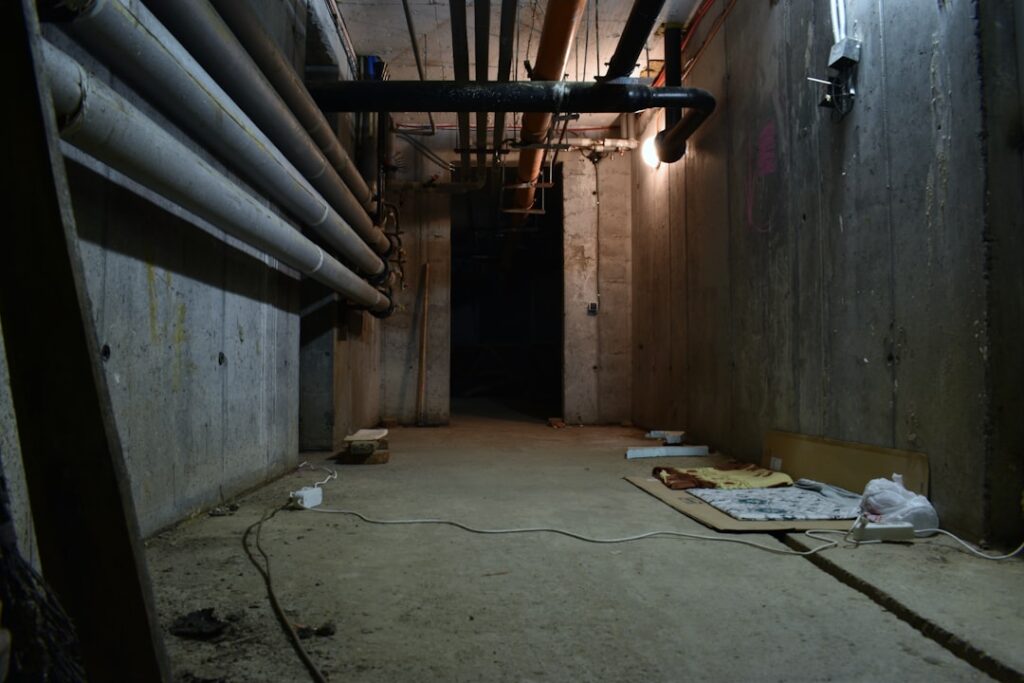
Basements collect the two things mold needs most: moisture and still air. A damp foundation wall, a leaking water heater, or a humid summer can turn a finished basement into a mold problem within days. Figuring out how to get rid of mold in a basement means treating the cause, not just the stain, because cleaning a wall while water still seeps behind it only buys a few weeks. Below the main floor, materials stay cooler, air moves less, and small leaks go unnoticed for months, which is why basement mold so often becomes widespread before anyone acts. This guide summarizes EPA and CDC guidance current as of 2026 and is educational only; consult your physician for health symptoms and a certified professional for testing or remediation decisions.
Part of our Mold Removal & Remediation guide — start there for the full picture →
Is this mold, asbestos, or water damage? Get a free instant screen
Upload a clear photo of the suspect area. You'll get an instant AI screening opinion and what to do next. This is screening guidance, not a professional determination.
Screening guidance only. AI can be wrong. Confirm asbestos, mold type, or lead with lab testing or a licensed professional before acting.
How to Get Rid of Basement Mold in Order of Operations
The sequence matters more than the products. Fix the moisture first, then clean, then dry, then prevent. Skipping straight to scrubbing is the most common mistake, and it is why mold so often comes back in the same spot. A clean wall over a wet foundation is just a clean wall waiting to mold again.
Start by finding the water. Walk the basement after a rain or snowmelt and look for damp foundation walls, condensation on cold pipes, a sweating concrete floor, pooling near the water heater, or staining that creeps upward from the base of a wall. The EPA is direct on this point: mold control is moisture control. Until the source is dry, any cleaning is temporary, no matter how thorough.
Once the source is handled, clean hard surfaces with detergent and water, remove and discard porous materials that have molded, dry the area completely with fans and a dehumidifier, and then put humidity controls in place so the conditions never return. Each of these steps builds on the last, and skipping any one of them tends to undo the others.
It helps to map the affected area before you begin. Knowing whether the mold sits on a small patch of concrete or spreads across drywall, insulation, and stored boxes tells you whether this is a weekend job or a project that warrants professional help.
Why Basements Are Mold-Prone in the First Place
Understanding why basements grow mold so readily makes the prevention steps feel less arbitrary. A basement is partly or wholly below grade, surrounded by soil that holds moisture, so its walls and floor sit against a constant source of dampness. Concrete and masonry are not waterproof; they wick moisture from the soil and release it slowly into the basement air, a process that continues quietly year-round.
Basements are also the coolest part of the house, and cool surfaces invite condensation. When warmer, humid air from upstairs drifts down and meets a cold foundation wall or a cold water pipe, it leaves moisture behind, the same way a glass of ice water sweats on a summer day. That condensation feeds mold even when there is no leak at all.
Add poor airflow, since basements are rarely well ventilated, and limited sunlight, and you have a space that stays damp longer than any room upstairs. Storage clutter makes it worse by blocking air movement and giving mold organic material like cardboard and fabric to feed on. Recognizing these built-in disadvantages explains why basement mold is so common and why moisture control, not just cleaning, is the real answer.
Protect Yourself Before You Clean
Disturbing mold sends spores into the air, and a basement’s poor airflow lets them linger. The EPA recommends at minimum an N-95 respirator, gloves, and goggles without ventilation holes when cleaning mold. A cloth or surgical mask does not filter spores adequately. Open any windows and run a fan exhausting toward the outside so you are not recirculating spores through the space while you work.
The CDC notes that people with asthma, mold allergies, or compromised immune systems can react more strongly to exposure and should avoid the work entirely. Symptoms can include nasal congestion, coughing, wheezing, and eye or skin irritation. If that describes you, ask a healthy household member to handle it or hire a professional. Keep the basement off-limits to children and pets during the job, and change out of your work clothes before rejoining the household so you do not carry spores upstairs.
Good lighting and stable footing matter too. Basements are often dim and cluttered, and you do not want to be balancing on stored furniture while scrubbing a wall in a respirator. Clear a work path before you start.
Cleaning Different Basement Surfaces
The right method depends on whether the material is hard or porous, because porous materials hold mold roots that scrubbing cannot reach.
Concrete and masonry walls
Concrete is non-porous enough to clean. Scrub with a detergent solution and a stiff brush, rinse, and dry thoroughly. White vinegar is a milder alternative that handles many mold spots without harsh fumes. Avoid sealing or painting over a wall that is still actively leaking; the coating will bubble and peel and the mold will return underneath, hidden from view until it spreads.
Drywall, paneling, and insulation
These are porous. The EPA advises discarding moldy porous materials that cannot be cleaned. Mold-stained drywall usually needs to be cut out and replaced, ideally a few inches past the visible growth, and wet fiberglass or foam insulation should be bagged and removed. Our guide to removing mold from basement walls walks through where to cut and how far to extend past the visible growth.
Carpet and stored belongings
Wet, moldy carpet and padding usually have to go, because the foam pad is nearly impossible to disinfect. Cardboard boxes, paper, books, and fabric that stayed damp are often not worth saving and act as a reservoir that reseeds the room. Hard plastic bins, glass, and metal can be wiped clean with detergent and reused. This is also a good moment to switch from cardboard to sealed plastic storage in any basement.
Drying the Basement So Mold Cannot Return
After cleaning, aggressive drying is what locks in the result. Run a dehumidifier continuously and aim to keep relative humidity below 50 percent. The EPA recommends staying under 60 percent at a minimum, but lower is safer in a basement where cool surfaces invite condensation. Position fans to move air across damp surfaces, and keep them running for a day or two after surfaces feel dry to the touch.
Check behind and beneath anything against an exterior wall. Trapped pockets of humidity behind shelving or furniture are where regrowth quietly starts, hidden from casual view. A cheap hygrometer left on a shelf gives you a running readout so you know whether the dehumidifier is keeping up across the seasons. If the reading climbs every time it rains, the foundation is still letting water in and the drying battle will never be won by the dehumidifier alone.
Drying the concrete itself takes longer than drying the air. Slabs and block walls release moisture slowly, so a basement can feel dry while the masonry still holds water that feeds mold at the base of walls. Patience during this phase prevents a fast repeat.
How to Tell Surface Mold From a Deeper Problem
Not all basement mold is equal, and reading the severity early saves wasted effort. Light surface mold on a concrete wall, the kind that wipes away and reveals clean masonry beneath, is usually a humidity problem you can clean and then control with a dehumidifier. It tends to appear as a thin, dusty film rather than thick, fuzzy growth.
Deeper trouble shows itself differently. Mold that bleeds out from behind baseboards, drywall that feels soft or cool and damp to the touch, a musty smell with no visible source, or staining that climbs a wall from the floor up all suggest water is moving through the structure rather than just condensing on the surface. Efflorescence, the white crystalline deposit on masonry, is another clue that water is passing through the wall and carrying minerals with it.
When the signs point deeper, opening the wall to inspect the framing and insulation behind it is often necessary, and that is frequently the moment to bring in a professional with moisture-mapping tools. Cleaning the visible surface of a wall that is wet inside accomplishes very little and can give a false sense of resolution.
The Front Range Moisture Picture
Colorado’s dry reputation hides a real basement mold risk. Spring snowmelt around Denver, Douglas, and Jefferson counties drives water against foundations, and clay soils hold that moisture against basement walls long after the surface ground looks dry. Window wells fill during storms, sump pumps fail, and finished basements trap the humidity that swamp coolers add upstairs in summer.
Because the upstairs air feels dry, homeowners often miss a slow basement leak until the smell or staining appears. If your basement grows mold more than once, treat it as a foundation-moisture or grading problem rather than a cleaning failure. Downspouts that dump next to the house and ground that slopes toward the foundation are frequent local culprits, and both are fixable from outside. The broader mold inspection and testing resource explains how inspectors use moisture meters and infrared to find the water you cannot see, and our piece on black mold in basements covers what the dark staining usually means.
Keeping a Basement Dry for the Long Term
Once the mold is gone and the basement is dry, the work shifts to keeping it that way, which is where most homeowners can prevent a repeat. Start outside. Extend downspouts so they discharge several feet from the foundation, clean gutters so they do not overflow against the house, and grade the soil to slope away from the walls. A surprising share of basement moisture problems are solved at the surface before water ever reaches the foundation.
Inside, a properly sized dehumidifier is the workhorse. Set it to hold relative humidity below 50 percent and check a hygrometer through the seasons, since summer humidity and winter heating both shift the indoor moisture load. Insulate cold water pipes to stop them from sweating, and make sure any basement bathroom or laundry vents to the exterior rather than into the space.
If the basement floods or seeps repeatedly despite these steps, the fix may be a sump pump, an interior drain, or exterior waterproofing, which are larger projects best evaluated by a professional. Matching the solution to the severity of the water problem is what finally ends the cycle of cleaning and regrowth.
When to Call a Professional
The EPA’s rule of thumb is to consider professional remediation when the moldy area is larger than roughly ten square feet, when contaminated water such as sewage was involved, or when mold is hidden inside walls or the HVAC system. Recurrent mold despite your best cleaning is another reason to bring in help, because it almost always means an unresolved water intrusion that needs diagnosis rather than another round of scrubbing.
A professional brings containment barriers, negative-air machines, and moisture diagnostics that DIY cleanup lacks, and they keep spores from spreading to the rest of the house during removal. For musty smells with no visible source, or for anyone with respiratory conditions in the household, the safer path is to have the basement assessed rather than guess. Knowing how to get rid of mold in a basement also means knowing when the job has outgrown a bucket and brush, and a damp basement is one of the more common places where it does.
References
- Mold Cleanup in Your Home — U.S. Environmental Protection Agency
- A Brief Guide to Mold, Moisture and Your Home — U.S. Environmental Protection Agency
- About Mold — Centers for Disease Control and Prevention
Frequently asked questions
What kills mold in a basement?
Detergent and water removes mold from hard surfaces like concrete, and white vinegar is a milder alternative. The EPA does not recommend bleach for routine household mold cleanup. The lasting fix is controlling the moisture that lets mold grow, not the cleaner itself.
Why does mold keep coming back in my basement?
Recurring mold almost always means an unresolved water source, such as a foundation seep, high humidity, or a slow leak. Cleaning treats the symptom; until the moisture is fixed, mold returns. A moisture meter or professional assessment can locate the source.
Is basement mold dangerous to breathe?
The CDC notes mold can cause respiratory symptoms, especially in people with asthma, allergies, or weakened immune systems. Healthy people may notice irritation. Use an N-95 respirator and ventilation when cleaning, and avoid the work if you have a sensitive condition.
When should I hire a mold professional for my basement?
The EPA suggests professional help when the moldy area exceeds about ten square feet, contaminated water was involved, or mold is hidden in walls or HVAC. Repeated regrowth and any musty smell without a visible cause are also good reasons to call.
Front Range homeowners dealing with a damp or musty basement can get in touch through our contact page to connect with a qualified local inspector who can pinpoint the moisture before mold spreads further.
Mold removal & cleanup picks
For a small, contained patch (under ~10 sq ft) these EPA-friendly removers handle surface mold. Larger or recurring growth warrants a professional assessment first.
| Product | Why | Buy |
|---|---|---|
 RMR-86 Instant Mold Stain Remover RMR-86 Instant Mold Stain Remover | Fast-acting on stains; ventilate and wear PPE. | Amazon |
 Concrobium Mold Control Concrobium Mold Control | No-bleach formula that also helps prevent regrowth. | Amazon — $12.81 |
 Mold Armor Mold & Mildew Remover Mold Armor Mold & Mildew Remover | Widely stocked bathroom/surface remover. | Amazon — $22.98 |