FHA Home Inspection Checklist: Appraisal Red Flags and Fixes
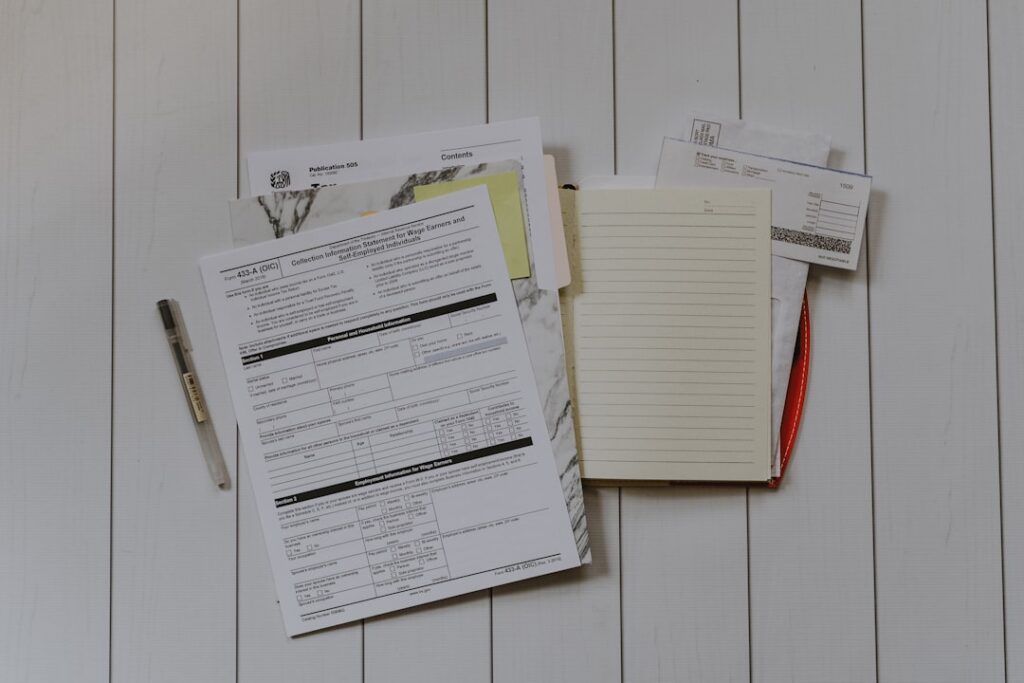
Buyers financing with an FHA-insured mortgage often look for an FHA home inspection checklist, expecting a list that an inspector will use to pass or fail the house. The process works a little differently. The FHA’s property review happens during the FHA appraisal, when an FHA-approved appraiser estimates value and notes whether the home appears to meet the Department of Housing and Urban Development’s minimum property standards. A home inspection is a separate, optional service the buyer hires to learn about the house in much more depth. Both matter, and they answer different questions. This guide explains the split, walks through the items appraisers most often flag, shows typical fixes in a table, and covers how the inspection fits around the appraisal for Colorado Front Range buyers. Program rules and lender overlays change, so confirm specifics with your loan officer.
Part of our Home Inspections Explained guide — start there for the full picture →
FHA Appraisal vs Home Inspection: Who Checks What
The FHA appraisal serves the loan. The appraiser’s job is to support the lender’s decision by estimating market value and observing whether the property appears safe, sound and secure enough to serve as collateral for a federally insured mortgage. HUD publishes the property standards appraisers apply; in general terms they ask whether the home is free of obvious health and safety hazards, structurally sound, and likely to stay marketable. When something falls short, the appraisal is commonly issued “subject to” repairs, and the lender expects those items corrected, re-inspected and cleared before closing.
A home inspection serves the buyer. The inspector is hired by the buyer, typically spends several hours on site, and reports on the visible condition of the roof, exterior, structure, plumbing, electrical, heating and cooling, interior, insulation and ventilation. The ASHI Standard of Practice, widely used by inspectors, defines that scope. An inspector does not pass or fail the home and does not decide whether the loan can close.
The Consumer Financial Protection Bureau describes the relationship plainly: a home inspection is different than an appraisal, but buyers generally need both. Its guidance also warns against buying a home without having it thoroughly inspected and notes that inspections are for the buyer’s protection. FHA buyers have historically been given a HUD notice, often titled “For Your Protection: Get a Home Inspection,” explaining that the appraisal is not an inspection; check with your lender for the current version of that disclosure. Our deeper explainer on FHA requirements for home inspection covers the paperwork side.
Why the distinction matters in practice
An appraiser may spend well under an hour looking at the property and reports only conditions that relate to the program standards. The appraiser may not test the furnace, run every faucet, open the electrical panel cover or walk the roof. A home can clear the FHA appraisal with a furnace near the end of its life, a slow drain leak, or an aging water heater. Those are the kinds of issues an inspector is more likely to find. Equally, the appraiser can flag an item the buyer never planned to repair, which then becomes a condition of the loan.
The FHA Home Inspection Checklist: Items Appraisers Commonly Flag
The following items come up again and again in FHA appraisals. Treat this as a general guide to the kinds of conditions that draw attention, not a reproduction of HUD’s handbook. Lenders can add their own requirements, and appraisers apply judgment.
Roof with remaining life
The roof generally needs to keep moisture out and have some remaining service life. Active leaks, missing or curling shingles across large areas, and multiple old layers can trigger a repair condition or a request for a roof certification. Hail-damaged roofs are a frequent Front Range issue.
Peeling paint in homes built before 1978
Deteriorated paint on a pre-1978 home is one of the most common FHA conditions because it may contain lead. EPA notes that lead-based paint for use in homes was banned in 1978, that it is usually not a hazard when in good condition, and that peeling, chipping, chalking or cracking lead-based paint is a hazard needing prompt attention. Sellers of most pre-1978 housing must also provide the federal lead disclosure and the “Protect Your Family From Lead in Your Home” pamphlet. Our guide to the lead-based paint disclosure year explains the 1978 cutoff.
Safe, working heat
The home typically needs a permanent heat source adequate for the living areas. Space heaters as the only heat, a furnace that will not fire, or visible combustion venting problems are common flags.
Electrical hazards
Exposed wiring, open junction boxes, missing cover plates, a damaged panel or evidence of overheating can lead to a repair requirement. The appraiser is not doing an electrical inspection, but obvious hazards get noted.
Water supply and sewage disposal
The home needs safe, potable water and a working sewage system. Utilities must be on so the appraiser can confirm basic function. A private well or septic system may require testing or inspection, depending on the lender and local rules.
Attic and crawl space access
Appraisers often need to look into the attic and crawl space, at least with a head-and-shoulders view. A sealed hatch, a crawl space blocked by stored items, or standing water underneath can delay the report.
Structural soundness and foundation
Significant foundation cracks, sagging framing, evidence of water damage or active moisture can trigger a request for a structural engineer’s letter. Minor shrinkage cracks usually do not.
Handrails, stairs and decks
Missing handrails on stairways, loose or broken treads, and decks or porches with deteriorated framing or railings are frequent safety conditions.
Well and septic distances
Where a property has both a private well and a septic system, the program and local health rules generally expect minimum separation distances between them and from property lines. Exact distances depend on local regulations and the lender; confirm them before relying on any number.
FHA Appraisal Items, Why They Get Flagged, and Typical Fixes
The table pulls the checklist together. The “typical fix” column describes common approaches, not guaranteed outcomes; the appraiser or lender decides what clears the condition.
| Item | Why flagged | Typical fix |
|---|---|---|
| Roof near end of life | Leaks or too little remaining life to protect the home | Repair damaged areas or replace; some lenders accept a roofer’s certification |
| Peeling paint, pre-1978 home | Possible lead-based paint hazard | Lead-safe scraping, stabilization and repainting by a certified renovator |
| No adequate heat | Home must have safe, permanent heat for living areas | Repair or replace the heating system; service and clean |
| Exposed wiring or open boxes | Shock and fire hazard | Licensed electrician installs covers, boxes and corrects defects |
| Utilities off or water unsafe | Appraiser cannot confirm function; potable water required | Turn utilities on; water test on private wells as required |
| Blocked attic or crawl access | Structure and moisture cannot be observed | Clear the access, open the hatch, remove stored items |
| Foundation or framing concerns | Structural soundness of collateral | Engineer’s evaluation and any recommended repairs |
| Missing handrails, unsafe stairs or deck | Fall hazard | Install handrails; repair treads, guards or deck framing |
| Broken windows or doors | Security and weather protection | Replace glass, repair locks and weatherstripping |
| Well and septic spacing | Contamination risk to water supply | Confirm distances with local health department; testing or system evaluation |
For rough cost ranges on many of these repairs, see our guide to home inspection repair cost estimates. Buyers comparing government-backed programs may notice the overlap with VA appraisal conditions; our article on what will fail a VA home inspection covers that program’s version of the same idea.
What a Home Inspection Adds for FHA Buyers
The appraisal answers a narrow question. A home inspection answers the buyer’s broader one: what condition is this house in, and what is likely to cost money soon? Under the ASHI Standard of Practice, an inspector examines roofing materials, flashing and roof drainage; exterior wall coverings, grading and drainage likely to affect the building; the foundation, floor, wall, ceiling and roof structure; interior water supply and drain systems; the electrical service, panels and a representative number of fixtures and receptacles; installed heating and cooling equipment; and insulation, ventilation and exhaust systems in accessible areas. The inspector reports items that are significantly deficient, unsafe or near the end of their service life.
For an FHA buyer, that wider view helps in three ways:
- Predicting appraisal conditions. If an inspection happens before the appraisal, the buyer and seller can address obvious items like peeling paint or a missing handrail before the appraiser arrives.
- Finding what the appraisal will not. Aging mechanical systems, small plumbing leaks, poor attic ventilation and drainage problems often fall outside the appraisal’s focus.
- Negotiating. Inspection findings support a request for repairs or a credit. Our guide on asking for a price reduction after a home inspection covers how to frame that request.
Add-on tests are worth considering on the Front Range. Radon testing is a common addition because much of the region has elevated radon potential, and sewer line scoping is common on older homes with clay or cast-iron laterals. Pricing for a standard inspection and add-ons is covered in our general inspection cost guide.
Confused by your home inspection report? Decode it free in plain English
Upload your inspector's PDF and get a plain-English summary, what actually matters, rough repair costs, and negotiation talking points. Educational only — not a professional re-inspection. Your file is analyzed and discarded, never stored.
Educational summary only. AI can be wrong and cost figures are rough estimates. This is not a professional re-inspection, appraisal, or legal/financial advice — confirm major items with your inspector or a licensed contractor.
Timeline: Fitting the Inspection Around the FHA Appraisal
A typical FHA purchase in Colorado runs something like this:
- Contract signed. The inspection objection deadline in the state’s standard contract is usually short, so book the inspector right away.
- Home inspection. Ideally within the first week. Attend if possible and ask questions on site.
- Objection and resolution. The buyer sends a repair request, the seller responds, and the parties negotiate.
- FHA appraisal ordered by the lender. Often after the inspection period, though timing varies.
- Appraisal conditions. If the report is “subject to” repairs, the seller (or sometimes the buyer, within program limits) completes them.
- Re-inspection or final. The appraiser or another approved party confirms the repairs, and the lender clears the condition.
The CFPB notes that if major repairs are needed, the lender can require they be made before closing as a condition of the loan, or may ask the buyer to put money into a special account to pay for the repair right after closing. Whether a holdback is available depends on the lender. Plan for weather: exterior painting and roof work can stall in a Front Range winter.
When the inspection and appraisal disagree
Occasionally the inspection report calls out a serious issue that the appraisal does not mention, or the appraiser flags something the inspector considered minor. That is not a contradiction; the two professionals are answering different questions with different time on site. The appraisal condition controls whether the loan closes. The inspection finding controls what the buyer may want to negotiate. If the buyer’s agent forwards the inspection report to the lender, the lender may choose to require additional repairs, so discuss that decision with the agent before sharing it.
Who pays for required repairs
Repair responsibility is negotiable. Sellers often pay to keep the sale on track, especially for modest items. Program and lender rules can limit how a buyer funds repairs on a property they do not own yet, so involve the loan officer before agreeing to anything.
Special Cases: Older Homes, Manufactured Homes and Rentals
Older homes. Pre-1978 houses in Denver, Lakewood, Aurora, Colorado Springs and Pueblo combine the lead-paint issue with older electrical systems, original sewer lines and aging roofs. An inspection before the appraisal is especially useful here, because several conditions can be resolved during negotiation rather than as last-minute loan conditions.
Manufactured homes. FHA financing for manufactured housing carries additional foundation and installation requirements, and lenders may require an engineer’s foundation certification. Our mobile home inspection checklist covers what inspectors look at on these homes.
Rental-assisted properties. Investors buying with FHA rules for multi-unit owner-occupied properties sometimes plan to rent units to voucher holders. Those units face a separate housing-quality inspection; our Section 8 home inspection checklist describes it.
For a closer look at how FHA’s property standards compare to a standard inspection report, see FHA standards for home inspection. Veterans comparing loan types may also want our VA home inspection cost guide.
Front Range Conditions That Often Surface in FHA Purchases
Local climate, housing age and geology shape which checklist items show up most often. None of these are unique to FHA loans, but they tend to collide with the appraisal standards in predictable ways.
Hail-damaged roofs
Spring hail is a regular event along the urban corridor from Fort Collins to Colorado Springs. A roof with widespread bruising, granule loss or cracked shingles may look serviceable from the street yet still draw a repair condition once the appraiser looks closely. When an inspector reports hail damage, sellers sometimes already have an open insurance claim; asking about it early can turn a contested repair into a scheduled replacement.
Older furnaces and boilers
Many mid-century homes in Denver, Englewood, Arvada and Pueblo still have older forced-air furnaces or hot-water boilers. The appraiser mainly cares whether the heat works and appears safe. The inspector goes further, noting rust, flame rollout signs, venting issues and age. A system that works on appraisal day but shows serious wear is a negotiation item rather than an FHA condition, which is exactly the kind of gap a home inspection fills.
Basements, crawl spaces and drainage
Clay soils across much of the Front Range expand when wet, and poor grading or short downspouts can send water toward the foundation. Efflorescence, damp crawl spaces and cracked basement walls draw attention from both the appraiser and the inspector. If moisture is active, the appraiser may want the source corrected; if a crack looks structural, an engineer’s letter may be requested.
Lead paint on pre-1978 housing stock
A large share of older neighborhoods along the Front Range were built before 1978. Exterior trim, window sashes, porch railings and garage doors are typical places for peeling paint. Because any disturbance of lead-based paint creates dust, stabilization work on those homes should be done by a certified renovator using lead-safe practices rather than a quick scrape-and-paint before the appraiser returns.
Radon
Radon is not usually an FHA appraisal condition, but elevated radon potential across much of Colorado makes a radon test a sensible add-on to the inspection. EPA’s Citizen’s Guide to Radon says EPA and the Surgeon General recommend testing all homes below the third floor, and it advises fixing a home when the level is 4 pCi/L or higher. In a purchase, results at or above that level are commonly negotiated as a mitigation credit or a seller-installed system. Because a short-term test runs for a few days with windows and outside doors kept closed as much as possible, schedule it at the start of the inspection period so results arrive before the objection deadline.
What Happens After a “Subject To” Appraisal
When an FHA appraisal comes back subject to repairs, the clock starts. The lender issues a list of conditions, and the buyer’s agent, listing agent and loan officer coordinate who will do what. A few practical points help keep the closing date:
- Read the exact wording. The appraiser describes each condition and sometimes the expected correction. Doing more than required is fine; doing less usually is not.
- Use qualified trades. Electrical work by a licensed electrician, lead paint stabilization by a certified renovator, and structural repairs per an engineer’s letter make the re-inspection simpler.
- Keep receipts and photos. The re-inspection is faster when the appraiser can match each condition to documentation.
- Budget for the final inspection fee. The follow-up visit is usually a separate, modest charge.
- Watch the rate lock. Repairs that drag on can push past a rate-lock expiration, so ask the lender about extension costs early.
If the seller will not complete required repairs, the buyer’s options depend on the contract. Some buyers renegotiate price, some switch to a different loan type with different property requirements, and some walk away under the appraisal or loan contingency. A home inspection report written before any of this happened gives the buyer a clear, independent record of the home’s condition to support whichever path makes sense.
How to Prepare the House Before the FHA Appraisal
Sellers who know an FHA offer is likely can reduce surprises with a quick pre-appraisal walk. Typical steps:
- Make sure all utilities are on and pilot lights lit.
- Clear access to the attic hatch, crawl space, electrical panel, water heater and furnace.
- Replace missing outlet and switch cover plates and close open junction boxes.
- Repair broken windows, loose handrails and damaged stair treads.
- On pre-1978 homes, have deteriorated paint stabilized using lead-safe work practices.
- Fix active leaks and remove any standing water in the crawl space.
- Gather records for roof age, furnace service, and well or septic tests.
Buyers can share this list with the listing agent once the inspection is done; it often aligns with the inspection objection anyway. More buying guidance is collected in our hiring process section, with fundamentals in the home inspection basics hub.
References
- Schedule a Home Inspection — Consumer Financial Protection Bureau
- Real Estate Disclosures about Potential Lead Hazards — U.S. Environmental Protection Agency
- ASHI Standard of Practice for Home Inspections — American Society of Home Inspectors
- A Citizen’s Guide to Radon (2016) — U.S. Environmental Protection Agency
Frequently asked questions
Does FHA require a home inspection?
No. FHA requires an appraisal by an FHA-approved appraiser, who checks the home against HUD's minimum property standards. A home inspection is optional but strongly recommended, and the CFPB notes buyers generally need both.
What is on an FHA home inspection checklist?
Items appraisers commonly flag include a roof with little remaining life, peeling paint in pre-1978 homes, missing or unsafe heat, exposed wiring, water or sewer problems, blocked attic or crawl access, structural concerns, missing handrails, and well and septic spacing.
Can a house fail an FHA appraisal for peeling paint?
Deteriorated paint on a home built before 1978 is commonly flagged because it may contain lead. The usual fix is lead-safe stabilization and repainting. On newer homes it is less of a safety concern.
Who pays for FHA-required repairs?
It is negotiated. Sellers often pay to keep the sale moving, but program and lender rules can limit what the buyer pays before closing, so check with the loan officer first.
Should the home inspection happen before the FHA appraisal?
Usually yes. An early inspection reveals likely appraisal conditions so they can be negotiated and fixed before the appraiser visits, which reduces last-minute delays.
Buying with an FHA loan somewhere along the Front Range? Reach out with the address and your contract dates and we can help schedule an inspection ahead of the appraisal.