Thermal Image Gun: A 2026 Guide for Homeowners
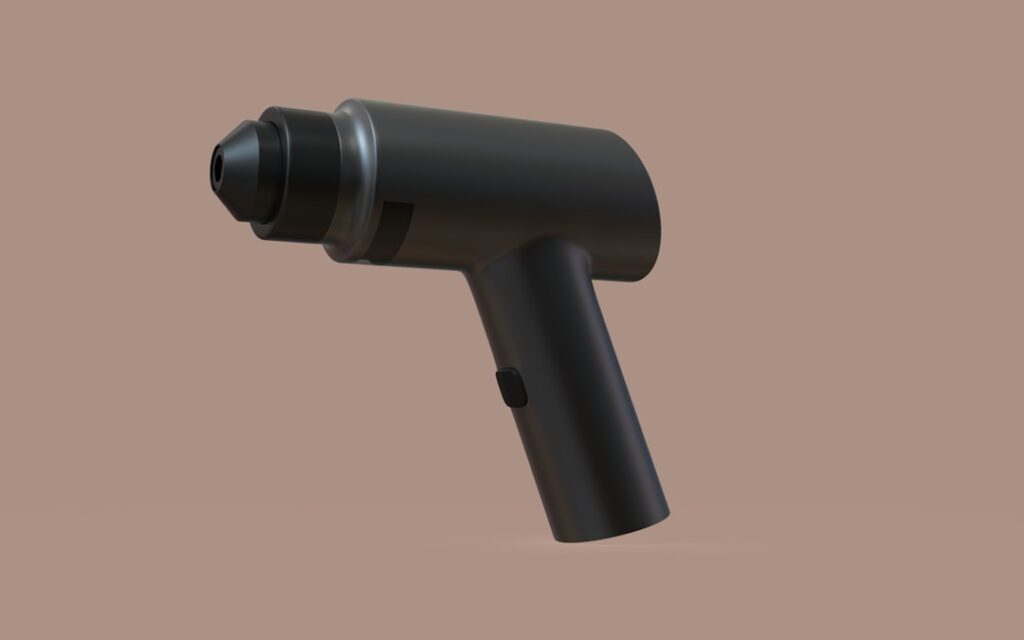
The phrase “thermal image gun” gets used in two different ways in the marketplace, and the distinction matters for buyers. Some shoppers mean a spot infrared thermometer (a pistol-grip tool that reads a single temperature point via a laser pointer). Others mean a small imaging camera in a pistol-grip form factor (something like a FLIR TG-series that captures a thermal image, not just a spot temperature). Both are useful, but they answer different questions. This guide walks through what each tool actually does, which one fits which use case, and what to look for in 2026 model lineups.
Part of our Thermal Imaging for Homes guide — start there for the full picture →
Spot thermometer vs imaging gun: which one do you mean?
A spot infrared thermometer (commonly called an IR thermometer or temperature gun) reads the temperature of a single point where the laser dot lands. It does not produce an image. It is fast, cheap (often under $50), and accurate for spot-check applications like HVAC duct surface temperatures, electrical equipment surface checks, and oven calibration. It does not show you the spatial distribution of temperatures around the spot.
An imaging gun (FLIR TG165, TG267, TG297, or similar) combines a spot thermometer with a small thermal imager in the same pistol-grip housing. The detector resolution is modest (typically 80×60 to 160×120), but the imager shows the temperature distribution around the spot rather than just a single number. This makes it dramatically more useful for finding the hot spot in the first place rather than guessing where to aim. Our overview of the FLIR gun lineup walks through the TG-series specifically.
What a thermal image gun is good at
Quick electrical scans
The classic use case. Walking past an electrical panel under load, a thermal image gun pointed at the breakers shows any thermal anomalies as warmer-color regions. A breaker running 20 degrees F hotter than its neighbors flags a connection issue or sustained overload that warrants electrician follow-up. The imager finds the hot one; the spot thermometer reads the exact temperature.
HVAC equipment
Supply and return register temperature checks, duct surface evaluation, refrigerant line temperature comparison, and water heater surface checks all benefit from the gun-style form factor. The pistol grip and trigger mean fast capture without fumbling, which matters when checking dozens of registers on a multi-zone system.
Plumbing leak hunting
A thermal image gun pointed along a wall or floor sometimes reveals warmer streaks where hot water pipes run or cooler streaks where water has soaked into materials. The imager is more useful here than a pure spot thermometer because the spatial pattern matters more than any single temperature reading.
Basic insulation checks
For homeowners wanting a quick check on whether attic insulation is reasonable rather than a full energy audit, a thermal image gun aimed at the ceiling on a cold winter day shows the rafter pattern (warmer where wood crosses the cold air space) clearly. Gaps in insulation between rafters show as warm streaks. This is not as thorough as a real thermal imager survey, but it answers basic questions quickly.
Appliance and engine diagnostics
Beyond residential building inspection, a thermal image gun is a useful general-purpose diagnostic tool around the garage and shop. Engine cylinder temperatures, exhaust manifold uniformity, motor housing temperatures, and bearing surfaces all reveal failure modes through thermal signatures. A car engine running with one cooler cylinder than the others suggests an ignition or fuel-delivery problem; a motor housing running 30 degrees F hotter than its sibling on the next machine suggests a bearing on the way out. Mechanics and equipment maintainers use thermal image guns for this kind of comparative diagnosis routinely, and homeowners with significant garage-mechanic activity find similar value.
What it is not good at
A thermal image gun typically has lower resolution and sensitivity than a dedicated thermal imager. The 80×60 detector in a FLIR TG165 is roughly half the pixel count of a 160×120 detector in a FLIR One Pro or Seek Compact Pro. For tasks where fine detail matters (locating subtle insulation gaps, fine-resolution moisture surveys, professional inspection documentation), the dedicated imager produces better results.
The gun-style form factor also handles awkwardly compared to a dedicated handheld imager for sustained inspection work. The pistol grip is fast for spot checks but tiring for systematic room-by-room surveys where the dedicated handheld’s two-handed grip is more comfortable. For more on the form-factor trade-offs, our coverage of FLIR handheld thermal instruments walks through the alternatives.
The FLIR TG-series in detail
TG165 / TG165X
Entry-level imaging gun. 80×60 detector, basic image capture, modest software. Priced around $400 to $500 new and frequently available used or refurbished. Good for casual homeowner electrical and HVAC checks; limited for systematic survey work.
TG267
Mid-range imaging gun aimed at HVAC and electrical pros. 160×120 detector, two-laser distance calculation, better software workflow, and a sturdier housing. Priced around $500 to $700. Better choice than the TG165 for working contractors who use the tool weekly.
TG297
Higher-temperature version aimed at industrial use (boilers, exhaust systems, hot machinery). Same 160×120 detector but rated for higher target temperatures. Overkill for most home use unless you have a specific high-temperature application.
Alternatives outside the FLIR lineup
HikMicro (a Chinese-headquartered competitor to FLIR with strong Western distribution) offers the Eco line at $200 to $400 with comparable specs to lower-end FLIR TG-series. Topdon and a handful of other Chinese brands offer similar form factors at lower prices, though long-term software support and warranty have been less proven than with FLIR. For one-time hobby use, the cheaper alternatives often work fine. For working contractor use, the FLIR ecosystem is usually worth the upcharge for software stability and accessory availability.
How to use a thermal image gun effectively
Three workflow steps make the tool more useful. First, set the emissivity if your specific gun supports it. Different surfaces (polished metal, painted wall, glass, water) emit infrared differently at the same actual temperature, and an emissivity setting calibrates the reading to the target type. Most consumer guns assume an emissivity of about 0.95 (typical paint/skin/most building materials), which is fine for most home use.
Second, account for reflection. Polished metal surfaces (stainless steel, aluminum) reflect infrared from surrounding sources rather than emitting based on their own temperature. Readings on shiny metal are often wrong by tens of degrees. Apply a strip of electrical tape to the surface and measure the tape if accurate readings on metal matter.
Third, work with adequate temperature differential. A thermal image gun pointed at a wall when indoor and outdoor temperatures are within 5 degrees F of each other shows almost nothing. Best results come during winter (large indoor-outdoor differentials) or after running HVAC at extreme settings to create artificial differentials.
Spot thermometer alone: when it is enough
For pure spot-check applications (cooking surface temperatures, HVAC supply temperatures at registers, single-point checks on electrical components), a $25 to $60 IR thermometer without the imager works fine. The Klein Tools IR1, Etekcity Lasergrip, and similar models all read temperatures accurately enough for non-laboratory applications. Save the upcharge for an imaging gun if you need spatial information; otherwise the simpler tool is more practical.
Buying decision framework
Ask three questions before committing. Do you need to find the hot spot or just confirm a temperature? Finding requires an image; confirming needs only a number. How often will you use the tool? Annually suggests rental or a cheaper IR thermometer; weekly suggests a TG-series investment. What is your target application? Pure electrical/HVAC use favors gun-style; whole-house surveys favor a dedicated handheld imager.
Renting versus buying
For one-time use, renting a FLIR TG-series or comparable imaging gun from a tool rental service at $40 to $75 per day usually beats buying. For ongoing weekly or monthly use, a TG165 or TG267 amortizes the cost quickly. For homeowners with a single suspected issue (one electrical hotspot to find, one suspected leak), rental is the cleaner economic choice.
Rental availability for imaging guns specifically (versus full handheld thermal imagers) is thinner than for the larger handheld category. Sunbelt and United Rentals tend to stock the FLIR E-series handhelds more reliably than the TG-series guns, partly because contractor demand skews toward the handheld form factor. Home Depot rental departments occasionally have a TG165 or TG267 available but availability varies by store. Phone the local rental desks before driving over. For one-off DIY use, a homeowner sometimes ends up renting a handheld FLIR E5 for the same daily rate as a TG-series gun would have rented at — and the handheld is usually the more useful tool for systematic survey work anyway. Confirm exactly what model is in stock before committing the trip.
Care, storage, and accessories
Imaging guns are sturdier than phone-attachment imagers but still benefit from careful handling. Avoid dropping the gun on its lens; the germanium optical glass on infrared lenses is more fragile than visible-light glass. Store the gun in its case with the lens cap on between uses, and avoid leaving it in a vehicle during Front Range summer heat or winter cold, both of which exceed typical operating ranges. A spare battery is worth buying with the gun itself; the rechargeable lithium packs in TG-series tools deplete during sustained electrical scans, and a backup keeps the work moving when the primary runs low. For shop use where the gun lives on a workbench, a magnetic mount or wall hook reduces drops and keeps the tool accessible.
References
- InterNACHI: Infrared Thermography Resources — International Association of Certified Home Inspectors
- ASHI: Infrared Thermography in Home Inspection — American Society of Home Inspectors
- ENERGY STAR: Seal and Insulate — U.S. Environmental Protection Agency (ENERGY STAR)
Frequently asked questions
What is a thermal image gun used for?
Quick electrical, HVAC, and plumbing temperature surveys where the spatial pattern of temperature matters. The pistol-grip form factor is fast for spot checks but less convenient for sustained whole-house survey work.
Is a thermal image gun the same as an IR thermometer?
No. An IR thermometer reads a single point and shows a number. A thermal image gun adds a small imager that shows the temperature distribution around the spot. Imaging guns cost more but find anomalies faster.
What resolution thermal image gun do I need?
160x120 (FLIR TG267 class) is the practical working threshold. 80x60 (FLIR TG165) is adequate for basic spot-checks. Below 80x60 the images are too blurry to be useful.
Should I buy a thermal image gun or a handheld imager?
Gun-style for fast spot checks (electrical panels, HVAC equipment, isolated hot spots). Handheld imager for systematic room-by-room surveys. Some inspectors carry both.
Thermal imaging cameras
Infrared cameras reveal hidden moisture, missing insulation, and air leaks. Phone-attachment models are the budget entry point; standalone units have higher resolution.
| Product | Why | Buy |
|---|---|---|
 FLIR ONE Pro (phone) FLIR ONE Pro (phone) | Plugs into iPhone/Android; inspector favorite. | Amazon — $349.00 |
 Topdon TC001 Topdon TC001 | High-res phone module at a low price. | Amazon — $199.99 |
 FLIR C5 Compact FLIR C5 Compact | Standalone pocket camera with Wi-Fi. | Amazon — $611.50 |