Shower Drain Hair Catchers: Types, Fit, and Clog Prevention
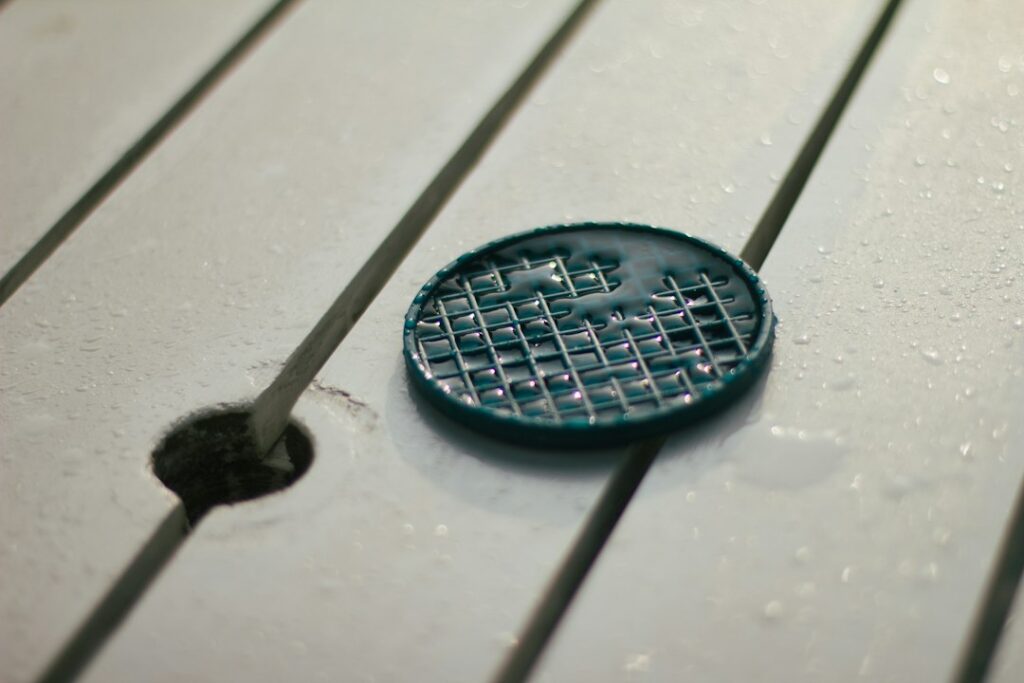
Hair is the single most common reason a shower drain slows down. Strands slip through the drain grate, catch on the crossbars or stopper parts below, and collect soap residue until water starts pooling around the feet. A simple hair catcher that traps strands before they enter the drain is one of the cheapest preventive fixes in any bathroom. This guide explains how hair clogs form, the main types of hair catchers, how to match one to the drain style, a practical cleaning routine, cautions about chemical drain cleaners, and the signs that a slow drain is a plumbing problem rather than just hair. It is written for homeowners and buyers along the Colorado Front Range, though the advice applies to most showers and tubs.
Part of our Plumbing & Water guide — start there for the full picture →
Why Hair Clogs Form
A single strand of hair rarely causes trouble. The problem is accumulation. Hair is long, flexible and slightly rough, so it tangles easily with other strands and wraps around anything it touches. Below most shower grates there is a crossbar, a strainer basket, a stopper mechanism or the bend of the trap, and each of these gives hair something to cling to.
Once a small tangle forms, it acts as a net. Soap scum, conditioner residue, body oils, skin cells and mineral deposits from hard water stick to the hair and to each other. Over weeks or months the mass becomes dense and slimy, and water has to squeeze past it. The result is the familiar slow drain, often accompanied by a musty or sour odor as organic material breaks down in the trap.
Factors that speed it up
- Long hair and heavy shedding: households with long hair, several people sharing one shower, or pets washed in the tub tend to clog faster.
- Bar soap and heavy conditioners: traditional bar soap can leave more residue, and oil-rich products coat hair and pipes.
- Hard water: many Front Range communities have moderately hard water, and mineral deposits can stiffen the buildup and roughen pipe walls.
- Drain design: grates with large openings, or drains with stopper mechanisms below, trap hair more readily.
A hair catcher interrupts this process at the start by holding strands above or just inside the drain opening, where they can be removed by hand in seconds.
Types of Shower Drain Hair Catchers
Hair catchers come in a few broad styles. The best choice depends on the drain, how much hair the household sheds and how often someone is willing to clean it.
Over-drain domes and mesh covers
A dome catcher sits on top of the existing grate. Water flows through slots or perforations around the sides and top, while hair collects on the surface. Some are solid metal with small holes, others use a fine stainless mesh. Domes are easy to see and clean because the hair stays on the outside. They work on most round drains, but they sit slightly above the floor, which some people find uncomfortable underfoot. A weighted base or suction cups help keep them in place.
In-drain stoppers and plugs
An in-drain catcher drops into the drain opening below the grate, or replaces the grate with a basket that sits inside the drain body. Some have a post or a coil that hair wraps around, and they are pulled out by a small handle to clean. In-drain styles are flush with the floor and less visible, but they hide the hair, so they are easier to neglect. They also need to fit the drain body diameter closely, or hair slips around the edges.
Silicone covers
Flexible silicone catchers are flat or slightly domed pads with slits or holes. They conform to slightly uneven floors and grates and can be rinsed or put through a dishwasher on the top rack. Silicone is gentle on finishes and inexpensive, but it can shift when stepped on, and very fine hair may pass through larger slits. Some flex designs grip the drain opening with a stem.
Flat and linear drain catchers
Linear or trench drains, common in curbless and walk-in showers, use a long narrow grate rather than a round one. Hair often passes through these grates and collects in the channel below or the outlet. Catchers for linear drains are usually narrow mesh strips or small baskets that fit into the channel or the outlet. Some linear drain systems include a removable hair trap at the outlet as part of the design. Flat catchers for square or tile-in drains follow a similar idea, sitting under or over the grate.
Materials and durability
Hair catchers are made mostly from stainless steel, plastic, silicone or a combination. Stainless resists rust and holds its shape, but lower grades can still show surface staining in a damp shower over time. Plastic is light and cheap but can crack, discolor or warp with hot water and cleaning products. Silicone stays flexible and is easy to clean, though it can tear if pulled hard. Finishes such as brushed nickel or matte black are mostly cosmetic. A catcher that matches the existing grate finish is less noticeable, but function matters more than looks.
Comparing the styles
- Easiest to clean: over-drain domes and silicone covers, because the hair stays visible.
- Least visible: in-drain baskets and linear channel inserts.
- Best for very fine hair: fine stainless mesh, whether as a dome or an insert.
- Most universal fit: silicone covers, which flex to suit many round drains.
Matching a Hair Catcher to the Drain
Fit matters more than the style. A catcher that rocks, slides or leaves gaps lets hair past and can become a tripping hazard. Before buying, check the drain type and measure.
Round grate drains
Most shower pans and tiled showers have a round drain with a screw-in or snap-in grate. Measure the outside diameter of the grate and the inside diameter of the drain opening if the grate can be removed. Domes need to cover the full grate. In-drain baskets need to match the drain body. The shower drain guide explains common drain bodies and how grates attach.
Square and tile-in drains
Square grates and tile-in drains, where a piece of tile sits in a frame with a gap around it, need a catcher sized to the frame or an insert that sits below the grate. Flat silicone pads may not seal well against a square edge. The shower drain cover guide covers replacement grates, including some with built-in hair traps.
Linear drains
Check the channel width and depth and the outlet position before buying a linear insert. Some systems are proprietary, and a generic insert may not seat properly. If the drain has a removable hair trap at the outlet, cleaning that regularly may be all that is needed.
Tub and shower combinations
Tubs usually have a stopper mechanism in the drain and a separate overflow opening on the end wall. Hair tends to collect around the stopper itself. Popular stopper types include toe-touch, lift-and-turn, push-pull and trip-lever designs, and some have a built-in hair basket. Over-drain domes generally do not fit tubs with a stopper in place, so tub catchers are often designed to replace the stopper or sit around it. The tub drain stopper guide explains the stopper types and how to remove them for cleaning. Hair and debris can also collect in the linkage behind the overflow plate on trip-lever tubs; the bathtub overflow drain guide covers that assembly.
A Practical Cleaning Routine
A hair catcher only works if it is emptied. Left alone, it becomes the clog. A simple routine keeps water flowing and odors down.
After each shower or every few days
- Lift or wipe the hair off the catcher with a tissue or paper towel and put it in the trash, not down the toilet.
- Rinse the catcher with hot water from the shower head.
Weekly or every other week
- Remove the catcher and scrub it with a brush and a little dish soap to remove soap film.
- Check under the grate or inside the drain opening for any hair that slipped past.
- Flush the drain with a few liters of hot tap water.
Monthly or as needed
- Remove the grate, if it unscrews or lifts out, and pull out any buildup with a plastic drain-cleaning strip or a small bent wire.
- Soak metal catchers in warm water with a little white vinegar to loosen mineral deposits, then rinse.
- Inspect the grate, stopper and catcher for damage, and replace anything bent or cracked.
Dealing with drain odors
A sour or musty smell from a shower drain usually comes from decaying hair and soap residue in the trap rather than the sewer. Cleaning the catcher and pulling out buildup below the grate often clears it. In a shower that is rarely used, such as a guest or basement bathroom, the water in the trap can evaporate and let sewer gas into the room. Running water for a minute every few weeks keeps the trap seal intact.
Plastic barbed drain strips, which are pushed down the drain and pulled back up with hair attached, are inexpensive and usually more effective than chemicals for a hair clog close to the opening. A small hand-crank drain snake can reach further into the trap.
Cautions About Chemical Drain Cleaners
Chemical drain openers are widely sold, and some work on light organic clogs. They also carry real risks, and they are often less effective on a dense hair mass than mechanical removal.
- Burns and fumes: many products are strongly caustic or acidic. Splashes can injure skin and eyes, and mixing different drain cleaners, or mixing a drain cleaner with bleach or other cleaners, can release dangerous gases.
- Standing chemicals: if the product does not clear the clog, the drain is left full of a hazardous liquid. Anyone who then plunges the drain or removes the trap may be splashed. Tell a plumber if a chemical has been used.
- Pipe and finish damage: repeated use can be hard on older pipes, rubber seals and some shower finishes.
Storage matters too. The U.S. Consumer Product Safety Commission’s poison prevention guidance recommends keeping chemicals and cleaning supplies safely stored in a locked cabinet or box and out of the reach of children, and keeping household chemicals in their original child-resistant containers. Bathroom cabinets are a common place for drain openers, so this advice applies directly.
For routine cleaning of catchers, grates and shower surfaces, milder products are usually enough. EPA’s Safer Choice program labels products that help consumers identify products with safer chemical ingredients, without sacrificing quality or performance, which can be a useful filter when choosing a bathroom cleaner.
When a Slow Drain Points to a Deeper Problem
A hair catcher prevents hair clogs. It does not fix problems in the rest of the drain system. Several signs suggest the issue is beyond the shower itself.
Slow drains throughout the house
If showers, tubs, sinks and toilets are all slow, or if several fixtures slow down at the same time, the restriction is probably in a shared branch line or the main building drain. Hair catchers will not help with that.
Gurgling and odors
Gurgling from the shower when a nearby toilet is flushed or a sink drains, or sewer odors from the drain, can point to venting problems. Plumbing vents let air into the drain system so water flows smoothly and trap seals are not siphoned. A blocked or damaged vent at the roof can cause slow drainage and noisy drains. The plumbing vent cap guide covers what is found at the roof and common problems.
Backups in the lowest fixtures
Water rising in a basement shower or floor drain when other fixtures are used is a classic sign of a restriction in the main sewer line. Tree roots, offset joints, sagging sections and deteriorated older pipe are common causes. A camera inspection of the sewer lateral can show what is going on; the sewer scope inspection cost guide explains what that involves.
Recurring clogs despite a catcher
If a shower with a well-maintained hair catcher keeps clogging, the trap or drain line may have buildup from years before the catcher was installed, a sag that holds debris, or a damaged section. A plumber can snake or camera-inspect the line.
What a Home Inspector Checks
A standard home inspection looks at drainage in a practical way. The ASHI Standard of Practice says the inspector shall inspect interior drain, waste and vent systems, including fixtures, and describe drain, waste and vent piping materials. In practice, inspectors run water at fixtures and watch for slow drainage, leaks and other visible problems. The same standard notes the inspector is not required to fill shower pans and fixtures to test for leaks, so a hidden pan leak may not be found in a basic inspection.
A slow shower drain noted in a report may be nothing more than hair, but a pattern of slow drains or gurgling is worth following up with a plumber or a sewer scope before closing. Buyers can review the plumbing and water hub for specialist options, and the main hiring process section explains how to choose and brief an inspector.
Hair Catcher and Drain Cleaning Costs
Prices vary by material, design, retailer and local labor rates. These rough ranges are for planning only:
- Silicone or plastic hair catcher: often under ten to fifteen dollars, sometimes sold in multipacks.
- Stainless mesh dome or in-drain basket: commonly in the range of roughly ten to thirty dollars.
- Replacement grate with built-in hair trap: often a little higher, depending on size and finish.
- Plastic drain-cleaning strips or a small hand snake: commonly a few dollars to around twenty-five dollars.
- Plumber visit to clear a shower clog: often a service-call minimum, commonly in the low hundreds of dollars, more for after-hours calls or difficult access.
- Sewer camera inspection: typically priced separately, often a few hundred dollars depending on access and length.
A hair catcher is one of the least expensive maintenance items in a home, and keeping it clean is far cheaper than a service call.
References
- Poison Prevention Information Center — U.S. Consumer Product Safety Commission
- Learn About the Safer Choice Label — U.S. Environmental Protection Agency
- ASHI Standard of Practice for Home Inspection — American Society of Home Inspectors
Frequently asked questions
What is the best type of shower drain hair catcher?
It depends on the drain and the household. Over-drain domes and silicone covers are easiest to clean because hair stays visible. In-drain baskets are less noticeable. Fine stainless mesh catches the finest hair.
How often should a hair catcher be cleaned?
Wipe hair off after each shower or every few days, scrub the catcher weekly or every other week, and pull the grate for a deeper clean monthly or as needed. A neglected catcher can become a clog itself.
Are chemical drain cleaners safe for shower drains?
They can work on light clogs but carry burn and fume risks, can be hard on older pipes, and leave hazardous liquid if they fail. Plastic drain strips or a small snake are usually safer and more effective on hair.
Why is the shower still slow with a hair catcher in place?
Older buildup in the trap, a sag in the drain line, a blocked vent or a main sewer restriction can all slow drainage. If several fixtures are slow or gurgling, a plumber or sewer scope is the next step.
Do home inspectors check shower drainage?
Under the ASHI Standard of Practice, inspectors inspect interior drain, waste and vent systems including fixtures. They typically run water and note slow drainage or leaks, but are not required to fill shower pans to test for leaks.
Seeing slow drains or gurgling in more than one bathroom of a home you are buying? Contact our team and we can point you to an inspector or plumber who can check the drain system.