Mold Remediation Greensboro: What Homeowners Know
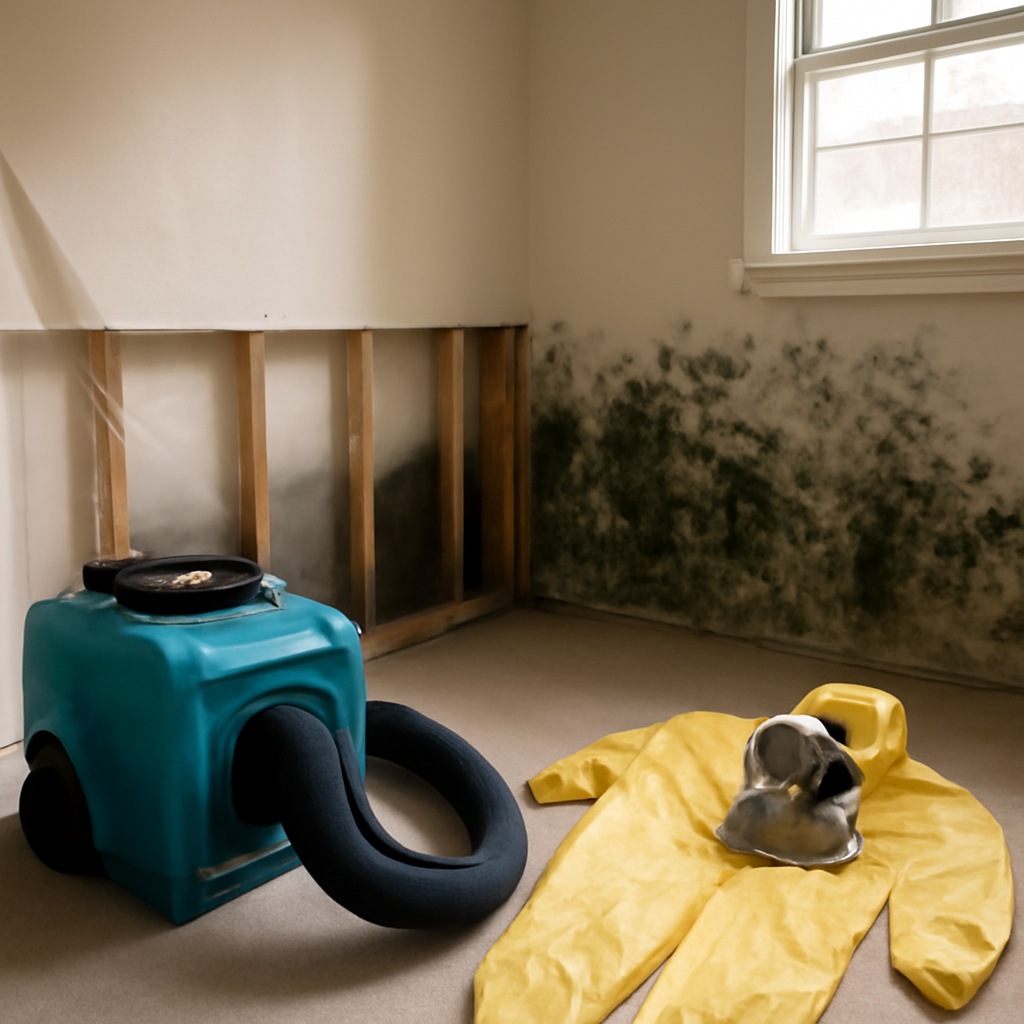
Greensboro sits in North Carolina’s Piedmont Triad, where humid summers and steady rainfall keep indoor moisture a year-round consideration. Damp basements, crawl space humidity, and storm leaks drive most local mold problems. Homeowners searching for mold remediation Greensboro services usually want to understand the process, the realistic cost, and how to choose a contractor who addresses the moisture rather than just the visible growth. This guide summarizes EPA and CDC guidance current as of 2026 and is informational only; consult your physician about symptoms and a certified professional for testing and remediation decisions.
Part of our Mold Removal & Remediation guide — start there for the full picture →
Is this mold, asbestos, or water damage? Get a free instant screen
Upload a clear photo of the suspect area. You'll get an instant AI screening opinion and what to do next. This is screening guidance, not a professional determination.
Screening guidance only. AI can be wrong. Confirm asbestos, mold type, or lead with lab testing or a licensed professional before acting.
What Mold Remediation in Greensboro Involves
Remediation removes mold growth and corrects the moisture that allowed it. The EPA underscores that cleaning without a moisture fix only delays the next outbreak. A capable Greensboro remediation follows a clear sequence.
- Assessment. The contractor identifies the water source and maps how far growth extends.
- Containment. Sheeting and negative air pressure keep spores from spreading during work.
- Removal. Saturated porous materials are cut out; hard surfaces are HEPA-vacuumed and wiped.
- Drying. Dehumidifiers and air movers restore normal moisture content.
- Verification. A final visual and moisture check confirms the area is clean and dry.
These steps align with our mold inspection and testing hub, which explains how each stage is documented.
What Causes Mold in Greensboro Homes
Piedmont summers are warm and humid, and the EPA recommends keeping indoor relative humidity below 60 percent to discourage growth. Several local patterns push homes past that line.
- Vented crawl spaces draw in humid outside air that condenses on cool surfaces.
- Basement moisture wicks through foundation walls and floors.
- Roof and gutter problems let storm water into attics and ceilings.
- HVAC condensation forms on cool ducts in muggy weather.
Finding the true source is the step homeowners most often skip. Cleaning a moldy crawl space without sealing it guarantees a repeat.
How Much Does Mold Remediation Cost in Greensboro?
Costs vary with size, location, and the repairs required. Industry estimates put small contained jobs in the few-hundred-dollar range, mid-size remediation in the low thousands, and major structural projects higher. Key factors include:
- Affected area. The EPA separates jobs under about ten square feet, often DIY-appropriate, from larger professional ones.
- Access. Crawl spaces and attics cost more to work in than open walls.
- Material replacement. Removing drywall, flooring, or insulation adds rebuild cost.
- Moisture correction. Crawl space encapsulation or drainage work is a separate expense.
Gather itemized written estimates from more than one company. Our guide to how long mold removal takes helps you judge a quoted timeline.
Do You Need Mold Testing First?
For visible mold, the EPA states sampling is usually unnecessary, because the cleanup is the same regardless of species. Testing helps in narrower cases: suspected hidden growth, documentation for a transaction, or an independent baseline tied to a health concern.
When testing is warranted, use an assessor who does not also perform the remediation, so findings are not shaped by who profits from cleanup. A company that mandates testing on every job and then bids the removal deserves a second opinion.
How to Vet a Greensboro Mold Remediation Contractor
North Carolina does not issue a dedicated mold remediation license, so the vetting is on the homeowner.
Certification and insurance
Favor IICRC-certified contractors carrying general liability and workers’ compensation coverage, with verifiable local references.
A clear scope
A trustworthy estimate names the affected areas, materials to remove, the containment method, and the moisture repair. Avoid vague flat-rate quotes.
Independent verification
The best projects include post-remediation verification, ideally by an independent party. For a fuller checklist, see our guide to a certified mold remediation contractor.
Health Considerations During Remediation
The CDC links damp, moldy environments to nasal congestion, throat and eye irritation, coughing, and stronger reactions in people with asthma or mold allergies. During the work, sensitive occupants should stay out of the containment zone until clearance confirms the area is clean. If symptoms persist after the home is dry, a physician should evaluate them.
Preventing Mold From Returning in a Greensboro Home
After remediation, prevention protects the work.
- Keep indoor humidity between 30 and 50 percent, using dehumidifiers in crawl spaces and basements.
- Encapsulate vented crawl spaces with a proper vapor barrier.
- Maintain gutters and downspouts to move roof water away from the foundation.
- Repair roof and plumbing leaks promptly.
- Ensure bathrooms and kitchens vent to the outside.
These measures cost far less than a repeat remediation and counter the moisture sources Piedmont homes face every season.
Why “Killing” Mold Is Not the Same as Removing It
A common misconception drives a lot of wasted money: the belief that spraying a biocide or bleach solution solves a mold problem. The EPA is explicit that the use of a biocide such as chlorine bleach is not recommended as a routine practice during mold cleanup. Dead mold can still cause allergic reactions and irritation, because the fragments and spores remain even after the organism stops growing.
Proper remediation physically removes the growth and the materials it has colonized, then corrects the moisture so it cannot return. Treatments that promise to “kill” mold in place, without removal and without a moisture fix, leave the underlying problem intact. For porous materials like drywall and insulation where growth has rooted, surface treatment cannot reach the colonized interior, which is why those materials are cut out rather than sprayed. Understanding this helps Greensboro homeowners spot a quote that relies on chemicals instead of correction.
How the Remediation Timeline Usually Unfolds
Homeowners often want a calendar, not just a process. While every job differs, a typical mid-size Greensboro project moves through recognizable phases. The first day or two cover assessment, moisture mapping, and setting containment. Active removal of contaminated materials follows, usually one to three days depending on how much drywall, insulation, or flooring must come out.
Drying is the phase that surprises people. Air movers and dehumidifiers may run for two to four days, longer given the humid Piedmont climate, because materials must return to a normal moisture content before rebuilding. Rushing this step traps moisture behind new drywall and seeds the next outbreak. Verification and any clearance check come at the end, followed by reconstruction handled either by the remediation firm or a separate contractor.
The scope of the moisture repair stretches this timeline. A roof that needs replacement or a crawl space that needs full encapsulation adds days or weeks before the home is truly dry. A contractor who promises a one-day fix for a significant problem is usually skipping the drying and verification that make the work last.
Insurance and Mold Remediation in North Carolina
Whether homeowners insurance covers mold remediation depends heavily on the cause. Most policies cover mold only when it results from a sudden, covered event, such as a burst pipe or storm damage that the policy already covers. Mold that develops from long-term humidity, deferred maintenance, or a slow undetected leak is frequently excluded.
Many policies also cap mold-related payouts at a set dollar limit even when coverage applies. Greensboro homeowners should review their declarations page and talk to their insurer before assuming a claim will be paid. Documenting the moisture event with photos and dated notes strengthens any claim. When a remediation firm offers to “handle the insurance,” treat that as a convenience, not a guarantee, and keep your own records of the cause and the scope of work.
Signs the Mold Problem Is Larger Than It Looks
Surface growth is sometimes the visible edge of a deeper problem. A musty odor that lingers after cleaning, discoloration that returns within days, warped or soft flooring, peeling paint, and staining on ceilings below upper floors all suggest moisture has reached materials you cannot see. Crawl space or basement humidity in particular can feed growth on the underside of subflooring long before anything appears in the living space.
When these signs appear, an independent assessment clarifies the true scope before money goes toward the wrong fix. Cutting out a few feet of stained drywall accomplishes little if the wall cavity behind it stays wet. Confirming the extent and the moisture source first is what separates a lasting repair from a recurring expense.
Questions to Ask a Greensboro Remediation Company
The conversation before hiring reveals a great deal about a contractor’s approach. A few direct questions separate the thorough from the opportunistic.
- What is the moisture source, and how will you fix it? A company that cannot answer this has not diagnosed the problem.
- How will you contain the work area? Expect a clear description of sheeting and negative air pressure.
- What materials will you remove versus clean? Porous, colonized materials should be removed, not merely treated.
- How will you verify the area is dry? Listen for moisture readings and a clearance step, not just a visual glance.
- Can you provide proof of insurance and recent references? Both should be available without hesitation.
Vague reassurance is a warning sign. A contractor confident in their process answers specifics readily and puts the plan in writing. Homeowners who treat the estimate as an interview, rather than a price comparison alone, tend to end up with work that actually lasts.
The Cost of Doing Nothing
Some homeowners delay remediation hoping the problem resolves on its own. Mold rarely cooperates. As a living organism feeding on building materials, it spreads as long as moisture is present, expanding the affected area and the eventual repair bill. What begins as a square foot of growth on a baseboard can reach the wall cavity, the subfloor, and the framing if the moisture continues.
Beyond the structural cost, persistent dampness invites secondary problems: wood rot, attracted pests, and degraded indoor air quality. Addressing a small, contained problem early is almost always cheaper than confronting a spread one later. Given the humid Piedmont climate, the moisture that feeds mold also undermines the materials around it, so acting promptly protects both health and the home itself.
None of these measures is exotic, and most cost little compared with a repeat job. The common thread is moisture: every prevention step works by denying mold the water it needs to grow. Homeowners who treat humidity control as ongoing maintenance, rather than a one-time fix, rarely face the same problem twice. A simple humidity gauge in a problem area gives early warning long before staining or odor appears.
When Homeowners Can Handle Mold Themselves
Not every spot of mold requires a remediation crew. The EPA considers areas of hard-surface mold smaller than roughly ten square feet, about the size of a small bathroom wall section, manageable for homeowners who take proper precautions. That means ventilating the area, wearing gloves, eye protection, and an N95 respirator, cleaning hard surfaces with detergent and water, and drying everything thoroughly afterward.
The limits matter, though. Porous materials like soaked drywall, carpet, and insulation usually cannot be salvaged and should be removed rather than scrubbed. Anyone with asthma, a mold allergy, or a weakened immune system should not perform the work and should have someone else handle it. Greensboro homeowners who discover that the growth is larger than expected once they start, or that it has spread into a wall cavity, should stop and call a professional rather than disturbing more of it.
The dividing line is both size and cause. Mold from clean-water leaks in a small area is often a do-it-yourself task. Mold following sewage backups, flooding, or persistent unidentified moisture belongs to professionals who can work safely and trace the source. Knowing which situation applies prevents both wasted effort and unsafe exposure.
References
- Mold Cleanup in Your Home — U.S. Environmental Protection Agency
- About Mold and Health — Centers for Disease Control and Prevention
- Mold and Your Health — National Institute of Environmental Health Sciences
Frequently asked questions
What causes mold in Greensboro homes?
Piedmont humidity, vented crawl spaces, basement moisture, roof and gutter problems, and HVAC condensation all add moisture. When indoor humidity climbs past the 60 percent the EPA recommends staying under, mold finds the conditions it needs to grow.
How much does mold remediation cost in Greensboro?
Small contained jobs often run a few hundred dollars, mid-size projects reach the low thousands, and major structural work costs more. Crawl space access, material removal, and moisture repairs drive the figure. Get itemized estimates from multiple firms.
Do I need a mold test before remediation?
Usually not when mold is visible, since cleanup is the same regardless of species. Testing helps with hidden growth, real estate documentation, or a health baseline. Use an independent assessor who does not also bid the cleanup.
How do I keep mold from returning?
Keep humidity between 30 and 50 percent, encapsulate crawl spaces, maintain gutters and drainage, fix leaks promptly, and vent bathrooms and kitchens outside. Correcting the moisture source is the only reliable prevention.
Front Range homeowners who want a vetted inspector to confirm the moisture source before remediation can get in touch through our contact page.