Asbestos Detection Kit: A 2026 Plain-Language Guide
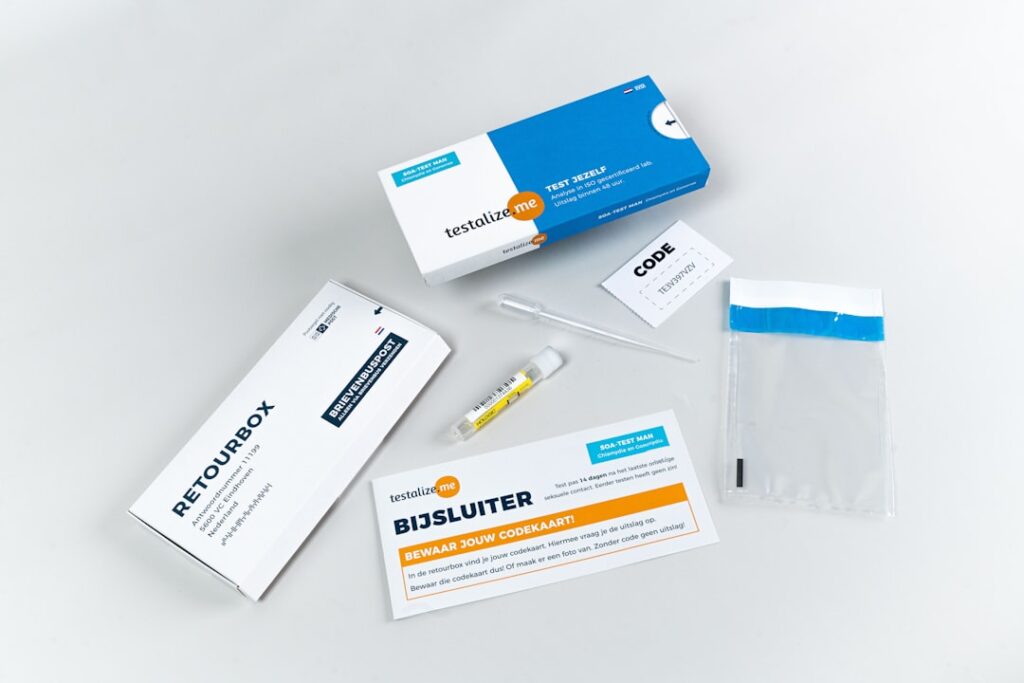
“Asbestos detection kit” is a slightly misleading product name. The kit doesn’t detect anything itself — it collects a sample safely and ships it to an accredited lab where the actual detection happens. The lab runs Polarized Light Microscopy or Transmission Electron Microscopy and returns a percentage-by-type result. For homeowners, that distinction matters because EPA does not endorse any consumer-grade field-test or color-change product for asbestos. This guide summarizes EPA, CDC, and OSHA guidance current as of 2026, explains how asbestos detection kits actually work, and lays out the line between reasonable DIY use and situations requiring a licensed asbestos professional. Consult a licensed asbestos professional before disturbing any suspect material.
Part of our Asbestos in the Home guide — start there for the full picture →
Is this mold, asbestos, or water damage? Get a free instant screen
Upload a clear photo of the suspect area. You'll get an instant AI screening opinion and what to do next. This is screening guidance, not a professional determination.
Screening guidance only. AI can be wrong. Confirm asbestos, mold type, or lead with lab testing or a licensed professional before acting.
What is an asbestos detection kit?
An asbestos detection kit is a packaged set of safety supplies — respirator, gloves, sealable bag, instructions — paired with a prepaid mailer to send a collected sample to an accredited laboratory. The lab does the analysis; the kit makes safe collection possible. Most kits ship with one or two PLM lab analyses included in the price. Additional samples cost $35–$75 each at PLM resolution or $150–$300 at TEM resolution.
What asbestos detection kits do not do: provide instant results. Color-change “field test” products marketed as asbestos detectors are not reliable and do not meet federal regulatory standards. The accredited lab analysis is the actual test. The asbestos and lead pillar guide covers the broader hazard framework for pre-1978 housing.
What does an asbestos detection kit typically include?
- One or more NIOSH-approved N95 or P100 respirators
- Disposable nitrile gloves
- A spray bottle (for wetting the material to suppress airborne fibers)
- A sealable plastic bag or screw-top vial
- A chain-of-custody form addressed to the partner NVLAP-accredited lab
- A prepaid mailer (typically USPS or FedEx)
- Written sampling instructions, ideally material-specific
- Prepaid analysis for one or two samples
Better-quality kits include material-specific sampling instructions because the technique differs for tile, ceiling, pipe insulation, and siding. The test sample collection guide walks through each scenario.
How much does an asbestos detection kit cost in 2026?
- Basic kits ($20–$35): safety supplies and mailer only; lab analysis billed separately at $35–$75 per sample
- Mid-range kits ($40–$75): includes one or two PLM lab analyses
- Premium kits ($75–$150): multiple samples, faster turnaround, sometimes optional TEM analysis
For a single intact suspect material before renovation, a mid-range kit usually offers the right balance of cost and certainty. The asbestos test kits comparison walks through specific product tiers.
When is an asbestos detection kit a reasonable choice?
DIY sampling is reasonable for:
- Hard, non-friable materials in good condition (intact vinyl tile, intact siding shingle, sealed joint compound)
- Small, discrete samples that can be collected with minimal disturbance
- Pre-renovation decision-making on whether to abate or leave-in-place
- Accessible, single-story sampling locations
It is not reasonable for:
- Friable materials (crumbling pipe insulation, damaged ceiling tile, deteriorating mastic)
- Vermiculite attic insulation (sampling without containment risks contamination spread; the Libby, Montana contamination history makes this a near-automatic pro call — see the vermiculite insulation guide)
- HVAC duct insulation (sampling can spread fibers through the duct system)
- Already-disturbed materials
- Whole-home assessments (one sample doesn’t characterize an entire house)
- Insurance, legal, or real estate documentation purposes
The DIY vs professional decision guide covers the threshold in more detail.
How to use an asbestos detection kit safely
- Clear the area. Remove people, pets, and food items. Close HVAC vents in the room.
- Don PPE. Respirator (verify fit), nitrile gloves, and disposable coveralls if available.
- Mist the material. Fine water spray on the sample area. Wet fibers don’t aerosolize the way dry fibers do.
- Collect minimally. A pea-sized piece. Slice or chip carefully — avoid grinding, sanding, or excessive breakage.
- Seal immediately. Place directly in the supplied bag or vial. Label per chain-of-custody. Double-bag if instructed.
- Decontaminate. Damp paper towel wipe of the sample area. Bag the towel and PPE. Wash hands thoroughly.
- Mail same day or next business day. Complete the chain-of-custody form and drop in the prepaid envelope.
EPA and OSHA guidance for residential sampling underscores that wetting and minimal disturbance are the two most important practices for keeping fibers contained.
What an asbestos detection kit cannot tell you
- Whether other materials in your home contain asbestos (only the sample submitted)
- Whether airborne fibers are present in the home’s air
- Whether disturbed material has released fibers into adjacent rooms
- The proper abatement approach for a positive result
- Whether your state requires licensed contractors for removal
Air sampling — necessary after disturbance or during/after abatement — uses cassette equipment, calibrated airflow, and PCM/TEM analysis by a licensed industrial hygienist. That is outside any consumer detection kit’s scope.
Reading lab results from an asbestos detection kit
An NVLAP-accredited lab report typically includes:
- Sample ID and chain-of-custody reference
- Analytical method (PLM, TEM, or both)
- Percentage of asbestos by type: chrysotile, amosite, crocidolite, anthophyllite, tremolite, actinolite
- Other components identified (cellulose, fiberglass, calcium carbonate, gypsum)
- Detected/not-detected statement
EPA treats any material containing more than 1% asbestos as “asbestos-containing material” (ACM) under federal regulation. The 1% threshold triggers regulatory handling for renovation or demolition. For non-friable materials with borderline PLM results, follow-up TEM analysis is often recommended because PLM has known under-reporting issues with vinyl floor tile. The PLM vs TEM method comparison explains when each is appropriate.
Where consumer asbestos detection kits fall short
Single-sample limitation
One sample tells you about one material. A home renovation often involves multiple suspect materials — flooring, ceiling, joint compound, pipe wrap, siding — and characterizing all of them requires multiple samples or a professional inspection.
No air analysis
If the material has already been disturbed or is showing fiber-release signs, the relevant question is not “is this asbestos?” but “are fibers airborne in the breathing zone?” That requires air sampling, not bulk sampling.
No documentation weight for regulatory purposes
For insurance claims, real estate disclosure, or contractor work permits, a licensed inspector’s report typically carries the weight that homeowner-collected samples do not. Some jurisdictions explicitly require licensed inspection before abatement.
No abatement planning
A positive result tells you what’s there. It doesn’t tell you whether to encapsulate, enclose, or remove — those decisions depend on material condition, location, friability, and renovation plans. A licensed asbestos professional or industrial hygienist makes the abatement recommendation.
When to skip the kit and hire a licensed inspector
The DIY-vs-pro line shifts based on risk and project scope:
- Renovation or demolition involving multiple potential ACMs
- Visible friable material or recent disturbance
- Vermiculite attic insulation
- HVAC duct insulation
- Insurance, legal, or real estate documentation
- Any case where a respiratory-vulnerable household member would be in the area during sampling
Licensed inspector pricing for a multi-material home survey typically runs $300–$600. Air sampling adds $150–$400 per sample location. The InspectandTest editorial methodology page covers how we frame DIY-vs-pro decisions for health-adjacent topics.
Common pitfalls with asbestos detection kits
Trusting field-test or color-change kits
EPA does not endorse any consumer field-test product for residential asbestos. A kit promising instant on-site detection without lab analysis is selling a result that does not meet federal regulatory standards. The accredited lab analysis is the actual test.
Skipping closed-area protocol
Closing HVAC vents in the sampling room and clearing the area of people and pets isn’t bureaucratic overhead — it prevents fiber spread through the duct system and protects vulnerable household members. Skipping this step turns a controlled sampling event into a contamination risk.
Reusing PPE between samples
Each sample collection event uses its own gloves and (ideally) a fresh respirator. Reusing PPE across multiple sampling points cross-contaminates the work area and can carry fibers into adjacent rooms. Disposable supplies are inexpensive; the right answer is to replace them.
Sampling damaged or already-disturbed material
If the material is already broken, deteriorating, or partially removed, the relevant question shifts from “is this asbestos?” to “are fibers airborne in the breathing zone?” That requires air sampling by a licensed industrial hygienist, not bulk sampling by a homeowner.
Ignoring the chain-of-custody form
The chain-of-custody form is what ties the physical sample to a legally defensible result. Skipping fields, mislabeling the sample, or shipping without the form makes the lab result harder to interpret and useless for regulatory documentation purposes.
Bottom line on asbestos detection kits
For a single intact material — an old vinyl floor tile, a popcorn ceiling section, an intact siding shingle — a quality asbestos detection kit paired with an NVLAP-accredited lab is a reasonable and affordable way to get a definitive answer before renovation. Total cost typically lands at $40–$100 per sample. For friable, deteriorating, or widespread materials, the kit is the wrong tool and a licensed asbestos professional is the right one.
References
- EPA: Learn About Asbestos — Environmental Protection Agency
- CDC NIOSH Asbestos Topic Page — Centers for Disease Control and Prevention
- OSHA Asbestos Standards — Occupational Safety and Health Administration
- EPA: Protect Your Family from Asbestos — Environmental Protection Agency
Frequently asked questions
Does an asbestos detection kit give instant results?
No. The kit collects a sample, which is then mailed to an accredited lab for analysis. PLM results typically take 5–10 business days; rush analysis (24–48 hours) is often available for an additional $25–$75 per sample.
Are color-change asbestos detection kits reliable?
No. EPA does not endorse any field-test or color-change product for residential asbestos identification. The accredited lab analysis (PLM or TEM) is the standard. If a product claims instant on-site asbestos detection, treat the claim with skepticism.
Can I test multiple materials with one asbestos detection kit?
Most basic kits include one or two sample analyses. Testing additional materials requires additional samples and additional lab fees ($35–$75 per PLM sample). For more than three or four materials, a professional inspection is often more cost-effective.
What happens if my asbestos detection kit result is positive?
A positive result (over 1% asbestos by federal definition) means the material is asbestos-containing. The next steps depend on condition and renovation plans: encapsulation, enclosure, or removal by a licensed abatement contractor. Consult a licensed asbestos professional before any disturbance.
Front Range homeowners deciding whether an asbestos detection kit or a licensed inspector fits their situation can reach out through our contact page for a referral to a vetted local professional.