AmeriSpec Home Inspection Service: A Review
AmeriSpec Home Inspection Service: A Review
AmeriSpec home inspection service is one of the better-known national franchise brands in the home inspection industry, and homebuyers often wonder how a recognizable franchise compares with hiring an independent local inspector. This editorial review approaches that question neutrally, looking at what a national franchise model offers structurally rather than endorsing or criticizing any single company. The reality is that the quality of any inspection depends far more on the individual inspector’s training, certification, and diligence than on the brand on the business card. Professional bodies like the American Society of Home Inspectors (ASHI) and the International Association of Certified Home Inspectors (InterNACHI) provide the standards and credentials worth focusing on, whichever route you choose.
Part of our Home Inspections Explained guide — start there for the full picture →
What a National Franchise Model Offers
Franchise brands operate by licensing a recognized name, standardized processes, and marketing support to local operators. From a buyer’s perspective, that structure carries several general implications worth understanding.
Brand Recognition and Consistency
A national brand offers familiarity, which some buyers and agents find reassuring. Franchises often standardize report formats and procedures across their network, so a buyer may encounter a similar experience regardless of location. This consistency can be a genuine convenience, particularly for those relocating across regions.
Marketing and Availability
Franchises typically invest in marketing and may offer easy online scheduling and broad availability. For buyers who value a streamlined booking process and a well-advertised point of contact, that infrastructure has practical appeal.
The Individual Inspector Still Matters Most
Even within a franchise, the person performing your inspection is a local operator or employee whose individual skill varies. A respected brand does not guarantee that the specific inspector assigned to your property is highly experienced, so the same vetting questions apply as with any inspector.
What Independent Inspectors Offer
Independent inspectors run their own businesses without a franchise affiliation, and that model has its own strengths.
Direct Accountability
With an independent, the person you hire is the person whose reputation rides on every inspection. Many independents build their business entirely on referrals and word of mouth, which can translate into strong personal accountability for quality and communication.
Local Knowledge
A long-established local inspector often has deep familiarity with regional construction styles, common defects, and climate-related issues in the area. That accumulated local knowledge can be valuable when evaluating older homes or region-specific problems.
Pricing and Flexibility
Without franchise fees, some independents price competitively, and many are flexible in tailoring services. Pricing varies in both directions, however, so cost should not be the deciding factor on its own.
Franchise Versus Independent: The Honest Comparison
Neither model is inherently superior. A franchise offers brand consistency, marketing polish, and easy scheduling, while an independent offers direct accountability and often deep local knowledge. In both cases, outcomes hinge on the individual inspector. A skilled, well-certified inspector delivers a thorough inspection whether they wear a franchise badge or operate solo, and an inexperienced one delivers a weaker inspection regardless of affiliation. The brand is a starting filter, not a guarantee.
How to Vet Any Home Inspector
Because the individual matters most, the smart approach is to vet the inspector directly, using the same checklist for franchise and independent candidates alike. ASHI and InterNACHI both publish guidance on choosing a qualified inspector.
Check Credentials and Standards
Confirm the inspector holds appropriate certification and follows a recognized standard of practice, such as those published by ASHI or InterNACHI. Ask about their training, continuing education, and how long they have been inspecting.
Review a Sample Report
Ask to see a sample report. A strong report uses clear language, supports findings with photographs, and separates safety hazards from routine maintenance. The quality of the report reflects the quality of the work.
Ask About Scope and Insurance
Confirm what the inspection covers, whether ancillary services are available, and that the inspector carries appropriate insurance. Clarify whether you can attend the inspection, which reputable inspectors generally encourage.
Seek Reviews and Referrals
Look at independent reviews and ask for references. Real estate agents can suggest names, though it is wise to choose an inspector who works for you rather than one with divided loyalties in the transaction.
How Franchise Standardization Actually Works
Franchise networks typically provide their local operators with standardized report formats, procedural checklists, branding, marketing support, and sometimes training resources. For a buyer, this can translate into a predictable experience and a consistent-looking report regardless of which franchise location they hire. The standardization is genuinely useful for consistency, but it operates at the brand level. The depth and accuracy of any individual inspection still depend on the skill and diligence of the specific person performing it, which the brand framework supports but cannot guarantee.
The Variability Within Any Network
Even with shared standards, the inspectors within a franchise network vary in experience and thoroughness, just as independents do. A buyer hiring through a national brand is ultimately hiring a particular local operator. Asking about that individual’s certification, experience, and approach matters as much within a franchise as outside it.
Cost Considerations Across Models
Pricing does not follow a simple franchise-versus-independent rule. Franchises may price to reflect their brand and marketing overhead, while independents range from budget operators to premium specialists. Rather than assuming one model is cheaper, buyers should compare specific quotes alongside what each inspection includes. A meaningfully lower price sometimes signals a faster, less thorough inspection, regardless of whether it comes from a franchise or an independent, so value matters more than the headline fee.
Questions That Cut Through the Branding
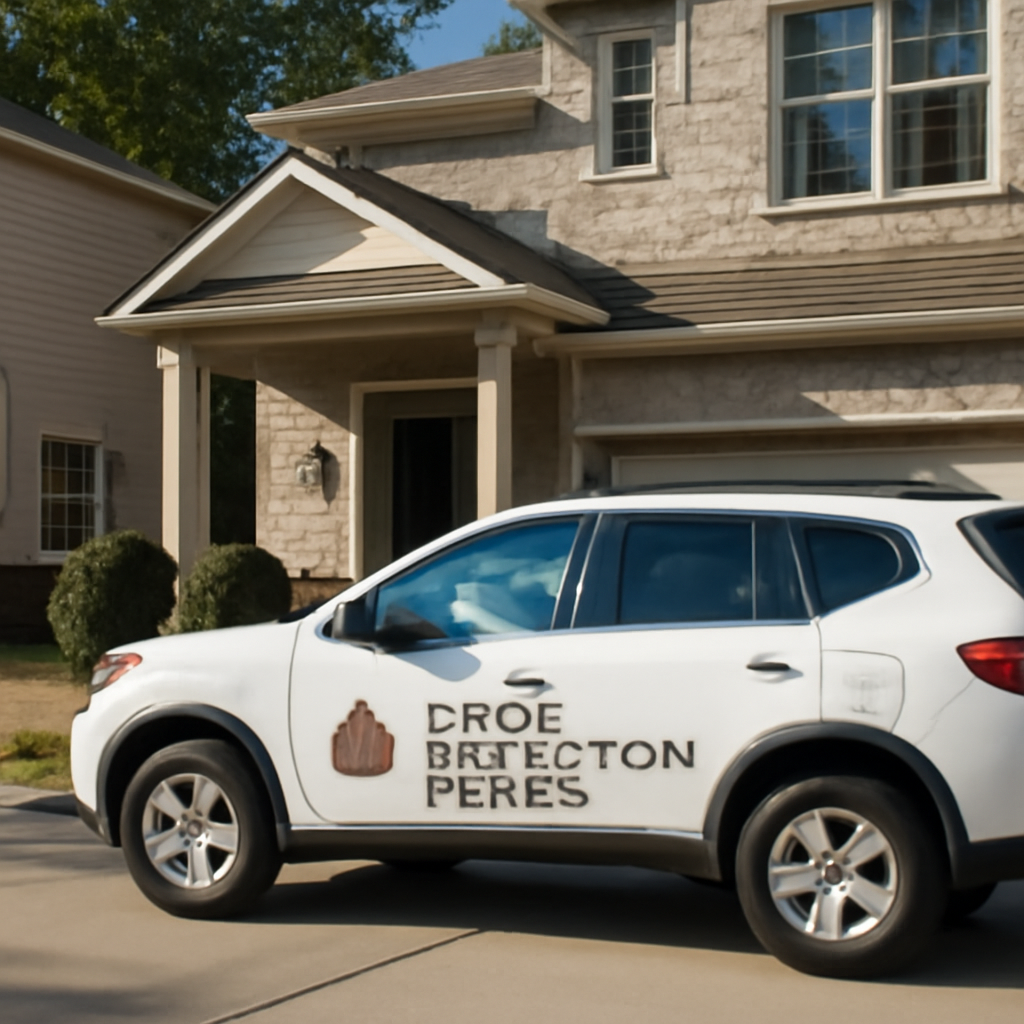
The most reliable way to evaluate any inspector, franchise or independent, is to ask pointed questions. How long has this specific inspector been working? What certifications do they hold, and which standard of practice do they follow? May I see a sample report? What does the inspection include, and what ancillary services are available? May I attend? Do you carry insurance? The answers reveal far more about the quality you will receive than the name on the truck, and they apply identically across both models.
Why Attending the Inspection Helps
Whatever model you choose, attending the inspection lets you see the inspector’s thoroughness firsthand, ask questions in real time, and understand findings in context. Reputable inspectors in both franchise and independent settings generally welcome client attendance. A reluctance to let you attend is a useful warning sign regardless of brand.
What the Inspection Should Cover Regardless of Brand
Whether you hire a franchise or an independent, a competent general inspection covers the same core systems, and knowing the scope helps you judge any provider. A thorough inspection evaluates the readily accessible portions of the roof and exterior, the structure and foundation, the electrical system, the plumbing, the heating and cooling equipment, and the interior including insulation and ventilation. The inspector documents findings in a written report, typically with photographs. Specialized concerns such as detailed mold, radon, or sewer evaluation usually fall outside a general inspection and require separate testing, a distinction that holds true for franchise and independent inspectors alike.
Understanding the Limits
A general inspection is a visual evaluation of accessible components, not a guarantee or a code-compliance certificate. Inspectors do not move furniture, dismantle systems, or assess concealed areas, and they recommend further evaluation by a specialist when a condition exceeds the general scope. Recognizing these limits, which apply to every inspector regardless of brand, sets realistic expectations and prevents disappointment.
How Reviews and Referrals Help You Choose
Because the individual inspector matters most, third-party signals are valuable for both franchises and independents. Independent online reviews can reveal patterns in thoroughness, communication, and reliability that a brand name alone does not convey. References from past clients offer direct insight into the experience. Real estate agents can suggest names, though buyers are generally best served by an inspector who works for them rather than one with divided loyalties in the transaction. Weighing these signals alongside credentials gives a fuller picture than reputation by brand or by independence alone.
Red Flags Worth Watching
Some warning signs apply across all models. Reluctance to provide a sample report, discomfort with client attendance, vague answers about certification or insurance, and pricing far below the local norm can all signal a less thorough inspection. These red flags are worth heeding whether they appear at a national franchise location or with an independent operator, since they speak to the individual inspector’s professionalism rather than the brand.
Where Brand Recognition Genuinely Helps
It would be unfair to dismiss the value a national brand can provide. For buyers unfamiliar with the inspection process, especially first-time buyers or those relocating to an unfamiliar area, a recognizable name offers a reassuring starting point and a clear path to scheduling. Franchises often invest in customer-facing infrastructure like online booking, responsive scheduling, and standardized communication that some independents cannot match. For buyers who value convenience and predictability, these are real benefits. The key is to treat brand recognition as a helpful convenience layered on top of the individual inspector’s qualifications, not as a substitute for checking them.
When an Independent May Serve Better
Conversely, buyers who prioritize deep local knowledge, direct accountability, and a personal relationship with the inspector who actually performs the work may find a well-established independent a better fit. A long-tenured local inspector often knows the regional construction styles and common defects intimately. Neither choice is universally right; the better fit depends on what a particular buyer values most.
Matching the Choice to the Property
The type of property can also tip the decision. An older or unusual home may benefit from an independent inspector with specialized experience in that construction era, while a standard suburban home in an unfamiliar area might be well served by a franchise’s consistent process and easy scheduling. Considering the specific property alongside your own priorities, rather than choosing a model in the abstract, leads to a better-matched inspection.
Putting Brand and Inspector in Perspective
The most useful way to think about the franchise-versus-independent question is to separate two layers: the brand and the inspector. The brand sets expectations for consistency, scheduling, and report format, and a national franchise like AmeriSpec brings recognizable standardization to those elements. The inspector, the actual person evaluating the home, determines the depth and accuracy of the findings. A strong inspector under a franchise banner and a strong independent both deliver excellent inspections; a weak inspector delivers a poor one regardless of affiliation. Keeping these two layers distinct lets a buyer appreciate what the brand offers while focusing the decisive scrutiny on the individual who will do the work.
Making Your Decision
Choose based on the individual inspector’s qualifications, communication, sample report quality, and reputation, not the logo alone. A national franchise like AmeriSpec can be a perfectly good choice when the assigned inspector is well-qualified, just as a strong independent can be. Use the brand as one data point and the inspector’s credentials as the decisive one. To go deeper on the profession, see our home inspector hiring hub, our guide on how to become a home inspector, and what to expect from a report in our home inspection checklist.
Frequently Asked Questions
Frequently asked questions
Is a franchise like AmeriSpec better than an independent inspector?
Neither is inherently better. Franchises offer brand consistency and easy scheduling, while independents offer direct accountability and local knowledge. Inspection quality depends most on the individual inspector's training and diligence.
What should I look for in any home inspector?
Confirm certification and adherence to a recognized standard of practice, review a sample report, ask about scope and insurance, and check reviews and references. ASHI and InterNACHI publish guidance on choosing one.
Does a national brand guarantee a good inspection?
No. Even within a franchise, the assigned inspector is a local operator whose skill varies. A recognizable brand is a starting filter, not a guarantee of the specific inspector's quality.
How do I judge the quality of an inspector's work?
Review a sample report. Strong reports use clear language, support findings with photos, and separate safety hazards from routine maintenance, reflecting the thoroughness of the inspection itself.