Amerispec Home Inspection Services: Franchise Context
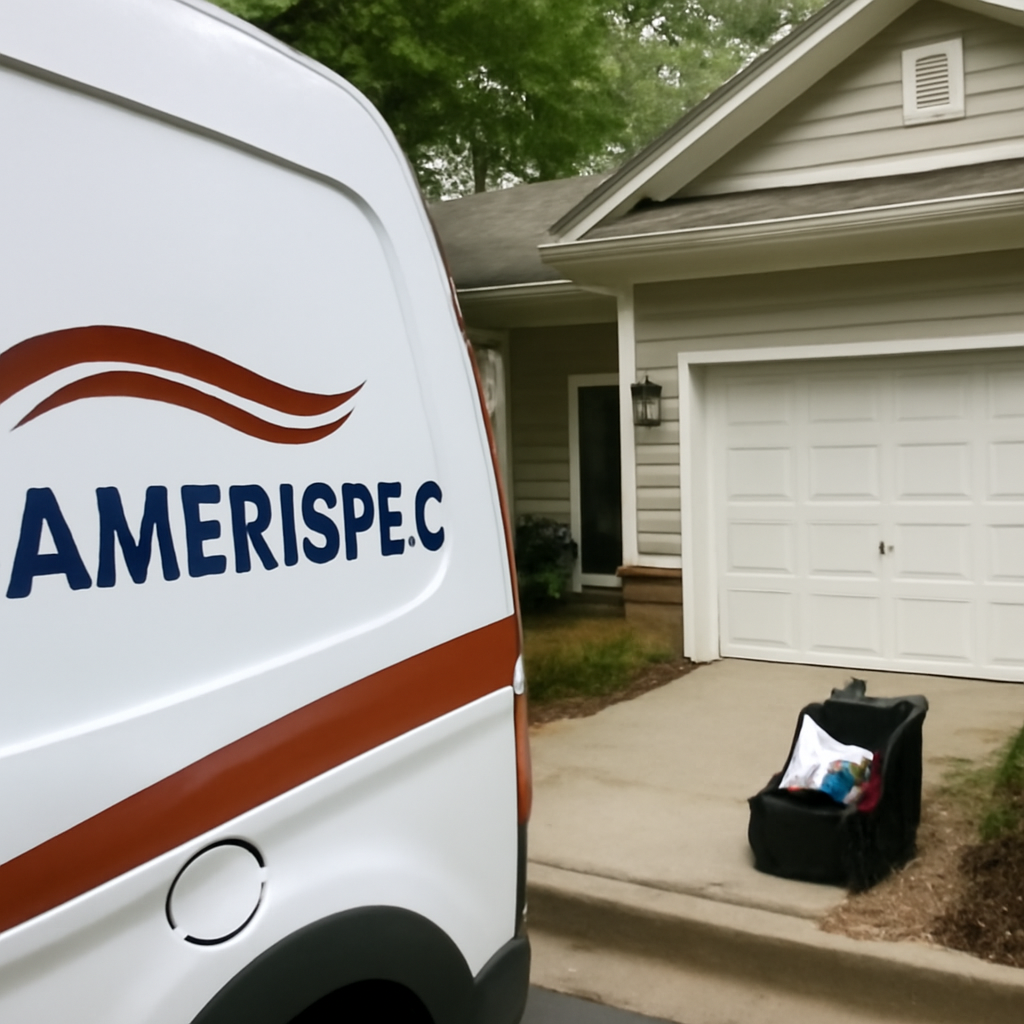
When buyers research amerispec home inspection services, they are usually trying to understand what a national home-inspection franchise offers and how it compares with hiring an independent local inspector. This article looks at the franchise model in general, editorial terms rather than reviewing any single brand, and explains the questions that matter regardless of whether your inspector wears a national logo or runs a one-person business. The qualifications and standards behind the person doing the inspection matter far more than the name on the truck.
Part of our Home Inspections Explained guide — start there for the full picture →
What a national inspection franchise model offers
A national home-inspection franchise is a brand under which independently owned local offices operate using shared systems, training, and marketing. The franchise model has recognizable strengths. A national brand typically provides standardized reporting formats, a consistent set of procedures, brand-level training programs, and sometimes scheduling and customer-service infrastructure that a solo inspector might not have. For a buyer, that can mean predictable report formatting and an established complaint or support channel.
The model also has limits worth naming. A franchise is only as good as the local franchisee and the individual inspector who shows up. Brand standardization does not guarantee that every inspector is equally experienced, and a national name does not substitute for the credentials and standards that define a competent inspection. Our guide to hiring a home inspector emphasizes evaluating the person, not just the company.
It helps to understand how the franchise model is structured, because it shapes what a buyer is actually hiring. A national inspection brand sells franchises to independent local operators, who run their own offices under the brand’s name, systems, and standards. The brand provides training, reporting tools, marketing, and a reputation; the local owner provides the actual service in your market. This means the experience can vary considerably from one franchise location to another, even under the same brand, because the local ownership and the specific inspectors differ. A strong local franchise and a weak one can carry identical signage. That variability is the central reason a buyer should evaluate the local office and the assigned inspector rather than relying on the national name.
Franchise versus independent inspectors
Neither model is inherently better; they have different profiles. Understanding the tradeoffs helps you choose based on your situation rather than on marketing.
Where franchises can have an edge
- Consistency. Standardized report formats and procedures across offices.
- Support infrastructure. Scheduling, customer service, and a defined channel if issues arise.
- Brand recognition. A familiar name some buyers and agents find reassuring.
Where independents can have an edge
- Direct accountability. You hire the person doing the work, with no franchise layer between you and the inspector.
- Local knowledge. A seasoned local independent often knows regional construction quirks and common defects intimately.
- Flexibility. Independents may offer more tailored scheduling and report discussion.
The decisive factor in both cases is the individual inspector’s qualifications. A highly experienced independent and a well-trained franchise inspector can both deliver excellent work; a weak inspector under either model will not. The same lens applies whether you are choosing a property inspection company or an individual inspector.
What actually determines inspection quality
Whether the inspection comes through a franchise or an independent, the quality drivers are the same, and they are the things to ask about.
Credentials and certification
Membership and certification with the American Society of Home Inspectors (ASHI) or the International Association of Certified Home Inspectors (InterNACHI) signal that the inspector follows a recognized standard of practice and code of ethics. ASHI’s certification involves experience and examination requirements; InterNACHI requires training, testing, and continuing education. Ask whether the specific inspector, not just the brand, holds these credentials.
State licensing
In states that license home inspectors, confirm the inspector holds a current state license in good standing. This applies equally to franchise and independent inspectors.
Experience and standard of practice
Ask how many inspections the individual has performed and which standard of practice they follow. The ASHI and InterNACHI standards define what an inspection covers and its limits, and a competent inspector can explain them.
What a standard of practice guarantees, and what it does not
Whether an inspector works under a national brand or independently, the standard of practice they follow defines the floor of the service. It specifies the systems that must be examined and reports their condition, which gives a buyer a consistent baseline to expect. But the standard sets a minimum, not a ceiling. A thorough, experienced inspector often goes beyond the minimum, examining more carefully and explaining findings more clearly. The brand cannot guarantee that extra diligence; only the individual inspector delivers it. This is why two inspections that both technically meet the same standard can differ markedly in value, and why the person matters more than the logo.
Questions to ask any inspection service
These questions cut through brand marketing and surface what matters, whether you are calling a franchise office or an independent.
- Which individual inspector will perform my inspection, and what are their credentials?
- Are they ASHI or InterNACHI certified, and licensed if my state requires it?
- How many inspections has that inspector performed?
- Which standard of practice do you follow, and what is included and excluded?
- May I see a sample report?
- Do you carry liability and errors-and-omissions insurance?
- Can I attend the inspection and ask questions?
A franchise office that cannot tell you which inspector will come or what their credentials are deserves the same skepticism as an independent who dodges the question. For a deeper checklist, see our guide on verifying home inspector credentials.
Reading reviews and reports critically
Reviews of a franchise brand reflect a mix of offices and inspectors, so a national-level rating tells you little about your local office. Look for reviews of the specific office or inspector instead, and weigh comments on thoroughness, clear communication, and whether the findings held up over time more heavily than friendliness. When you receive a sample report, judge it on detail: does it document conditions clearly, include photos, and explain the significance of findings rather than just listing them? A strong report is a better signal of quality than any brand name.
Be wary of two review traps. The first is volume without specificity: a brand with thousands of national reviews can look impressive while telling you nothing about the inspector coming to your house. The second is a cluster of generic five-star reviews that praise friendliness but say nothing about the inspection’s depth. The reviews worth weighing describe what the inspector found, how clearly it was explained, and whether the buyer felt the report served them in negotiation or decision-making. Those details, attached to your local office or inspector, are far more useful than a national average.
How to choose well
The sound approach ignores the franchise-versus-independent framing as the primary question and focuses on the inspector. Confirm credentials and licensing, check experience, review a sample report, verify insurance, and read office-level or inspector-level reviews. Whether the qualified inspector you find operates under a national brand or their own shingle is secondary. HUD encourages buyers to use qualified professionals for inspections, and the qualification, not the brand, is what protects your purchase. For buyers comparing local options, our guide on choosing house inspectors near you lays out the framework.
A national franchise and a seasoned independent can each deliver an excellent inspection, and each can disappoint, depending on the individual behind it. That symmetry is the point. The brand on the truck is a marketing signal, not a guarantee of quality, and the credentials, experience, and care of the person performing the work are what actually determine the value you receive. Keeping the focus there, rather than on the logo, is how a buyer chooses well regardless of which model they end up hiring.
Pricing and what it should include
Inspection pricing varies by region, home size, and the services included, and neither the franchise nor the independent model is automatically cheaper. What matters more than the headline price is what the fee covers and what the deliverable looks like. A low quote that buys a rushed walkthrough and a thin report is not a bargain, while a moderate fee that buys a thorough inspection and a detailed, photo-rich report delivers real value.
When comparing quotes, ask what is included in the base price and what costs extra. Some inspectors bundle ancillary services; others price them separately. Specialized testing for radon, mold, or pests generally falls outside a standard inspection and is arranged and priced on its own. Clarifying scope and price together, rather than comparing bare numbers, lets a buyer make a fair comparison between a franchise office and an independent. The cheapest option and the best value are often not the same thing, and the report quality is the truer measure.
The role of the inspection in the transaction
Whether it comes from a franchise or an independent, the inspection serves the same purpose in a home purchase: it informs the buyer’s decision and can shape negotiation. A thorough inspection that surfaces significant defects gives a buyer leverage to request repairs, negotiate price, or, in serious cases, walk away. A weak inspection that misses problems leaves the buyer exposed to costs they did not anticipate. The stakes are high enough that the choice of inspector deserves real attention rather than a default to whichever name an agent suggests.
HUD encourages buyers to obtain inspections from qualified professionals as part of an informed purchase, particularly for older homes where hidden conditions are more likely. Acting on that advice means evaluating the individual inspector behind any brand, confirming credentials and insurance, and reviewing a sample report before committing. A national franchise can be an excellent choice when the assigned inspector is well qualified, and so can an independent. The brand is a starting point for the search, never a substitute for vetting the person who will actually inspect the home.
Where buyers encounter franchise brands
Buyers often come across national inspection brands through their real estate agent, since agents frequently maintain relationships with inspection providers they have worked with before. This is convenient, but it deserves a measure of independent thought. An agent’s familiar recommendation may be excellent, yet the buyer, not the agent, is the inspector’s client, and the buyer’s interest in a thorough, unflinching inspection should drive the choice. A buyer is free to research the recommended provider, ask about the specific inspector, and compare with independents before deciding.
This matters because the inspection exists to protect the buyer’s interests in the transaction. A brand a buyer recognizes from advertising can feel reassuring, but recognition is not the same as suitability for a particular home. The sound approach treats any referral, whether from an agent, a friend, or a familiar national name, as a candidate to be vetted rather than a decision already made. Confirming the assigned inspector’s credentials, experience, and reporting quality keeps the choice anchored to what actually serves the buyer, regardless of how the brand came to their attention.
References
- American Society of Home Inspectors standards and directory — ASHI
- International Association of Certified Home Inspectors — InterNACHI
- Home inspection guidance for buyers — U.S. Department of Housing and Urban Development
Frequently asked questions
Is a national inspection franchise better than an independent inspector?
Neither is inherently better. Franchises can offer consistent report formats and support infrastructure, while independents offer direct accountability and often deep local knowledge. The decisive factor in both cases is the individual inspector's credentials and experience, not the brand.
What should I ask a franchise inspection service before hiring?
Ask which specific inspector will do the work, what their credentials are, whether they are ASHI or InterNACHI certified and state-licensed, how many inspections they have done, and to see a sample report. A brand name does not answer these questions; the individual does.
Do franchise inspectors follow national standards?
Quality depends on the individual inspector's certification, not the brand. Look for inspectors who follow the ASHI or InterNACHI standard of practice and code of ethics, and confirm the specific person assigned to your inspection holds those credentials.
How do I evaluate reviews of an inspection franchise?
National brand ratings mix many offices and inspectors, so they tell you little about your local one. Seek reviews of the specific office or inspector, and weigh thoroughness and accuracy of findings over friendliness. A detailed sample report is a stronger quality signal than any rating.