Mold Remediation New Orleans: A Homeowner Guide
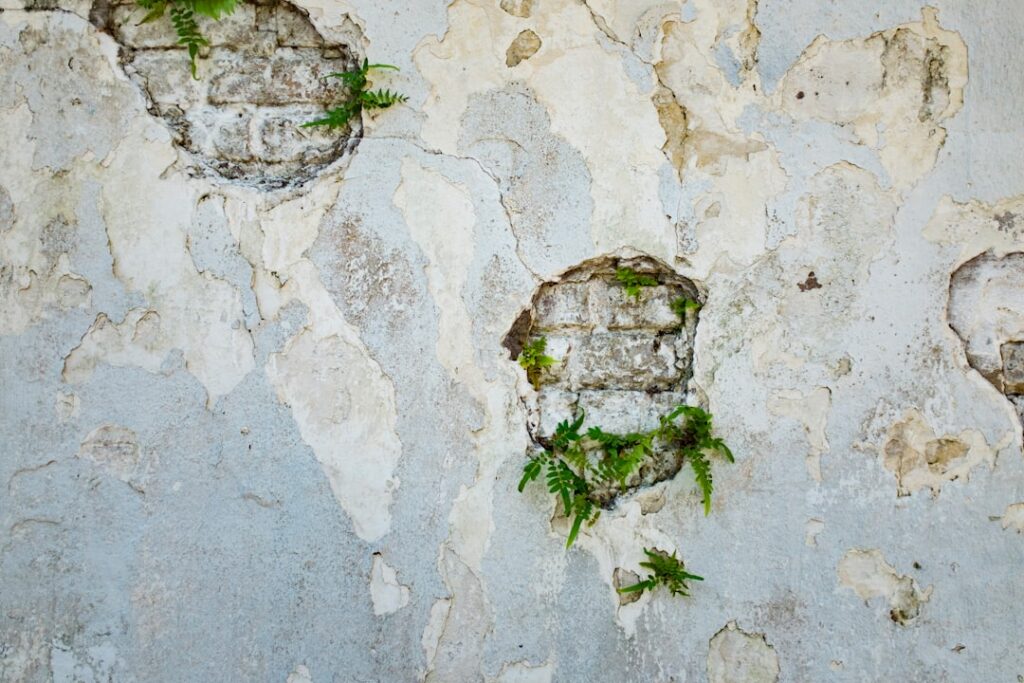
Few American cities present a tougher mold environment than New Orleans. Subtropical heat, near-constant humidity, a high water table, and a long history of flooding combine to make persistent dampness the rule rather than the exception. For homeowners, mold remediation new orleans crews handle is less a one-time emergency and more an ongoing relationship with moisture control. This guide summarizes EPA and CDC guidance current as of 2026 and is educational only; consult your physician about health symptoms and a certified professional for testing and removal decisions.
Part of our Mold Removal & Remediation guide — start there for the full picture →
Is this mold, asbestos, or water damage? Get a free instant screen
Upload a clear photo of the suspect area. You'll get an instant AI screening opinion and what to do next. This is screening guidance, not a professional determination.
Screening guidance only. AI can be wrong. Confirm asbestos, mold type, or lead with lab testing or a licensed professional before acting.
What Mold Remediation Means in New Orleans
Remediation is the structured removal of mold-contaminated materials combined with correcting the moisture source so growth does not return. The EPA stresses that fixing the water problem is the non-negotiable first step. In a city where outdoor relative humidity routinely exceeds 75 percent and indoor air stays muggy without aggressive conditioning, “fixing the water” often means rethinking ventilation and dehumidification, not just patching a single leak.
New Orleans housing stock complicates the picture. Historic shotgun homes, raised cottages, and pre-war doubles often have minimal insulation, original wood framing, and crawlspaces that flood. These features hold moisture and feed common species such as Aspergillus, Penicillium, and Cladosporium.
Why New Orleans Is Especially Prone to Mold
The city sits at or below sea level, with a shallow water table that keeps soil and slabs damp year-round. Summer dew points hover in the 70s for months, so any unconditioned space, a closet, an attic, a garage, becomes a mold incubator. The CDC notes that mold needs only sustained dampness, and New Orleans supplies that in abundance.
Flood history adds a second layer. Homes affected by Hurricane Katrina and subsequent storms sometimes carry latent mold inside wall cavities that were never fully remediated. Buyers of older homes should treat past flooding as a signal to inspect framing and subfloor carefully rather than assume a repainted interior is clean.
Recognizing the Signs
Musty odors are the most reliable early indicator in this climate, often noticeable the moment you open a closed-up house. Visible growth shows on bathroom grout, window sills, closet walls, and the cool side of exterior walls where condensation forms. Peeling paint, buckling wood floors, and rusty fasteners signal chronic moisture that usually hides mold behind the surface.
Homeowners unsure whether a stain is active growth or old staining can consult the mold inspection and testing hub for guidance on visual assessment versus sampling.
The Remediation Process
A professional job in New Orleans follows the EPA containment model. The crew isolates the affected area with sheeting and negative air pressure, runs HEPA air scrubbers, and removes porous materials that cannot be salvaged, such as wet drywall, insulation, and carpet. Wood framing is HEPA-vacuumed and damp-wiped.
Drying is the critical and often underestimated step in this humidity. Commercial dehumidifiers and air movers run until moisture meters confirm framing has returned to a safe range, which can take longer here than in drier regions. Antimicrobial treatment, if used, comes only after the structure is dry. The job ends with clearance testing and reconstruction.
Drying Challenges Unique to the Gulf Coast
Because ambient outdoor air is so humid, simply opening windows during remediation can make matters worse. Effective New Orleans contractors seal the space and use mechanical dehumidification rather than relying on natural ventilation, a detail worth confirming when you compare bids.
Testing Before and After
Pre-remediation sampling can document the extent of contamination, useful given the city’s insurance and flood-disclosure climate. Post-remediation clearance testing by an independent party verifies the cleanup worked. The CDC does not require species identification to justify removal, since the corrective action is identical for any indoor mold. Testing’s real value is documentation and confidence.
Many local buyers pair remediation with a residential mold remediation contractor and a separate clearance tester to keep the work honest.
What It Costs
Remediation pricing tracks the size of the affected area and the amount of rebuild required. Industry estimates put small contained jobs in the low four figures, with larger multi-room or flood-related projects running considerably higher once demolition and reconstruction are included. New Orleans homes with raised foundations and difficult crawlspace access can add labor cost.
Because flooding is common, ask whether your project qualifies under a flood or homeowners policy and document the moisture source thoroughly. The broader cost to remediate mold guide helps set expectations before you collect bids.
Health Considerations
The CDC and NIEHS associate indoor dampness and mold with respiratory irritation, coughing, wheezing, and worsened asthma, with greater risk for children, older adults, and people with weakened immune systems. No home test diagnoses mold illness. Anyone with persistent symptoms should see a physician rather than rely on a kit.
Hiring a Contractor in New Orleans
Louisiana does not separately license mold remediators, so verify IICRC certification, active liability insurance, and a written scope that distinguishes remediation from moisture repair. Be skeptical of crews that propose spraying chemicals over visibly wet materials, which the EPA cautions against. Using an independent firm for the clearance test avoids letting a contractor grade its own work.
Preventing Recurrence
In a climate this damp, prevention is continuous. Run a whole-house or room dehumidifier to keep indoor humidity below 50 percent, maintain HVAC and condensate drains, vent bathrooms and the kitchen mechanically, and keep crawlspaces and attics conditioned or well sealed. After any storm or flood, dry the structure within 24 to 48 hours, the window the EPA cites for preventing colonization.
Neighborhood Moisture Patterns Across New Orleans
Mold risk varies block by block in this city. Historic, low-lying neighborhoods such as Mid-City, Gentilly, and parts of Lakeview carry heavy flood memory and a shallow water table, so crawlspace and slab moisture is a constant. The raised shotgun and double-shotgun homes of Uptown and the Marigny breathe a little better underneath but trap humidity in unconditioned attics and closed-up rooms.
Newer slab-on-grade construction in eastern New Orleans and the suburbs faces a different pattern: slow under-slab plumbing leaks and condensation where ductwork runs through hot, humid attics. Knowing which pattern your home fits helps target prevention, whether that means a sump and vapor barrier in a raised home or aggressive humidity control in a slab house.
How Long Remediation Takes
A small contained job in New Orleans typically runs three to five days, slightly longer than in drier regions because the ambient humidity slows the drying phase. The demolition and cleaning may finish quickly, but commercial dehumidifiers must run until moisture meters confirm framing has returned to a safe range, and in this climate that takes patience.
Larger or flood-related projects stretch to one to two weeks or more once demolition, drying, clearance testing, and reconstruction are included. A contractor who promises to finish a saturated structure in a single day is skipping the drying step that makes the work last through the next humid summer.
What to Expect During the Job
Remediation is disruptive but predictable. The work zone is sealed with plastic sheeting, air scrubbers run loudly throughout, and you may need to relocate furniture or stay out of affected rooms. Expect photo documentation before and after, periodic moisture readings, and a written summary of what was removed. Family members with asthma and pets should stay clear of the containment area, since demolition stirs up spores even under negative air pressure.
Mold and Real Estate in New Orleans
Given the city’s flood history, mold frequently surfaces during home sales. Buyers should ask directly about past flooding and any prior remediation, and treat a freshly painted interior in a flood-prone area as a reason to inspect framing rather than a sign of a clean bill of health. A documented remediation with independent clearance testing reassures buyers and protects sellers from later disputes, which is why many local transactions hinge on a clear mold paper trail.
Insurance, Flood Coverage, and Documentation
New Orleans homeowners face a more complicated insurance picture than most, because flooding, the city’s signature risk, is excluded from standard homeowners policies and requires separate flood insurance. Mold that results from a covered sudden event like a burst pipe may be covered, often subject to a dollar cap, while mold from chronic dampness or flooding generally is not.
Documentation is essential in a city where insurers scrutinize causation closely. Photograph the water source and damage immediately, save receipts and the contractor’s written scope, and keep clearance-test results. Report promptly, since delay can be read as neglect. For flood-driven mold, the distinction between wind-driven rain and rising water can determine which policy, if any, responds, so document the water’s path carefully.
Choosing Between Cleaning and Full Remediation
Not every spot of mold needs a full crew. A small patch on a hard, nonporous surface, the EPA cites roughly 10 square feet as a rough threshold, can often be cleaned by a homeowner who fixes the moisture and wears protective gear. Professional remediation becomes the right call when growth is extensive, hidden in walls, present in the HVAC system, tied to contaminated or flood water, or recurring despite cleaning.
In New Orleans’s humidity, surface mold in bathrooms and closets returns often. When the same spot keeps coming back, the underlying issue is moisture control, and persistent dehumidification, not repeated scrubbing, is what ends the cycle.
Questions to Ask Before Hiring
Ask what the moisture source is and how it was confirmed. Ask whether the contractor documents containment and provides moisture readings. Ask what will be removed versus cleaned. Ask whether an independent party performs the clearance test, and request proof of insurance and IICRC certification. In a flood-prone city, also ask how they handle the heightened drying challenge, mechanical dehumidification rather than open windows is the right answer. Vague responses or chemical-only “fogging” pitches are reasons to keep looking.
Living With Humidity: A Long-Term Mindset
For New Orleans homeowners, mold control is less a one-time project and more a permanent feature of owning property in a subtropical, low-lying city. The climate that makes the region beautiful, warm, green, and lush, is the same climate that keeps indoor air muggy and surfaces damp for much of the year. Treating moisture management as ongoing maintenance, rather than an emergency response, is the mindset that protects a home over the long run. That means keeping a whole-house or room dehumidifier running through humid stretches, maintaining the air conditioning and its condensate drainage, sealing and conditioning crawlspaces, and watching the lowest, least-ventilated rooms for the first signs of dampness. It also means responding to any water event, a leak, a storm, a flooded street that backs up into a yard, within the EPA’s 24-to-48-hour window before mold can establish. Homeowners who internalize this routine spend far less over the years than those who lurch from one remediation to the next, and they keep their indoor air healthier in a place where the outdoor air offers little relief. The investment in steady humidity control is modest against the recurring cost of cleaning up after mold that the climate will otherwise reintroduce season after season. Homeowners who treat the dehumidifier, the AC, and the crawlspace barrier as essential infrastructure, rather than optional comforts, find that their homes stay sound and their indoor air stays manageable even through the most oppressive summer weeks, when the air outside offers no respite at all.
References
- Mold Cleanup in Your Home — U.S. Environmental Protection Agency
- About Mold and Health — Centers for Disease Control and Prevention
- Mold and Indoor Air Quality — American Lung Association
Frequently asked questions
Why is mold so common in New Orleans homes?
The city sits near or below sea level with a shallow water table and subtropical humidity, so dampness is nearly constant. Flood history and old, poorly insulated housing add hidden moisture inside walls and crawlspaces.
How quickly should I dry a home after flooding?
The EPA recommends drying within 24 to 48 hours to prevent mold from colonizing. In New Orleans humidity this usually requires mechanical dehumidifiers rather than open windows, which can add moisture.
Is post-remediation testing necessary?
It is optional but recommended for documentation and peace of mind. An independent clearance test confirms the cleanup succeeded and avoids letting the same contractor grade its own work.
Will insurance cover mold remediation in New Orleans?
It depends on the cause. Mold from a sudden covered event may be covered, while flood-related and long-term-moisture mold often is not under a standard homeowners policy. Review flood coverage separately.
Buying or maintaining a home around New Orleans and want a straight answer on a moisture or mold concern? Get in touch through our contact page to connect with a qualified local inspector.