How to Know If House Has Mold: A Plain Guide
Buying a home, renting a basement apartment, or simply worrying about a recurring cough all lead to the same anxious question: does this place have a mold problem? Learning how to know if house has mold means reading a stack of signals together rather than relying on any single one. This guide summarizes EPA and CDC guidance current as of 2026; consult your physician for symptoms and a certified professional for testing decisions tied to a sale or remediation.
Part of our Types of Mold guide — start there for the full picture →
Is this mold, asbestos, or water damage? Get a free instant screen
Upload a clear photo of the suspect area. You'll get an instant AI screening opinion and what to do next. This is screening guidance, not a professional determination.
Screening guidance only. AI can be wrong. Confirm asbestos, mold type, or lead with lab testing or a licensed professional before acting.
How to know if house has mold: read the signals together
No single clue is conclusive. A musty smell, a stained ceiling, a humid basement, or a family member’s congestion each suggests mold, but the confident answer comes from several signals lining up. Treat detection as assembling evidence, not finding one smoking gun.
The strongest combination is moisture plus odor plus a visible or hidden growth site. When those converge, a problem is likely whether or not you ever run a test.
Visual signals
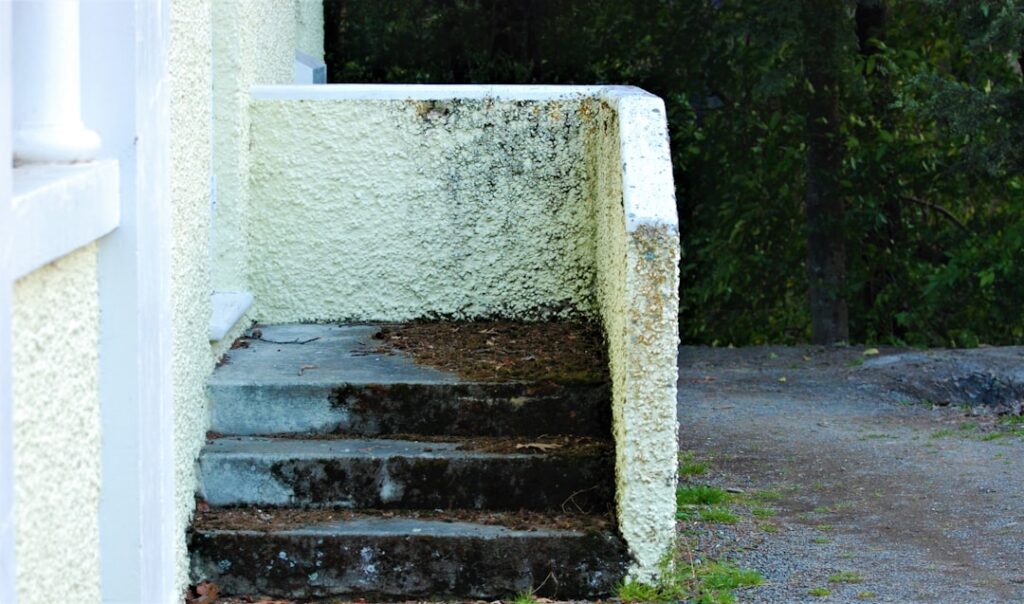
Look for fuzzy, slimy, or powdery patches in green, black, white, or orange, concentrated in damp, dark areas: bathroom grout, window sills, ceiling corners, basement walls, and behind furniture on exterior walls. Water stains, bubbling paint, and warped baseboards are secondary indicators that moisture, and possibly mold, is present.
A low-angle flashlight reveals texture changes that flat overhead light hides, surfacing early colonies you might otherwise miss.
The musty smell
A persistent earthy, musty odor is one of the most dependable indicators, especially when nothing is visible. The smell comes from compounds mold releases as it grows. An odor with no visible patch usually means growth is hidden behind a surface or in the HVAC system.
If a home smells musty the moment you walk in, take it seriously even if every surface looks clean.
Moisture as the underlying signal
Mold needs water, so signs of moisture are signs of mold risk. A humidity meter flagging rooms above the 50 to 60 percent range, condensation on windows, a damp basement smell, or a history of leaks all point to conditions that sustain growth.
The EPA frames moisture control as the whole issue. Persistent dampness is itself a warning, even before any colony appears. The guide to finding mold in a house covers moisture mapping.
Hidden moisture clues
Soft spots in walls, a swollen subfloor, peeling wallpaper, and rust on fasteners near the floor all hint at water inside the structure. A moisture meter confirms wet cavities that the eye cannot see, turning a hunch into a measurement.
Health signals to weigh carefully
The CDC notes that sensitive individuals may have congestion, coughing, sneezing, or eye irritation in mold-affected spaces, sometimes improving when they leave. A pattern of symptoms tied to one home or room is suggestive.
Symptoms are an indirect clue, not proof, and responses vary widely between people. Anyone with persistent symptoms should consult a physician rather than self-diagnose from a building.
What to do when buying a home
For a purchase, knowing whether a house has mold carries financial weight, so the bar for evidence is higher. A general home inspection may flag moisture and visible growth, but a dedicated mold assessment with air sampling provides documentation. Ask about water-damage history and look for fresh paint hiding stains.
The homeowner mold inspection hub explains how to fold mold concerns into a purchase decision.
When to confirm with a test
If you can see or smell mold, the EPA’s guidance is to clean it and fix the moisture regardless of species, so testing adds little. Testing earns its place when a musty smell has no visible source, when symptoms persist, or when you need documentation for a sale or after a cleanup.
For hidden growth, surface kits cannot reach the cavity and a clean air reading can mislead, so a moisture survey is often the better confirmation step.
HVAC as a hidden carrier
A musty odor that worsens when the blower runs, or visible growth around supply registers, suggests the HVAC system is harboring and spreading spores. Because it touches every room, HVAC contamination can make the whole house feel affected. Detecting it may justify direct vent sampling.
Knowing the HVAC can be the source prevents you from chasing the smell room by room.
Knowing the difference between mold and dirt
Not every dark spot is mold, and confusing the two leads to both false alarms and missed problems. Soot from candles or a fireplace, ordinary grime, and mineral staining can all mimic growth. Mold tends to be fuzzy, slimy, or raised and usually appears where moisture collects, while dirt is flat and follows patterns of handling or airflow rather than dampness.
A simple field check helps: mold often softens or smears when wiped with a damp cloth and tends to recur in the same damp spot after cleaning. Dirt wipes away and stays gone. When the distinction genuinely matters, a swab or tape-lift analyzed by a lab settles it, but pairing the visual with the moisture context usually answers the question first.
Rental and tenant considerations
Tenants face a particular version of this question, since they cannot freely open walls or commission major testing. Knowing whether a unit has mold often rests on the same accessible signals: visible growth, a musty odor, condensation, and symptoms that ease away from home. Documenting these with dated photos creates a record if the issue must be raised with a landlord.
Responsibility for moisture sources and remediation typically falls to the property owner, so a tenant’s job is detection and documentation rather than repair. A clear, dated record of the signals strengthens any request for inspection or remediation and protects the tenant if the dispute escalates. Sampling can supplement that record but is rarely the tenant’s first move.
What a clean inspection does and does not prove
A home that shows no signs and tests clean is reassuring, but the result has limits. Air sampling reflects one moment, and mold sealed in a wall cavity may not register. A clean reading means the accessible evidence and the sampled air looked normal, not that the house is guaranteed mold-free forever.
This is why ongoing attention to moisture matters even after a clean result. A future leak, a wet basement, or a humid season can change the picture. Treat a clean inspection as a snapshot of current conditions rather than a permanent certificate, and keep watching the moisture-prone spots that any house has.
Acting on uncertainty
Sometimes the signals are ambiguous: a faint odor, a borderline humidity reading, no visible growth. The reasonable response is proportionate. Improve ventilation, run a dehumidifier in the suspect area, fix any minor moisture source, and watch whether the signals fade. If they persist or worsen, escalate to sampling or a professional.
This measured approach avoids both extremes, neither ignoring real warning signs nor tearing into walls over a faint smell. Most ambiguous cases resolve once moisture is controlled, since the fungus cannot maintain itself without water. When they do not, the persistence itself is information that justifies a closer, professional look.
Front Range knowing-the-signs notes
In Colorado’s dry climate, dramatic visible growth is less common in living spaces, so a musty odor or a humid basement carries extra weight as a signal. Snowmelt seepage, ice dams, and swamp-cooler condensation are the usual local moisture sources.
Because outdoor humidity is low, a damp or musty interior is a genuine anomaly worth investigating rather than dismissing as ordinary regional moisture.
Knowing the signs in an older home
Older houses carry features that raise mold risk and shape how you read the signs. Original single-pane windows breed condensation, dated plumbing is more prone to slow leaks, and basements and crawl spaces often lack modern moisture barriers. A musty smell in an older home is common enough that owners sometimes stop noticing it, which is precisely when a problem can grow unchecked.
Knowing a home’s age helps calibrate the search. In an older house, prioritize the basement, crawl space, window frames, and any room beneath a bathroom or kitchen. Past renovations can also hide evidence behind newer finishes, so a fresh wall in an old house warrants a closer look at what it might be covering rather than an assumption that new means clean.
Knowing the signs in a newer home
New construction is not immune. Tightly sealed, energy-efficient homes exchange less air with the outside, so indoor humidity and any moisture intrusion can build with fewer natural escape routes. Construction defects, such as inadequate flashing, poor grading, or a leak that began before move-in, can seed mold in a house only a few years old.
In a newer home, signs to weigh include condensation on efficient windows, a stuffy feel that suggests poor ventilation, and any staining near windows, the roofline, or plumbing. Builder warranties may cover defects that caused the moisture, so documenting the signs early matters. A new home deserves the same attention to odor and dampness as an old one, just with different likely causes.
When to trust your nose over a clean test
Occasionally the evidence conflicts: a room smells distinctly musty, yet an air test comes back clean. In these cases the odor often deserves more weight than the number. A musty smell with a clean air reading frequently means growth is concealed in a wall or floor cavity and not shedding spores into the room air the test sampled.
The right response is to keep investigating the moisture rather than accepting the reassuring result. Probe suspect walls with a moisture meter, consider a borescope, and look for the water source behind the smell. A clean air sample narrows the possibilities but does not rule out hidden growth, so a persistent, locatable odor is a signal worth chasing even when a test disagrees.
Turning knowing into doing
Once the signals point to mold, find and fix the moisture, then clean the growth. Small areas under about ten square feet can often be handled by a homeowner with precautions; larger areas and HVAC involvement call for professional remediation.
Document the signals you observed and any readings you took. That record supports disclosure, guides a contractor, and confirms whether a later cleanup succeeded.
The bottom line on knowing if a house has mold
No single clue is conclusive, so confidence comes from several signals lining up: visible patches, a persistent musty odor, elevated humidity or moisture readings, and symptoms tied to a particular space. When moisture, odor, and a growth site converge, a problem is likely whether or not you ever run a test. A clean test, conversely, is a snapshot, not a permanent guarantee.
If you can see or smell mold, the EPA advises cleaning it and fixing the moisture regardless of species, so testing is reserved for hidden growth, documentation in a sale, or verifying a cleanup. For ambiguous cases, respond proportionately by improving ventilation and controlling moisture, then escalate only if the signs persist. Knowing a house has mold ultimately means recognizing the water that sustains it, which is the condition you act on.
References
- EPA on recognizing and addressing home mold — U.S. Environmental Protection Agency
- CDC on mold signs and symptoms — Centers for Disease Control and Prevention
- InterNACHI on home mold inspection — International Association of Certified Home Inspectors
Frequently asked questions
How do I know if my house has mold?
Read several signals together: visible patches, a persistent musty odor, high humidity or moisture readings, and symptoms tied to one space. When moisture, odor, and a growth site converge, a problem is likely.
Can a house have mold with no visible growth?
Yes. A musty smell with no visible patch usually means growth is hidden behind a surface or in the HVAC. A moisture meter can confirm wet wall cavities where mold may be growing unseen.
Do I need a test to confirm mold?
Not if you can see or smell it. The EPA advises cleaning visible mold and fixing the moisture regardless of species. Testing helps mainly with hidden growth, documentation for a sale, or verifying a cleanup.
How does mold affect a home purchase decision?
It carries financial weight, so request water-damage history, watch for fresh paint hiding stains, and consider a dedicated mold assessment with air sampling for documentation.
Front Range buyers and homeowners who want a vetted inspector to confirm whether a house has mold can get in touch through our contact page.