Home Inspection Form PDF: Format and Standards Guide
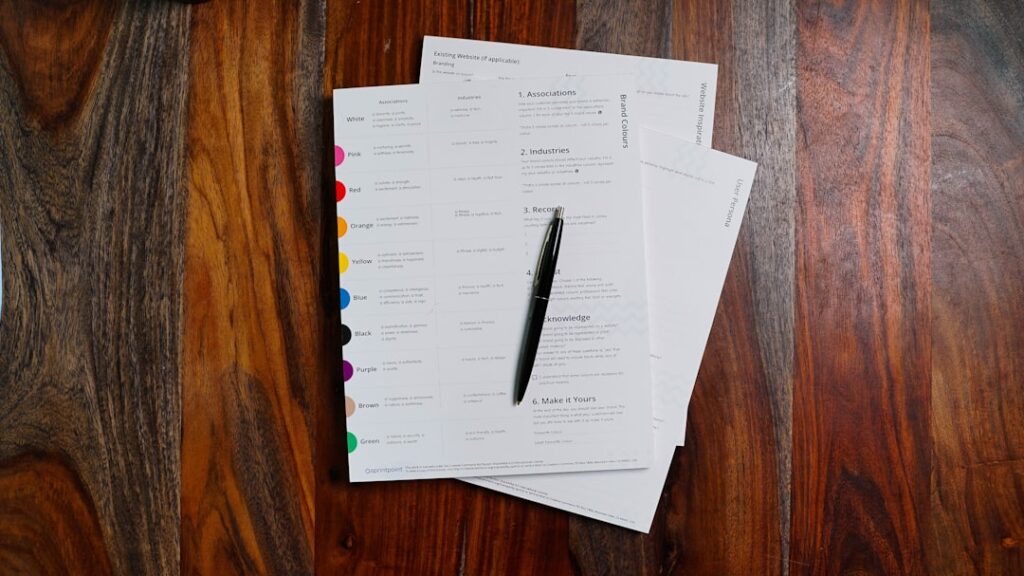
Buyers searching for a home inspection form PDF often arrive expecting a printable blank template they can carry through a property and tick off as they walk. That is actually a checklist, and it is a different document. A form, in the language of the home inspection trade, is usually the finished report the inspector hands you at the end of the job. The PDF format matters because it is what most state-licensed inspectors deliver, what mortgage lenders archive, and what shows up attached to real estate emails. This guide separates the two documents, walks through what a real form contains, and explains how the ASHI Standard of Practice shapes what those PDFs include.
Part of our Home Inspections Explained guide — start there for the full picture →
Home Inspection Form vs. Checklist: A Direct Distinction
The vocabulary collapses in everyday use, but the two documents serve different audiences. A checklist is a tool the inspector or homeowner uses during the walkthrough. It lists every system, component, and inspection point in a logical sequence so nothing gets missed. Pages are usually blank fields, line items, or check boxes meant to be filled in on-site. The buyer or seller rarely sees the checklist version.
A form, by contrast, is the output document. It is the completed, narrated, photographed record of what the inspector found. When a buyer receives a home inspection form PDF after their pre-purchase inspection, they are looking at a finished product that meets specific standards of practice. The American Society of Home Inspectors publishes a Standard of Practice that defines what a residential inspection must cover and how it must be reported. PDF is simply the file format the report lives in.
For buyers who want a walking tool instead of a finished report, our self home inspection checklist guide explains the field-tool format. For the deliverable side of the equation, keep reading.
Why Inspectors Deliver Reports as PDFs
PDF became the standard report format for several practical reasons. The file format preserves layout across devices, which matters when a report includes embedded photos, callout boxes, and tables of defects. It locks the content so a buyer cannot accidentally edit a finding before forwarding it to an agent or attorney. It compresses dozens of high-resolution photographs into a single attachable file. And it prints reliably to letter-size paper when a buyer wants a physical copy for their closing folder.
Modern inspection software packages such as Spectora, HomeGauge, and Horizon export directly to PDF. The inspector enters findings on a tablet during the walkthrough, attaches photos in real time, and generates the finished PDF on-site or within twenty-four hours. Older paper-based shops scan completed handwritten forms into PDF for delivery. Either way, the buyer receives a digital file rather than a paper packet.
What a Standard Home Inspection Form PDF Contains
A finished report follows the ASHI Standard of Practice or the InterNACHI Standards. Both cover roughly the same scope but use slightly different section headings. Expect the following sections in any compliant report.
Cover Page and Property Information
The cover page identifies the property by full address, lists the inspection date, weather conditions, occupancy status, and the inspector’s license number where state regulation requires one. Some states such as Texas and North Carolina mandate a specific cover sheet format. Colorado does not license home inspectors at the state level, so the cover varies by inspection company.
Summary or Executive Findings
A short section, usually three to five pages, that flags the most consequential issues. Safety hazards, deferred maintenance approaching failure, and items that may affect the negotiation are pulled to the front. Buyers and agents read this section first.
Detailed System Reports
The body of the document walks each system in turn. Roof, exterior, structure, electrical, plumbing, HVAC, insulation, interior, fireplace, and attached garage are the standard ten. Each section describes what was observed, lists components by type and approximate age, and rates condition. Photographs accompany defect callouts. Items outside the scope of a visual inspection, such as the inside of a sealed wall, are noted as not inspected.
Photographs and Annotations
A modern PDF report often runs forty to eighty pages because of embedded photos. Each defect gets one or more images with arrows or circles highlighting the issue. Photos are dated and geotagged in some software packages.
Appendices and Reference Material
Maintenance recommendations, a glossary of inspection terminology, and the contract or agreement between buyer and inspector close out the document. Some inspectors include a copy of the ASHI Standard of Practice as an appendix so the buyer can verify scope.
State Licensing and Form Content
About thirty-five states license home inspectors and prescribe minimum report content. Texas Real Estate Commission rules require a specific report template. North Carolina, Florida, and Illinois have their own state-mandated formats. Colorado, Wyoming, and several other Mountain West states leave content to the inspector, though most follow ASHI or InterNACHI standards voluntarily.
Buyers on the Front Range should not assume Colorado reports follow a uniform template. Reviewing the hiring process guide for choosing an inspector covers how to verify which standard a candidate inspector follows before signing the inspection agreement.
How to Read a Home Inspection Form PDF
Buyers receive the PDF the day of or the day after the inspection. Reading it well takes more than skimming the summary. Start with the summary section to identify safety issues, then read each system report in full because real defects sometimes sit buried in narrative rather than the summary. Pay attention to the language inspectors use. Phrases such as “monitor,” “recommend further evaluation by a licensed contractor,” and “approaching end of useful life” each carry different implications.
Cross-reference photographs to text. A blurry image or a missing photo on a flagged defect is a reason to call the inspector for clarification. Note the inspector’s age estimates for major systems such as roof, water heater, and furnace. Industry-average lifespans for asphalt shingles run twenty to thirty years; for water heaters, ten to fifteen; for forced-air furnaces, fifteen to twenty.
What a Home Inspection Form PDF Does Not Cover
The ASHI Standard of Practice excludes several items from the visual inspection scope. Wood-destroying insects require a separate pest inspection. Radon, asbestos, lead-based paint, and mold typically need specialty testing or sampling. Sewer scope inspections, well water potability testing, and septic system pumping are separate services. Code compliance is generally outside scope because building codes evolve and historic homes were built to older standards.
If a buyer wants those additional reports, they get separate documents. Many inspection companies offer the add-ons, but each comes with its own form. Buyers who plan to layer a radon test onto their inspection week can use our walkthrough on testing radon levels to understand what arrives separately.
Sample Forms and Where to Find Them
InterNACHI hosts a sample residential inspection report PDF on its website that buyers can download for free to see the format before hiring. ASHI also publishes sample reports through its member resources. Several state real estate commissions, including Texas, post the official template as a downloadable PDF on their consumer pages.
Be cautious about generic “home inspection form PDF” downloads from non-trade websites. Many are outdated, incomplete, or designed for a different state. The trade-association versions reflect current Standard of Practice language.
Seller-Side Forms vs. Inspector Reports
Sellers in some states must complete a disclosure form before listing. California uses the Transfer Disclosure Statement. Colorado uses the Seller’s Property Disclosure form maintained by the Colorado Division of Real Estate. These are not inspection reports. They are seller-completed questionnaires about known defects and history. Buyers should not confuse the two documents. The seller disclosure is a legal acknowledgment of what the seller knows; the inspection report is a third-party professional assessment of what an inspector can observe in a half-day walkthrough.
Storing and Sharing the PDF After Closing
After closing, the inspection PDF becomes part of the buyer’s permanent home file. Keep it on cloud storage and a local backup. When selling later, some buyers share the prior inspection report with new buyers. That is generally not recommended because the report reflects condition at a past point in time and creates potential disclosure questions. The new buyer should commission their own inspection.
The PDF also serves as a maintenance roadmap. Items the inspector flagged for monitoring become a punch list of small repairs to schedule over the first two years of ownership. Major systems with estimated remaining life become a budgeting tool for replacement planning.
When to Request Clarifications
Buyers who receive a report and have questions should email or call the inspector within a few days. Most inspectors offer a free follow-up conversation to walk through findings. Bring specific questions, page references, and any contractor estimates received in the interim. A reputable inspector will explain a finding, refer the buyer to a specialist when appropriate, and clarify language that reads as ambiguous. If the inspector becomes defensive or refuses to discuss findings, that is a signal to consult an attorney before relying on the report in negotiation.
References
- ASHI Standard of Practice — American Society of Home Inspectors
- InterNACHI Residential Standards of Practice — International Association of Certified Home Inspectors
- HUD home inspection guidance for buyers — U.S. Department of Housing and Urban Development
- International Residential Code reference — International Code Council
Frequently asked questions
Is a home inspection form PDF the same as a checklist?
No. The PDF a buyer receives is the finished report the inspector wrote up after the visit. A checklist is the working tool the inspector uses during the walkthrough. Some companies share their checklist with clients, but the deliverable PDF is the formal report.
How long is a typical home inspection PDF report?
Most modern PDF reports run forty to eighty pages because of embedded photographs. The text content itself is shorter, but each defect callout includes one or more images. Shorter reports under twenty pages may signal a less thorough inspection.
Can I use a downloaded home inspection form PDF to inspect my own home?
You can use a downloaded blank checklist to walk through a property and take notes, but it is not a substitute for a licensed inspector's report. A homeowner walkthrough is useful for routine maintenance planning, not for pre-purchase due diligence or insurance documentation.
Are state-mandated inspection forms different from ASHI templates?
Yes. Texas, North Carolina, and several other states require inspectors to use a specific state-prescribed template. ASHI and InterNACHI templates are voluntary industry standards used in states without their own mandate, including Colorado.