Home Asbestos Kit: 2026 Product Comparison Guide
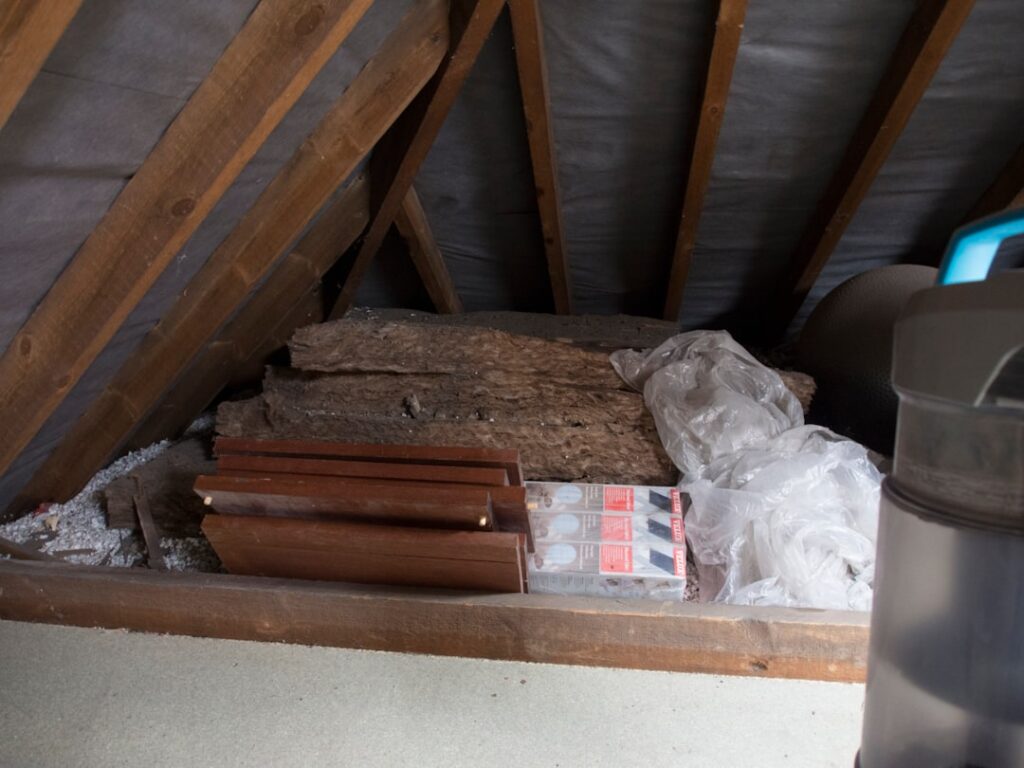
The home asbestos kit market has consolidated around four or five brands that all do roughly the same thing — sell you a small sampling bag, a chain-of-custody form, and a prepaid mailer addressed to a NVLAP-accredited lab. The differences between them are small but worth understanding before spending $30 to $60 on the wrong product. This guide summarizes EPA and CDC guidance current as of 2026 — consult a certified abatement professional before disturbing any suspect material. The overview below compares the major home asbestos kit options, what each one includes, and the lab analysis you pay for separately.
Part of our Asbestos in the Home guide — start there for the full picture →
Is this mold, asbestos, or water damage? Get a free instant screen
Upload a clear photo of the suspect area. You'll get an instant AI screening opinion and what to do next. This is screening guidance, not a professional determination.
Screening guidance only. AI can be wrong. Confirm asbestos, mold type, or lead with lab testing or a licensed professional before acting.
What a Home Asbestos Kit Actually Contains
The phrase “home asbestos kit” suggests a piece of equipment that detects asbestos. None exist for consumers. What you actually buy is a sampling kit — a small package of materials that helps a homeowner safely collect a physical sample and ship it to a National Voluntary Laboratory Accreditation Program (NVLAP) lab for polarized light microscopy (PLM) analysis. The lab does the analysis; the kit is the delivery mechanism.
A typical box contains a Ziploc-style sample bag, a chain-of-custody form, basic instructions, sometimes a pair of disposable gloves, and a prepaid return mailer. The lab fee is sometimes bundled into the kit price and sometimes charged separately when the sample arrives. For the broader context on at-home asbestos sampling decisions, see the asbestos and lead in your home guide.
The Major Home Asbestos Kit Brands
Pro-Lab Asbestos Test Kit
Pro-Lab is the brand most homeowners encounter first because it has the broadest retail distribution — Home Depot, Lowe’s, Ace Hardware, Amazon. The box retails around $10 to $15 and includes the sampling materials plus the prepaid mailer. The lab fee runs $40 separately when the sample arrives. Total cost per sample: roughly $50 to $55. Turnaround is typically five to seven business days from receipt.
Pro-Lab uses its own lab in Weston, Florida, which is NVLAP-accredited for PLM analysis. The deliverable is a one- to two-page report identifying any asbestos fiber types and approximate percentages present.
EMSL Analytical Mail-In Kit
EMSL is the laboratory most other private-label kits route to. They operate dozens of analytical labs across the country and can analyze a sample submitted in their own packaging or sometimes in plain mail. Direct-from-EMSL pricing runs about $35 per sample for standard PLM analysis. Turnaround is two to five business days. EMSL’s NVLAP accreditation covers PLM and transmission electron microscopy (TEM); they also offer point-count PLM for low-percentage samples.
EMSL does not always supply a physical kit. Many homeowners simply send a sample in a quart-size bag with a printed submission form downloaded from their website. The pricing reflects the absence of consumer packaging.
Aerobiology Laboratory
Aerobiology operates a similar mail-in model with locations in Virginia, Texas, California, and Massachusetts. Pricing runs about $35 to $45 per sample for PLM. They offer faster turnaround than Pro-Lab — often 24 to 48 hours upon arrival — which matters for homeowners trying to make a renovation decision quickly. Aerobiology is NVLAP-accredited.
Sherwin-Williams and Hardware Store Private Label
Sherwin-Williams sells an asbestos test kit branded under their name but routed through one of the major analytical labs. The box retails around $30 to $50 with the lab fee often included. The actual analysis is done by an NVLAP-accredited lab partner; the Sherwin-Williams branding adds nothing to the science. Similar private-label kits appear at smaller hardware chains.
Pricing and What You Are Paying For
The price stack is consistent across vendors:
- Box and sampling materials: $5 to $15.
- Lab analysis (NVLAP-accredited PLM): $25 to $40 per sample.
- Shipping (often prepaid in the kit price): $5 to $10.
The total per-sample landed cost is $30 to $60. The kit’s value-add over a downloadable lab submission form is small — mostly the convenience of a single box. The lab analysis itself is the same regardless of which kit’s mailer it arrives in. Direct submission to a lab like EMSL or Aerobiology often saves $10 to $20 per sample for buyers comfortable downloading and printing a chain-of-custody form.
What the Lab Actually Tests
NVLAP-accredited labs typically run polarized light microscopy (PLM) on bulk samples. PLM identifies the six regulated asbestos fiber types (chrysotile, amosite, crocidolite, tremolite, anthophyllite, actinolite) by their optical properties. The lab reports the fiber type and approximate percentage in the sample. For samples below the 1% threshold but suspected positive, the lab can run point-count PLM (more rigorous) or transmission electron microscopy (TEM, far more sensitive). Each additional analysis adds cost — typically $50 to $150 per sample.
The EPA NESHAP regulation defines asbestos-containing material as anything with greater than 1% asbestos by weight. Materials below 1% are not regulated under NESHAP but still warrant precaution. For deeper analytical methodology, see the PLM, TEM, and sample types guide.
What Is NOT in a Home Asbestos Kit
The kit does not include a respirator. Sampling friable material safely requires a P-100 half-mask respirator, eye protection, and disposable coveralls — items the kit assumes you already own or will source separately. The kit does not include water for wet-method sampling. The kit does not include training. The instructions inside the box are minimal; the EPA’s homeowner asbestos page covers the technique more thoroughly.
For DIY sampling technique itself, the how-to-test-asbestos guide in this batch walks through the procedure.
When a Home Asbestos Kit Is Appropriate
Reasonable use cases:
- Pre-renovation testing of vinyl floor tile that looks 9×9 or 12×12 and might predate 1985.
- Sampling of mastic adhesives under flooring.
- Sampling of popcorn ceiling texture in homes built before 1980.
- Sampling of intact joint compound or drywall in pre-1980 homes.
Cases where DIY sampling is the wrong approach:
- Friable insulation, especially vermiculite around the attic perimeter or in walls.
- Pipe-wrap insulation, particularly the white chalky kind in basements.
- HVAC duct-wrap insulation.
- Any material that is already crumbling, water-damaged, or releasing visible dust.
- Post-abatement clearance testing — that requires AHERA-certified air sampling.
For friable suspect materials, hire a state-licensed inspector to collect the sample. The cost is $150 to $400 per sample but the safety margin is worth it.
How to Use a Home Asbestos Kit Safely
The basic procedure summarized — full detail lives in the procedural guide linked above:
- Don P-100 respirator, gloves, eye protection.
- Mist the sample area with water containing a drop of dish soap.
- Use a knife or chisel to gently remove a piece roughly the size of a quarter.
- Place the sample in the kit’s bag. Seal.
- Wipe the sampled area with a wet rag; dispose of the rag in a sealed bag.
- Fill out the chain-of-custody form.
- Mail the sealed bag in the kit’s return mailer.
EPA NESHAP regulations apply to professional abatement, not to homeowner sampling, but the wet-method principle (suppressing fiber release with moisture) applies in both contexts.
Direct-to-Lab vs Retail Kit
Two paths produce the same lab result. The retail kit ($30 to $55 total) is convenient and includes packaging. The direct-to-lab path (download chain-of-custody, sample with your own bag, mail to EMSL or Aerobiology) costs $25 to $40 per sample and skips the kit overhead. For homeowners testing multiple samples, the direct-to-lab path scales better.
For homeowners testing one sample once and never again, the retail kit’s convenience is reasonable. For homeowners planning multi-sample renovation surveys, direct submission saves real money.
What to Expect From the Result
A typical PLM report runs one to two pages and identifies:
- Sample number and chain-of-custody reference.
- Date received and date analyzed.
- Fiber types detected (with percentages).
- Non-asbestos components for context (cellulose, glass wool, mineral wool).
- Method (PLM EPA 600/R-93/116 is standard).
- Analyst signature.
A positive result (any detectable asbestos above 1%) triggers professional abatement consultation if the material is to be disturbed during renovation. A negative result clears the material for routine disposal. For asbestos checking framing, the asbestos checking kit guide covers how “checking” differs from real-time detection.
References
- EPA Asbestos Information — U.S. Environmental Protection Agency
- EPA Asbestos NESHAP Regulations — U.S. Environmental Protection Agency
- OSHA Asbestos Standards — Occupational Safety and Health Administration
- CDC NIOSH Asbestos — Centers for Disease Control and Prevention
- American Lung Association Asbestos — American Lung Association
Frequently asked questions
How much does a home asbestos kit cost in total?
Total cost lands between $30 and $60 per sample. The box itself retails $10 to $15, the NVLAP-accredited PLM lab analysis costs $25 to $40, and shipping is often prepaid in the kit price. Direct-to-lab submission without the retail kit can save $10 to $20 per sample.
Which home asbestos kit brand is best?
All major brands route samples to NVLAP-accredited labs, so the analytical quality is comparable. Pro-Lab has the broadest retail availability; EMSL offers direct submission and faster turnaround; Aerobiology often delivers results within 48 hours of receipt. Choose based on convenience and turnaround needs.
Is a home asbestos kit safe to use?
Reasonably safe for intact non-friable materials sampled with P-100 respirator, gloves, eye protection, and wet-method suppression. Not safe for friable insulation, vermiculite, water-damaged materials, or any sample that requires disturbing crumbling material — hire a licensed inspector for those.
What if my home asbestos kit comes back positive?
A positive PLM result (above 1% asbestos by weight) means the material is regulated under EPA NESHAP. If you plan to disturb it during renovation, hire a state-licensed abatement contractor. If the material is intact and undisturbed, leaving it alone is usually the right call.
Front Range homeowners considering an at-home asbestos sample before a renovation can get in touch through our contact page for a referral to a vetted asbestos inspector.