Does Progressive Require a Home Inspection? 2026 Guide
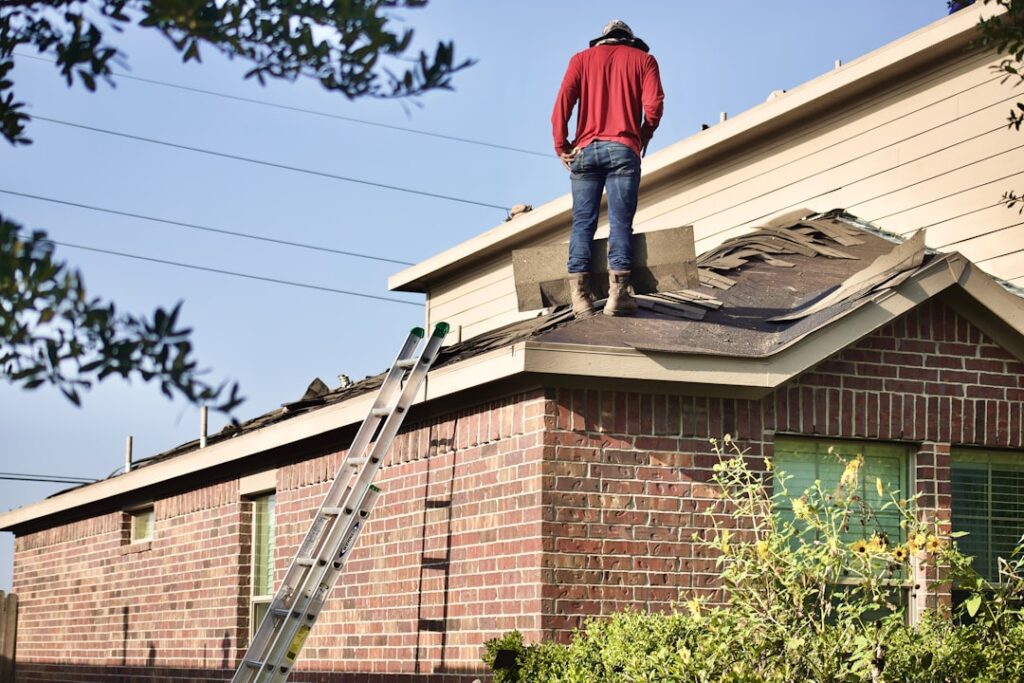
The question of whether an insurer requires a home inspection comes up constantly when buyers shop for a homeowners policy. The honest answer for any carrier is: it depends on the home and the situation, not just the brand on the policy. Insurance-related inspections are different from the buyer’s pre-purchase home inspection. They are underwriting tools, most often a 4-point inspection or a wind-mitigation inspection, used to gauge risk on older or higher-exposure properties. This guide explains when an insurer is likely to ask for one, what those inspections look at, and how the findings can affect a quote, premium, or coverage terms. It speaks to insurance practice generally rather than the rules of any single company.
Part of our Home Inspections Explained guide — start there for the full picture →
Does Progressive Require Home Inspection for a Policy?
Insurers do not apply a single blanket rule. Whether an inspection is requested usually turns on the age of the home, its location, the value being insured, and the carrier’s underwriting guidelines for that risk class. Newer homes in low-hazard areas frequently bind without any inspection. Older homes, homes in storm-exposed regions, and homes with aging systems are far more likely to trigger a request.
Two inspection types dominate insurance underwriting. A 4-point inspection examines the roof, electrical, plumbing, and HVAC systems, the four areas most associated with claims on older houses. A wind-mitigation inspection documents features that reduce storm damage, such as roof attachment and shape, in regions where wind is a major peril. These are narrower than a full buyer’s home inspection and serve a different purpose.
Buyers sometimes confuse the insurer’s inspection with the one they commission before closing. They are separate. The pre-purchase inspection protects the buyer’s interests; the insurance inspection protects the carrier’s. Understanding both is part of being an informed buyer, and the broader homeowner’s guide to hiring an inspector covers how the pre-purchase inspection fits into a transaction.
It also helps to understand why carriers inspect at all. An insurer is taking on the financial risk of a future claim, and the premium it charges has to reflect that risk. For a newer home with documented updates, the carrier can price confidently from public records and the application. For an older home with unknown system conditions, an inspection replaces guesswork with evidence. The inspection is, in effect, the carrier’s way of seeing the house the way an underwriter would want to before agreeing to insure it.
Why Carriers Treat Older Homes Differently
Age is the dominant factor because the systems most likely to cause expensive claims wear out over decades. A roof past its service life is more likely to leak or fail in a storm. Outdated wiring such as knob-and-tube or aluminum branch circuits raises fire risk. Galvanized or polybutylene plumbing is prone to leaks that lead to water damage. An aging water heater or furnace can fail and cause property damage. Each of these is something an underwriter wants documented before pricing a policy.
This is why two homes of similar market value can be treated differently. A 15-year-old home with original systems in good condition may bind without an inspection, while a 60-year-old home with no record of updates almost certainly triggers one. The carrier is not judging the homeowner; it is sizing up the probability and cost of a future claim, and older systems shift those numbers.
What a 4-Point Inspection Covers
The 4-point inspection focuses on the systems most likely to cause a loss. Underwriters want to know the age and condition of the roof covering, the type of electrical wiring and panel, the plumbing supply lines and water heater, and the heating and cooling equipment. Outdated wiring, an aging roof, or galvanized or polybutylene plumbing can all influence whether a carrier offers a policy and at what price.
The point is risk classification. A home with a recently replaced roof and updated electrical presents a lower expected claim cost than an equivalent home with original 40-year-old systems. The inspection gives the underwriter documented evidence rather than relying on the applicant’s description.
When a 4-Point Is Typically Triggered
Carriers commonly request a 4-point inspection when a home passes a certain age threshold, often around 30 to 40 years, or when public records suggest the major systems have not been updated. The exact trigger is set in each insurer’s underwriting manual, which is why two applicants with similar homes can have different experiences depending on the carrier and state.
The four areas are not chosen arbitrarily. Industry loss data consistently shows that roof, electrical, plumbing, and HVAC problems drive a large share of homeowner claims. A roof failure can cause catastrophic water damage. An electrical fault can start a fire. A plumbing leak can ruin floors and walls and breed mold. An HVAC failure can damage the system itself and the surrounding structure. By focusing on these four, the inspection captures most of the risk that matters to an underwriter without the cost and time of a full inspection.
What a Wind-Mitigation Inspection Documents
In wind-prone regions, a wind-mitigation inspection records construction features that resist storm damage. Inspectors document roof shape, roof-to-wall attachment, roof deck attachment, the presence of a secondary water barrier, and opening protections such as impact-rated windows. Strong wind-resistant features can qualify a homeowner for premium credits because they lower the expected severity of wind claims.
This inspection is largely a documentation exercise. It does not test whether systems work; it verifies which protective features exist. The findings feed directly into rating, sometimes reducing premium when the home is well built for its climate.
For homeowners in wind-exposed regions, a wind-mitigation inspection can be one of the few inspections that saves money rather than costing it. A hip roof, a strong roof-to-wall connection, impact-rated openings, and a secondary water barrier each reduce expected storm losses, and carriers in those regions often pass part of that savings back as a credit. The inspection essentially gives the homeowner a way to prove the home’s storm resilience and be rewarded for it.
How Inspection Findings Affect a Policy
Inspection results can move an application in several directions. Favorable findings, such as updated systems or wind-resistant construction, can keep a quote competitive or earn credits. Unfavorable findings can lead to a higher premium, a requirement to make repairs before binding, exclusions for certain perils, or a declination if the risk falls outside guidelines.
Federal housing guidance from HUD has long emphasized that condition assessments inform decisions about insurability and value, which is the same logic underwriters apply. The takeaway for a buyer is practical: addressing known issues with major systems before applying can improve both insurability and price.
How This Differs From a Buyer’s Home Inspection
A pre-purchase home inspection, performed to standards published by associations such as ASHI and InterNACHI, is comprehensive and serves the buyer. It covers structure, safety, and the full range of systems, and it helps the buyer negotiate or walk away. An insurance inspection is narrow and serves the carrier’s risk evaluation. One does not replace the other.
Buyers benefit from both. A thorough pre-purchase inspection can surface the same aging roof or outdated panel that an insurer would flag, giving the buyer a chance to negotiate repairs that also improve insurability. For homeowners navigating coverage after a loss or change, the guide to home inspections for homeowners insurance goes deeper on how carriers use these reports.
Scope is the clearest difference. A pre-purchase inspection follows comprehensive standards of practice published by ASHI and InterNACHI and evaluates structure, safety systems, and the full set of components a buyer cares about. The 4-point and wind-mitigation inspections look at a narrow slice chosen for its relevance to claims. A buyer who relies only on an insurance inspection would miss most of what a home inspection reveals, and a carrier that relied only on a home inspection would receive far more information than its underwriting needs.
The reports also read differently. A home inspection report is written for a buyer making a purchase decision, with detail on condition, safety, and recommended follow-up. An insurance inspection report is a form geared to underwriting, recording system ages, materials, and conditions in a format the carrier can score. Knowing which document answers which question keeps a buyer from overpaying for the wrong report or under-informing themselves before a major purchase.
Practical Steps for Buyers
Anyone shopping for coverage on an older home should expect the possibility of an insurance inspection and prepare for it. Gathering records of roof, electrical, plumbing, and HVAC updates, addressing obvious deferred maintenance, and asking the agent up front whether an inspection will be required all reduce surprises. The goal is to enter the underwriting process with documentation that supports a favorable risk classification rather than scrambling after a request arrives.
Timing matters in a purchase. A buyer who learns during underwriting that the home needs a new roof before a carrier will bind has far less leverage than one who learned the same thing from a pre-purchase inspection and negotiated it into the deal. Coordinating the pre-purchase inspection early gives a buyer the chance to address insurability issues as part of the transaction rather than as a post-closing emergency.
Common Questions Buyers Raise
One frequent question is whether a passing pre-purchase home inspection means an insurer will not require its own. It does not. The two serve different parties and different purposes, and a carrier can request an inspection regardless of what the buyer’s inspector found. Another is whether making repairs before applying helps. It generally does, because documented updates to the four key systems improve the risk picture and can keep a quote competitive.
Buyers also ask what happens if an inspection turns up a serious issue after they have already moved in or after a policy is in force. Carriers can, on renewal or after a triggered inspection, require repairs, adjust terms, or decline to renew if the risk falls outside guidelines. Keeping major systems maintained and documented is the steadiest way to avoid those outcomes, which is the same logic HUD applies in tying property condition to insurability and value.
A related question is whether shopping multiple carriers helps. It often does, because each insurer sets its own underwriting thresholds and inspection triggers. A home that one carrier flags for a 4-point inspection may bind with another at a different price. Working with an independent agent who can place a risk with several carriers gives a buyer of an older home more options than relying on a single company’s appetite for that particular risk.
References
- HUD guidance on property condition and insurability — U.S. Department of Housing and Urban Development
- ASHI Standards of Practice for home inspections — American Society of Home Inspectors
- InterNACHI inspection standards and homeowner resources — International Association of Certified Home Inspectors
Frequently asked questions
Does an insurer always require a home inspection?
No. Many newer, low-hazard homes bind with no inspection. Older homes or those in storm-exposed areas are more likely to trigger a 4-point or wind-mitigation inspection, based on each carrier's underwriting rules.
What is a 4-point inspection?
It is an insurance inspection of four systems: roof, electrical, plumbing, and HVAC. Underwriters use it to assess the claim risk of older homes before issuing or renewing a policy.
Is an insurance inspection the same as a buyer's home inspection?
No. A buyer's home inspection is comprehensive and serves the buyer. An insurance inspection is narrow and serves the carrier's risk evaluation. One does not replace the other.
Can inspection findings raise my premium?
They can. Aging systems or high-risk features may raise the premium, require repairs before binding, or limit coverage. Favorable findings can keep a quote competitive or earn credits.