Does VA Require Home Inspection? Direct No-Inspection Answer
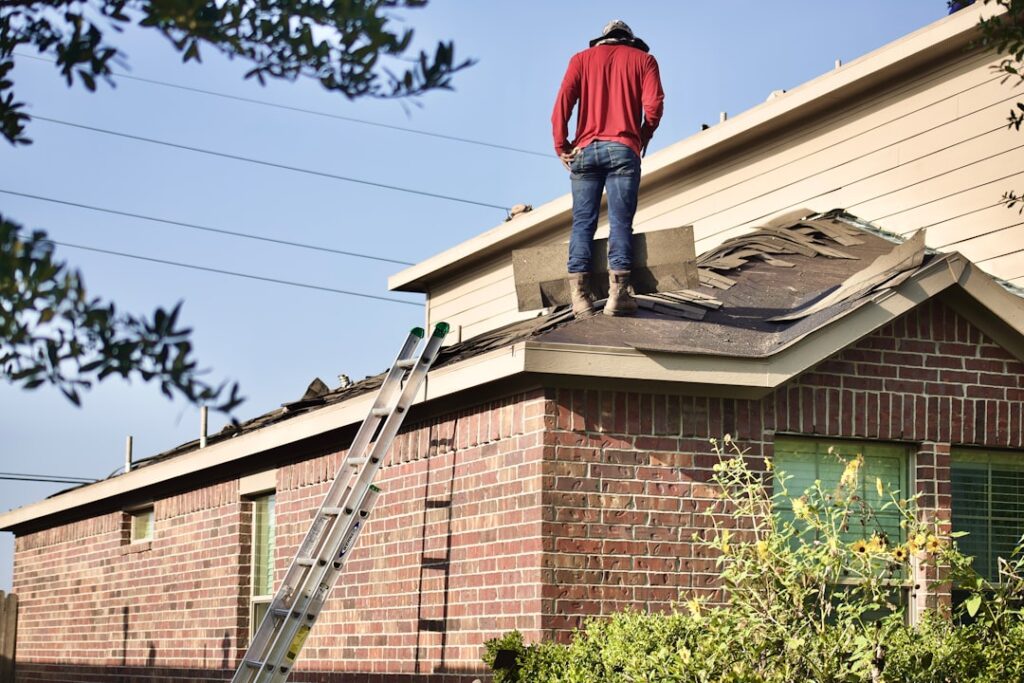
Does VA require home inspection? Direct answer: no. The Department of Veterans Affairs does not require a home inspection as a condition of issuing a VA-guaranteed loan. The VA requires only a VA-appointed appraisal that confirms property value and Minimum Property Requirements. The appraisal and the inspection serve different purposes — confused often, conflated often, but never interchangeable. This guide gives the direct yes/no answer, explains what the VA actually requires, what the appraiser actually does, and the clear timeline a VA-loan buyer should expect from offer through closing.
The direct answer with timeline framing
The VA does NOT require a home inspection. The VA DOES require an appraisal. These are two different services with two different scopes.
A typical VA loan timeline runs 30-45 days from purchase contract to closing. Within that window, the VA appraisal is ordered by the lender (typically 7-14 days after contract acceptance) and completed within roughly two to three weeks. The home inspection — which the VA does not require but which the buyer should still arrange — typically happens in the first 5-10 days after contract acceptance, during the buyer’s inspection contingency window.
Closing happens after appraisal and underwriting clear. If the buyer wants the inspection, it’s the buyer’s choice and the buyer’s expense. The VA neither asks for it nor pays for it.
What the VA appraisal does and does not do
The VA appraisal is performed by a VA-appointed appraiser drawn from the VA’s panel of approved professionals. The appraiser receives the assignment from the lender, schedules with the seller’s agent or seller, and visits the property typically for 30 to 60 minutes.
What the appraiser does: confirm the property exists at the listed address, photograph the exterior and interior, take measurements that support the floor-plan calculations, note major condition issues visible during a walk-through, verify compliance with VA Minimum Property Requirements, and produce a written appraisal report with a value conclusion and any required repairs.
What the appraiser does not do: climb on the roof, enter crawl spaces with flashlights and respirators, test every outlet, run every faucet for extended periods, open up electrical panels, scope sewer lines, or examine HVAC system performance under load. The appraiser is doing valuation and habitability screening, not system-by-system inspection.
Per the HUD home inspection consumer brochure, the appraisal protects the lender’s loan guarantee. It does not protect the buyer from buying a property with hidden condition issues. That’s why an inspection — separate, buyer-funded, buyer-controlled — exists. Anchor the broader picture against the hiring a home inspector guide.
VA Minimum Property Requirements (MPRs) at a glance
The VA MPRs are the property-condition standards the appraiser verifies. They cover:
Safe, sanitary, and uninterrupted potable water supply.
Safe sanitary sewage disposal — public sewer or properly functioning septic system.
Sound roof condition with reasonable remaining life — no immediate leaks or major damage.
Sound foundation, free of major settlement or structural failure.
Adequate weather-tight walls and exterior envelope.
Electrical and mechanical systems that function as intended.
Absence of wood-destroying organisms (termites, carpenter ants) — typically verified via a separate termite inspection report.
For pre-1978 properties, lead-based paint disclosure per EPA lead-safe housing rules.
If the appraiser identifies an MPR failure — say, a roof in advanced disrepair — the VA conditions the loan on repair completion before closing. This is the only “inspection-like” function the VA performs.
Why the VA does not require an inspection
The VA’s role is to guarantee the loan, not to substitute for the buyer’s due diligence. A guarantee protects the lender if the borrower defaults. The buyer’s protection mechanism is separate: their own decision-making, their own inspections, their own contingencies in the purchase contract.
If the VA required an inspection, the cost of every VA loan would rise to reflect that mandate. The VA’s design philosophy is to offer favorable financing terms without adding mandatory ancillary services — leaving those decisions to the buyer.
This is consistent across loan programs. FHA also does not require an inspection (per HUD Handbook 4000.1). Conventional lenders typically don’t either. The pattern is universal: the lending program covers what the lender needs; the buyer covers what the buyer needs.
What a home inspection adds beyond the appraisal
A home inspection following ASHI or InterNACHI Standards of Practice takes three to four hours and examines hundreds of specific items across the structure, exterior, roof, attic, plumbing, electrical, HVAC, interior, insulation, ventilation, fireplaces, and built-in appliances. The inspector produces a detailed written report — typically 30 to 60 pages — with photographs, descriptions, and recommended actions.
Per ASHI Standards of Practice, the inspection is a non-invasive visual examination of accessible systems. The inspector does not open walls or destructively test components, but they look at every system the homeowner can reasonably expect to interact with.
The cost: $400-$650 for a typical single-family home, $500-$800 for larger homes or homes with add-ons (radon, sewer scope, termite, mold). Compare with the VA home inspection cost guide for detailed cost breakdowns.
The timing question
The inspection should happen first, immediately after contract acceptance. Why: if the inspection reveals major problems, the buyer can use the inspection contingency to renegotiate price, request repairs, or back out of the contract. Doing this before the appraisal is ordered keeps the buyer’s options maximally open.
The VA appraisal comes after. The lender typically orders it once the inspection contingency is cleared, to avoid paying for an appraisal on a deal that may fall through during the inspection contingency window.
Per Colorado real estate norms in the Denver and broader Front Range market, inspection contingencies typically run 5-10 calendar days from contract acceptance. Scheduling matters — the inspector needs to fit within that window.
Common buyer misunderstandings
“The VA appraiser said the house passed, so I don’t need an inspection.” Not equivalent. The appraiser verified MPRs and value, which is a far lower bar than a full inspection.
“The seller had an inspection done, so I don’t need my own.” Sometimes useful as a starting point, but the seller’s inspection was paid for by the seller and may have been performed by an inspector chosen for cost rather than rigor. The buyer should have their own inspection by an inspector they hire.
“I’m getting a great deal, so an inspection might surface problems that kill the deal.” If the inspection surfaces serious problems, the deal probably should be killed, or the price should be renegotiated to account for them. The inspection’s purpose is to provide information; the buyer decides what to do with it.
Front Range and Colorado-specific notes
Colorado does not require state licensing for home inspectors. This means inspector quality varies more than in states with licensing regimes. Vetting becomes more important: ASHI or InterNACHI membership, insurance verification, sample report review, and Google reviews all matter.
Radon is a Colorado-specific add-on. Most Front Range counties — Denver, Boulder, Jefferson, Adams, Arapahoe, Douglas, Elbert, El Paso — sit in EPA Zone 1 for radon. Per CDPHE radon resources, radon testing is strongly recommended at home purchase for any Colorado property. Many inspectors bundle radon testing with the standard inspection for an additional $125-$200.
A practical timeline example
Consider a Denver-metro VA-loan purchase scenario. The buyer’s offer is accepted on a Monday with a 10-day inspection contingency period. The closing date is 35 days out.
Tuesday (day 1): Buyer’s real estate agent recommends a home inspector. Buyer contacts the inspector, confirms availability, and schedules for Thursday.
Wednesday (day 2): Inspector confirms appointment, sends pre-inspection paperwork.
Thursday (day 3): Home inspection performed, 4 hours on-site. Inspector emails preliminary findings same evening.
Friday (day 4): Full inspection report delivered, 45 pages with photographs.
Saturday-Sunday (days 5-6): Buyer and agent review report, identify items for repair request or price renegotiation.
Monday-Tuesday (days 7-8): Negotiation with seller on inspection findings.
Wednesday (day 9): Resolution reached. Inspection contingency cleared.
Thursday-Friday (days 10-11): Lender orders VA appraisal.
Days 14-18: VA appraisal scheduled and performed.
Days 20-25: Appraisal report received, any required MPR repairs identified.
Days 25-32: Underwriting, repair completion verification, closing preparation.
Day 35: Closing.
The inspection happens early. The appraisal happens later. Both serve different purposes and don’t conflict in timing.
VA loan inspector vs general home inspector
There is no special category of “VA loan home inspector.” The inspector performing a home inspection for a buyer using a VA loan is the same type of inspector who would perform an inspection for a buyer using any other loan type. ASHI or InterNACHI certification covers the scope; the loan type doesn’t change the inspection.
Some inspectors market themselves as “VA loan specialists” or similar — this is typically a marketing positioning, not a different certification or scope. The actual inspection follows the same standards regardless. What matters more than VA-specific positioning is general inspector quality: credentials, experience, insurance, sample reports, and reviews. Compare with the broader home inspection VA guide.
What if the buyer skips the inspection
Buyers occasionally skip home inspection to save $400-$650 or to make their offer more attractive to a seller (waiving inspection contingency). In a fast-moving Front Range market with multiple offers, “no inspection” can be a competitive offer feature.
The risk: post-closing surprises. A failing HVAC system, aging roof, plumbing leaks, structural settlement, or other issues that the inspection would have surfaced become the buyer’s problem at full cost. A typical inspection-revealed issue averages $5,000-$15,000 to address; multiple issues can compound to $30,000+ in unexpected repair spending.
Per FTC consumer guidance on buying a home, waiving the inspection is a meaningful financial risk. Buyers considering this should at minimum get a pre-inspection (sometimes called a “fast inspection” or “look-see”) before making the offer to surface major issues, even if a formal inspection contingency is waived.
Specific Colorado VA loan considerations
Front Range VA loan transactions are common — military presence at Buckley Space Force Base, Peterson Space Force Base, Cheyenne Mountain Complex, and Fort Carson generates substantial VA-eligible buyer demand. Colorado Springs and Denver metro markets see VA loans at meaningful percentages of total transactions.
Colorado-specific add-ons that VA buyers should consider beyond the standard home inspection:
Radon testing: essential per CDPHE Zone 1 designation. Typical add-on $125-$200.
Sewer scope: for older Denver, Boulder, Colorado Springs neighborhoods with pre-1970 sewer infrastructure. Typical $150-$300.
Well water testing: for rural Colorado properties with private wells. May be required by VA depending on property.
Mountain property considerations: at-elevation homes, snow-roof access, well/septic systems, propane heating systems may add complexity to the inspection beyond standard scope.
The buyer’s total inspection budget for a typical Colorado Front Range VA loan purchase often runs $800-$1,200 once all relevant add-ons are included. Compare with the standard VA home inspection cost guide.
The buyer’s bottom line
VA requires an appraisal, not an inspection. The buyer should get the inspection anyway. The total cost — $400-$650 in most markets — is a fraction of the purchase price and provides the only systematic, buyer-aligned look at the property’s actual condition. Per FTC consumer protection guidance, the inspection is the buyer’s primary due-diligence tool and is recommended for every home purchase regardless of loan type.
References
- HUD buying a home overview — HUD
- HUD Handbook 4000.1 — HUD
- ASHI Standards of Practice — ASHI
- FTC consumer guidance on buying a home — Consumer.FTC.gov
- CDPHE radon program for Colorado — Colorado Department of Public Health
Front Range buyers using VA financing can connect with a vetted local inspector ahead of closing — a small investment that protects a much larger one.