Home Inspection in Platteville, CO | InspectandTest
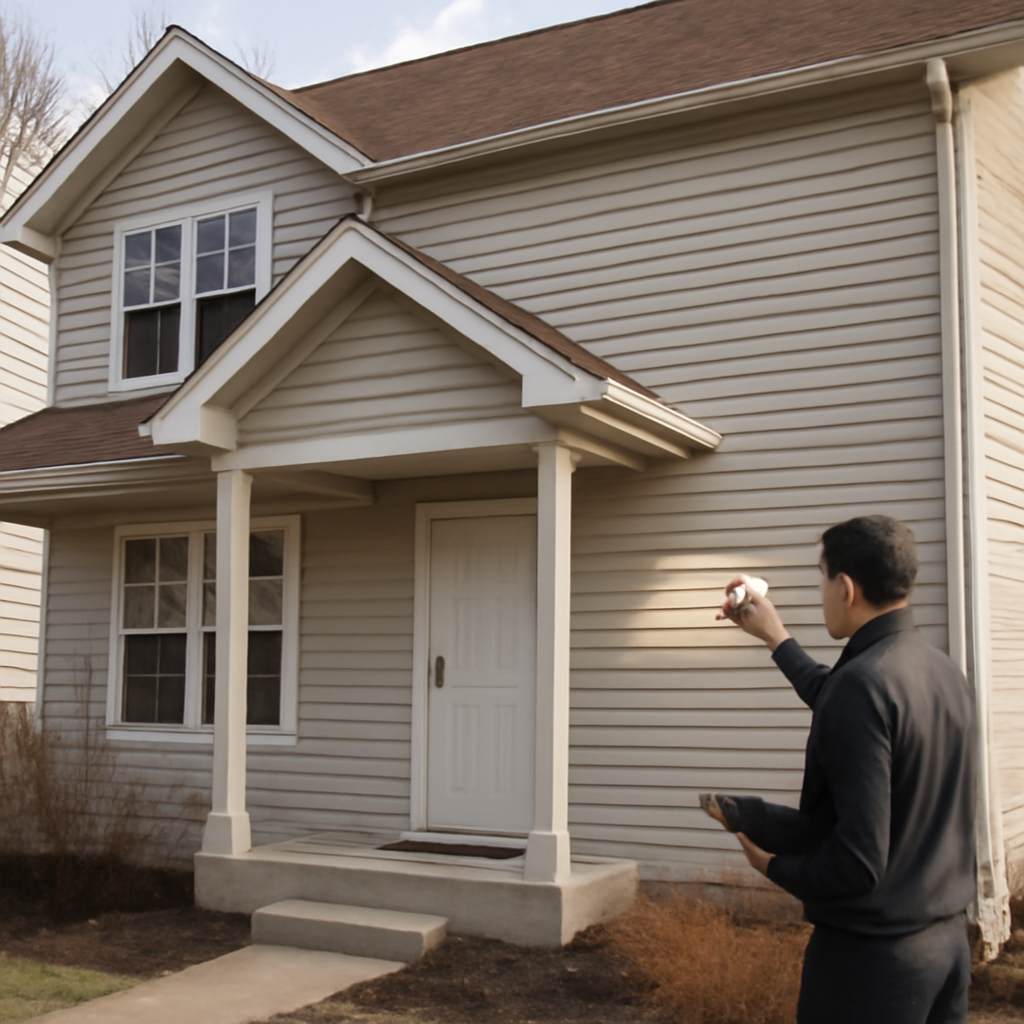
Platteville is a small historic farm town in southern Weld County, set along the South Platte River amid agricultural land and active oil-and-gas development in the Wattenberg field. Its housing ranges from late-1800s downtown homes to newer subdivision edges and rural acreage on wells and septic. A home inspection is the buyer’s independent, top-to-bottom evaluation of a property’s condition before closing. For a Platteville purchase, where homes vary widely and the surroundings add their own considerations, that evaluation turns an emotional decision into an informed one. This page explains what home inspection platteville buyers should expect, why local conditions shape the inspection, and how to choose a qualified inspector.
Home inspection in Platteville: what to know
A home inspection is a visual, non-invasive assessment of a home’s major systems and components: roof, structure, foundation, electrical, plumbing, heating and cooling, insulation, and the visible interior and exterior. The inspector reports what works, what is nearing the end of its life, and what needs attention, then summarizes it in a written report a buyer uses to negotiate or plan. The inspection is not a pass-fail test; it is a condition snapshot that informs decisions.
Platteville’s housing variety makes a thorough inspection valuable. An older downtown home carries the quirks of century-old construction, a newer subdivision house has different concerns, and a rural property on acreage adds wells, septic systems, and outbuildings to the scope. Because Colorado does not license home inspectors, the inspector’s credentials and standards adherence matter more than any state requirement. Our buyer’s guide to hiring a home inspector walks through what separates a thorough inspector from a cursory one.
For a Platteville buyer, the inspection is also the gateway to specialized follow-ups. An inspector may flag conditions that warrant a dedicated radon test, a mold assessment given the high water table, or a sewer scope, particularly on older or rural properties. Treating the general inspection as the first layer, with targeted tests where the home’s age or setting warrants them, gives the most complete picture before closing.
Why Platteville homes need a thorough inspection
Local conditions create specific things to look for. Weld County sits in EPA Radon Zone 1, so basement Platteville homes warrant attention to radon entry points and any existing mitigation system. The South Platte high water table and surrounding irrigation drive basement and crawl-space moisture, so an inspector examines grading, foundation seepage, and drainage closely. Freeze-thaw cycles and the clay-and-alluvial valley soils work on foundations, making structural movement worth a careful look.
Downtown Platteville’s age adds another layer. Late-1800s and early-1900s homes may have aged electrical systems, shallow or stone foundations, outdated plumbing, and decades of remodeling that an inspection evaluates for safety and function. These homes can be sound, but a buyer needs to know which systems have been updated and which are original, since that drives both safety and future budget. Pre-1978 stock also raises lead and asbestos considerations a buyer may want to test.
Rural Platteville acreage brings systems a town home does not have. Properties on private wells and septic need their water source and waste system assessed, and while a standard inspection is visual, the inspector flags conditions that call for a dedicated well-flow test or septic evaluation. The area’s oil-and-gas activity in the DJ Basin and Wattenberg field also makes buyers on certain parcels aware of nearby wells and flowlines, a setting context an inspector can note even though subsurface energy infrastructure is outside a home inspection’s scope. A thorough Platteville inspection accounts for all of this.
What a Platteville home inspection covers
A standard inspection follows a recognized standards of practice, such as those published by InterNACHI or ASHI, covering the home’s readily accessible systems and components.
Structure, roof, and exterior
The inspector evaluates the foundation, framing where visible, roof covering and flashing, gutters, siding, grading, and drainage. On a Platteville home, this means looking closely at foundation movement from valley soils, freeze-thaw damage, and the drainage and grading that govern whether the high water table reaches the basement.
Systems and interior
Electrical panels and wiring, plumbing supply and drainage, water heaters, the heating and cooling equipment, evaporative coolers where present, insulation, ventilation, windows, doors, and interior finishes all fall within scope. The inspector tests representative fixtures and outlets, checks for moisture indicators, and notes safety concerns such as missing GFCI protection or improper venting. On a rural Platteville property, the visible portions of well equipment and the septic area are observed, with recommendations for specialized testing where warranted. The result is a written report, usually with photos, documenting the home’s condition.
Home inspection cost in Platteville
A standard home inspection in the Platteville and Weld County market typically runs about $350 to $600 for a single-family home, with price driven mainly by square footage, age, and complexity. Larger homes on acreage and older downtown properties sit at the higher end because they take longer to inspect thoroughly.
Add-on services raise the total. A radon test, advisable given Weld County’s Zone 1 status, a mold or moisture assessment given the high water table, a sewer scope, a well-flow test, or a septic evaluation each add to the base fee, but bundling them with the inspection is usually more economical than separate trips. A rural Platteville property may justify several of these add-ons given its wells, septic, and outbuildings.
Against the price of the home, the inspection is inexpensive insurance. An inspection that surfaces a failing roof, a foundation issue, chronic basement moisture, or an aging mechanical system gives the buyer leverage to negotiate repairs or credits worth many times the inspection fee. Skipping the inspection to win a competitive offer can leave a buyer holding a costly surprise after closing, which is rarely a good trade on a major purchase.
Platteville regulations and disclosure
Colorado does not license home inspectors, so there is no state credential to rely on. Reputable Platteville inspectors hold certification through national bodies like InterNACHI or ASHI and follow a published standards of practice, which is the practical assurance of competence. The Seller’s Property Disclosure requires sellers to report known material defects, but disclosure depends on what the seller knows, so the buyer’s independent inspection is the real safeguard.
Platteville is an incorporated Weld County town, so permitting for repairs identified during the inspection runs through the town and county as applicable. For a rural property, the buyer should also understand county requirements around wells and septic, since these systems carry their own permitting and inspection considerations at transfer. An inspector familiar with Weld County rural properties can flag these issues so a buyer addresses them before closing rather than after.
Neighborhoods and areas served
Home inspection in Platteville serves all property types: older downtown Platteville homes and the original grid, newer subdivision homes on the edges, and rural acreage on wells and septic across the surrounding farmland. Coverage typically extends to adjacent Fort Lupton, Gilcrest, La Salle, Mead, and Hudson, which share Platteville’s South Platte valley conditions and housing mix.
For buyers comparing options, a pre-purchase inspection in Platteville covers the transaction-focused angle in more detail, and nearby home inspection in Fort Lupton reflects the same regional conditions just downstream for buyers weighing properties in both towns.
How to choose a Platteville home inspection provider
Ask whether the inspector is certified through InterNACHI or ASHI, follows a published standards of practice, and provides a detailed written report with photos. A good inspector welcomes you to attend the inspection and explains findings in plain terms, distinguishing safety concerns from cosmetic items and routine maintenance.
For a Platteville property, confirm the inspector is comfortable with the specific home type, century-old downtown construction, a newer subdivision home, or rural acreage with wells and septic, since these demand different expertise. Ask which add-ons they recommend given Weld County’s Zone 1 radon status, the high water table, and the property’s age, and look for an inspector who advises the tests the home actually warrants rather than upselling every option. That judgment is what makes the inspection genuinely useful for your decision.
The Platteville home inspection report and how to use it
The written report is the lasting product of the inspection, and knowing how to read it makes the exercise pay off. A good report organizes findings by system, documents each with photos, and distinguishes three broad categories: safety concerns that warrant prompt attention, deferred maintenance and aging components that will need budgeting over time, and minor or cosmetic items worth noting. For a Platteville buyer, the safety and major-defect items are what drive negotiation, while the maintenance items become a roadmap for the years after closing.
Reading the report well means resisting two opposite reactions. A long list of findings can look alarming, but many entries on any older downtown home, or even a newer subdivision house, are routine and expected rather than deal-breaking. At the same time, a clean-looking report does not mean a perfect home; inspections are visual and non-invasive, so an inspector reports what is accessible and observable, not what is sealed inside a wall or buried beneath the slab. The most valuable conversation is the one where the inspector helps you weigh which findings matter for your decision and which are normal for the home’s age and type.
The report also guides next steps. When an inspector flags a condition outside a general inspection’s scope, an aging furnace an HVAC technician should evaluate, signs of past moisture from the high water table that warrant a mold assessment, or an older sewer line worth scoping, the report tells you which specialists to bring in before your contingency closes. Treating the report as a starting point for targeted follow-up, rather than a final verdict, is how a Platteville buyer extracts full value from it.
Seasonal timing for a Platteville inspection
The plains climate’s distinct seasons affect what an inspection can observe, which is worth knowing when you schedule. A winter inspection lets the inspector see how the heating system performs under real load and can reveal snowmelt drainage problems around the foundation, but deep snow can hide roof surfaces and grading, and frozen ground masks drainage patterns, so some conditions are harder to assess. A summer inspection allows full evaluation of the roof, exterior, grading, and the cooling system, including any evaporative cooler, but the furnace can only be spot-checked rather than run under cold-weather demand.
Spring and irrigation season carry a special advantage in Platteville. The South Platte high water table rises and surrounding fields begin watering during these months, which is exactly when basement seepage and crawl-space moisture reveal themselves, making any water intrusion far easier to catch than in dry winter. A buyer who can time an inspection to coincide with high groundwater gains a clearer read on the home’s most consequential local risk. No single season is perfect, and the contract timeline usually dictates when the inspection happens, so the practical takeaway is to note which conditions the season may have hidden and follow up after closing, running a winter-bought home’s air conditioning the next summer, or watching the basement through the first irrigation season on a property purchased in the dry months. An inspector who flags these seasonal limits helps a Platteville owner know what still needs watching.
References
- Standards of Practice for home inspections — International Association of Certified Home Inspectors
- Standard of Practice — American Society of Home Inspectors
- Radon risk and EPA zone maps — U.S. Environmental Protection Agency
From century-old downtown homes to acreage on wells and septic, a thorough inspection is what turns a Platteville purchase into an informed one. To connect with a vetted Weld County inspector before your closing deadline, get in touch through our contact page.