Does Black Mold Cause Cancer? What the Science Says
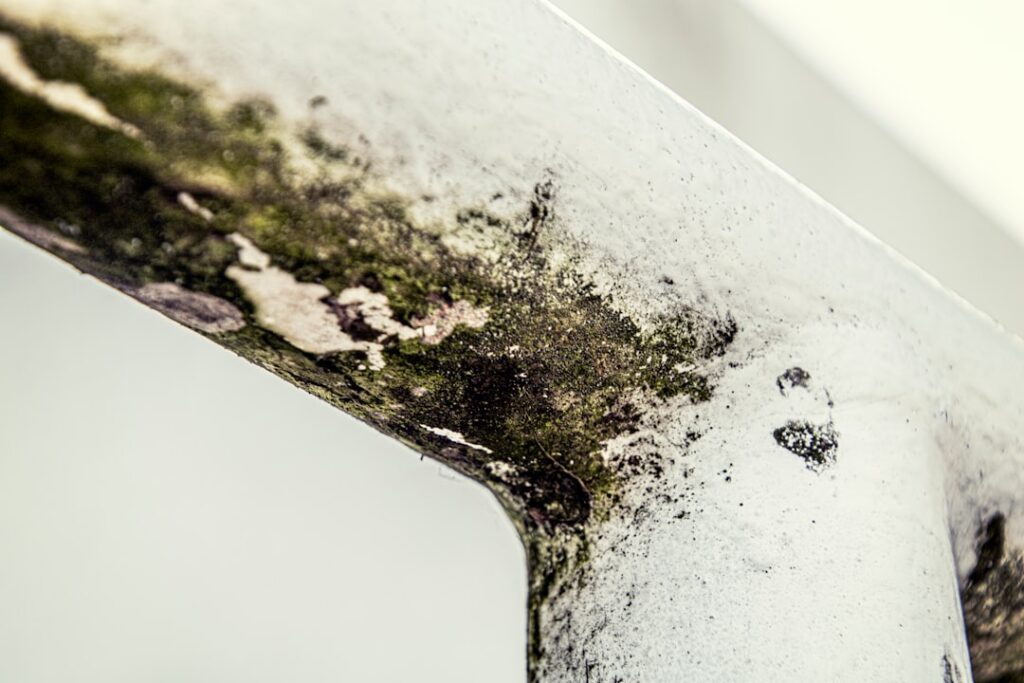
“Toxic black mold” is one of the most alarming phrases a homeowner can read after finding a dark patch on the wall, and it often leads straight to the question of whether black mold causes cancer. The short, evidence-based answer is that there is no conclusive scientific proof linking ordinary household black mold exposure to cancer. This guide summarizes EPA, CDC, and NIH guidance current as of 2026 and offers general information, not medical advice — anyone concerned about symptoms or a specific health condition should consult a physician.
Part of our Black Mold & Your Health guide — start there for the full picture →
Is this mold, asbestos, or water damage? Get a free instant screen
Upload a clear photo of the suspect area. You'll get an instant AI screening opinion and what to do next. This is screening guidance, not a professional determination.
Screening guidance only. AI can be wrong. Confirm asbestos, mold type, or lead with lab testing or a licensed professional before acting.
Does Black Mold Cause Cancer?
Based on the position of major public health agencies, there is no conclusive evidence that exposure to black mold in homes causes cancer. The mold most people mean by “black mold” is Stachybotrys chartarum, a greenish-black mold that grows on very wet, cellulose-rich materials like soaked drywall. The CDC states plainly that while molds can produce toxic substances called mycotoxins, there is no proof that everyday household exposure to this mold causes the serious illnesses sometimes attributed to it, and that includes cancer.
What black mold and other indoor molds can do is irritate the airways and trigger allergy or asthma symptoms in sensitive people. That is a real and well-documented effect, and it is the reason any indoor mold problem should be addressed. But the leap from “mold causes irritation and allergic reactions” to “mold causes cancer” is not supported by the current evidence for typical home exposures.
Where the Cancer Fear Comes From
The concern is not invented out of nothing — it stems from real science about mycotoxins, applied beyond what the data support. Some molds produce mycotoxins, and certain mycotoxins have been studied in the context of cancer. The clearest example is aflatoxin, produced by Aspergillus molds, which the International Agency for Research on Cancer classifies as a human carcinogen. Crucially, that link comes from ingesting large amounts of aflatoxin-contaminated food, such as improperly stored grains and nuts, not from breathing mold spores in a house.
The distinction matters. Eating heavily contaminated food over time is a different exposure route and dose than living in a home with mold on a wall. Public health agencies have not established that inhaling mold spores from indoor growth delivers carcinogenic doses of mycotoxins. The popular fear collapses the difference between a documented food-safety hazard and ordinary indoor air. Our guide explaining what black mold actually looks like can help homeowners identify growth without jumping to worst-case conclusions.
Dose is the concept that gets lost in the alarm. Toxicology has a founding principle that the dose makes the poison — almost any substance is harmful at a high enough exposure and harmless at a low enough one. The aflatoxin cancer link involves repeated dietary intake of measurable quantities. Indoor air, even in a home with visible mold, generally does not deliver anything close to those quantities through the lungs. That does not make indoor mold desirable; it makes the specific leap to cancer unsupported by the evidence for typical residential exposure. Public health agencies have looked at this question and have not drawn the cancer conclusion that headlines and some marketing imply.
What Black Mold Can Realistically Do to Health
The genuine health effects of indoor mold, including black mold, are real but more modest than cancer. The CDC and EPA associate damp, moldy indoor environments with:
- Nasal congestion, sneezing, and runny nose
- Throat irritation and coughing
- Eye irritation
- Wheezing and aggravation of asthma in those who have it
- Allergic reactions in people sensitive to mold
People with allergies, asthma, weakened immune systems, or chronic lung disease are more likely to react and may have more severe symptoms. In rare cases, people with seriously compromised immune systems can develop fungal infections, but that is distinct from cancer and applies to a specific vulnerable population. For the broader symptom picture, our overview of whether mold can cause a sore throat walks through how these reactions present.
Why Species Identity Matters Less Than You Think
Many homeowners want to know whether the mold they found is the “toxic” kind. From a practical standpoint, the EPA advises that all indoor mold should be removed and the moisture controlled, regardless of color or species. You do not need to identify Stachybotrys specifically to act, because the cleanup steps are identical for any mold, and any mold growing indoors signals a moisture problem worth fixing. Spending money on species testing rarely changes what you do next. The constructive response to any dark growth is the same: stop the moisture, remove the mold safely, and dry the area.
When to See a Doctor
While black mold is not a proven cancer cause, symptoms still deserve attention. See a physician if you have persistent coughing, wheezing, shortness of breath, or chest tightness, especially if they worsen at home and ease elsewhere. People with asthma should seek care if mold seems to trigger attacks. Those with weakened immune systems or chronic lung conditions should be especially cautious and consult their doctor about any exposure.
A doctor or allergist can test for mold allergy and evaluate respiratory symptoms, which is far more useful than worrying about cancer risk that the evidence does not support. If a health concern is driving the question, medical evaluation gives a real answer where speculation about toxic mold does not.
Why the Myth Persists
If the science is reassuring, why does the “black mold causes cancer” idea endure? Part of the answer is commercial. Some remediation marketing leans on fear because alarm sells expensive services, and a frightened homeowner is less likely to question the price or scope. Part of it is the natural human tendency to attribute vague, hard-to-explain symptoms — fatigue, headaches, brain fog — to a visible, dramatic cause like a dark patch on the wall. And part of it is the genuine but misremembered kernel of truth about mycotoxins, stripped of the crucial context about exposure route and dose.
Recognizing these pressures helps homeowners respond calmly. A dark patch warrants cleanup and a moisture fix, not a five-figure scare-driven contract. When evaluating a remediation company, our guidance suggests being wary of fear-based sales tactics and getting multiple written estimates. The appropriate emotional register for finding black mold is mild annoyance at a maintenance task, not dread of a diagnosis.
The Practical Takeaway
The reassuring bottom line is that finding black mold in a home is a moisture and cleanup problem, not a cancer diagnosis. The fear traces back to real but misapplied science about mycotoxins in food, not inhaled spores in houses. Indoor mold can irritate airways and trigger allergies, so it should be removed — but removing it is a manageable task, not an emergency rooted in cancer risk.
Focus energy where it pays off: keep indoor humidity between 30 and 50 percent, fix leaks within 24 to 48 hours, run exhaust fans, and clean small areas of mold using EPA-recommended methods or hire a professional for large growth. Address the dampness, and the mold — along with the worry — goes away.
What the Research Actually Shows
It helps to look at what the science base genuinely supports about indoor mold and health. Reviews of damp-building research, including work summarized by NIH’s National Institute of Environmental Health Sciences, consistently link dampness and mold to respiratory effects: aggravated asthma, increased coughing and wheezing, and upper-airway irritation. These associations are well established. What the same body of research does not establish is a causal link between living in a moldy home and developing cancer. That distinction is not a loophole; it reflects where the evidence actually points after decades of study.
The mycotoxin story is similarly bounded. Molds can produce mycotoxins, and some mycotoxins are harmful at sufficient doses through specific routes — aflatoxin in contaminated food being the clearest carcinogen example. But measuring meaningful airborne mycotoxin doses from typical indoor growth has not been demonstrated, and agencies have not concluded that home mold exposure delivers carcinogenic doses by inhalation. Reading the research this way lets a homeowner take mold seriously as a respiratory and building issue without importing a cancer fear the data do not support.
Vulnerable Groups and Real Risks
While cancer is not the concern, some people do face genuine mold-related risks that deserve attention. People with asthma can have attacks triggered by mold exposure. People with significant allergies may have pronounced reactions. And people with seriously weakened immune systems — such as those undergoing chemotherapy, organ-transplant recipients, or those with advanced HIV — can in rare cases develop invasive fungal infections from certain molds. These are specific, documented risks tied to particular conditions, and they are different in kind from a cancer risk for the general population.
For these vulnerable individuals, prompt mold removal and good moisture control are genuinely protective, and a physician should be involved in decisions about exposure. For everyone else, the appropriate response to black mold remains a measured one: clean it up, fix the moisture, and move on. Recognizing who is actually at elevated risk keeps the response proportionate — vigilant where it matters, calm where the evidence is reassuring.
How to Respond to Black Mold Without Panic
The constructive response to finding black mold is the same one the EPA recommends for any indoor mold, and it is reassuringly ordinary. First, find and fix the moisture source — a leak, condensation, or chronic humidity — since mold cannot grow without it. Then remove the mold: a hard-surface area under about 10 square feet can be cleaned by a homeowner with detergent, water, an N95 respirator, gloves, and goggles, while larger growth or anything tied to flooding should go to a professional. Discard porous materials like saturated drywall and carpet rather than trying to salvage them. Finally, dry the area thoroughly and keep humidity between 30 and 50 percent so it does not return.
Notice what is absent from that list: species testing, emergency evacuation, and cancer screening. None of those are warranted for typical household mold. Identifying whether the growth is Stachybotrys or another mold rarely changes the cleanup, which is why the EPA generally does not consider sampling necessary when mold is visible. The energy that worry about cancer would consume is far better spent on the moisture fix that actually solves the problem. For the practical steps of assessment and cleanup, our mold inspection and testing hub lays out what each stage involves.
When to Involve a Doctor or a Professional
There are clear situations that do call for outside help, just not for the reasons the cancer myth suggests. Involve a physician if you or a household member has persistent respiratory symptoms — coughing, wheezing, shortness of breath, chest tightness — especially if they worsen at home, or if someone has asthma that mold seems to trigger. People with weakened immune systems should consult their doctor about exposure. An allergist can confirm whether symptoms are mold-related, which gives a real answer.
Bring in a remediation professional when growth exceeds about 10 square feet, when it followed flooding or sewage, when it is in the HVAC system, or when a musty smell points to a hidden source. These thresholds are about scope and safety, not cancer risk. Matching the response to the actual situation — medical care for genuine symptoms, professional remediation for large jobs, calm DIY cleanup for small ones — is how to handle black mold sensibly, free of the fear the evidence does not support.
References
- About Mold and Your Health — Centers for Disease Control and Prevention
- Mold and Health — U.S. Environmental Protection Agency
- Mold and Indoor Dampness — National Institute of Environmental Health Sciences (NIH)
Frequently asked questions
Does black mold cause cancer?
There is no conclusive evidence that household black mold exposure causes cancer, according to the CDC. While some molds produce mycotoxins, the documented cancer links involve ingesting contaminated food, not breathing indoor mold spores. Black mold can still irritate airways and trigger allergies, so it should be removed.
Is black mold the same as toxic mold?
"Toxic black mold" usually refers to Stachybotrys chartarum. It can produce mycotoxins under the right conditions, but the CDC states there is no proof that ordinary household exposure causes the serious illnesses often attributed to it. All indoor mold should be removed regardless of species.
Should I test my mold to see if it is the cancer-causing kind?
Usually not. The EPA advises removing all indoor mold and controlling moisture regardless of species, since the cleanup steps are the same. Species testing rarely changes what you do, so the money is often better spent on remediation and fixing the moisture source.
When should I see a doctor about mold exposure?
See a physician for persistent coughing, wheezing, shortness of breath, or symptoms that worsen at home. People with asthma, weakened immune systems, or chronic lung disease should be especially cautious. A doctor or allergist can evaluate symptoms and test for mold allergy.
If black mold has appeared in your home and you want a clear, calm assessment of the moisture behind it, Front Range homeowners can reach a vetted inspector through our contact page.