That Black Mold Outside Your House Is Probably Algae
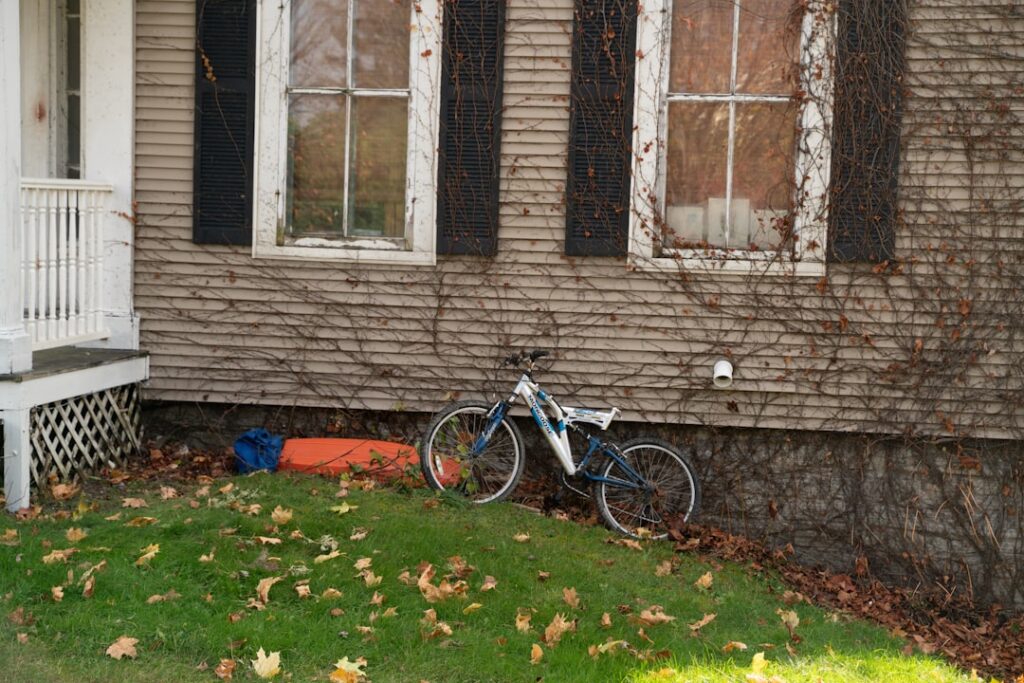
You spot a dark gray streak running down the vinyl siding, a fuzzy patch on the shaded north brick, or a black film creeping across the deck rail. It looks like the toxic black mold people warn about indoors. Almost always, it is not. Exterior dark growth on a house is usually algae, mildew, or lichen, and it responds to a bucket and a soft brush rather than a remediation crew. Here is how to tell what you are looking at, whether it matters, and how to remove it without damaging the surface underneath.
Part of our Black Mold & Your Health guide — start there for the full picture →
Is this mold, asbestos, or water damage? Get a free instant screen
Upload a clear photo of the suspect area. You'll get an instant AI screening opinion and what to do next. This is screening guidance, not a professional determination.
Screening guidance only. AI can be wrong. Confirm asbestos, mold type, or lead with lab testing or a licensed professional before acting.
Is it actually mold, or algae?
The single most common culprit on siding and roofs is not a mold at all. It is Gloeocapsa magma, a blue-green algae that shows up as flat black streaks, especially on north- and northeast-facing asphalt shingles. The other frequent offenders are Cladosporium and Alternaria — genuine molds that appear fuzzy or powdery — and lichen, which looks crusty or leafy and sometimes lifts off the surface.
What none of these is: Stachybotrys chartarum, the toxin-producing species behind indoor “black mold” fear. Stachybotrys needs three things a house exterior rarely offers — a wet cellulose substrate (drywall paper, ceiling tile, wallpaper backing), weeks of sustained moisture, and darkness. Vinyl, painted board, brick, stucco, and pressure-treated lumber are not cellulose. Sun, wind, and freeze-thaw cycles dry them within hours and expose them to UV, which suppresses fungal colonies. If you want the full picture of the species people actually worry about, see what black mold really is and how it differs from the pigmented growth on exterior surfaces.
Where it shows up, and why
Exterior growth follows moisture and shade, so it clusters in predictable places:
- North and northeast walls — less direct sun means surfaces stay damp longer.
- Lower siding courses near grade — rain and irrigation splash-back keep the bottom foot wet.
- Behind shrubs and under wide soffits — trapped shade and poor airflow.
- Roof slopes facing away from sun — the classic dark shingle streaks, worse where snow lingers.
- Flat wood surfaces — deck boards and railings collect leaf debris that feeds fungi.
Gutters are the culprit homeowners miss most often. A clogged gutter backs water onto fascia and soffit, and the staining spreads on the siding directly below. Because the growth traces the water path, the visual pattern usually points straight at the drainage problem causing it.
Does it put my health at risk?
The CDC’s position on outdoor mold is blunt: exposure is constant and unavoidable for everyone, and there is no practical way to eliminate mold and spores from the outdoor environment (CDC — About Mold). A healthy person walking past a stained fence or washing siding for an afternoon is not going to develop the symptoms tied to chronically water-damaged interiors. People with asthma, significant mold allergy, or a weakened immune system should wear an N95 respirator when scrubbing a heavily colonized surface up close, per EPA cleanup guidance.
The real reason to pay attention is what the staining signals about water. If a section of siding stays dark because it is chronically wet, the sheathing, framing, and insulation behind it may be wet too — and a wet wall cavity is precisely where a genuine indoor mold problem starts. Visible exterior staining is sometimes the first outward sign of that. If cleaning fails to keep an area clear, it is worth learning how to check for mold inside the wall before the problem moves indoors.
How to clean it off — by surface
EPA-aligned exterior cleaning means a mild detergent or dilute bleach solution, a soft brush, and low-pressure rinsing. Aggressive pressure washing splits siding seams, drives water behind cladding, and strips finishes; it is rarely necessary and often makes things worse.
Vinyl and aluminum siding
Mix one cup of household bleach into a gallon of water with a squirt of detergent. Pre-wet the wall and any plants below it, apply with a soft-bristle brush from the bottom up, let it dwell 5–15 minutes without drying, then rinse top-down at garden-hose pressure. Work in shade and keep solution out of open electrical penetrations.
Wood decking, fences, and trim
Use oxygen bleach (sodium percarbonate) instead of chlorine — it lifts staining from cedar, redwood, and pressure-treated lumber without bleaching the wood tone. Apply, let it dwell, scrub with a stiff brush, rinse, and re-seal once the wood is fully dry to slow regrowth. The same wood-safe approach works for the general mildew removal steps on other porous surfaces.
Brick, stucco, and stone
Masonry rewards patience. A cleaner labeled for exterior mold and mildew, applied with a low-pressure sprayer and left to dwell, beats hard scrubbing. High pressure erodes mortar joints and forces water deep into the wall. Note that dead lichen can permanently stain unsealed cedar shake or porous stone even after the organism is gone.
Asphalt roof shingles
The dark streaks are algae, not mold. The Asphalt Roofing Manufacturers Association and shingle makers recommend a 50/50 mix of household bleach and water, applied gently and rinsed — never pressure-washed, which strips the protective granules and shortens roof life. This is often safest left to a roof-cleaning specialist.
When exterior staining is a warning sign
Cosmetic streaking is one thing; three patterns deserve a closer look:
- Staining that returns fast. A panel or trim section that goes dark again within months of cleaning is being fed moisture from behind — a leak, a grading issue, or failed flashing.
- Soft or “punky” wood around the stain, which indicates fungal rot rather than surface growth.
- Interior staining or a musty odor on the same wall, which nearly always means the cavity is wet and an inspection is warranted.
On the Colorado Front Range, north-side stucco often stains after heavy spring snow packs against a shaded wall, then a hard freeze forces meltwater behind the cladding. Checking kickout diverters at roof-wall junctions, flashing, and downspout discharge usually reveals the moisture pathway. A qualified inspector can confirm hidden moisture with a meter and infrared thermography before anyone opens a wall — see how that fits into mold inspection services.
Preventing regrowth
Lasting control comes from drying the surface and cutting off the organic feed, not from cleaning more often:
- Trim shrubs back at least 18 inches from siding so air can circulate.
- Clean gutters twice a year, more under deciduous trees.
- Extend downspout discharge 4–6 feet from the foundation.
- Replace failing caulk at windows and door trim.
- Install zinc or copper strips near the roof ridge — trace metal ions in the runoff inhibit algae on the slope below.
- Repaint north-facing walls with a mildew-resistant exterior paint, which can stretch cleaning intervals from one year to three or more.
Frequently asked questions
Frequently asked questions
Is black mold outside my house dangerous?
Exterior dark growth is rarely the toxin-producing Stachybotrys species that concerns people indoors — it is usually algae, mildew, or lichen. Healthy occupants face minimal risk from passing exposure, and routine cleaning handles most surfaces. People with asthma or a weakened immune system should wear an N95 when scrubbing heavily colonized areas up close.
Will pressure washing remove it from my siding?
It can, but high pressure often splits siding seams and drives water behind the cladding, which can create a new interior moisture problem. A soft brush with dilute bleach on vinyl, or oxygen bleach on wood, is safer and works on most exterior growth.
Does exterior mold mean there is mold inside my walls too?
Not always, but it is a useful signal. Staining that returns quickly after cleaning, soft wood, or interior staining on the same wall suggests the cavity may be wet. A moisture meter and infrared scan can confirm hidden moisture before anything is opened up.
How often should I clean it off?
Every one to three years is typical for vinyl and painted surfaces in a moderate climate. Shaded north walls and wood decking may need annual attention. Clearing gutters, trimming plants, and extending downspouts lengthens the interval considerably.
Guidance here reflects current EPA and CDC mold recommendations; for testing decisions consult a certified inspector and for symptoms consult your physician. Colorado homeowners can also review the state’s mold guidance from CDPHE and the NIEHS mold health overview. If exterior staining has you worried about what is behind the siding, get in touch for a connection to a qualified local inspector.