Mold Testing in Lyons, Colorado | InspectandTest
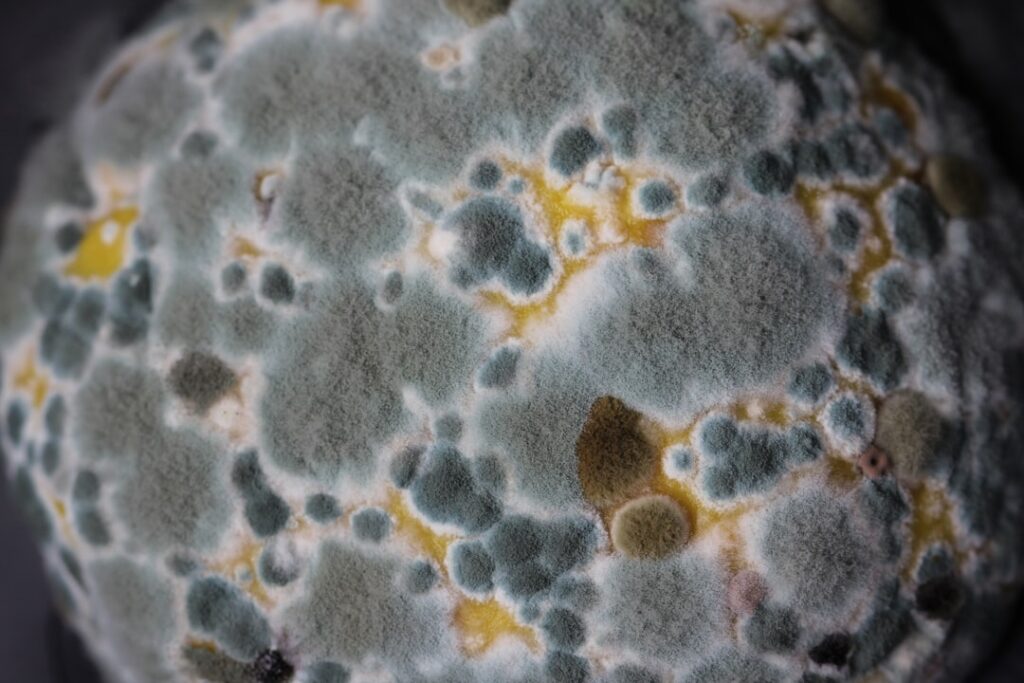
Mold testing answers a narrower question than a full inspection: it puts a number or a species name on what is in a home’s air or on a surface. In Lyons, a red-sandstone quarry town where the North and South St. Vrain Creeks meet and the catastrophic 2013 flood reshaped many basements, that documentation can matter for a sale, an insurance discussion, or an occupant with unexplained symptoms. This page explains how mold testing lyons homeowners arrange actually works, when sampling is worth the cost, and what local pricing looks like. This summary reflects EPA and CDC guidance current as of 2026; consult a certified professional for testing decisions and your physician for any health symptoms.
Part of our Mold Testing & Inspection guide — start there for the full picture →
Is this mold, asbestos, or water damage? Get a free instant screen
Upload a clear photo of the suspect area. You'll get an instant AI screening opinion and what to do next. This is screening guidance, not a professional determination.
Screening guidance only. AI can be wrong. Confirm asbestos, mold type, or lead with lab testing or a licensed professional before acting.
Mold testing in Lyons: what to know
Mold testing means collecting samples of air or surfaces and sending them to a laboratory that identifies and counts mold spores. The two common approaches are air sampling, which captures airborne spores for comparison against an outdoor baseline, and surface sampling, which lifts material from a visible spot to confirm what it is. Testing does not, by itself, fix anything; it documents conditions at one moment in time. The repair still depends on finding and stopping the water source.
It helps to separate testing from inspection. An inspection looks for the moisture problem and the growth; testing quantifies spores. Most Lyons homes with obvious visible mold and an obvious leak do not strictly need lab work, because the action is the same either way: fix the water and clean the area. For the broader framework of how the two fit together, our mold inspection and testing hub lays out the decision, and homeowners can also see how testing fits the wider regional picture in mold testing across Boulder County.
What makes Lyons testing distinct is the flood backdrop. A buyer looking at a home that took on water in 2013 may want documented air results precisely because the moisture history is uncertain and the remediation quality is unknown. In that situation a lab number provides evidence that a verbal assurance cannot.
Why Lyons homes need mold testing
The 2013 St. Vrain flood is the central reason documented testing comes up so often here. Floodwater and silt filled basements across Downtown Lyons and Apple Valley, and the recovery happened under enormous pressure. Some homes were remediated to a high standard; others were patched. When a buyer cannot tell which, an air sample comparing indoor spore levels to an outdoor baseline gives an objective reading of current conditions behind those rebuilt walls.
Local geography keeps moisture in play even without a flood. Lyons sits at a creek confluence with a high water table in places, and spring snowmelt off the foothills saturates soil against foundations. Older sandstone and frame homes in the historic late-1800s downtown predate modern vapor barriers, so rising damp through masonry is common, and freeze-thaw cracking opens new paths each winter. A musty smell with no visible source in one of these homes is a classic case where air testing earns its keep.
Symptoms drive some testing too. A household reporting persistent congestion, irritation, or asthma flare-ups in a particular below-grade room may want to know whether elevated spores are present. Testing cannot diagnose illness, and the EPA does not set numeric health thresholds for indoor mold, but a documented comparison of the suspect room to outdoor air can help decide whether to dig deeper into a wall cavity.
What Lyons mold testing covers
A testing visit is methodical because lab results are only as good as the sampling that produced them. The technician documents conditions, locations, and methods so the report holds up.
Air sampling
Air sampling draws a measured volume of air through a spore-trap cassette, usually capturing one outdoor control sample and one or more indoor samples. The lab counts and identifies spores, and the analyst compares indoor counts and types against the outdoor baseline. Indoor levels meaningfully higher than outside, or indoor-dominant species that are scarce outdoors, suggest an indoor amplification source. In a Lyons basement, an air sample taken under closed-house conditions gives the most representative reading.
Surface sampling
Surface sampling uses a tape lift or swab on a visible spot to confirm whether a stain is mold and which type. This is useful for documentation, for distinguishing mold from soot or mineral efflorescence on sandstone, and for clearing a finding after remediation. Surface sampling tells you what a spot is, not how much is in the air.
Post-remediation verification
After a cleanup, a clearance test, typically air sampling that shows indoor levels back in line with outdoors, documents that the work succeeded. For a flood-history Lyons home being sold, a clean clearance result is strong reassurance to a buyer. The decision of which sampling to use, and when, mirrors the inspection logic detailed in our mold inspection in Lyons guide.
Mold testing cost in Lyons
In the Lyons and Boulder County market, laboratory mold samples generally run about $100 to $200 each once lab fees are included. A common two-sample job, one outdoor control plus one indoor air sample, typically lands around $250 to $450, while adding more rooms or surface lifts raises the total. When testing is bundled with a visual inspection, the combined visit is usually more economical than booking each separately.
Several local factors shape the bill. A flood-history home may warrant more sample points to check multiple rebuilt areas. A tight crawl space under an older sandstone home can complicate access. A symptom-driven test focused on a single basement bedroom may need only one indoor sample plus the control, keeping costs at the low end.
Consider what the number buys. For a few hundred dollars, a documented air comparison can confirm whether a rebuilt basement reads clean or whether spore levels point to a concealed source worth opening up. In a transaction, that evidence can be decisive, and it costs a small fraction of the remediation it might prevent or justify. For a Lyons seller, a clean documented result can also be a proactive selling point, heading off a buyer’s flood-history concerns before they become a negotiation sticking point. The modest expense often returns its value simply by keeping a deal on track rather than letting uncertainty about a rebuilt basement stall it.
Lyons regulations and disclosure
Colorado does not license mold testers, set indoor mold limits, or certify clearance, so lab accreditation and proper sampling method matter more than any state credential. Use a provider whose samples go to an accredited laboratory and who follows recognized collection protocols. The Colorado Seller’s Property Disclosure asks sellers to report known water damage, flooding, and mold, which carries real weight in Lyons given the 2013 event. Documented test results, clean or not, become part of that disclosure record.
Because there is no state numeric standard, treat any lab report as evidence to interpret rather than a pass-fail certificate. A responsible provider explains what the spore counts and species mean in context, including the outdoor baseline, instead of declaring a home unsafe based on a single elevated number. That interpretation is where experience matters most.
Neighborhoods and areas served
Testing demand tracks moisture history across Lyons. Downtown Lyons and Apple Valley, closest to the creek confluence, carry the heaviest flood legacy and the most frequent requests for documented air results. Eagle Canyon and Stone Canyon homes on foothills slopes more often test in response to snowmelt seepage or a specific leak than to past river flooding. Historic-district sandstone homes add the question of distinguishing true mold from masonry efflorescence, where surface sampling helps.
Service generally reaches the surrounding St. Vrain corridor and foothills, including Longmont down the valley, nearby Hygiene, Pinewood Springs, and Estes Park along CO-7. Homeowners in adjacent Longmont and across the county can compare approaches through the Boulder County mold testing overview. The sampling plan adapts to whether the concern is a flooded basement, a snowmelt-prone slope, or an aging home on well and septic.
How to choose a Lyons mold testing provider
Pick a provider who treats testing as a decision, not a default. A good technician asks why you want a sample, whether visible mold and a leak already make testing unnecessary, and what an air or surface result would actually change. They collect a proper outdoor control, document closed-house conditions, send samples to an accredited lab, and explain results against that baseline rather than against a scary-sounding absolute. Because Colorado does not regulate the field, ask about lab accreditation and sampling protocol directly.
Watch for conflicts of interest. A provider who both tests and sells remediation has an incentive to find a problem, so an independent tester, or at least clear separation between testing and cleanup, protects you. Request a written report with sample locations, lab data, the outdoor comparison, and a plain-language interpretation. For a flood-history Lyons home, ask specifically how the provider would verify a past remediation. Straight, baseline-anchored guidance is the mark of a tester worth hiring, and many buyers coordinate testing alongside a full inspection during a purchase.
Reading a Lyons mold report
A lab report can look intimidating, but for a Lyons homeowner it comes down to a few practical comparisons. The analyst reports spore counts and the genera identified in each sample, and the single most useful figure is how the indoor counts compare to the outdoor control taken the same day. Outdoor air in the St. Vrain corridor carries its own seasonal mix of spores, heavier in late summer and fall when vegetation is active, so the control is what gives the indoor numbers meaning. A high indoor count that simply mirrors a high outdoor day tells a very different story than an indoor count that towers over a clean outdoor baseline.
The species matter as much as the totals. Certain water-loving molds appear in meaningful numbers indoors mainly when there is a persistent wet surface, so their presence in a Lyons basement air sample points toward a real moisture source rather than ordinary tracked-in spores. A responsible report flags that pattern and ties it to the inspector’s moisture findings, connecting the lab data to the actual leak, seepage, or condensation observed on site. Numbers without that context are easy to misread in either direction.
For a flood-history home, the report’s value is in what it lets a buyer conclude about a rebuilt space. An indoor air sample from a reconstructed basement that reads in line with outdoors, with no indoor-dominant water-loving species, is meaningful reassurance that the rebuild did not seal a problem inside the wall. A result that runs high, by contrast, justifies opening a section of the rebuilt assembly to look for the source before closing. Used this way, a Lyons mold report is not a verdict on its own but a piece of evidence that, combined with a moisture inspection and the seller’s disclosure, helps a buyer make a sound decision rather than guessing about a home’s hidden history.
References
- Mold testing and sampling guidance — U.S. Environmental Protection Agency
- Mold and your health — Centers for Disease Control and Prevention
- A brief guide to mold, moisture and your home — U.S. Environmental Protection Agency
Frequently asked questions
Do I really need mold testing in Lyons, or just cleanup?
If mold is visible and the leak is obvious, you can usually skip lab testing and fix the source. Testing is most useful for documentation in a sale, for a musty odor with no visible mold, or to verify a past flood remediation.
What does an air sample actually measure?
An air sample captures airborne spores so a lab can count and identify them, then compare indoor levels to an outdoor control. Indoor levels well above outdoors, or indoor-dominant species, suggest a hidden indoor source.
How much does mold testing cost in Lyons?
Laboratory samples generally run about $100 to $200 each including lab fees. A typical outdoor-control-plus-indoor air test lands around $250 to $450, and bundling with a visual inspection is usually more economical.
Is there a Colorado legal limit for indoor mold?
No. Colorado and the EPA do not set numeric indoor mold limits, so results are interpreted against an outdoor baseline rather than a pass-fail number. A responsible provider explains spore counts and species in context.
Can testing confirm a flooded basement was fixed properly?
A post-remediation clearance test, usually air sampling showing indoor levels back in line with outdoors, documents that a cleanup succeeded. For a 2013 flood-history home, a clean clearance result is strong reassurance for a buyer.
If you need documented air results for a Lyons home sale, a flood-history basement, or an unexplained musty odor, mold testing puts evidence behind the question. To connect with a vetted local provider who interprets results against a proper baseline, get in touch through our contact page.