How to Become a Home Inspector in Idaho
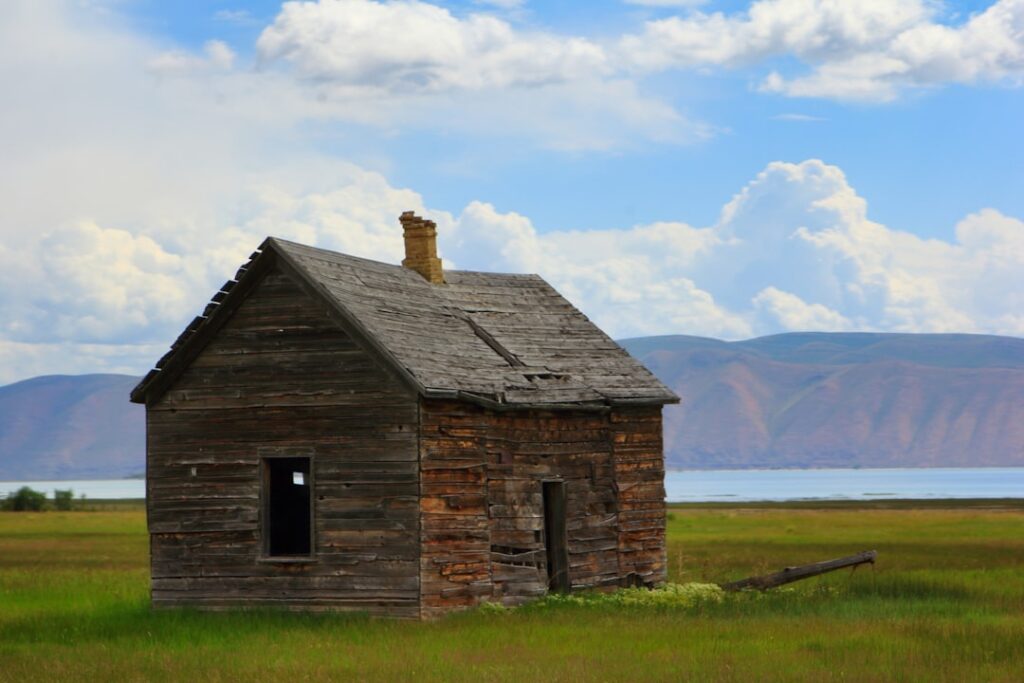
Idaho is one of the states that does not license home inspectors, which surprises many people researching how to become a home inspector in Idaho. The absence of a state license does not mean anyone should start inspecting unprepared. Buyers, real estate agents, and lenders still expect competence, and the practical path to a credible inspection business runs through national certification, hands-on training, insurance, and a defensible standard of practice. This guide explains what the unlicensed environment means in Idaho and how to build a business that earns trust without a state mandate forcing your hand.
Part of our How to Become a Home Inspector guide — start there for the full picture →
Does Idaho Require a Home Inspector License?
No. Idaho has no statewide home inspector licensing law, so there is no state exam or state-issued credential to obtain. That places the burden of demonstrating competence on the inspector rather than the state. In licensed states, a license assures clients of a baseline; in Idaho, that assurance comes from voluntary certification and a track record.
This freedom cuts both ways. Entry is faster and cheaper, but the market is also less protected, which makes a recognized certification more valuable as a differentiator. Serious entrants treat national-association membership as the substitute for the missing state license. Anyone exploring the field benefits from reviewing the broader overview of hiring a home inspector to see what clients judge inspectors against.
Why Certification Still Matters in an Unlicensed State
Without a license, certification becomes your primary signal of credibility. The two dominant national bodies are the American Society of Home Inspectors and the International Association of Certified Home Inspectors. Both publish a standards-of-practice document and a code of ethics, and both require members to complete training and, in some cases, pass an examination.
Real estate agents who refer clients tend to favor certified inspectors because the affiliation reduces their own liability. Carrying a recognized credential, displaying it in your marketing, and following a published standard of practice signals that you operate by professional norms rather than improvising. In an unlicensed state, that distinction is often what wins the referral.
Step One: Get Trained on Home Systems
Even without a mandated course, you need real knowledge of roofing, structure, electrical, plumbing, HVAC, insulation, and the rest of the systems an inspection covers. Many candidates enroll in a home inspection training program, which may be offered online, in classrooms, or through association-affiliated providers. Quality training compresses years of trial and error into a structured curriculum.
Look for a program that teaches a recognized standard of practice and includes report writing and the legal limits of a visual inspection. Hands-on or mentored field experience is the single best accelerator. Riding along with an experienced inspector or completing supervised inspections turns classroom concepts into on-site judgment.
Building Field Experience
Classroom learning identifies defects in theory; field experience teaches you to spot them on a cold roof in January. New Idaho inspectors often shadow a working inspector, perform practice inspections on their own homes and those of friends, and assemble a portfolio of sample reports. That experience also builds the speed needed to inspect a full home efficiently.
Step Two: Pass a Certification Exam
Although the state requires no exam, the major associations and many training programs use the National Home Inspector Examination or an equivalent assessment to confer certification. Passing it demonstrates competency and unlocks association membership tiers that carry more marketing weight. The exam covers systems knowledge, methodology, and standards of practice.
Preparation mirrors what licensed-state candidates do: review course materials, take practice exams, and focus on the standards document. A passing score gives you a credential to advertise, which matters more in Idaho precisely because there is no license to fall back on. Treat the voluntary exam as if it were mandatory.
Step Three: Get Insured
General liability and errors-and-omissions insurance protect you whether or not the state requires them. E&O coverage addresses the most common claim against inspectors, that they overlooked a defect. Many real estate agents will only refer inspectors who carry insurance, so coverage doubles as a business-development tool in Idaho’s open market.
Compare carriers and consider association group plans, which sometimes beat standalone pricing. Match your coverage limits to the value of the homes you inspect and the risk tolerance of the agents who refer you. Keeping proof of coverage handy reassures clients and partners that you stand behind your work.
Step Four: Set Up the Business
Register a business entity, choose report-writing software, and buy core tools: a moisture meter, an electrical tester, a sturdy ladder, a flashlight, and increasingly a thermal camera for energy and moisture clues. Clean, photo-rich reports delivered quickly are what generate repeat referrals from agents and direct clients.
Marketing in Idaho leans heavily on relationships, since there is no licensing roster for clients to search. Build connections with real estate agents, lenders, and title companies, and ask satisfied clients for reviews. Candidates planning the financial side can study a realistic look at what home inspector certification costs before investing.
Step Five: Keep Learning and Stay Current
Building codes, materials, and best practices evolve, and the associations require continuing education to maintain membership. Even in an unlicensed state, ongoing learning keeps your inspections accurate and your liability low. The International Code Council’s model codes, adopted in much of the country, are a useful reference for what current construction should meet.
Continuing education also signals professionalism to referral partners. An inspector who can speak to the latest code editions and energy standards stands apart from one who stopped learning after their initial course. In a market without a licensing floor, that ongoing investment is your competitive moat.
Standing Out in an Unregulated Market
The flip side of easy entry is crowded competition. Without a license to thin the field, Idaho’s inspection market rewards differentiation. The clearest way to stand apart is depth of credential and quality of work: a recognized certification, a published standard of practice, and reports that are noticeably more thorough and better organized than the average competitor’s.
Specialization is another lever. Adding radon testing, thermal imaging, or other services that not every inspector offers gives clients a reason to choose you and lets you capture work competitors cannot. Responsiveness matters too; agents refer the inspectors who answer the phone, deliver reports fast, and communicate findings clearly. In an unlicensed state, reputation does the work a license cannot, so building it deliberately from the first inspection is the smartest strategy.
How Idaho Compares to Licensed States
Understanding Idaho’s position helps new inspectors set expectations. In licensed states, candidates clear a regulated barrier, which limits competition and can support pricing, but entry costs more and takes longer. In Idaho, anyone can enter quickly and cheaply, which lowers the floor and raises the importance of voluntary credentials.
This matters if you ever plan to work across state lines or relocate. A national certification from the American Society of Home Inspectors or the International Association of Certified Home Inspectors travels with you and may satisfy or shorten requirements elsewhere, whereas an informal Idaho track record does not transfer as cleanly. Treating your Idaho practice as if you were in a licensed state, full certification, insurance, and a documented standard of practice, future-proofs your career and reassures clients who may not realize the state imposes no minimum.
The Day-to-Day Reality of Inspecting in Idaho
Before committing to the field, a candidate should picture the actual work. An Idaho inspector spends days on roofs, in attics, and inside crawlspaces, evaluating systems methodically while a buyer and agent wait on the results. The job is physically demanding and, in Idaho’s varied terrain and climate, can mean inspecting in heat, cold, or snow, and accessing homes built on slopes or with difficult roof pitches.
The interpersonal side is just as real. Inspectors explain findings to nervous buyers, navigate agents eager to keep a deal moving, and write reports clear enough to hold up if a dispute arises later. In an unlicensed state where reputation is everything, the ability to communicate findings calmly and clearly directly shapes whether referrals follow. Candidates who understand that the role blends physical fieldwork with client communication, rather than being purely technical, make a more informed decision about whether the career suits them.
Realistic Costs and Timeline
Without state licensing fees, Idaho entry costs less than in licensed states, but training, certification exams, insurance, tools, and software still add up to a meaningful figure in the low thousands of dollars. The timeline from training to first paid inspection can be as short as a couple of months for motivated candidates, faster than in states with mandated licensing periods.
Income builds with reputation. Early on, focus on doing thorough work and collecting referrals rather than maximizing volume. Idaho’s lack of a license lowers the barrier to entry, which means standing out depends on the quality and professionalism you bring to every inspection.
The candidates who succeed fastest in Idaho treat the absence of a license as a reason to over-invest in credibility rather than a license to cut corners. Earning a national certification, carrying full insurance, following a published standard of practice, and adding a specialty service all signal seriousness in a market where nothing else forces it. That deliberate professionalism, repeated across every inspection, is what converts an open and competitive field into a durable, referral-driven business over time.
The Tools an Idaho Inspector Needs
Whether or not a state licenses inspectors, the equipment that makes a thorough inspection possible is the same. Core tools include a bright flashlight, a telescoping ladder for roofs and attics, a moisture meter for finding hidden water, an electrical receptacle tester, and a combustible-gas detector. A camera for documentation and report-writing software round out the basics that let an inspector produce the photo-rich reports clients and agents expect.
Idaho’s housing stock and climate add their own considerations. Homes in colder mountain areas put a premium on evaluating insulation, ventilation, and ice-dam potential, where a thermal imaging camera earns its cost by revealing insulation gaps and moisture invisible to the eye. Personal protective equipment for attics and crawlspaces is essential year-round. Investing in durable, professional-grade tools rather than the cheapest options signals competence to clients and reduces the equipment failures that slow down an inspection day.
Marketing Yourself Without a State Roster
In licensed states, prospective clients can search an official roster of inspectors. Idaho has no such list, which means an inspector’s visibility depends entirely on their own marketing. The foundation is relationships with the people who refer inspections: real estate agents, mortgage lenders, and title companies. Cultivating a handful of agents who trust your work can supply a steady stream of referrals.
Online presence fills in the rest. A professional website, listings in association directories, and positive reviews on the platforms buyers actually check all help an Idaho inspector get found. Sample reports posted publicly demonstrate quality before a client ever calls. Because the market is open and competition can be heavy, an inspector who treats marketing as an ongoing discipline, rather than an afterthought, builds the visibility that a state roster would otherwise provide. The inspectors who stay busiest are usually the ones who invest as seriously in being found as in doing the inspection itself.
References
- Residential Standards of Practice — International Association of Certified Home Inspectors
- Standard of Practice for Home Inspections — American Society of Home Inspectors
- International Residential Code — International Code Council
Frequently asked questions
Is a license required to inspect homes in Idaho?
No. Idaho does not license home inspectors, so there is no state exam or credential. Competence is demonstrated through voluntary national certification, training, and a published standard of practice rather than a state-issued license.
What certification should an Idaho inspector get?
Membership and certification through the American Society of Home Inspectors or the International Association of Certified Home Inspectors carry the most weight. Both publish standards of practice and codes of ethics that referral partners recognize.
Do I still need insurance without a license?
Yes. General liability and errors-and-omissions insurance protect you against the most common claim, that you missed a defect. Many real estate agents will only refer inspectors who carry coverage, so insurance also helps grow your business.
How fast can I start inspecting in Idaho?
Because there is no licensing period, a motivated candidate can complete training, earn a certification, secure insurance, and begin inspecting within a couple of months. Field experience and reputation then determine how quickly the business grows.
Home inspector exam prep & study picks
Studying for the National Home Inspector Examination (NHIE) or a state licensing exam? These are the study guides and field references aspiring inspectors rely on.
| Product | Why | Buy |
|---|---|---|
 NHIE Exam Prep Study Guide NHIE Exam Prep Study Guide | Practice questions + content review for the national exam. | Amazon — $11.99 |
 Principles of Home Inspection (Carson Dunlop) Principles of Home Inspection (Carson Dunlop) | Widely used training reference series. | Amazon — $158.49 |
 Code Check Complete Code Check Complete | Illustrated building-code field guide inspectors carry. | Amazon — $55.99 |
 Home Inspector Starter Tool Kit Home Inspector Starter Tool Kit | Flashlight, outlet tester, and basics to get started. | Amazon — $54.99 |