How to Find a House Inspector Near Me
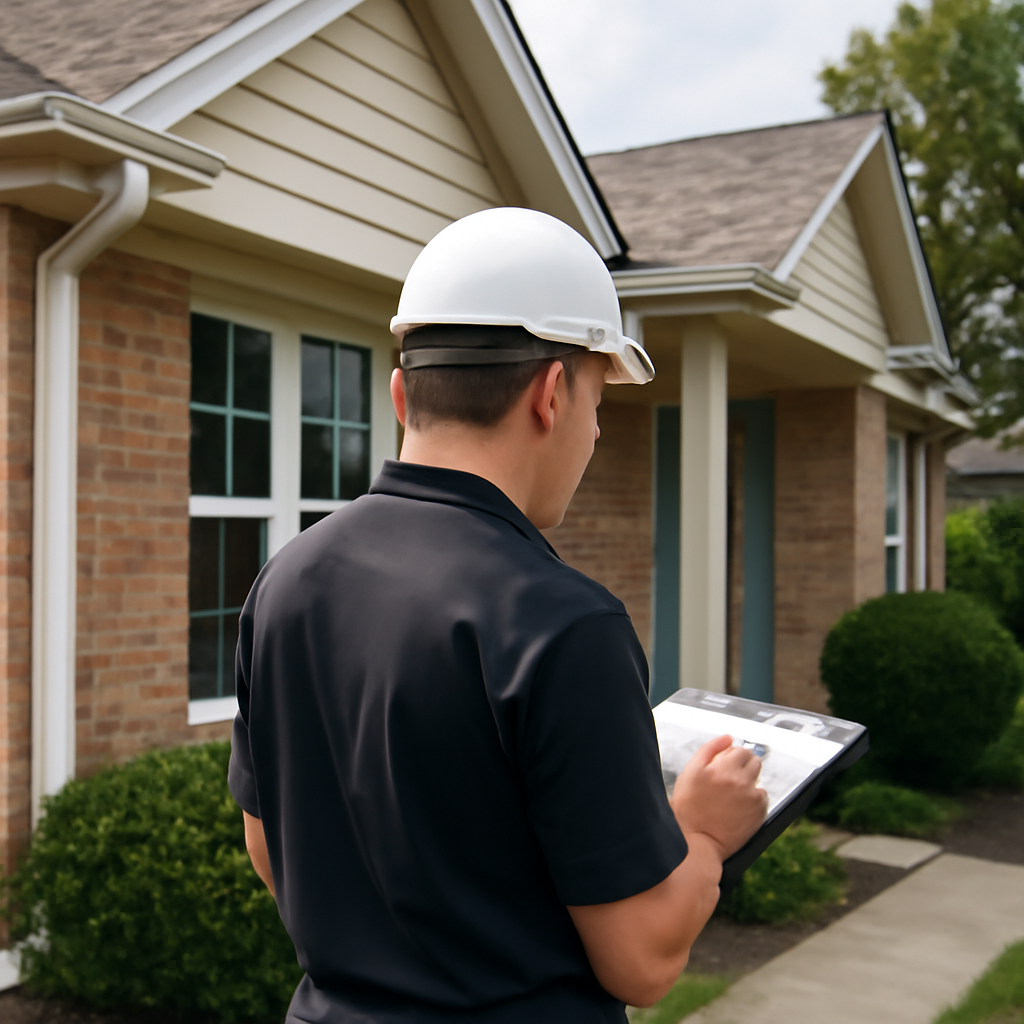
When a purchase contract is signed, the clock starts ticking on the inspection window, and buyers suddenly need a good house inspector fast. Searching “house inspector near me” returns a long list, but proximity is the least important thing on it. The inspector closest to the property is not necessarily the one who will examine it most carefully or write the clearest report. Choosing well, even under deadline pressure, comes down to a short set of checks that separate a thorough professional from someone who will rubber-stamp the house and move on.
Part of our Home Inspections Explained guide — start there for the full picture →
The stakes justify the effort. A home is the largest purchase most people make, and the inspection is the buyer’s main chance to find out what they are really buying before the deal closes. A thorough inspector can save tens of thousands of dollars by catching a failing roof, a cracked foundation, or an unsafe electrical system in time to negotiate or walk away. A careless one can leave a buyer to discover those problems after closing, when the cost falls entirely on them. The few hours spent choosing well are among the best-spent hours in the entire transaction.
What a local house inspector does for you
A house inspector performs a visual, non-invasive examination of a home’s major systems and components, then delivers a written report on their condition. The scope typically includes the roof, structure, foundation, exterior, plumbing, electrical, heating and cooling, insulation, and interior elements. The inspector is not there to appraise value or guarantee the future; the job is to document the home’s condition on inspection day so the buyer can make an informed decision and negotiate from facts rather than hope.
The report is the product. A good inspector hands over a document that names problems, rates their severity, and includes photographs, giving the buyer leverage and a repair roadmap. Our overview of what home inspectors look for details the systems a standard inspection covers, which helps a buyer judge whether a given inspector’s scope measures up.
It also helps to understand what the inspection is not. It is not a warranty, a guarantee against future problems, or an appraisal of the home’s market value. It is a snapshot of condition on inspection day. A clean report does not promise the furnace will last another decade; it reports that the furnace functioned and showed no visible defects when tested. Holding realistic expectations about the inspection’s purpose keeps a buyer from either over-relying on it or dismissing its real value as leverage and a maintenance roadmap.
Credentials to confirm before booking
Distance matters less than qualifications. Start by confirming the inspector’s professional standing.
License and certification
If your state licenses home inspectors, verify the license is active through the state regulatory agency. Whether or not your state licenses, look for certification from a recognized association such as InterNACHI or ASHI, and confirm it through the organization’s directory rather than trusting a website logo. These credentials mean the inspector trained to a standard and agreed to a code of ethics. Our guide to the certified home inspector credential explains exactly what those certifications signify.
Insurance
Ask for proof of general liability and errors-and-omissions coverage. E&O insurance matters because it gives you recourse if the inspection misses a significant defect. An uninsured inspector working a six-figure transaction is a risk the small fee savings rarely justify.
Experience and local familiarity
Years in the field matter, but relevant local volume matters more. An inspector who has examined hundreds of homes in your area understands the regional patterns: the soils that affect foundations, the common roofing systems, the typical age-related issues in the local housing stock. Ask how many inspections they have performed and whether they regularly work in your specific market. A seasoned local inspector reads a house against a deep mental library of similar ones, which sharpens both what they notice and how they interpret it.
Read a sample report before you hire
The single most revealing step buyers skip is asking to see a sample report. Reports vary enormously in quality. A strong one is organized by system, describes each finding in plain language, rates severity so you know what is urgent versus cosmetic, and includes clear photographs of every issue. A weak one is a checklist of boxes ticked with vague comments and few images, which leaves a buyer with little to act on.
Request a redacted sample from any inspector you are considering. If they hesitate or cannot provide one, that is a signal. The report is what you are actually paying for, and seeing one in advance tells you more about an inspector’s thoroughness than any sales pitch. Compare what a finished report should contain against our look at issues that commonly fail a home inspection, so you can judge whether a sample report addresses the problems that matter.
Pay attention to turnaround as well. In a fast-moving transaction with a tight inspection window, a report that arrives days late can cost you the chance to negotiate or to order specialist follow-ups before a deadline. Ask how soon after the inspection you will receive the report. The best inspectors typically deliver a detailed, photo-rich report within a day or so, which gives you time to digest the findings and act while the contingency period is still open.
Watch for conflicts of interest
One vetting question deserves special attention: whether the inspector has any financial stake in the outcome. The cleanest arrangement is an independent inspector who simply reports condition and has no interest in selling repairs or steering the deal. Be cautious if an inspector also offers to perform the repairs they flag, since that structure invites finding more problems than exist. Be cautious, too, of an inspector recommended by the listing agent, whose interest is in closing the sale rather than in a thorough report that might give the buyer pause.
This does not mean an agent’s recommendation is automatically bad; many agents refer genuinely good inspectors. But the buyer’s interest and the seller’s agent’s interest are not identical, and an inspector who depends on agent referrals may feel quiet pressure to keep reports light. Choosing an inspector you found and vetted independently removes that pressure entirely. The inspection exists to protect the buyer, and the inspector’s loyalty should clearly run to the person paying for that protection.
What a local inspection costs
Pricing depends on the home’s size, age, location, and the scope of services. Industry estimates commonly place a standard single-family home inspection in a few-hundred-dollar range, with larger or older homes costing more and add-on services such as radon or sewer scoping priced separately. Resist the urge to choose on price alone. A quote far below the local norm often signals a fast, superficial walkthrough, while the cheapest inspection can become the most expensive mistake if it misses a major defect.
When comparing quotes, confirm what each includes. Does the fee cover the full written report with photos? How long does the inspection take, and can you attend? Are common add-ons like radon testing, sewer inspection, or thermal imaging included or extra? Our guide to home inspector cost near me breaks down local pricing in more detail so you can judge a quote against the regional baseline.
Questions that separate good inspectors from order-takers
A brief phone screen tells you a great deal. The questions below take ten minutes and surface the differences that matter.
- Are you licensed (if the state requires it) and certified, and by whom?
- Do you carry liability and errors-and-omissions insurance?
- How long have you been inspecting, and roughly how many homes have you inspected?
- Can I see a sample report?
- Can I attend the inspection and ask questions as you go?
- How long does an inspection of a home this size take?
- What add-on services do you offer, and what do they cost?
An inspector who welcomes these questions and answers them clearly is demonstrating the transparency you want. One who rushes a typical home in under an hour, discourages you from attending, or cannot produce a sample report is telling you something useful.
Pay attention to how the inspector talks about findings, too. A good one frames problems factually and proportionately, distinguishing a safety hazard from a maintenance item without either downplaying real issues or dramatizing minor ones to seem thorough. An inspector who speaks in alarming absolutes about every observation, or conversely who waves away concerns to keep a deal smooth, is signaling a bias you do not want. The tone of a ten-minute conversation often previews the tone of the report you will receive.
Attend the inspection if you can
Walking the home with the inspector turns a written report into a guided education. You see problems in context, learn where the shutoffs and panels are, and can ask what a finding means for your specific plans. A good inspector encourages attendance and uses the walkthrough to explain rather than to hurry. The verbal context often clarifies which report items are urgent and which are routine maintenance, distinctions that are easy to misjudge from text alone.
Using the report and the broader hiring process
Once the report arrives, it becomes the basis for your next moves: requesting repairs, renegotiating price, ordering specialist follow-ups, or, in serious cases, reconsidering the purchase. If the inspector flags a system for further evaluation, such as a structural, electrical, or sewer concern, treat that as a prompt to bring in the relevant specialist rather than a failure of the general inspection. Knowing where the inspection fits in the larger transaction helps you act on it well, and our guide to hiring a home inspector connects these steps into the full buyer’s process.
When you need a specialist instead
A general house inspector covers a broad scope but is not the right professional for every concern. Radon, mold, asbestos and lead in older homes, sewer-line condition, and complex structural questions typically fall outside a standard inspection and call for dedicated specialists with the right equipment and training. A general inspection that recommends specialist follow-up is doing its job by flagging what a visual examination cannot fully resolve. Knowing which questions need a specialist saves both money and false reassurance. The general inspection is the first line of defense and the map; the specialists it points you toward handle the terrain it was never meant to cover in depth. Choosing a thorough, credentialed, independent local inspector, and following through on the specialist referrals their report recommends, is how a buyer turns a deadline-driven search into real protection on the largest purchase they are likely to make.
References
- Find a Certified Inspector Directory — InterNACHI
- Standards of Practice — American Society of Home Inspectors
- Residential Standards of Practice — InterNACHI
- International Residential Code — International Code Council
Frequently asked questions
How do I choose a house inspector near me?
Prioritize credentials over distance. Verify any required state license and association certification through official directories, confirm liability and errors-and-omissions insurance, and ask to see a sample report. A thorough, well-documented report matters far more than which inspector happens to be closest.
How much does a house inspection cost?
Costs vary by home size, age, and location, commonly falling in a few-hundred-dollar range, with larger or older homes costing more. Add-ons like radon or sewer scoping are priced separately. Avoid choosing on price alone, since a cheap, superficial inspection can miss expensive defects.
Should I attend the home inspection?
Yes, if you can. Attending lets you see problems in context, learn where shutoffs and panels are, and ask what findings mean for your plans. A good inspector welcomes attendance and uses the walkthrough to explain which items are urgent and which are routine maintenance.
Does a house inspector check for radon and mold?
Usually not as part of a standard inspection. Radon, mold, asbestos, lead, and sewer-line condition typically require separate specialists with dedicated equipment. A general inspection that recommends specialist follow-up is doing its job by flagging what a visual examination cannot fully resolve.