ASHI Certified Inspectors: What the ACI Badge Means
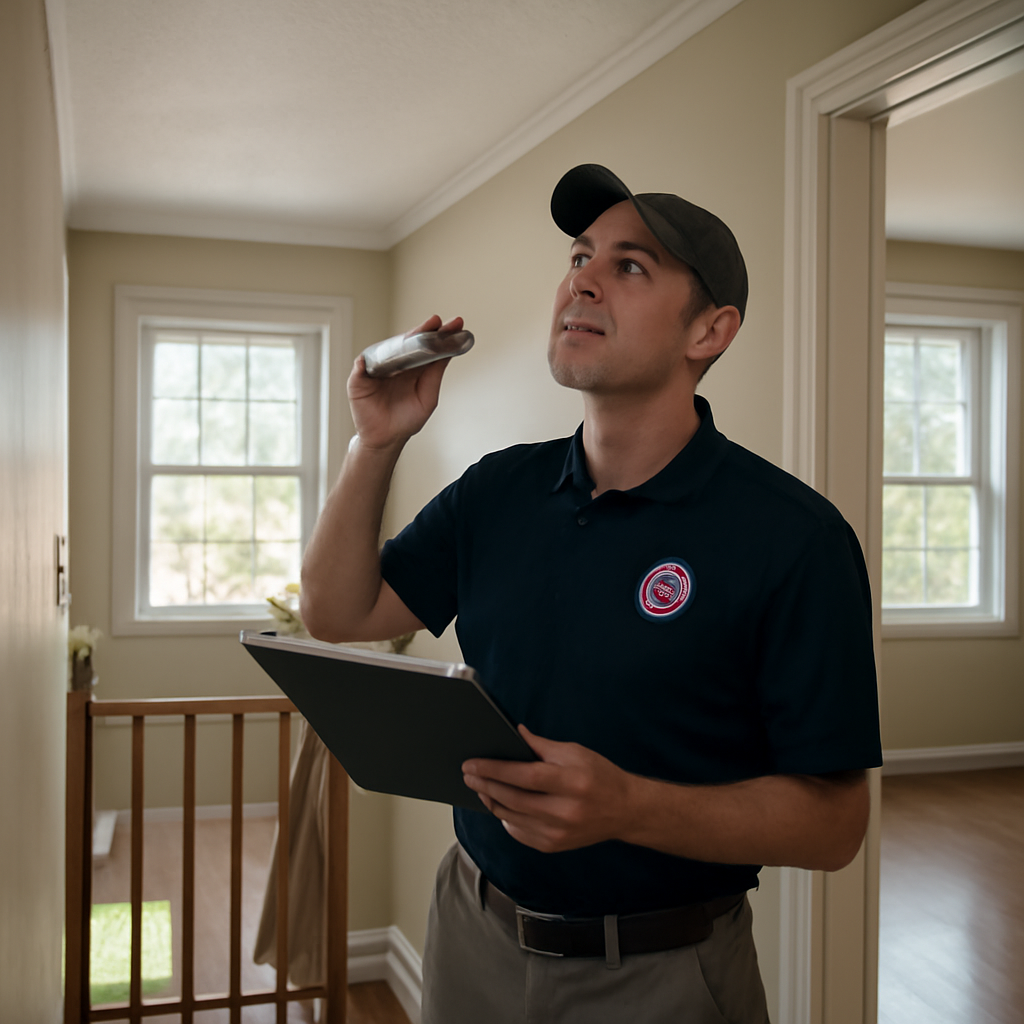
“ASHI certified” on an inspector’s website means the person holds the ASHI Certified Inspector (ACI) designation from the American Society of Home Inspectors. It is not the same as InterNACHI’s Certified Professional Inspector (CPI) badge, and the two are frequently confused — even by inspectors who list both. This page explains exactly what the ACI credential requires, how to confirm it in under two minutes, and what it does and does not tell you before you hire.
Part of our How to Become a Home Inspector guide — start there for the full picture →
What the ACI designation actually requires
ASHI, founded in 1976, is the oldest professional association for home inspectors in the United States. Its top membership level, ASHI Certified Inspector, is earned — not bought — by clearing four gates:
- Passing the ASHI Standards of Practice and Code of Ethics module.
- Passing the National Home Inspector Examination (NHIE).
- Completing 250 fee-paid inspections performed in accordance with the ASHI Standard of Practice.
- Submitting inspection reports that pass a verification review.
Until all four are met, the person is an ASHI Associate or ASHI Inspector — real membership tiers, but not the certified designation. A homebuyer reading “ASHI member” on a site should check which tier, because the gap between an Associate who joined last month and an ACI who has logged 250 verified inspections is substantial.
The three membership levels, plainly
ASHI Associate. The entry tier. Typically someone in training or newly licensed who has not yet passed the NHIE. Associates get access to ASHI education and chapter resources but may not advertise as certified.
ASHI Inspector. The intermediate tier. This person has passed the NHIE and agreed to follow the Standard of Practice, but has not yet reached the 250-inspection count and report review.
ASHI Certified Inspector (ACI). The full designation. All four gates cleared. ACIs appear in ASHI’s public Find an Inspector directory. This is the tier most buyer’s agents mean when they say “get an ASHI inspector.”
The exam and the 250-inspection hurdle
The NHIE is a 200-question, multiple-choice, roughly four-hour exam administered by the Examination Board of Professional Home Inspectors (EBPHI). It covers structure, exterior, roofing, plumbing, electrical, HVAC, interiors, insulation and ventilation, and the inspector’s role under a published Standard of Practice. It is a scaled, criterion-referenced exam, so a candidate is measured against a fixed competency standard rather than curved against other test-takers. Candidates who fail may retake it after a waiting period. The exam is common to several credentials, which is why it gets its own deep-dive on the NHIE.
The 250-inspection requirement is the slower gate. “Fee-paid” means the inspections were real client work, not practice runs, documented with property address, date, scope, and client details. ASHI can verify any submission by contacting the listed client. A full-time inspector running four to six inspections a week generally reaches 250 in roughly 12 to 24 months; a part-timer takes longer. The count is why an ACI, by definition, is not a rookie.
The ethics rule buyers should care about most
The ASHI Code of Ethics bars an inspector from serving anyone but the client, from accepting referral fees from contractors, and — the clause that matters most — from performing or offering repairs on a property they inspected, for a defined period after the inspection. That rule exists to kill an obvious conflict: an inspector who also sells repairs profits from every defect they “find.”
Practical test: if an inspector’s website advertises repair, remediation, or contractor services alongside inspections, that is a red flag under ASHI ethics. A violation is grounds for suspension or revocation of the designation through ASHI’s complaint-and-review process, and revocation removes the person from the public directory.
How to verify an ASHI inspector in two minutes
Do not take the badge on a website at face value — logos are trivial to copy. Confirm it at the source:
- Go to the ASHI Find an Inspector directory at homeinspector.org.
- Search by the inspector’s name or by your ZIP code.
- Check that the listing shows the ASHI Certified Inspector status specifically, not just “member,” and that the name and business match what is on their site.
- Note the membership tenure and any listed specialty designations (radon, thermal imaging).
If the inspector claims ACI status but does not appear in the directory as certified, ask them directly — a current ACI in good standing is always listed. Verification is one line item in a fuller vetting routine covered in the guide to hiring a home inspector.
ASHI vs. InterNACHI vs. a state license
There are two dominant national bodies plus state licensing, and they are not interchangeable:
| Credential | Top designation | Reaching it |
|---|---|---|
| ASHI | ASHI Certified Inspector (ACI) | NHIE + 250 fee-paid inspections + report review |
| InterNACHI | Certified Professional Inspector (CPI) | Coursework + exam + fewer field inspections; faster onboarding |
| State license | Varies (Colorado has none) | Whatever the state statute requires |
Many working inspectors hold both ASHI and InterNACHI credentials plus any required state license. ASHI generally carries the higher consumer brand recognition and a heavier field-experience requirement; InterNACHI is the larger membership with a broader online course catalog. InterNACHI publishes its own residential Standards of Practice for direct comparison against ASHI’s Standard of Practice. Neither designation is a substitute for reading the inspector’s actual scope document before you sign.
Why the credential carries extra weight in Colorado
Colorado does not license home inspectors at the state level. There is no state exam, no state registry, and no legal floor an inspector must clear to advertise. That absence is exactly why a portable, verifiable credential like ACI functions as the de facto standard on the Front Range: it supplies the technical bar and enforceable ethics code the state does not. If you are hiring in Denver, Boulder, Colorado Springs, or Fort Collins, the ASHI directory listing is often the single most useful independent check you have. Aspiring inspectors can map the local path in the guide on becoming a home inspector in Colorado.
What the badge does not tell you
An ACI has met a defined technical bar and signed an enforceable ethics code. That filters out the untrained and the unaccountable. It does not, by itself, guarantee a thorough report on your specific house. Pair the verified credential with two more checks: read a full sample report to judge how the inspector documents findings, and confirm current errors-and-omissions plus general liability insurance. Credential, sample report, and insurance together are the practical minimum before you book.
Frequently asked questions
Frequently asked questions
What does 'ASHI certified' mean?
It means the inspector holds the ASHI Certified Inspector (ACI) designation from the American Society of Home Inspectors. Reaching it requires passing the National Home Inspector Examination, completing 250 fee-paid inspections under the ASHI Standard of Practice, and passing a report verification review, plus agreeing to the Code of Ethics.
Is ASHI Certified Inspector the same as CPI?
No. ACI (ASHI Certified Inspector) is ASHI's designation. CPI (Certified Professional Inspector) is InterNACHI's. They are separate credentials from separate organizations, and many inspectors hold both. The names are often confused.
How do I verify an ASHI certified inspector?
Search the inspector's name or your ZIP code in the ASHI Find an Inspector directory at homeinspector.org. Confirm the listing shows ASHI Certified Inspector status specifically, and that the name and business match the inspector's website. A current ACI in good standing is always listed.
Does an ASHI inspector do repairs on the home?
No. The ASHI Code of Ethics prohibits an inspector from performing or offering repairs on a property they inspected for a defined period afterward. An inspector who advertises repair or remediation services alongside inspections is a conflict-of-interest red flag.
This guide summarizes ASHI and InterNACHI published membership and Standards of Practice materials; verify any inspector’s current status directly in the ASHI directory before hiring.
Home inspector exam prep & study picks
Studying for the National Home Inspector Examination (NHIE) or a state licensing exam? These are the study guides and field references aspiring inspectors rely on.
| Product | Why | Buy |
|---|---|---|
 NHIE Exam Prep Study Guide NHIE Exam Prep Study Guide | Practice questions + content review for the national exam. | Amazon — $11.99 |
 Principles of Home Inspection (Carson Dunlop) Principles of Home Inspection (Carson Dunlop) | Widely used training reference series. | Amazon — $159.00 |
 Code Check Complete Code Check Complete | Illustrated building-code field guide inspectors carry. | Amazon — $55.99 |
 Home Inspector Starter Tool Kit Home Inspector Starter Tool Kit | Flashlight, outlet tester, and basics to get started. | Amazon — $54.99 |