Mold Restoration Services: What Homeowners Know
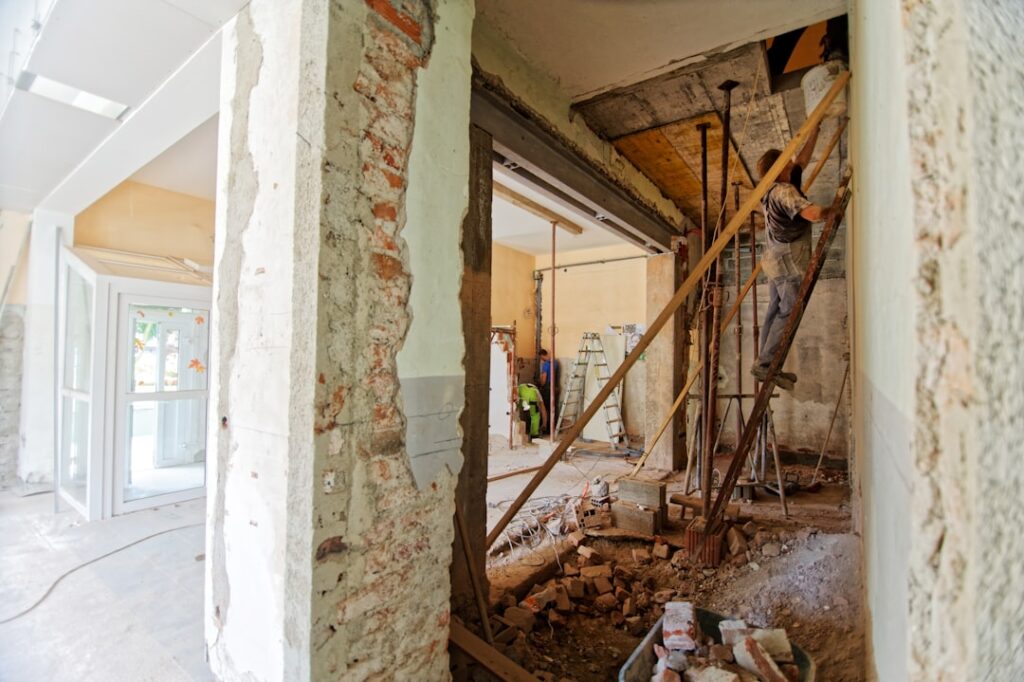
After mold takes hold in a home — often following a leak, flood, or long-running humidity problem — homeowners encounter the term “mold restoration services.” Restoration covers not just removing the mold but bringing the damaged space back to its original condition, including repairs and rebuilding. Understanding what these services include, how they differ from basic remediation, and what to expect on cost helps you hire wisely and avoid surprises. This guide summarizes EPA and CDC guidance current as of 2026 and is informational only — consult your physician about symptoms and a certified professional for testing and restoration decisions.
Is this mold, asbestos, or water damage? Get a free instant screen
Upload a clear photo of the suspect area. You'll get an instant AI screening opinion and what to do next. This is screening guidance, not a professional determination.
Screening guidance only. AI can be wrong. Confirm asbestos, mold type, or lead with lab testing or a licensed professional before acting.
What mold restoration services include
Mold restoration is the full-cycle process of returning a mold-damaged area to a clean, dry, livable state. It typically encompasses several phases: assessment and moisture mapping, containment, removal of contaminated materials, cleaning and HEPA vacuuming, structural drying, and then the reconstruction needed to restore the space — replacing drywall, flooring, insulation, trim, and paint.
That last phase is what distinguishes restoration from remediation alone. Remediation removes the mold and dries the structure; restoration also rebuilds what was torn out. A full-service restoration company may handle both phases, or it may complete remediation and coordinate a separate rebuild. For surface mold under about 10 square feet with no structural damage, the EPA notes homeowners can often clean it themselves and skip professional services entirely. Restoration becomes relevant when growth is extensive, materials are damaged, or water intrusion has affected the structure. The overview at our mold inspection and testing hub explains how the extent of a problem is determined.
Restoration versus remediation versus removal
These terms get used interchangeably, but the distinctions matter when reading a contract.
Removal simply means taking away visible mold — the narrowest term.
Remediation is the structured process of removing growth, cleaning, drying, and fixing the moisture source so it does not return.
Restoration includes remediation plus the reconstruction that returns the space to its pre-damage condition.
A homeowner who only needs a moldy bathroom corner cleaned does not need restoration. A homeowner whose basement flooded, grew mold, and now needs drywall, flooring, and finishes replaced needs full restoration. Knowing which you actually need keeps you from paying for a larger scope than the situation requires. Our guide to mold inspection and remediation details the diagnostic and cleanup phases that precede any rebuild.
When restoration follows water damage
Most large restoration jobs begin with a water event rather than mold itself. A burst pipe, an appliance failure, a roof leak, sewer backup, or flooding soaks materials, and mold follows within 24 to 48 hours if the materials are not dried. This is why water-damage restoration and mold restoration overlap so heavily — the same companies often handle both, and the standards for each (IICRC S500 for water, S520 for mold) are closely related.
The category of water matters to the scope. Clean water from a supply line is the least hazardous. Gray water from appliances carries some contamination. Black water from sewage or flooding is the most hazardous and requires the most aggressive removal, because it brings bacteria along with moisture. A restoration company should identify the water category early, since it determines what can be salvaged and what must be discarded. After flooding in particular, materials that contacted black water — drywall, insulation, carpet — are typically removed regardless of whether mold has appeared yet, both to eliminate contamination and to allow proper drying.
What gets rebuilt during restoration
The reconstruction phase is what makes restoration distinct from remediation, and it can be substantial. Depending on the damage, it may include new drywall and taping, replacement insulation, new flooring and subfloor repair, fresh trim and baseboards, repainting, and sometimes cabinetry or fixtures. In a finished basement, an entire room may be rebuilt from the studs out.
Because reconstruction frequently equals or exceeds the cost of the remediation itself, a clear scope that separates the two phases is essential. Some homeowners use the restoration company for the full cycle for convenience; others have remediation done, obtain independent clearance testing, and then hire a separate general contractor for the rebuild to control cost and quality. Either approach works, but the verification step between cleanup and rebuild should not be skipped — rebuilding over a space that was not properly dried and cleared simply seals a future mold problem inside new walls.
What mold restoration services cost
Restoration costs combine remediation and reconstruction, so they run higher than cleanup alone. Industry estimates put smaller restoration projects — a bathroom or a section of one room — in the $2,000 to $6,000 range once repairs are included. Mid-size projects involving a full room or significant material replacement commonly run $6,000 to $15,000. Large-scale restoration after major flooding or whole-area contamination, with extensive demolition and rebuilding, can reach $20,000 to $50,000 or more.
Reconstruction frequently equals or exceeds the remediation portion, so insist on a written, itemized scope that separates the two. Compare two or three estimates, and be cautious of any company that quotes a restoration price without first inspecting the moisture source and extent of damage. Where flooding or a covered event caused the damage, much of the restoration cost may fall under a homeowners insurance claim — document everything.
The restoration process step by step
1. Assessment and moisture mapping. The company documents the extent of growth and damage, traces the water source, and uses moisture meters and thermal imaging to find hidden dampness.
2. Containment and air filtration. Plastic sheeting, negative air pressure, and HEPA air scrubbers isolate the work zone and capture airborne spores.
3. Removal. Contaminated porous materials — drywall, insulation, carpet, padding — are bagged and discarded.
4. Cleaning. Remaining hard surfaces are scrubbed and HEPA-vacuumed.
5. Structural drying. Commercial dehumidifiers and air movers bring moisture down to target levels.
6. Verification. Visual inspection or independent clearance testing confirms the area is clean and dry.
7. Reconstruction. Drywall, flooring, trim, insulation, and paint are replaced to restore the space.
Why the verification step between cleanup and rebuild is non-negotiable
The single most consequential decision point in a restoration job is the moment between finishing the cleanup and starting the rebuild. It is tempting to let the same crew flow straight from removing materials into hanging new drywall, because it feels efficient and the homeowner wants their space back. Skipping the verification in between is how mold ends up sealed inside brand-new walls, only to reappear months later as a stain bleeding through fresh paint or a musty smell with no visible source.
A proper verification confirms two things before any new material goes up: that no contaminated material or growth remains, and that the structure has actually reached dry target moisture levels rather than merely looking dry. On larger jobs, this is best done with independent clearance testing — air or surface sampling by an assessor who does not profit from the rebuild — comparing indoor results against an outdoor baseline. On smaller jobs, documented moisture readings and a careful visual inspection may suffice. Either way, the rebuild should begin only after the space is confirmed clean and dry, because reconstruction is the most expensive phase and no homeowner wants to tear it back out to reach a problem that was sealed inside.
How to vet a mold restoration company
The quality of restoration varies widely, so vetting matters. Look for technicians trained to recognized standards such as IICRC S520 for mold and S500 for water damage. Confirm general liability and pollution liability insurance. Insist on a written, itemized scope that addresses the moisture source — not just the visible mold — and separates remediation from reconstruction. Prefer companies that welcome independent clearance testing rather than verifying their own work. Read recent local reviews, ask for references from similar jobs, and get a clear contract with payment terms and warranty language.
Be wary of fear-based “toxic black mold” sales pressure. The CDC and EPA both downplay species-specific toxicity alarmism and emphasize that all significant indoor mold should be removed and the moisture fixed regardless of type. A company leaning hard on toxicity fears is selling fear, not expertise.
Coordinating the rebuild: one company or two
A practical question every restoration homeowner faces is whether to let one company handle the full cycle or to split the work. A full-service restoration firm that does both remediation and reconstruction offers convenience and a single point of accountability, which matters when an insurance claim is in play and the timeline is tight. The trade-off is that the same firm verifying the cleanup also profits from the rebuild, so the verification step deserves extra scrutiny in that arrangement.
The alternative is to have a remediation contractor complete the cleanup, obtain independent clearance testing from a separate assessor, and then hire a general contractor for the reconstruction. This separates the parties who diagnose, verify, and rebuild, which can improve both cost control and quality, since each phase is competitively priced and independently checked. It takes more coordination on the homeowner’s part and can extend the timeline slightly. Neither approach is wrong; the deciding factors are usually the size of the job, whether insurance is steering the choice of vendor, and how much the homeowner values independent verification over one-stop convenience. The constant in either path is that the rebuild waits until the space is confirmed clean and dry.
What you can handle yourself
Small surface mold on hard, nonporous materials with no structural damage is a reasonable DIY job — N95 respirator, gloves, scrubbing with detergent, and thorough drying. The EPA notes bleach is generally unnecessary. Restoration services are for situations beyond that: extensive growth, damaged materials, structural water intrusion, HVAC contamination, or flooding. If you are unsure which category you fall into, the walkthrough in our guide on how to remediate mold outlines the dividing line.
When to call a professional
Engage a mold restoration company when growth is extensive, materials are damaged and need replacement, water intrusion has affected the structure, the HVAC system is involved, or flooding has occurred, and whenever occupants report respiratory symptoms. Prioritize firms with recognized training, proper insurance, written itemized scopes, and willingness to use independent clearance testing. Along Colorado’s Front Range, the dry climate keeps general mold pressure lower, but basement floods, plumbing failures, and chronic seepage still produce restoration-scale damage that benefits from professional handling.
Insurance and documentation for restoration
Because restoration jobs are large and usually follow a water event, insurance is often central. Coverage depends on the cause. Damage from a sudden, accidental, covered event such as a burst pipe may be covered, frequently subject to a mold sublimit that caps the mold portion of the claim. Damage from gradual seepage, deferred maintenance, or chronic humidity is typically excluded. Sewer and drain backups are usually covered only with a specific endorsement, and surface flooding generally requires separate flood insurance.
Restoration companies often work directly with insurers, which is convenient but worth watching. Document everything yourself: photograph the water source and damage before any work, record dates, keep all mitigation receipts, and get the scope in writing with remediation and reconstruction itemized separately. An independent assessment that separates the diagnosis from the company doing the work carries more weight with an adjuster. Understand your policy’s mold sublimit and exclusions before assuming the full restoration is covered, since the rebuild can be the largest part of the bill.
Avoiding restoration scams
Large, insurance-driven jobs attract bad actors, so a few precautions help. Be wary of contractors who appear immediately after a storm offering to start before any inspection or written scope, who pressure you to sign over your insurance claim, who demand large upfront deposits, or who use fear-based “toxic mold” language to inflate the urgency. The CDC and EPA both emphasize that all significant indoor mold should be removed and the moisture fixed regardless of species, so toxicity scare tactics signal salesmanship rather than expertise. A legitimate restoration company inspects first, provides an itemized written scope, carries verifiable insurance and standards-based training, and is willing to have its work verified independently.
References
- Mold Cleanup in Your Home — U.S. Environmental Protection Agency
- Mold Remediation Guidance — U.S. Environmental Protection Agency
- About Mold and Health Effects — Centers for Disease Control and Prevention
- Mold and Dampness Indoors — American Lung Association
If mold damage in your Front Range home looks like it needs more than a simple cleanup, you can connect with a vetted local inspector through our contact page for an objective assessment before hiring a restoration crew.