Mold Remediation Thousand Oaks: What to Know
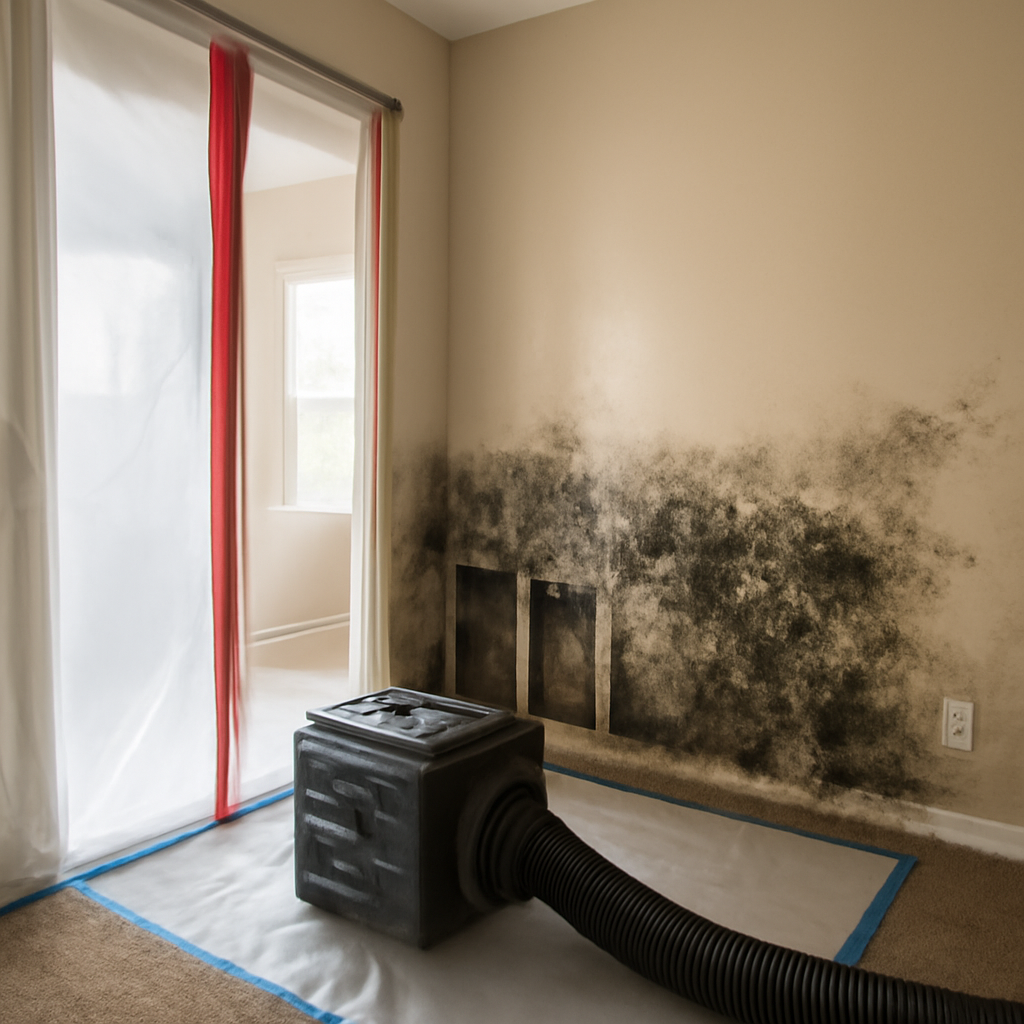
Homeowners searching for mold remediation in Thousand Oaks usually want two things: a sense of what the work involves and confidence they are hiring the right company. Thousand Oaks sits in a Mediterranean climate where coastal humidity, irrigation, and the occasional plumbing failure all create damp conditions mold can exploit. The remediation process itself follows the same EPA-guided principles everywhere, so understanding those steps helps homeowners in California’s Conejo Valley and along Colorado’s Front Range alike. This guide summarizes EPA and CDC guidance current as of 2026 — consult your physician about symptoms and a certified professional for testing and remediation decisions.
Is this mold, asbestos, or water damage? Get a free instant screen
Upload a clear photo of the suspect area. You'll get an instant AI screening opinion and what to do next. This is screening guidance, not a professional determination.
Screening guidance only. AI can be wrong. Confirm asbestos, mold type, or lead with lab testing or a licensed professional before acting.
Mold Remediation in Thousand Oaks: What It Involves
Mold remediation in Thousand Oaks follows the standard EPA-based process: contain the area, remove the growth and unsalvageable materials, clean and dry the space, and fix the moisture source that caused it. Professional remediation is not just cleaning — it is a controlled removal that prevents spores from spreading through the home during the work.
A typical project begins with an assessment to map the extent of growth and find the moisture behind it. The work area is then sealed with plastic sheeting and placed under negative air pressure with HEPA-filtered air scrubbers so contaminated air does not migrate. Porous materials that are saturated — drywall, carpet, some insulation — are removed and bagged. Remaining surfaces are HEPA-vacuumed and wiped, the space is dried, and a clearance check confirms the work is complete. The same sequence is detailed in the companion guide on how mold remediation works.
It is worth distinguishing remediation from a simple cleaning, because the words get used loosely. Wiping a small patch of surface mold off a bathroom tile is cleaning, and a homeowner can do it. Remediation is the controlled, multi-step removal used when growth is extensive, hidden, or tied to a serious water event — it adds containment, filtration, material removal, and verification so the problem is resolved without spreading spores through the home. Understanding which one your situation calls for is the first decision, and it usually comes down to the size of the affected area and whether the moisture source is a one-time spill or a chronic condition.
Why Thousand Oaks Homes See Mold
Local conditions shape where mold appears. Thousand Oaks experiences marine-layer humidity from nearby coastal influence, warm dry spells that prompt heavy irrigation, and seasonal rains that can drive water into older homes. Each of those adds moisture that mold needs.
Common trouble spots include bathrooms with weak ventilation, kitchens and laundry areas with slow plumbing leaks, attics under failing roof flashing, and crawl spaces where ground moisture and irrigation runoff collect. Homes with stucco exteriors can trap moisture behind cladding if flashing details fail. After any plumbing break or roof leak, drying within 24 to 48 hours is the difference between a quick dry-out and a remediation job. These dynamics are not unique to California; Front Range basements and crawl spaces face parallel issues from seasonal humidity and snowmelt.
The Remediation Process Step by Step
Understanding each phase helps homeowners evaluate a contractor’s proposal.
Assessment and moisture diagnosis
The crew identifies the extent of mold and, critically, the water source. Moisture meters and sometimes thermal imaging locate hidden dampness. Remediation that skips this step tends to fail.
Containment
Plastic barriers isolate the work zone, and HEPA air scrubbers create negative pressure so spores do not escape into clean areas. HVAC systems are shut down or sealed off.
Removal and cleaning
Saturated porous materials are removed and bagged. Salvageable surfaces are HEPA-vacuumed and cleaned with detergent solutions. The EPA does not recommend bleach as a routine remediation step.
Drying and clearance
Fans and dehumidifiers bring the space below the moisture threshold mold needs. A final inspection — sometimes with post-remediation verification testing — confirms the area is clean and dry before rebuilding.
How Long the Work Takes
Homeowners planning around a remediation naturally want a timeline. The honest answer is that it depends on the size and complexity of the job, but a few general patterns hold. A small, contained project — a single closet, a modest section of wall — may take a day or two from setup to clearance. Larger jobs involving extensive material removal, multiple rooms, or structural cleaning run longer, and drying time alone can add a day or more because materials must reach an acceptably dry reading before rebuilding.
Two factors stretch a timeline most. The first is the moisture repair: if the underlying cause is a roof or plumbing problem, that fix may need its own contractor and schedule before the space can be closed up. The second is verification, since a clearance check — and any independent post-remediation testing — happens after drying, not before. Rushing past either step undermines the result. A reputable contractor will give a realistic schedule that includes drying and verification rather than promising a same-day finish for a job that genuinely needs more time.
What Mold Remediation Costs
Costs vary widely with the size of the affected area, the materials involved, and how accessible the space is. Industry estimates commonly place small, contained jobs at the lower end and whole-area or structural projects much higher, with crawl spaces and attics often costing more because of access and material removal.
Several factors drive the number: the square footage of growth, whether drywall, flooring, or insulation must be replaced, the difficulty of reaching the area, and the cost of repairing the underlying moisture problem. The water fix — a roof repair, a plumbing replacement, a drainage correction — is frequently a separate line item but is what prevents a repeat. For a framework on budgeting, the related guides on crawl space mold remediation cost and home mold remediation cost break down the variables. Always get multiple written estimates.
Insurance can offset some of these costs, but coverage for mold is narrow and varies by policy. Many homeowners policies cover mold only when it results from a covered, sudden event — a burst pipe, for instance — and exclude mold that grew gradually from long-term humidity or deferred maintenance. That distinction is why documentation matters: photograph the damage, keep records of the water event, and save receipts for materials and professional work. Reviewing your policy and talking to your insurer before work begins can clarify what, if anything, will be reimbursed, and a clear contractor scope helps support a claim.
Salvage vs. Replace: What Stays and What Goes
A large part of a remediation estimate is the decision about which materials can be cleaned and which must be removed, and that choice follows material porosity. Nonporous surfaces such as tile, metal, glass, and finished surfaces can usually be cleaned and kept. Semi-porous materials like solid wood framing can often be saved through HEPA vacuuming, scrubbing, and sometimes sanding, provided the wood is still sound.
Porous materials that have absorbed mold are a different story. Saturated drywall, carpet and padding, ceiling tiles, and most fiberglass insulation are typically removed and replaced, because mold roots into them where cleaning cannot reach. This is not a contractor padding the bill; it reflects the EPA’s recognition that porous materials saturated with mold often cannot be restored. When you review an estimate, the list of materials slated for removal should track this logic. If a bid proposes cleaning and keeping clearly saturated, crumbling drywall, that is a reason to ask questions or seek another opinion, because surface-cleaning porous material that should be replaced is how a problem comes back.
Choosing a Remediation Contractor
The contractor you pick matters as much as the process. Look for companies that carry recognized credentials, provide a written scope of work, and explain how they will contain the area and verify success. A reputable firm assesses the moisture source rather than treating only the visible growth.
Be cautious of any company that diagnoses and remediates while also profiting from selling unnecessary follow-up testing of its own work — independent post-remediation verification is more credible. Ask for proof of insurance, references, and a clear explanation of what is and is not included. Get at least three estimates and compare scope, not just price. The mold inspection hub covers how independent assessment fits alongside remediation, and the same vetting principles apply whether you are in Thousand Oaks or Denver.
Preventing Mold After Remediation
Remediation that does not fix the moisture source is temporary. The EPA is clear that mold control is moisture control. After the work, keep indoor relative humidity below about 50 percent, run bathroom and kitchen exhaust fans, and dehumidify damp basements and crawl spaces.
Repair the original water problem promptly — the roof, the plumbing, the drainage, or the ventilation gap that caused the growth. Address future leaks and spills within 24 to 48 hours. In a marine-influenced climate like Thousand Oaks, managing humidity and irrigation runoff is ongoing; in Front Range homes, the focus shifts to basement humidity and winter condensation. Either way, a dry home is a mold-resistant home.
A useful way to read a contractor’s proposal is to look for the moisture fix as an explicit line item. A bid that itemizes only mold removal and material replacement, with nothing about the water source, is incomplete — it is buying you a clean space that will not stay clean. Strong proposals name the moisture problem, describe how it will be addressed, and include the verification step that confirms the area is dry. If a proposal is silent on why the mold grew, that silence is the most important thing in the document.
When to Call a Professional
Bring in a professional when the affected area exceeds roughly ten square feet, when water came from sewage or flooding, when mold has reached structural materials or HVAC systems, or when occupants have asthma or weakened immune systems. Professionals provide the containment, filtration, and verification that do-it-yourself cleaning cannot.
Independent assessment before remediation is also valuable, since it identifies the moisture source and sets a clear scope so you can compare contractor bids fairly. For health symptoms, consult a physician. A combination of independent diagnosis and qualified remediation gives the best chance of a lasting fix.
The value of separating diagnosis from remediation is partly about avoiding conflicts of interest. A company that both assesses and remediates has an incentive to find more work, and one that tests its own results after the job has an incentive to declare success. An independent assessor who does not perform the removal — and independent post-remediation verification by a separate party — keep those incentives in check. Whether you are in Thousand Oaks, Denver, or anywhere else, that separation gives a homeowner more confidence that the scope is honest and the work genuinely succeeded.
When you evaluate contractors, ask four direct questions: how they will contain the area, which materials they plan to remove versus clean, how they will verify the work is complete, and how the moisture source will be addressed. Clear, specific answers separate a thorough firm from one that will simply scrub and leave. A contractor following the EPA-based process should be able to explain each stage in plain language, and reluctance to discuss containment, drying, or verification is itself informative. The goal is not the lowest bid but the one most likely to resolve the problem so it does not return, which usually means the bid that takes the moisture source seriously.
References
- Mold Cleanup in Your Home — U.S. Environmental Protection Agency
- Mold Remediation Guide — U.S. Environmental Protection Agency
- About Mold and Health — Centers for Disease Control and Prevention
- Mold and Your Health — Colorado Department of Public Health and Environment
If you are a Front Range homeowner weighing remediation and want an independent read on the moisture source first, connect with a vetted local inspector through our contact page.