Mold Remediation Kansas City: A Homeowner’s Guide
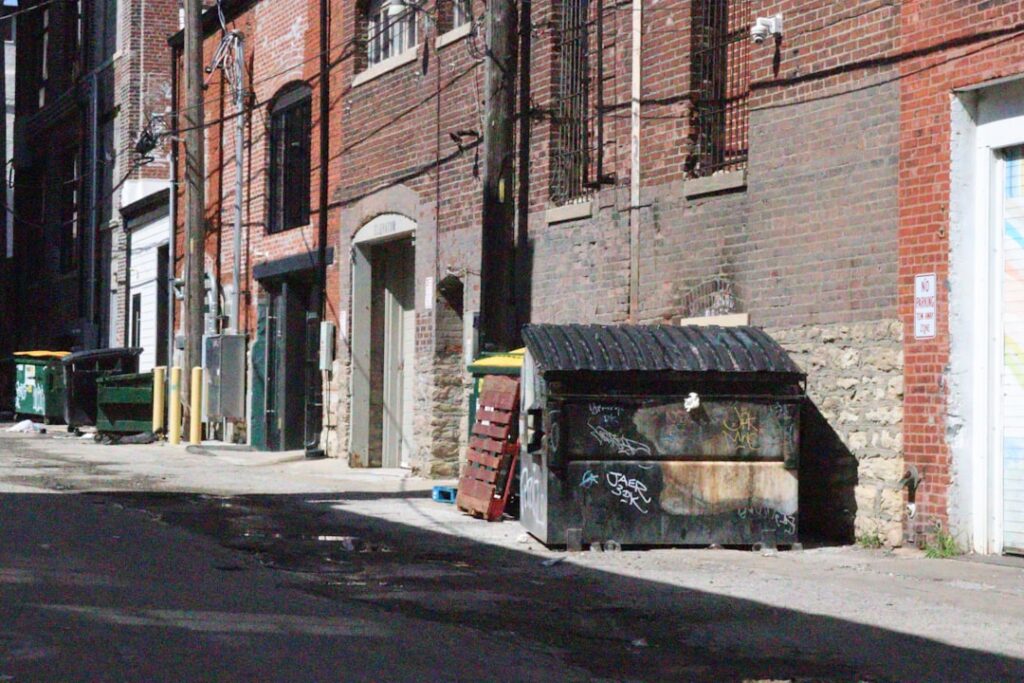
Kansas City’s humid continental climate — hot, muggy summers and storm-heavy springs — combined with a housing stock full of basements makes mold a recurring concern across the metro on both the Missouri and Kansas sides. Mold remediation in Kansas City is fundamentally about controlling the moisture the climate keeps supplying, not just scrubbing away what is visible. This guide summarizes EPA and CDC guidance current as of 2026 and is informational only; consult a qualified remediation professional for your situation and your physician for any health symptoms.
Is this mold, asbestos, or water damage? Get a free instant screen
Upload a clear photo of the suspect area. You'll get an instant AI screening opinion and what to do next. This is screening guidance, not a professional determination.
Screening guidance only. AI can be wrong. Confirm asbestos, mold type, or lead with lab testing or a licensed professional before acting.
What Mold Remediation Involves in Kansas City
Remediation is the structured process of removing mold, correcting the moisture that caused it, and restoring the affected area. Neither Missouri nor Kansas operates a statewide mold-contractor licensing program, which means Kansas City homeowners must verify credentials themselves rather than rely on a state license. The practical takeaway: look for recognized industry certification and insurance.
The work follows the accepted sequence — assessment, containment, removal of contaminated porous material, drying and source correction, and verification. What makes the Kansas City area distinctive is the intensity of its summer humidity and its exposure to severe storms and flash flooding, which drive both gradual and sudden moisture problems. A remediation that ignores a wet basement or a storm-damaged roof will not hold, no matter how thoroughly the visible mold is removed. The moisture-first principle runs through everything in the mold inspection and testing hub, and it remains the single most reliable test of whether a local contractor knows what they are doing.
Why Kansas City Homes Are Prone to Mold
Several regional factors combine. Summer humidity routinely pushes indoor relative humidity above the 60 percent ceiling the EPA recommends, especially in basements that lack dehumidification. Spring and early-summer storms bring heavy rain, hail, and occasional flash flooding that saturate soil against foundations and damage roofs. The metro’s many finished basements provide a large, cool, often damp surface area where growth establishes quietly.
Tornado and severe-storm season can produce sudden water intrusion through compromised roofs and windows, the kind of event that may also trigger insurance coverage. Clay-heavy soils common in the region expand and contract with moisture, stressing foundations and creating cracks that admit water. For how growth takes hold behind finishes in these damp conditions, see our guide to black mold in walls.
What It Typically Costs
As industry-estimate ranges: a small contained job such as a bathroom or closet often runs $500 to $1,500; a basement with significant growth — the most common large job in this climate — typically runs $2,000 to $6,000; and extensive contamination requiring demolition, structural drying, and reconstruction can exceed that. An independent assessment, where used, adds a few hundred dollars and often prevents over-scoping.
These are ranges, not quotes; an on-site evaluation gives the only reliable number. Kansas City labor costs tend to track near or slightly below the national average, which can make remediation here somewhat more affordable than in coastal metros. Our general overview of mold removal costs explains the variables that move the price anywhere.
The Remediation Process Step by Step
Assessment
An inspector locates the moisture source, maps the growth, and defines the scope, ideally independent from the removal crew.
Containment
The work area is sealed and HEPA-filtered negative air is established so spores do not spread to clean rooms.
Removal and cleaning
Porous contaminated materials are removed and bagged; hard surfaces are HEPA-vacuumed and cleaned. The EPA stresses physical removal over chemical treatment alone.
Drying and source correction
Dehumidifiers and air movers restore normal moisture, and the underlying water problem — frequently basement intrusion, storm damage, or summer humidity — is repaired. Ongoing dehumidification is often part of the long-term fix in this climate.
Verification
A final check, ideally independent, confirms the area is clean and dry before reconstruction.
How Long Kansas City Remediation Takes
Timelines depend on scope. A small contained job such as a bathroom or closet may be completed in a day. A basement with significant growth — the common large job in this climate — can run several days, with the drying stage typically the longest part given the area’s summer humidity. Extensive contamination involving demolition, structural drying, and reconstruction can stretch past a week.
Drying is the step homeowners most often see rushed, and rushing it is the most common cause of regrowth. In a humid Kansas City summer, bringing material back to normal moisture can take longer than in a drier climate, and ongoing dehumidification may be part of the long-term fix rather than a temporary measure. Build margin into any timeline tied to a closing or move-in, and resist a contractor who promises to finish a significant basement job in a few hours, since that almost certainly means shortcutting the drying or source-correction steps that make the result last.
How to Choose a Kansas City Mold Contractor
Without state licensing, credentials carry the weight. Look for IICRC certification and adherence to the S520 standard, confirm general liability insurance, and ask for recent local references on both the Missouri and Kansas sides as relevant. Favor a contractor who separates assessment from remediation or uses independent clearance verification, and who explains how they will stop the moisture intrusion rather than only removing the stain.
Be cautious of free inspections tied to remediation sales, suspiciously low quotes that hint at skipped containment, and pressure to sign immediately. The vetting questions that apply anywhere appear in our guide to professional mold removal near you.
Seasonal Mold Patterns in Kansas City
Mold pressure in the Kansas City area rises and falls with the seasons. Late spring and summer bring the heaviest risk: high humidity combined with severe thunderstorms, hail, and the occasional flash flood drives both gradual and sudden moisture into homes. Basements that lack dehumidification routinely exceed the 60 percent indoor humidity ceiling the EPA recommends during these months, making summer the peak basement-mold season.
Storm season overlaps this window, and a hail-damaged roof or a wind-driven rain intrusion can introduce sudden water that, if not dried within a day or two, seeds growth. Winter shifts the concern to condensation on cold exterior walls and windows in heated homes. Fall is the relative lull and the natural time to inspect, dry out, and correct moisture issues before the next humid cycle. Recognizing this rhythm helps homeowners stay ahead of growth rather than reacting to each new patch, and it explains why the same house can be mold-free in October and troubled by July.
Common Kansas City Mold Hotspots
Several spots recur across metro homes on both sides of the state line. Finished basements lead the list, where cool below-grade surfaces meet humid summer air and condensation forms. Crawl spaces with exposed soil release ground moisture into the structure. Foundation cracks — common where the region’s expansive clay soils swell and shrink — admit water during wet spells. Bathrooms without strong ventilation trap shower moisture, and attics suffer when exhaust fans vent into them or roofs leak after storms.
Sump-pump basins and the areas around them stay damp, especially if the pump struggles during heavy rain. Around windows, seasonal condensation feeds sill and frame growth. Knowing these hotspots helps a homeowner direct an inspector’s attention and recognize when a visible patch is the edge of a larger hidden problem, the pattern detailed in our guide to black mold in walls.
Preventing Mold in a Kansas City Home
Prevention centers on managing the summer humidity and the storm-season water that define the local climate. Run a dehumidifier in the basement through the humid months and keep indoor relative humidity below 60 percent, monitored with an inexpensive hygrometer. After any severe storm, inspect the roof, attic, and basement for water intrusion and dry anything wet within 24 to 48 hours, before mold can establish.
Maintain the foundation: seal cracks, grade soil away from the house, and keep gutters and downspouts directing water well clear of the perimeter. Test the sump pump before storm season and consider a battery backup, since a pump failure during a heavy rain is a common path to a flooded basement. Ensure bathroom and kitchen fans vent outdoors. These habits address the specific moisture sources Kansas City throws at homes and turn mold prevention into a manageable seasonal routine rather than a recurring crisis.
Health Context and When to Act
The CDC associates indoor mold exposure with nasal congestion, throat and eye irritation, coughing, and wheezing, with amplified effects for people who have asthma, allergies, or weakened immune systems. The EPA recommends professional handling for growth larger than about ten square feet, for contamination tied to sewage or flooding — relevant after Kansas City’s flash-flood events — and for HVAC involvement. Smaller contained patches on hard surfaces can be cleaned by a homeowner with proper protection. Persistent musty odors without a visible source warrant an inspection, since the metro’s damp basements often hide growth behind finishes.
Flood-related contamination deserves special caution. Floodwater can carry sewage and contaminants, which is why the EPA treats flood-soaked materials as requiring professional handling and often disposal rather than cleaning. After a flash flood, porous materials that were submerged — drywall, carpet, insulation — typically need to come out regardless of whether visible mold has appeared yet, because the moisture and contamination they hold will feed growth. Acting within the first day or two, while professionals extract water and begin drying, dramatically limits how far mold can establish.
Remediation Versus Restoration in Kansas City Homes
As with mold work anywhere, the cleanup and the rebuild are separate undertakings, and Kansas City homeowners should clarify which a quote covers. Remediation removes the mold and contaminated material and dries the space; restoration replaces the drywall, flooring, paint, and trim that came out. After a storm or flood event, the restoration portion can be substantial, particularly in finished basements where the lost materials were part of a living space.
Confirm up front whether a quote is remediation-only or includes reconstruction, and who performs the clearance verification before rebuilding. Where an insurance claim is involved, documentation of a sudden covered cause — a storm-damaged roof or a burst pipe rather than chronic seepage — determines coverage, and the mold portion is often capped. Keeping photos, dated records, and contractor reports organized strengthens the claim. Our overview of the difference between remediation and restoration draws the line clearly.
DIY Versus Professional in Kansas City
The EPA threshold applies: a contained patch under about ten square feet on a hard, non-porous surface is reasonable for a homeowner to clean with an N95 respirator, gloves, eye protection, and detergent. Beyond that — porous materials, hidden growth, basement contamination, HVAC involvement, or flood-related water — a professional with containment and HEPA equipment is the safer choice. Given the metro’s flash-flood exposure, any growth tied to floodwater should be treated as professional work because of possible contamination.
The local climate tips more situations toward professional handling than in drier regions, since a small visible patch in a humid basement is often the edge of a larger moisture problem. When a patch keeps returning after DIY cleaning, the recurrence signals an unresolved source — frequently foundation seepage or summer humidity — that a professional should trace. Paying once to find and correct that source usually costs less than repeated cleanups of a problem the climate keeps refeeding through the summer months.
References
- Mold Cleanup in Your Home — U.S. Environmental Protection Agency
- A Brief Guide to Mold, Moisture and Your Home — U.S. Environmental Protection Agency
- About Mold and Your Health — Centers for Disease Control and Prevention
Front Range homeowners managing a Kansas City property, or buyers comparing options, can connect with a vetted inspector through our contact page before committing to remediation.