Mold Assessor: What Homeowners Need to Know
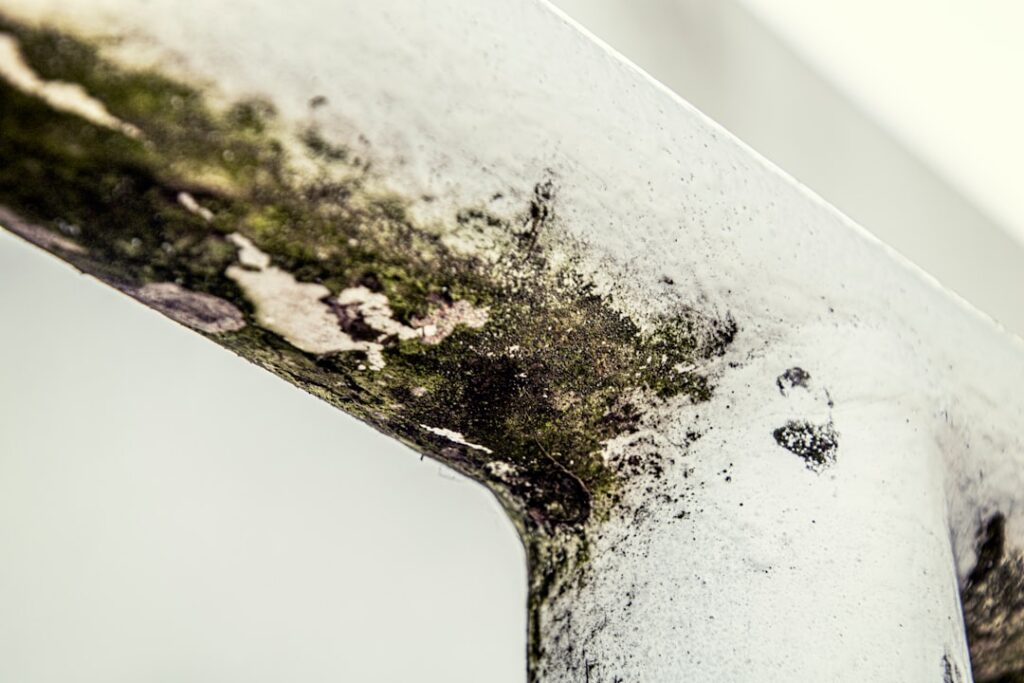
When a home develops a musty smell or visible growth, homeowners often hear two job titles thrown around interchangeably: mold assessor and mold remediator. They are not the same, and the difference matters for both cost and trust. A mold assessor inspects, samples, and diagnoses; a remediator cleans. Understanding what a mold assessor actually does helps a homeowner decide whether they need one, what to expect from a written assessment, and how to avoid the conflict of interest that arises when one company both finds the problem and bills to fix it. This guide summarizes EPA and CDC guidance current as of 2026 and is educational only; consult a physician about health symptoms and a certified professional for testing or remediation decisions.
Is this mold, asbestos, or water damage? Get a free instant screen
Upload a clear photo of the suspect area. You'll get an instant AI screening opinion and what to do next. This is screening guidance, not a professional determination.
Screening guidance only. AI can be wrong. Confirm asbestos, mold type, or lead with lab testing or a licensed professional before acting.
What Does a Mold Assessor Do?
A mold assessor evaluates a building for moisture and mold, identifies the source of the water, and produces a written report that defines the scope of any needed cleanup. The role is diagnostic. Where a remediation contractor removes contaminated material and dries the structure, the assessor’s job is to figure out what is happening, how far it extends, and what success should look like when the work is done.
A typical assessment includes a visual inspection, moisture readings with meters and sometimes infrared cameras, and, when warranted, air or surface sampling sent to a laboratory. The deliverable is a remediation protocol: a document describing the affected areas, the materials to remove, the containment required, and the criteria for verifying the cleanup worked. The EPA notes that sampling is not always necessary; when mold is visible and the source is obvious, the response is the same regardless of species.
Mold Assessor Versus Mold Remediator
The cleanest way to understand the two roles is to separate diagnosis from treatment. The assessor diagnoses and verifies. The remediator treats. Keeping those functions with different companies protects the homeowner, because a firm that both writes the scope and performs the cleanup has an incentive to find more work than necessary.
Some states formalize this separation. Texas, for example, licenses mold assessment consultants and mold remediation contractors and prohibits the same firm from doing both on larger projects. Florida operates a similar licensing system. Many states, including Colorado and most of the Mountain West, do not license either role, so the separation is something the homeowner has to insist on rather than something the law guarantees. The principle holds everywhere: independent assessment and verification carry more weight than a self-check by the crew that did the work.
When Do You Actually Need a Mold Assessor?
Not every mold problem requires an assessor. For a small, visible patch under about 10 square feet with an obvious source, the EPA’s guidance suggests a homeowner can often clean it and skip formal testing. An assessor earns their fee in more complicated situations:
- Hidden growth. A persistent musty odor with no visible source warrants moisture mapping to find mold inside walls, ceilings, or crawl spaces.
- Large or recurring problems. Extensive growth, or mold that keeps returning after cleanup, signals an unresolved water source an assessor can trace.
- Real estate transactions. Buyers and sellers often want a neutral third party to document conditions before money changes hands.
- Health concerns. When occupants have asthma, allergies, or compromised immune systems, an assessment can clarify scope so the cleanup is thorough.
- Clearance verification. After remediation, an independent assessor confirms the work met its goals.
For a deeper look at detection methods that overlap with an assessor’s visual inspection, the guide on how to check for black mold walks through what inspectors evaluate.
What Happens During a Mold Assessment
An assessment follows a logical order, moving from the obvious to the hidden.
Interview and History
The assessor asks about water events, leaks, odors, and any health complaints, building a timeline that points toward likely sources.
Visual Inspection and Moisture Mapping
The inspector walks the home looking for staining, warping, and growth, then uses moisture meters and sometimes infrared cameras to find elevated moisture behind surfaces. This is where hidden problems surface.
Sampling, When Warranted
If hidden growth is suspected or a health question needs answering, the assessor may collect air or surface samples for lab analysis. The EPA cautions that there are no firm health-based thresholds for indoor mold, so sampling is interpreted in context rather than against a single legal limit.
Report and Protocol
The assessor delivers a written report defining the affected areas, the recommended scope, and the clearance criteria a remediator must meet.
Understanding Mold Sampling and Its Limits
Sampling sounds authoritative, but it has real limitations homeowners should understand. The CDC and EPA both note that there are no established federal standards for acceptable indoor mold levels, so a lab result cannot be compared against a pass-fail number the way a radon test can. Air samples capture a moment in time and can vary with weather, activity, and where the sample was taken.
That does not make sampling useless. It is valuable for confirming hidden growth, comparing an affected room to an outdoor baseline, identifying species when a health question is involved, and verifying that post-remediation levels match the outdoors. The key is that sampling supports a diagnosis; it does not replace finding and fixing the moisture. An assessor who leans entirely on lab numbers while ignoring the water source is missing the point.
What a Mold Assessment Costs
Pricing varies with home size, scope, and whether lab sampling is included. Industry estimates commonly place a basic visual assessment with moisture mapping in the low-to-mid hundreds of dollars, with each lab sample adding a per-sample fee. A larger home or a complex hidden-moisture investigation costs more, and post-remediation clearance is typically billed separately.
The fee buys independence as much as information. A homeowner facing a four- or five-figure remediation quote often finds that a few hundred dollars for a neutral assessment either confirms the scope is fair or reveals that it is inflated. For homeowners focused on keeping the overall project affordable, the guide on how affordable mold removal is priced explains where assessment fits into the total cost.
Credentials to Look For
In licensed states, the first screen is simple: confirm the assessor holds the state mold assessment license and verify the number with the regulator. In unlicensed states, credentials matter more because there is no government check. Look for certification through recognized industry programs, documented training, liability insurance, and a willingness to provide sample reports.
The single most important screen, licensed or not, is independence. Ask directly whether the assessor or their company also performs remediation. A firm that profits from the cleanup it recommends has a built-in conflict, and the cleanest arrangement keeps assessment and remediation in separate hands.
State Licensing and Why It Varies So Much
One of the most confusing parts of hiring a mold assessor is that the rules change at the state line. A handful of states regulate the role directly. Texas licenses mold assessment consultants and requires them to be independent from the remediation firm on larger projects. Florida operates a comparable licensing program with separate licenses for assessors and remediators. New York and a few others have their own frameworks.
Most states, including Colorado and much of the Mountain West, have no mold-specific licensing at all. In those states, anyone can print business cards calling themselves a mold assessor, which puts the burden of vetting entirely on the homeowner. That is not a reason to skip an assessor; it is a reason to scrutinize credentials more carefully. The federal government, through the EPA, publishes guidance and recommendations but does not license or certify mold professionals, so a claim of being “EPA certified” is a marketing red flag rather than a real credential.
The practical effect is that in an unlicensed state, an assessor’s value rests on voluntary certification, documented training, insurance, and, above all, independence from any cleanup work. A homeowner who understands that their state offers no government backstop is in a better position to ask the right questions.
Questions to Ask a Mold Assessor Before Hiring
A short list of questions quickly separates a credible assessor from a sales operation. Ask each candidate the following:
- Do you or your company also perform remediation? If so, how do you handle the conflict of interest?
- What certifications and training do you hold, and in a licensed state, what is your license number?
- Do you carry liability and errors-and-omissions insurance?
- Will the assessment include moisture mapping to find the source, not just sampling?
- If you sample, which accredited laboratory analyzes the results?
- What will the written report contain, and can I see a sample report?
- How do you interpret lab results given that there are no federal limits for indoor mold?
An assessor who answers these directly is offering genuine value. One who deflects the independence question, promises to declare a home “safe,” or pushes a same-day remediation contract is selling something other than a neutral diagnosis. The answers, taken together, reveal whether the homeowner is hiring a diagnostician or a salesperson.
Reading a Mold Assessment Report
The report is the product a homeowner pays for, and knowing how to read it prevents being misled. A thorough report names the areas inspected, documents the moisture readings and their locations, describes any visible growth, and, if sampling was done, presents the lab results alongside an outdoor baseline. Crucially, it identifies the suspected water source and defines a scope of work with clearance criteria, not just a list of spore counts.
Watch for what a weak report leaves out. A document that reports lab numbers but never identifies a moisture source has skipped the most important step, because the source is what a remediator must fix to prevent regrowth. Equally, a report that declares a home “safe” or “unsafe” based on a single sample overstates what the data supports, since there are no federal thresholds to measure against. The strongest reports read like a diagnosis: here is the problem, here is where the water comes from, and here is what success looks like when the work is done.
A homeowner can use that report to solicit competing remediation bids, all working from the same defined scope, which makes the quotes genuinely comparable. That alone often justifies the assessment fee.
The report also has a life beyond the immediate cleanup. It documents the home’s condition at a moment in time, which can matter in a dispute with a contractor, a landlord, an insurer, or a future buyer. A homeowner who keeps the assessment, the remediation scope, and the post-cleanup clearance together has a paper trail that answers most questions a buyer’s inspector or an adjuster might raise later. Treating the report as a record to file rather than a page to skim is part of getting full value from the assessment.
How an Assessor Fits Into the Whole Process
The ideal sequence runs assessor, then remediator, then assessor again. The assessor diagnoses and writes the protocol. An independent remediator performs the work to that protocol. The assessor returns to verify the cleanup met its clearance criteria before any rebuild begins. That loop gives the homeowner documentation at every stage and a neutral check on the contractor’s work.
It also produces a paper trail that matters at resale, when a buyer’s inspector may ask about visible repairs or past water damage. The broader mold inspection and testing hub explains how assessment, remediation, and verification connect across a typical project.
References
- Mold Cleanup in Your Home — U.S. Environmental Protection Agency
- About Mold and Your Health — Centers for Disease Control and Prevention
- A Brief Guide to Mold Testing and Sampling — U.S. Environmental Protection Agency
Front Range homeowners who want a connection to a vetted local inspector or assessor before a purchase or after a water event can reach out through our contact page.