Is Black Mold Actually Dangerous: A Calibrated Answer
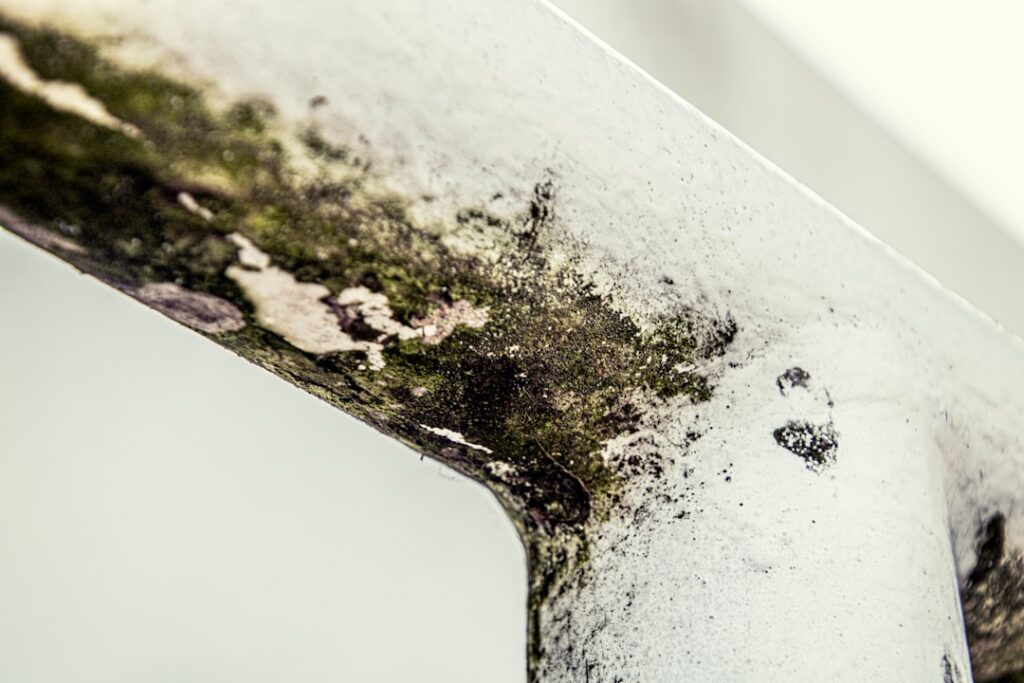
“Is black mold actually dangerous” usually carries a skeptical tone — the word “actually” implies the asker has heard worst-case framing and wants to know whether the science supports it. The honest answer is calibrated rather than absolute. Black mold is a real building problem that produces real health effects in some people under some conditions, and it is also surrounded by exaggerated worst-case framing in popular media that does not match the mainstream scientific position. This guide summarizes what CDC, EPA, and NIEHS actually say and is general information for homeowners. It is not medical advice. For health symptoms you suspect are mold-related, consult a physician — diagnosis and treatment of mold-related illness require professional medical evaluation. This article stays on the building.
Is this mold, asbestos, or water damage? Get a free instant screen
Upload a clear photo of the suspect area. You'll get an instant AI screening opinion and what to do next. This is screening guidance, not a professional determination.
Screening guidance only. AI can be wrong. Confirm asbestos, mold type, or lead with lab testing or a licensed professional before acting.
What “Actually Dangerous” Means in Practice
Three different ideas get folded into “is black mold dangerous.” First, can it damage the building. Second, can it affect occupant health. Third, can it kill someone. The honest answer to each is different. Building damage from sustained mold growth is real and well-documented — cellulose substrates degrade, finishes fail, contents become contaminated, HVAC accumulates biological load. Occupant health effects are real for some people in some situations — CDC describes respiratory irritation, allergic-type symptoms, and asthma exacerbation among occupants of damp or moldy buildings, with susceptibility varying widely. Fatal outcomes from typical residential exposure in healthy adults are rare in the medical literature; severe outcomes are concentrated in immunocompromised patients and in unusual exposure circumstances.
What CDC Actually Says
The CDC’s About Mold page is the simplest authoritative source. The agency states that exposure to indoor mold can cause symptoms such as stuffy nose, wheezing, and red or itchy eyes or skin in some people, with more severe reactions possible in people with mold allergies or compromised immune systems. The agency also notes that while some molds produce mycotoxins under certain growth conditions, the connection between residential mycotoxin exposure and serious human illness is not well-established in the scientific literature. The position is measured: indoor mold is a problem worth remediating, susceptibility varies, and worst-case framing should be tempered with the actual evidence base.
The National Academies’ Damp Indoor Spaces and Health report, which is the most comprehensive scientific review on the topic, reaches similar conclusions. Sufficient evidence supports an association between damp indoor environments and respiratory symptoms, cough, wheeze, and asthma exacerbation. Evidence for many of the systemic symptoms popularly attributed to mold exposure is more limited.
Where the Worst-Case Framing Came From
Several factors pushed public discussion toward exaggeration. A 1990s Cleveland investigation initially attributed an infant pulmonary hemorrhage cluster to Stachybotrys chartarum. Subsequent CDC review concluded the original investigation’s methodology had not adequately established a causal link, but the case became part of the cultural memory. Insurance and legal disputes generated extensive media coverage of severe-outcome cases that are not representative of typical residential exposures. The phrase “toxic black mold” entered popular usage and stuck. Direct-to-consumer testing and remediation marketing have an economic interest in emphasizing risk. Public discussion has not always tracked the more measured scientific picture.
Where the Real Risks Concentrate
Several groups face genuinely elevated risk that warrants additional caution. Immunocompromised patients — including chemotherapy recipients, organ-transplant patients, advanced HIV disease, long-term immunosuppressive medication — are vulnerable to invasive fungal infections that healthy adults do not experience at meaningful rates. Infants and young children have developing respiratory systems and may be more susceptible. Elderly people with chronic obstructive pulmonary disease, congestive heart failure, or other chronic respiratory or cardiovascular conditions can experience more severe respiratory effects. People with diagnosed mold allergies or severe asthma may have substantial reactions at exposure levels other occupants tolerate.
For these groups, the answer to “is black mold dangerous” tilts toward yes. For healthy adults under typical residential exposure conditions, the answer is more nuanced: irritation and respiratory effects are possible, severe systemic outcomes are uncommon.
Building Damage Is Always Real
The skeptical “actually” tone tends to focus on health effects, but the building-damage question is less ambiguous. Sustained mold growth degrades cellulose substrates — drywall paper, wood fiber, paper-backed insulation. Paint film fails over wetted substrates. Hardwood floors cup and warp. Vinyl plank lifts at seams. Cabinets soften. HVAC components accumulate biological load. None of this is debatable. The black mold damage walkthrough on this site catalogs each failure mode and what it implies for the eventual repair scope.
A homeowner who is uncertain about the health risk picture can still confidently remediate based on the building-damage reality alone. EPA guidance treats visible indoor mold growth as a problem to be removed regardless of species, and the underlying moisture source as the highest priority to correct.
The Mycotoxin Question
The mycotoxin question deserves a specific paragraph because it drives much of the worst-case framing. Certain molds, including Stachybotrys chartarum and some Aspergillus species, can produce mycotoxins under specific growth conditions. That much is established in microbiology literature. Whether residential exposure to indoor mycotoxins, at the levels typically encountered in homes, produces the systemic illnesses popularly attributed to “mycotoxin poisoning” is much less established. CDC notes that the science on this is not settled. Mycotoxin production indoors is conditional on substrate, moisture, and growth phase, and the exposure pathway from a wall colony to a systemic clinical effect in an occupant is complex and not fully characterized. None of that means residential mold should be ignored — it means the framing should match the evidence rather than the marketing.
What This Means for Decisions
For a typical household with no susceptible occupants, an active mold problem is a building problem to be remediated promptly under EPA-aligned protocols, with occupant health monitored and clinical evaluation pursued if any symptoms develop. For a household with susceptible occupants, the priority is higher, the containment is stricter, the susceptible occupant should be relocated during remediation, and post-clearance air sampling is a defensible expense. In neither case does the worst-case framing produce better decisions than the calibrated framing — both call for the same core action of finding the moisture source, removing affected materials, and verifying the work.
The Skeptical-Asker Trap
Two failure modes are common among homeowners who arrive at the topic skeptical of worst-case framing. The first is concluding that because the science does not support the worst case, indoor mold can be ignored. That conclusion does not follow from the evidence. Indoor mold is a real building problem with real damage potential and real respiratory effects for some occupants. The second is concluding that the calibrated framing means the family member or friend who reported severe symptoms is exaggerating. Individual susceptibility varies, and dismissing a real clinical experience because it does not match the population-level average is not the lesson. The calibrated answer is exactly that — calibrated, not dismissive in either direction.
The Action Path Is the Same
Regardless of how a homeowner reads the danger question, the action path is the same. Find and correct the moisture source. Remove affected porous materials. Clean what can be cleaned. Dry the cavities. Verify the work. EPA’s homeowner self-remediation threshold is about 10 square feet with the moisture source corrected and proper personal protective equipment used. Larger areas, HVAC involvement, multiple-room contamination, and susceptible occupants warrant a remediation contractor. The mold inspection and testing pillar for Front Range homeowners covers the diagnose-document-remediate-verify sequence in detail.
When to Call a Professional
For Front Range homeowners weighing the risk question and deciding how to act, a mold inspector produces an independent assessment that does not have the conflict of interest a remediation contractor has when scoping their own work. The inspector documents the moisture source, the affected materials, the spore concentrations if sampling is indicated, and the recommended scope. The contractor responds to that scope. The house black mold overview walks through the inspector-to-contractor handoff.
References
- About Mold — Centers for Disease Control and Prevention
- A Brief Guide to Mold, Moisture, and Your Home — U.S. Environmental Protection Agency
- Mold Health Information — National Institute of Environmental Health Sciences
- Damp Indoor Spaces and Health — National Academies / NCBI
- Mold and Dampness — American Lung Association
If you want a calibrated, independent assessment of a mold finding before committing to a remediation budget, a Front Range inspector can scope the work objectively — contact us to begin.