Slow Growing Mold: Why It Hides in Your Home
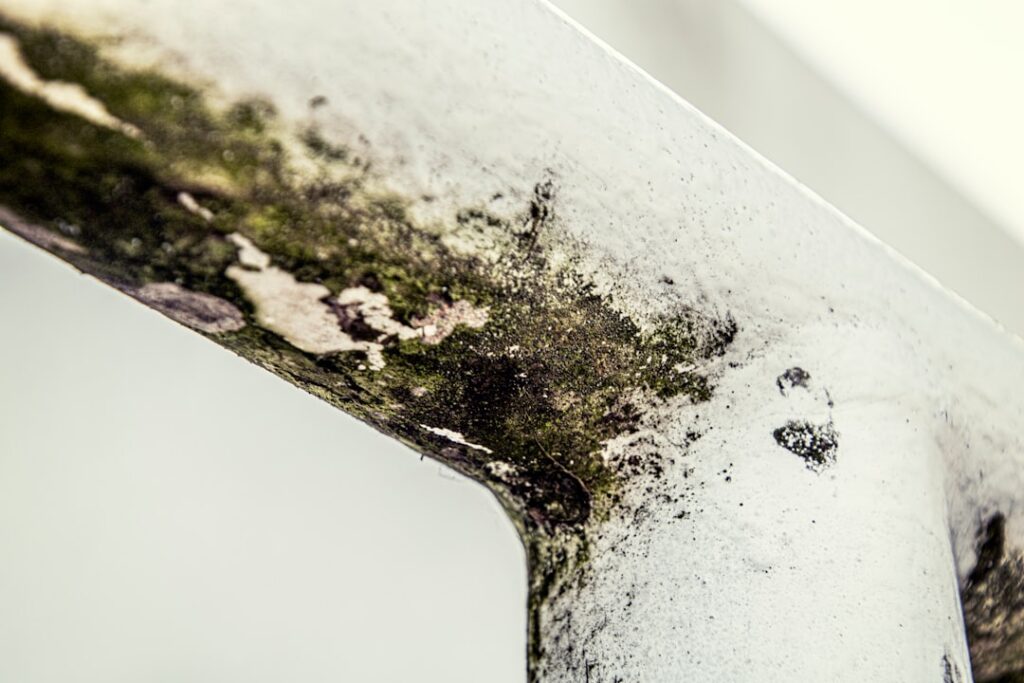
Not all mold announces itself with a dark stain overnight. Some colonies creep along over weeks or months, barely visible until a smell, a stain, or a renovation finally reveals them. This quiet behavior is what people mean by slow growing mold, and it is one of the reasons hidden moisture problems go unnoticed for so long. This guide explains the conditions that slow mold down, why dormant growth is so easy to miss, and how to catch it early. It summarizes EPA and CDC guidance current as of 2026 and is for general education only; consult a physician for symptoms and a certified professional for testing decisions.
Is this mold, asbestos, or water damage? Get a free instant screen
Upload a clear photo of the suspect area. You'll get an instant AI screening opinion and what to do next. This is screening guidance, not a professional determination.
Screening guidance only. AI can be wrong. Confirm asbestos, mold type, or lead with lab testing or a licensed professional before acting.
What Makes Some Mold Grow Slowly?
Mold growth is governed by moisture, temperature, food, and time. When any of those drops below the ideal range, growth slows rather than stops. A surface that is merely damp instead of soaked, a cool basement rather than a warm bathroom, or a material low in cellulose all push a colony into a slower, quieter phase. The fungus is still alive and still spreading, just at a pace that may not produce visible change for weeks.
Certain genera are naturally slower to establish. Stachybotrys chartarum, for example, is a comparatively slow colonizer that needs materials to stay wet for extended periods before it takes hold. By contrast, fast molds like some Penicillium species can show visible growth within a couple of days of wetting. The slow ones tend to win in places where moisture is chronic but low-grade rather than sudden and severe.
Dormancy: Mold That Waits
Mold does not always die when conditions dry out. Spores and even established hyphae can go dormant, surviving in a low-activity state until moisture returns. The EPA emphasizes that mold spores are essentially everywhere and cannot be fully eliminated from indoor air, which means a dried-out colony is often dormant rather than gone. Restore the humidity or re-wet the material, and growth can resume from where it left off.
This is why scrubbing a spot without fixing the moisture so often fails. The visible growth disappears, the homeowner assumes the problem is solved, and weeks later the same patch returns. The colony never truly left; it simply paused.
The Role of Temperature
Most household molds prefer temperatures roughly between 60 and 80 degrees Fahrenheit. In cooler spaces such as crawl spaces, unheated basements, and behind exterior walls in winter, growth slows considerably. A few species tolerate cold better than others, which is why slow, cool-weather growth in a Front Range crawl space can persist quietly through a Colorado winter and then accelerate when spring warms the structure.
Why Slow Growing Mold Is So Easy to Miss
The danger of slow mold is not that it is more harmful, but that it is more concealed. Because the visual change is gradual, the human eye adapts and stops noticing it. A faint shadow on a closet wall looks the same week to week, so it never triggers concern. By the time the discoloration is obvious, the colony may have spread well beyond the visible edge.
Hidden locations make this worse. Slow growth frequently happens in spaces homeowners rarely inspect: behind furniture, inside wall cavities, under flooring, above ceiling tiles, and within HVAC ductwork. Out of sight, a colony can expand for months. Our guide on spotting the signs of mold inside walls covers many of these concealed spots in detail.
The Quiet Signs to Watch For
Slow growing mold rarely gives you a dramatic visual, so it pays to notice the subtler clues. A persistent musty or earthy odor is often the first signal, sometimes appearing long before any stain. Trust your nose; the smell is produced by compounds mold releases as it grows.
Other early indicators include faint discoloration that slowly darkens, paint or wallpaper that bubbles or peels in one spot, warped or soft baseboards, and condensation that keeps reappearing on the same window or wall. Unexplained allergy-like symptoms that ease when you leave the house can also point to a hidden source, though a physician should evaluate any health concern. Reviewing the broader mold inspection and testing resources can help you connect these signs to likely causes.
Moisture Is the Common Thread
Behind nearly every slow mold problem is a low-grade, ongoing moisture source: a slow plumbing drip, a poorly sealed window, condensation on cold pipes, or relative humidity that hovers just high enough to keep surfaces damp. Because the water arrives slowly, it never floods or alarms anyone, yet it supplies exactly the steady dampness that slow molds need.
Where Slow Growth Tends to Hide
Certain areas of a home consistently shelter slow-growing colonies. Basements and crawl spaces combine cool temperatures with ground moisture. Bathroom walls and ceilings collect condensation that dries incompletely. The backs of closets on exterior walls trap humidity against cool surfaces. Around plumbing penetrations, slow drips wick into framing and subfloor.
HVAC systems deserve special attention. Cooling coils, condensate pans, and the insulated interior of ducts can stay damp, and any colony there can distribute spores throughout the house each time the system runs. Because these spaces are dark, cool, and rarely opened, slow growth can continue undisturbed for a long time.
How to Find and Confirm Slow Growing Mold
Finding slow mold takes more than a glance. Inspectors use moisture meters to detect elevated readings behind intact surfaces, infrared cameras to spot the temperature differences that hint at hidden dampness, and borescopes to peek inside wall cavities through small openings. When growth is suspected but invisible, air or surface sampling sent to an accredited lab can confirm whether elevated spore counts are present.
A homeowner can do a lot with attention and a flashlight, but confirming hidden, slow-growing colonies usually benefits from professional tools. If you suspect a problem you cannot see, our overview of how testing and inspection combine explains what a thorough assessment includes.
Why HVAC Distribution Makes Slow Growth Worse
A slow colony in a wall is a localized problem, but a slow colony in the HVAC system is a whole-house one. Every time the blower runs, it can pick up spores from a damp coil or duct interior and distribute them through the home. Because the growth is slow and hidden, the source escapes notice while spores spread quietly to other surfaces, seeding new colonies wherever moisture allows. This is one reason a faint musty smell that intensifies when the system cycles on deserves serious attention.
How Slow Mold Differs From Fast Mold
Fast-growing molds announce themselves. Within a day or two of a soaking, they produce visible fuzz, and the dramatic appearance prompts quick action. Slow molds work against you precisely because they do not create that urgency. The gradual change reads as background, not emergency, so weeks pass before anyone reacts.
The health and structural concerns are not necessarily greater with slow mold; the difference is detection. A fast mold problem gets caught early because it is obvious. A slow one gets caught late because it is subtle, and by then the colony and the moisture damage behind it have both had time to expand. The lesson is to respond to the quiet signals, the smell and the faint stain, with the same seriousness you would give an obvious patch.
Preventing the Conditions Slow Mold Needs
Because slow mold depends on steady, low-grade dampness, prevention focuses on eliminating those persistent moisture sources rather than reacting to floods. Keep indoor relative humidity between 30 and 50 percent, and use a hygrometer in basements and other cool, damp-prone spaces. Insulate cold-water pipes so they do not sweat. Improve ventilation in bathrooms and kitchens so steam leaves rather than condensing on cool surfaces.
Address the slow drips and minor seepage that never seem urgent: a slightly leaking valve, a window that weeps in winter, a crawl space without a vapor barrier. These are exactly the low-grade sources slow molds thrive on. Front Range homeowners benefit from the region’s dry air, but cool basements and crawl spaces still create the steady dampness slow molds need, so those spaces reward the most attention.
The Materials That Slow Mold Favors
Slow-growing colonies show a preference for certain materials, and recognizing them helps you predict where quiet growth might hide. Dense, slow-to-dry materials hold low-grade moisture for long periods, which is exactly what slow molds need. The paper backing of drywall, wood framing in cool cavities, and insulation that has absorbed humidity all retain dampness long after a surface looks dry.
Cellulose-rich materials are particularly hospitable to the slow colonizers like Stachybotrys, because they provide both food and water-holding capacity. Concrete and masonry in basements wick ground moisture steadily, supporting slow growth at the base of walls. Carpet padding over a damp slab, the underside of vinyl flooring, and the interior of ductwork round out the list. These shared traits, density, water retention, and an organic food source, explain why slow mold concentrates in the same kinds of hidden, slow-drying places across different homes.
What Slow Growth Means for Repairs
Because slow mold spreads quietly over months, the repair scope is often larger than the visible evidence suggests. A faint stain on a closet wall can sit atop a colony that has crept well beyond its edge, into the cavity, the insulation, and the framing. When the wall is finally opened, homeowners frequently discover the problem is more extensive than the surface implied.
This is the practical cost of slow mold’s stealth: the damage accumulates unseen, and addressing it may involve removing and replacing more material than expected. It reinforces why early action on the quiet signals, the musty smell or the slowly darkening patch, pays off. Catching a slow colony while it is small and the moisture is fresh keeps repairs minor, while waiting until the growth is obvious often means a larger, costlier remediation.
What to Do Once You Find It
The priority is the same as with any mold: stop the moisture first. Slow molds are uniquely sensitive to this step because their entire existence depends on a steady low-grade water source. Remove that source and the colony loses its ability to keep spreading. Then clean hard, non-porous surfaces and remove porous materials that have grown mold and cannot be fully dried.
The EPA suggests homeowners can typically manage growth under about 10 square feet, but slow mold often turns out to be more extensive than it looks because the visible patch understates the true spread. If you uncover growth in wall cavities, ductwork, or across a large area, or if anyone in the home has respiratory concerns, bring in a certified professional and consult a physician about any symptoms. Catching slow mold early, while it is still dormant or small, almost always saves money and structural damage later.
References
- A Brief Guide to Mold, Moisture and Your Home — U.S. Environmental Protection Agency
- About Mold and Your Health — Centers for Disease Control and Prevention
- Mold Cleanup in Your Home — U.S. Environmental Protection Agency
Suspect something growing quietly behind a wall or in a crawl space? Front Range homeowners can reach a qualified local inspector through our contact page to confirm what is there.