How to Spot Black Mold: A Plain-Language Guide
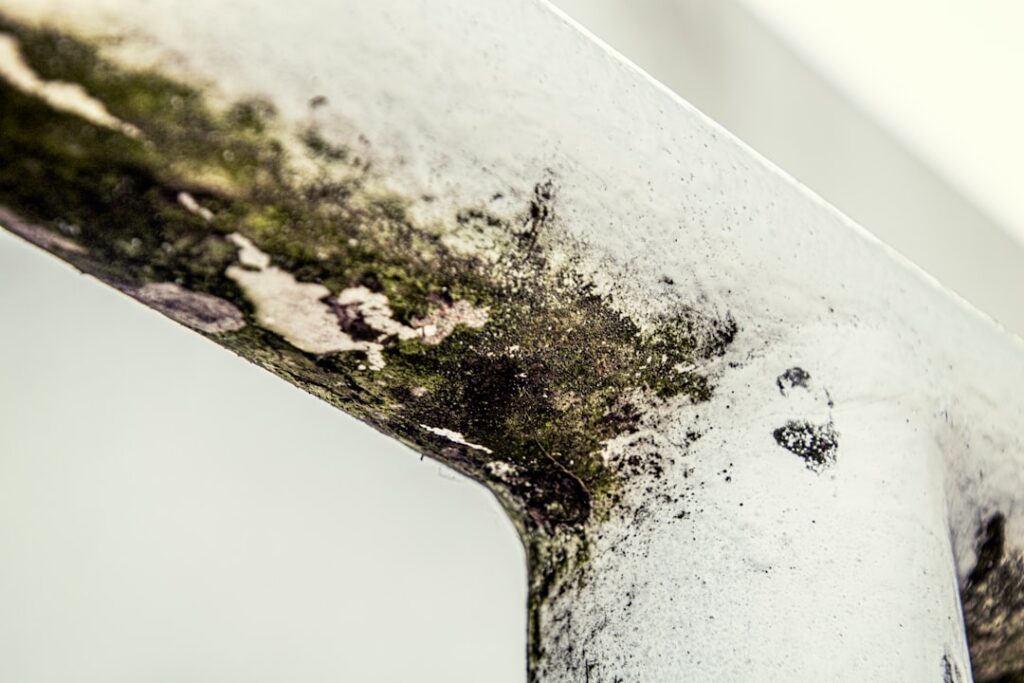
Black mold rarely announces itself with a neat warning sign. It shows up as a smudge in a corner, a darkening grout line, or just a musty smell with no obvious source. Knowing how to spot black mold early, before it spreads behind finishes, can save a small cleanup from becoming a major remediation. This guide summarizes EPA and CDC guidance current as of 2026 and is educational only; for health symptoms consult your physician, and for confirmation or large growth consult a certified professional.
Is this mold, asbestos, or water damage? Get a free instant screen
Upload a clear photo of the suspect area. You'll get an instant AI screening opinion and what to do next. This is screening guidance, not a professional determination.
Screening guidance only. AI can be wrong. Confirm asbestos, mold type, or lead with lab testing or a licensed professional before acting.
What Black Mold Looks Like
True black mold, often meaning Stachybotrys chartarum, typically appears dark green to black with a slimy or wet sheen when actively growing. As it dries it can look powdery and sooty. It favors materials that stay very wet, especially cellulose-rich surfaces like drywall paper, wood, and ceiling tiles.
That said, color alone proves little. Many molds appear dark, and several harmless stains mimic mold. The CDC is clear that you cannot identify a mold species by sight, and that the response to any indoor mold is the same regardless of color. What you are really looking for is a pattern: discoloration that spreads, grows fuzzy or slimy, and reappears after cleaning.
Black mold also tends to grow in patches with irregular, spreading edges rather than the uniform shape of a paint stain or water mark.
Where Black Mold Hides
Mold grows where water concentrates and air stagnates. Checking these spots first speeds detection.
Bathrooms
Grout lines, caulk around tubs and showers, ceiling above the shower, and behind toilets are classic sites. Poor ventilation lets moisture linger. Our guide on whether mold in the shower is dangerous covers this common location in depth.
Basements and Crawl Spaces
Below-grade areas trap humidity and take on groundwater. Check the base of walls, behind stored boxes, and on floor joists overhead.
Around Plumbing and Appliances
Under sinks, behind washing machines and dishwashers, near water heaters, and around supply lines, a slow leak feeds hidden growth. Window sills and frames that collect condensation are another frequent site.
Using Your Nose
Smell is one of the most reliable early indicators. A persistent musty, earthy, or damp odor often signals mold growing somewhere you cannot yet see, such as inside a wall cavity or under flooring. If a room smells musty but looks clean, the mold is likely hidden.
Trust the smell even without a visible patch. The odor comes from compounds mold releases as it grows, and it frequently appears before discoloration reaches a visible surface. A musty basement or a closet that smells damp warrants a closer look at the surrounding moisture sources.
Signs Beyond the Mold Itself
Sometimes the clues are indirect. Water stains, bubbling or peeling paint, warped drywall, and a swollen baseboard all point to moisture that may already be supporting mold behind the surface. Condensation on windows or pipes signals humidity high enough to feed growth.
Health patterns can hint too. The CDC notes that mold-sensitive people may experience congestion, coughing, eye irritation, or worsening asthma. If symptoms consistently improve when someone leaves the house, hidden mold is worth investigating, though only a physician can connect symptoms to a cause.
What Black Mold Is Not
Several things look like black mold but are not. Soot and dust accumulate in dark streaks near vents and along walls, especially above baseboard heaters. Mineral deposits and efflorescence leave white-to-gray crystalline residue on masonry, which is salt, not mold. Old water stains can be dark without any living growth.
A simple field check: dab the spot with a bit of diluted detergent on a cloth. Mold growth usually smears and may lighten; a mineral stain or dirt behaves differently. This is not a definitive test, only a clue. When in doubt, our guide to the best at-home mold test kit explains what consumer kits can and cannot confirm.
Should You Test, or Just Clean?
The CDC and EPA generally do not recommend routine air sampling for mold in homes, because results are difficult to interpret and the corrective action does not change with the species. If you can see mold, the practical response is to clean small areas and remove the moisture source rather than spend money identifying it.
Testing has a place in specific situations: a real estate transaction, a dispute with a landlord or insurer, confirming that hidden growth exists when only an odor is present, or verifying a cleanup succeeded. In those cases an independent assessor is more useful than a store-bought kit. The parent mold inspection and testing hub walks through when professional testing earns its cost.
Seasonal and Weather Clues
The timing of when mold signs appear or worsen often points toward the moisture source feeding it, which helps both spotting and fixing the problem. Staining or musty smells that intensify after heavy rain suggest water entering through the roof, around windows, or through the foundation. Problems that flare in humid summer months point to ambient humidity or air-conditioning condensation rather than a discrete leak.
Winter brings its own pattern. Condensation on cold windows, in unheated corners, and on exterior walls signals indoor humidity high enough to feed growth where warm interior air meets cold surfaces. A bathroom that smells musty mainly in winter may be holding shower moisture that the season’s closed windows trap.
Watching these seasonal rhythms turns a vague suspicion into a targeted search. If mold clues track with rainfall, inspect the roof, gutters, and foundation. If they track with humidity, look at ventilation and dehumidification. If they appear as winter condensation, address the temperature differential and airflow at cold surfaces. Reading the weather alongside the visual and odor clues helps a homeowner not only spot mold but understand why it is there, which is the first step toward keeping it from coming back.
When to Call a Professional
Some discoveries are beyond a homeowner’s scope. Call a professional for mold covering more than about 10 square feet, growth inside HVAC systems, contamination from flooding or sewage, or a strong musty smell with no findable source. Anyone in the household who is immunocompromised or has serious respiratory disease should also leave cleanup to others.
Catching black mold while it is still a small surface patch keeps the response simple. The longer it grows undetected behind a wall or under a floor, the more it costs to address, which is exactly why learning to spot it early pays off.
Why Early Detection Pays Off
The case for learning to spot mold early is fundamentally about scale and cost. Mold growth is not linear; once a colony establishes itself with a steady moisture source, it expands and migrates, moving from a visible surface into the wall cavity, across framing, and into adjacent materials. A patch caught at a few square inches is a wipe-down. The same problem caught a year later, after it has spread behind the drywall and into the studs, becomes a containment-and-demolition project.
Hidden growth is the expensive kind precisely because it goes undetected. By the time it forces itself into view, through a stain bleeding through paint or a smell strong enough to notice, it has usually been growing for a while in a place no one was watching. The skill of spotting the early and indirect signs, the faint musty odor, the slightly bubbled paint, the recurring stain, is what shrinks a potential major remediation back down to a minor cleanup.
There is also a health dimension to early detection. The longer mold grows, the more spores it releases into the air a household breathes. Catching it early limits that exposure, which matters most for sensitive people. Spotting mold is not about alarm; it is about responding while the response is still simple, cheap, and effective.
A Room-by-Room Inspection Routine
A systematic walk-through catches mold that a casual glance misses. The approach is to move through the home methodically, paying attention to the spots where water and stagnant air combine.
Bathrooms and Kitchens
Check grout and caulk lines, the ceiling above the shower, behind and beneath the toilet, under sinks, and around the dishwasher and refrigerator water lines. Run a hand along surfaces that feel persistently damp. These rooms generate the most daily moisture.
Basement and Lower Levels
Inspect the base of foundation walls, behind stored boxes, around any floor drains, and on the underside of the floor above if it is unfinished. A musty smell here is a strong signal even without a visible patch.
Bedrooms and Living Areas
Look at window sills and frames for condensation staining, behind furniture placed against exterior walls, and around any past water-stain. Closets on exterior walls can trap humidity and hide growth behind hanging clothes.
Working through each space in turn, rather than reacting only to what is obvious, turns up early-stage growth while it is still easy to handle.
Distinguishing Active Growth From Old Stains
One of the trickier judgments is whether a dark mark is living mold or an old, dried-out stain that no longer poses a moisture problem. Active growth often looks raised, fuzzy, or slimy, may feel slightly damp, and tends to have a musty smell associated with it. It also spreads over time, so a mark that is larger than you remember is likely active.
Old water stains, by contrast, are usually flat, dry, and stable in size. They mark where water once sat but may not indicate current growth. That said, a dried stain still tells you water was present, so it warrants checking whether the source has truly been fixed or could recur.
A gentle field check helps: dabbing a suspected spot with a little diluted detergent on a cloth often causes active mold to smear and lighten, while a mineral deposit or settled dust behaves differently. This is a clue, not a diagnosis. When the distinction matters, especially before a purchase or repair, the parent mold inspection hub explains professional assessment.
Hidden Mold: Reading the Indirect Clues
The mold that causes the most trouble is the kind you never see, growing inside a wall cavity, above a ceiling, or under flooring. Because it is hidden, you have to read the indirect signs. A persistent musty odor with no visible source is the strongest indicator that growth exists somewhere out of sight.
Building materials offer visual hints. Bubbling, peeling, or discolored paint, warped or soft drywall, a swollen baseboard, or a stained ceiling tile all point to moisture behind the surface that may be supporting growth. Condensation on windows or visible dampness on pipes signals humidity high enough to feed mold.
Tracking when and where these clues appear helps locate the source. Staining that worsens after rain suggests a roof or foundation issue; a musty closet on an exterior wall suggests condensation. Following the moisture, rather than waiting for a visible patch, is how hidden mold gets caught before it spreads through framing.
Tools That Help You Spot Mold
A few inexpensive tools sharpen a homeowner’s ability to detect hidden moisture. A flashlight angled across a surface reveals texture changes, like the subtle bubbling of paint over a damp wall, that flat lighting hides. A moisture meter, available at hardware stores, reads the moisture content of materials and can confirm dampness behind a surface that looks dry.
Your sense of smell remains one of the best tools, since the musty odor of mold often precedes any visible sign. For homeowners who want to investigate a suspected hidden source before calling a professional, our companion guidance on mold after water damage covers how moisture travels and where to check. None of these tools replaces professional assessment for large or disputed problems, but they help you decide whether what you are seeing warrants a closer look or a phone call.
References
- About Mold and Health — Centers for Disease Control and Prevention
- Mold Cleanup in Your Home — U.S. Environmental Protection Agency
- A Brief Guide to Mold, Moisture and Your Home — U.S. Environmental Protection Agency
If you suspect hidden black mold in your Front Range home but cannot pin down the source, connect with a vetted inspector through our contact page for an objective assessment.