Getting Rid of White Mold: ID, Efflorescence, Cleanup
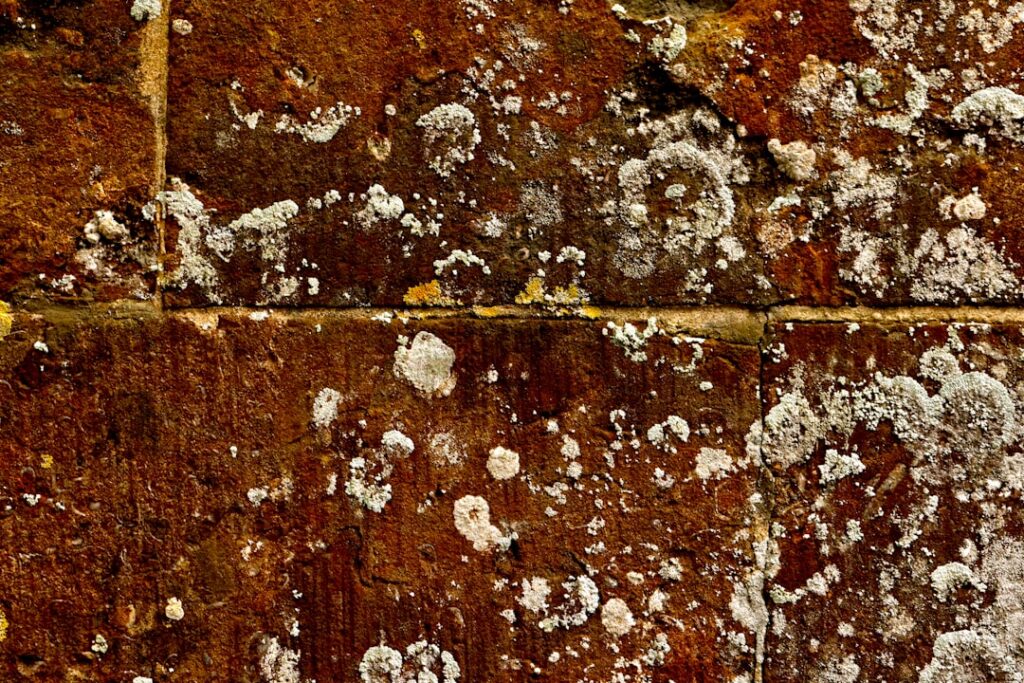
“Getting rid of white mold” is the search homeowners run after spotting a fuzzy or powdery whitish growth on a basement wall, behind furniture, in a crawlspace, or on stored items. The instinct is to grab a cleaner and start scrubbing. The smarter first step is identification, because what looks like white mold is often something else entirely — efflorescence (mineral salts deposited by water on masonry), mildew (a surface fungus that responds to easier cleaning), or one of several specific mold species that require different removal approaches. This guide summarizes EPA, CDC, and NIH guidance current as of 2026 — consult your physician for symptoms and a certified professional for testing decisions.
Is this mold, asbestos, or water damage? Get a free instant screen
Upload a clear photo of the suspect area. You'll get an instant AI screening opinion and what to do next. This is screening guidance, not a professional determination.
Screening guidance only. AI can be wrong. Confirm asbestos, mold type, or lead with lab testing or a licensed professional before acting.
Identification Before Cleanup
Three whitish substances commonly show up on basement walls and other building surfaces, and they look similar to a casual glance. Efflorescence is a mineral salt deposit left behind when water evaporates out of concrete, brick, or stone. It is not a living organism, contains no biological material, and represents a water problem rather than a mold problem. Mildew is the colloquial name for surface-growing fungi (often Cladosporium or similar species) that thrive on smooth damp surfaces but do not penetrate deeply. White mold is the umbrella term for early-stage growth of several mold genera — Aspergillus, Penicillium, and others — that appear white before maturing into their characteristic green, blue, gray, or black coloration.
The cleanup approach differs for each. Efflorescence wipes off with water and a brush, returns whenever moisture moves through the wall again, and is solved by addressing the water rather than the salt. Mildew responds to standard detergent-and-water cleaning of non-porous surfaces. White mold follows the full EPA mold-cleanup framework with PPE, containment, and the discard-or-clean decision based on substrate type. Misidentifying one as the other leads to either over-treatment (PPE for what is actually salt) or under-treatment (a quick wipe of what is actually a viable colony).
The Water Test for Quick Identification
The fastest field test distinguishes efflorescence from mold. Spray a small amount of water onto the suspect patch and watch what happens over the next thirty seconds to a minute. Efflorescence dissolves into the water and disappears — it is a salt and behaves like one. Mold remains in place because it is biological tissue anchored to the substrate, not a soluble mineral.
This test is not exotic and does not require a kit. A spray bottle and patience are the only equipment. If the white patch washes away with water, it is almost certainly efflorescence and the homeowner’s real job is finding the moisture path through the masonry. If it stays in place, it is biological — either mildew or true mold, with the cleanup approach branching from there.
A secondary clue: efflorescence appears most commonly on concrete, mortar joints, brick, and natural stone, especially in basement walls where groundwater moves through the masonry. White mold appears on cellulose substrates — drywall, wood, paper, fabric — and on damp organic biofilms on harder surfaces. The substrate gives you a strong prior before the water test even confirms it.
If It Is Efflorescence
Efflorescence is a moisture indicator, not a contamination problem. The salts are typically benign sodium, calcium, and potassium compounds dissolved from within the masonry by water and deposited at the surface as the water evaporates. The salts themselves do not harm occupants. What they signal is that liquid water is moving through the wall, which means three things: paint adhesion will be compromised over the affected area, mold growth becomes possible if cellulose materials contact the damp side, and the underlying waterproofing or drainage has a problem worth addressing.
Cleanup is mechanical. Brush off the dry salt with a stiff-bristle brush, vacuum the debris, and rinse the wall with clean water. The salts return whenever water moves through the wall again, so the real fix is on the water side: gutter extensions, foundation grading, exterior waterproofing, interior drain tile, or a sump pump depending on the source. Front Range basements often need a combination of better surface grading and gutter management to eliminate the water path. Our broader walkthrough on how to fix mold in house covers the moisture-source diagnostic steps.
If It Is Mildew
Mildew — the common name for surface-growing fungi like Cladosporium and related species — appears as a thin powdery or fuzzy layer on smooth damp surfaces. Bathroom tile grout, shower caulk, painted bathroom ceilings, and refrigerator gaskets are the typical locations. The growth is shallow, has not penetrated the substrate, and responds well to surface cleaning.
The EPA-recommended approach is detergent and water with mechanical scrubbing using a stiff brush or scrub pad. Hydrogen peroxide at 3% is a useful pre-treatment that lifts the staining. Dry the surface completely with towels and ventilation. Bleach is not required and is not recommended over the standard detergent-and-water approach. Mildew recurrence is a humidity problem more than a cleaning problem — bathroom exhaust fan run time of twenty minutes after each shower, post-shower squeegee use, and indoor relative humidity below 50% reduce recurrence dramatically.
If It Is True White Mold
White mold — early-stage Aspergillus, Penicillium, or similar genera — looks fuzzy or cottony and often grows on cellulose substrates: drywall, wood, ceiling tile, fabric, paper, leather. It is biologically the same problem as colored mold (Aspergillus and Penicillium colonies often start white before maturing into green-blue or yellow coloration), and the cleanup follows the standard EPA framework.
For non-porous surfaces — sealed tile, glass, metal, hard plastic — scrub with detergent and water, rinse, and dry completely. For porous materials with heavy growth — drywall, carpet, ceiling tile, insulation, fabric upholstery — the EPA recommends discarding the affected piece rather than cleaning, because hyphae penetrate into the structure where surface treatment cannot reach. Solid wood framing that remains structurally sound is the exception worth salvaging: HEPA-vacuum, sand the surface, treat with borate solution.
Below ten contiguous square feet, homeowner cleanup with N95 respirator, nitrile gloves, splash goggles, and disposable coveralls is reasonable. Above ten square feet, professional remediation with containment and HEPA filtration is recommended. Our piece on how to clean house mold covers the homeowner workflow in step-by-step detail.
Distinguishing White Mold From Stachybotrys
Some homeowners ask whether white mold is actually Stachybotrys — the “toxic black mold” — in an earlier stage. The answer is generally no. Stachybotrys is dark olive to black throughout its life cycle, often slimy when fresh, and grows specifically on cellulose substrates that have been continuously saturated for sustained periods. It does not appear as white growth that later darkens. White growth that matures into green-blue or yellow tones is most commonly Aspergillus or Penicillium. White growth that matures into gray-black with a slimy texture and a strong musty odor warrants laboratory identification because Stachybotrys identification changes the conversation about how widespread the moisture problem likely is.
The CDC’s position is that all visible mold should be removed regardless of species, and that genus-level identification rarely changes the cleanup protocol itself. What identification can change is the moisture-source investigation — Stachybotrys identification points to chronic wetness that often extends well past the visible patch.
White Mold on Stored Items and Crawlspaces
Two specific locations generate a disproportionate share of white-mold searches. Stored leather goods, books, fabric, and similar items in basement or garage storage frequently develop white surface mold during humid conditions. Light surface growth can be brushed off outdoors with PPE, HEPA-vacuumed, and aired in dry conditions. Heavy growth on books, fabric, and porous items usually means the items are beyond salvage from a mold standpoint, though professional document and photo restoration services exist for high-value pieces.
Crawlspaces are the other recurring location. Front Range crawlspaces with dirt floors and inadequate vapor barriers commonly develop white mold on joists, sill plates, and stored materials due to ground moisture evaporation. The cleanup follows the standard EPA framework with the added complication that the moisture source — soil moisture — requires vapor-barrier installation and sometimes interior drainage to resolve. Treating the visible growth without sealing the floor is a temporary fix.
The Front Range Basement Context
White growth on Front Range basement walls deserves its own discussion because the regional conditions produce both efflorescence and true mold in characteristic patterns. Many Front Range homes were built on expansive soils that move with seasonal moisture cycles, creating the small cracks and water paths through which efflorescence-producing salts dissolve and migrate to wall surfaces. The seasonal snowmelt and high-intensity summer thunderstorm pattern keeps the moisture cycle active, so efflorescence often returns even after the visible deposits are cleaned.
The mold side of the regional pattern depends on basement use. Finished basements with carpet and drywall are vulnerable to true mold growth wherever a water event has wetted the cellulose substrates. Unfinished basements with bare concrete walls more often show efflorescence than true mold, because the substrate itself does not feed mold growth. The walk-out basement style common in foothills neighborhoods presents its own profile — the at-grade or below-grade portions of the wall can show efflorescence while the above-grade portions show window-condensation mold during cold months.
When to Skip Cleanup and Call a Pro
Several conditions push white-mold work past the homeowner stage. Visible growth larger than ten contiguous square feet falls under the EPA’s licensed-remediation threshold. Crawlspace mold across multiple joists. Hidden growth discovered behind walls. Households with asthmatic, immunocompromised, pregnant, or infant members. Repeated white-mold reappearance, which signals an unresolved moisture problem.
A licensed remediation contractor brings containment plastic, negative-pressure HEPA air machines, and post-remediation verification protocols. For Front Range homeowners considering a contractor, the resources at our mold inspection and testing hub walk through the vetting questions and scope-of-work expectations.
Preventing White Mold Return
Whatever you found — efflorescence, mildew, or true mold — the long-term fix is moisture management. Keep indoor relative humidity below 50%, ideally between 30% and 50%. Run bathroom exhaust fans during and after showers for at least twenty minutes. Vent clothes dryers outside. Manage basement humidity with a dedicated dehumidifier if necessary; Front Range summers with evaporative cooling can drive indoor humidity high enough to support growth. Install vapor barriers on dirt-floor crawlspaces. Address exterior grading, gutter extensions, and foundation seepage paths to keep liquid water away from below-grade walls.
Mold and efflorescence both follow water. Solving the water problem solves both at once. A homeowner whose basement is dry, well-ventilated, and below 50% relative humidity will not see meaningful return of either, regardless of which species was growing on the wall to begin with.
References
- A Brief Guide to Mold, Moisture, and Your Home — U.S. Environmental Protection Agency
- Basic Facts About Mold and Dampness — Centers for Disease Control and Prevention
- Mold Health Effects Overview — National Institute of Environmental Health Sciences
- Healthy Homes Program Resources — U.S. Department of Housing and Urban Development
- Efflorescence and Masonry Resources — International Association of Certified Home Inspectors
Front Range homeowners dealing with persistent white growth on basement walls can reach out through our contact page for a referral to a vetted local inspector who can confirm whether the issue is mold, efflorescence, or a moisture path through the foundation.