Flir Canada: What Buyers Need to Know About Cross-Border Purchase
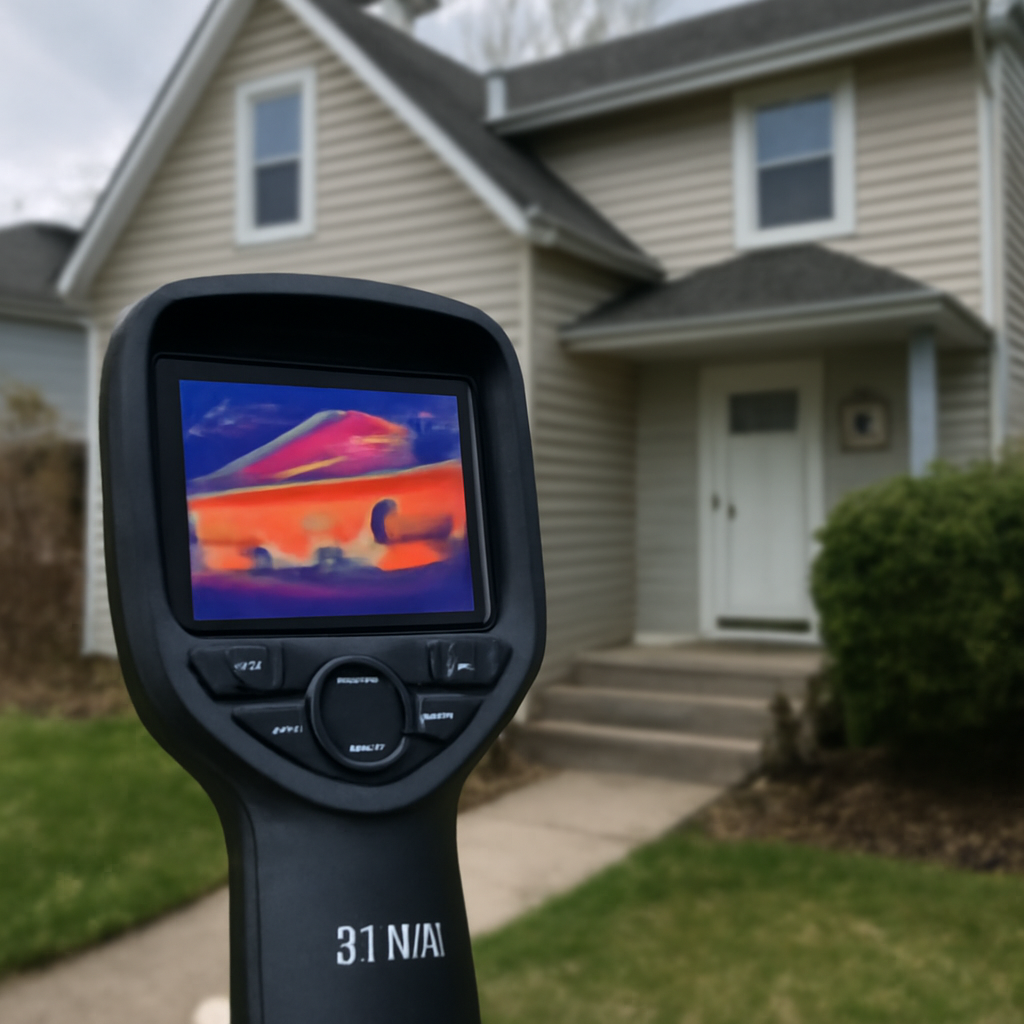
Canadian homeowners and inspectors shopping for thermal imaging gear face a different buying landscape than their U.S. counterparts — distinct distributor channels, currency exchange, GST and provincial tax considerations, warranty service paths, and climate-specific selection criteria. This guide covers the practical considerations of buying FLIR thermal cameras in Canada and how the Canadian climate shapes home-inspection thermal camera selection. Information draws on manufacturer published specifications and trade-association guidance rather than personal hands-on testing.
Flir Canada: How the Distribution Works
FLIR Systems operates in Canada through authorized distributors and direct sales channels. The parent company is now part of Teledyne Technologies, with North American operations managing both U.S. and Canadian markets. Canadian buyers can purchase through authorized resellers, online direct-to-consumer channels for consumer-tier products like the FLIR One and Cx-series, and specialist commercial distributors for inspector-tier and industrial products.
The distribution structure matters for several practical reasons. Pricing in Canadian dollars typically includes a markup over U.S. list prices reflecting exchange rates, import duties where applicable, and channel margins. Warranty service is handled through Canadian or North American authorized service centers, which can affect turnaround times for repairs. The home inspection tools pillar covers thermal camera selection in broader U.S. and Canadian context.
Currency and Pricing Considerations
FLIR consumer products in Canadian dollars typically run 15–25% higher than equivalent U.S.-dollar listings, with the exact premium depending on current exchange rates, GST and provincial sales taxes, and the specific product tier. The FLIR One Pro retails for roughly CAD $800–$900 versus USD $530 at list price. The Cx-series compact cameras run CAD $4,500–$7,500 versus USD $3,000–$5,500 depending on configuration.
Cross-border purchase from U.S. retailers can sometimes produce savings on the unit price but typically loses those savings to brokerage fees, GST collection at the border, and warranty complications. Canadian buyers who plan extensive professional use generally benefit from purchasing through Canadian channels for warranty and support reasons even when U.S. unit pricing appears more favorable.
Warranty Service in Canada
FLIR consumer products typically carry a 2-year warranty in Canada, while professional and industrial cameras carry 2-year warranties on the camera body with 10-year detector warranties (the “10-2-5” or similar warranty structures vary by product line). Service is handled through North American authorized service centers, with shipping logistics affecting turnaround times. Canadian buyers should confirm warranty terms and service-center routing at purchase rather than assuming U.S. parity.
Calibration services for thermal cameras used in professional applications (energy auditing, electrical inspection, building envelope work) are available through several Canadian service providers, with annual or biannual calibration intervals typical for measurement-grade work.
Thermal Imaging Standards in Canadian Context
Home inspection thermal imaging in Canada operates under standards similar to U.S. practice but with provincial variations in inspector licensure and code requirements. CSA standards govern several relevant areas, and provincial building codes establish energy and moisture performance baselines. InterNACHI Canada and several provincial home inspector associations provide certification and continuing education in thermal imaging applications. InterNACHI resources cover U.S. and Canadian inspector training in this space.
Energy.gov building science resources, while U.S.-focused, are broadly applicable to Canadian cold-climate building science. Many of the moisture and air-leakage patterns thermal imaging identifies are climate-driven rather than jurisdiction-driven.
Climate-Specific Selection: Why Canadian Buyers Should Care
Canada’s range of climate zones — from coastal British Columbia to high-Arctic conditions — means home-inspection thermal imaging encounters a wider range of building envelope challenges than typical U.S. southern markets. Cold-climate inspections often involve:
Ice-dam infiltration patterns at eaves during late-winter freeze-thaw cycles. Air leakage at top plates, can lights, and ceiling penetrations where stack-effect drives warm humid air into cold attics. Thermal bridging through framing in older homes without continuous exterior insulation. Window and door performance assessment where surface temperatures drop into condensation-risk territory. Floor coldness at slab-on-grade construction where perimeter insulation is missing or compromised.
These applications benefit from cameras with adequate temperature differential sensitivity (NETD) and resolution to detect modest temperature contrasts across building envelope details. The digital thermal camera buyer guide covers the technical specifications worth comparing.
Recommended Tier for Canadian Home Inspectors
Professional home inspectors typically benefit from cameras with 320×240 or 384×288 detector resolution, NETD below 50 mK, and temperature measurement accuracy adequate for documentation work. FLIR’s E-series and Exx-series cameras hit these specifications at price points in the CAD $5,000–$15,000 range. The FLIR C5 sits below this tier at roughly CAD $1,000 — useful for occasional documentation but limited for primary inspection work given lower resolution and detector quality.
For inspectors entering the field or doing supplementary thermal work alongside primary inspection services, the C5 or E-series entry models can produce useful documentation without the investment required for higher-tier industrial cameras.
Recommended Tier for Canadian Homeowners
Most Canadian homeowners do not need professional-grade thermal imaging. The FLIR One Pro at CAD $800–$900 connects to a smartphone, provides 160×120 thermal resolution with MSX enhancement, and handles homeowner-level applications: spot-checking insulation effectiveness, finding HVAC supply imbalances, identifying obvious cold spots around windows and doors, locating overheating electrical components, and tracking down water-loss event areas. The Cx-series compact cameras offer better resolution at a 4–8× price multiple over the One Pro — worth considering for homeowners who plan repeated use or who are responsible for larger or older properties.
The home thermal camera buyer guide covers the homeowner tier selection considerations in more depth.
Canadian Buying Channels
Several channels serve the Canadian market. Direct from FLIR via the manufacturer’s Canadian sales site for both consumer and professional products. Specialist commercial distributors for inspector-tier and industrial cameras, often with calibration and training services bundled. General electronics and tools retailers (specific names vary by region) for consumer-tier products like the FLIR One. Used and refurbished channels through specialist dealers and authorized resellers.
Buyers should confirm authorized-dealer status before purchasing professional-tier cameras, as grey-market units can produce warranty service complications and may not include full Canadian documentation and software access.
Shipping and Logistics
Canadian shipping for FLIR products from authorized Canadian channels typically runs standard timelines — three to ten business days depending on origin point and destination province. Northern and remote destinations carry longer timelines and sometimes premium shipping charges. Cross-border shipping from U.S. retailers adds customs clearance time, brokerage fees, and GST collection at the border.
Returns and warranty service shipping follows similar patterns. The practical implication: Canadian buyers ordering through Canadian channels generally have faster and more predictable logistics than cross-border alternatives, even when U.S.-dollar unit prices appear more favorable.
Software, Training, and Support
FLIR provides reporting software (FLIR Tools, FLIR Thermal Studio) used by inspectors to compile findings into client deliverables. Software is consistent across U.S. and Canadian markets. Training resources, including the InfraRed Training Center (ITC) certification programs, are available to Canadian inspectors with sessions held in both Canada and the U.S.
Annual or biannual continuing education and calibration intervals are typical for inspectors who use thermal imaging in measurement-grade work. The investment in training and ongoing calibration often exceeds the initial camera purchase over a career, particularly for inspectors building documented expertise.
Alternative Brands in the Canadian Market
FLIR is not the only thermal camera brand serving Canadian buyers. Hikmicro and Topdon have introduced consumer-tier products at aggressive pricing. Fluke offers professional-tier imagers focused on electrical and industrial applications. Several other brands target specific niches. The best thermal imaging camera buyer guide covers brand comparison.
For Canadian inspectors making a primary brand commitment, the depth of authorized service infrastructure, training resources, and integration with reporting software favor FLIR for most professional applications. Consumer buyers have wider latitude to compare across brands based on price and feature set.
Climate-Driven Use Cases Worth Highlighting
Canadian buyers often see strong return on thermal imaging investment in cold-climate energy audit applications. Documenting air leakage paths through building envelopes during heating season produces clear images that translate readily into homeowner action. Insulation gaps in attic and wall assemblies show up clearly when interior-exterior temperature differential is large. Window and door performance becomes visible in ways that pre-cold-weather walkthroughs miss.
For inspectors operating in Ontario, Quebec, the Prairie provinces, and Atlantic Canada, thermal imaging during winter inspection season often produces the most diagnostically useful images of the year — and pairs well with blower-door testing to document the air-leakage paths that thermal imaging identifies.
Refurbished and Used FLIR Inventory
Several authorized channels in Canada offer refurbished and previous-generation FLIR cameras at reduced prices, typically 20–40% below new equivalent pricing. Refurbished units usually carry a shorter warranty (often 6–12 months versus 2 years on new) and have been functionally tested before resale. For buyers willing to accept the shorter warranty in exchange for substantial savings, the refurbished channel can offer access to higher-tier cameras than the new-purchase budget would allow.
Cautions: ensure the refurb source is an authorized FLIR channel rather than a third-party reseller. Confirm what warranty applies and what calibration documentation comes with the unit. Verify software access (FLIR Tools, Thermal Studio) since some older models have software limitations. Refurbished previous-generation cameras with current software support can deliver excellent value for Canadian buyers who do not need the latest features.
Tax and Business-Expense Considerations
Canadian small businesses, including independent home inspectors, can typically expense thermal camera purchases as business equipment. The specific tax treatment depends on cost (immediate expense versus capital cost allowance), province, and business structure. Inspectors who use thermal imaging in client deliverables should keep purchase documentation, calibration records, and continuing-education receipts for tax and credentialing purposes.
Provincial sales tax handling varies. GST is collected uniformly across provinces; HST replaces both GST and PST in participating provinces; standalone PST applies in some provinces. The combined tax burden on a thermal camera purchase ranges from 5% to 15% depending on location, which affects the cross-border purchase math meaningfully.
References
- Infrared Thermography for Home Inspectors — InterNACHI
- Thermographic Inspections — U.S. Department of Energy
- Standards and Guidelines — ASHRAE
- I-Codes — International Code Council
Thermal imaging cameras
Infrared cameras reveal hidden moisture, missing insulation, and air leaks. Phone-attachment models are the budget entry point; standalone units have higher resolution.
| Product | Why | Buy |
|---|---|---|
 FLIR ONE Pro (phone) FLIR ONE Pro (phone) | Plugs into iPhone/Android; inspector favorite. | Amazon — $349.00 |
 Topdon TC001 Topdon TC001 | High-res phone module at a low price. | Amazon — $199.99 |
 FLIR C5 Compact FLIR C5 Compact | Standalone pocket camera with Wi-Fi. | Amazon — $449.00 |