Best Mold Test Kit: A 2026 Homeowner Buyer’s Guide
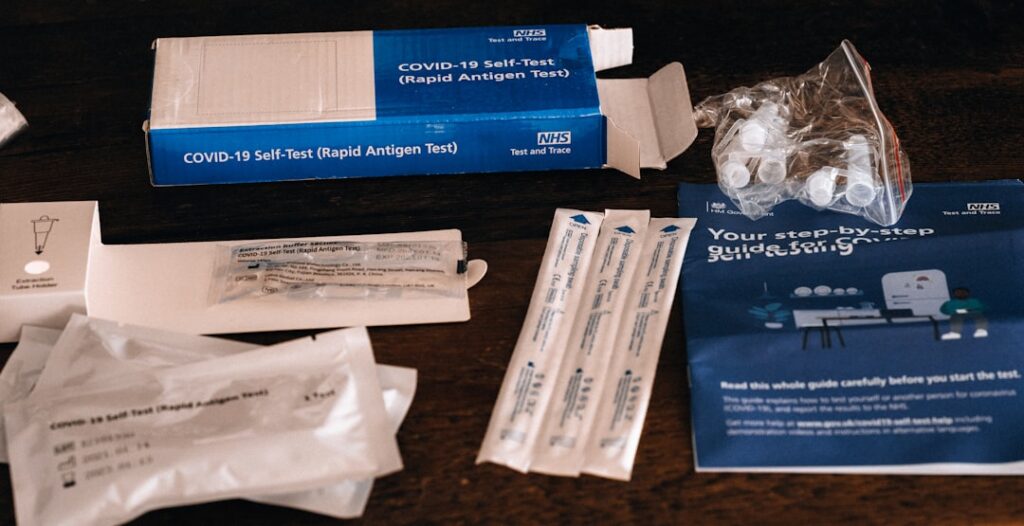
Mold test kits sell well because they promise a fast, cheap answer to an anxious question: is this stain dangerous, and what is it? Some kits deliver useful information; others mostly grow whatever was already floating in the air and hand you a positive result that proves almost nothing. Choosing the best mold test kit means understanding what each type actually measures before you spend the money. This guide summarizes EPA and CDC guidance current as of 2026 and is educational only; it is not medical advice, and significant mold problems warrant a certified professional. Below is a clear comparison of the main kit types, what to look for, and when a kit is genuinely worth buying.
Is this mold, asbestos, or water damage? Get a free instant screen
Upload a clear photo of the suspect area. You'll get an instant AI screening opinion and what to do next. This is screening guidance, not a professional determination.
Screening guidance only. AI can be wrong. Confirm asbestos, mold type, or lead with lab testing or a licensed professional before acting.
What is the best mold test kit for most homeowners?
There is no single “best” kit, because the right choice depends on the question you are trying to answer. The most defensible option for a homeowner who genuinely needs data is a lab-analyzed air-sampling kit — one that includes professional laboratory analysis and compares indoor spore counts to an outdoor control sample. These cost more than a drugstore petri dish but produce results a person can actually interpret. For simply identifying what a visible patch is, an inexpensive surface or tape-lift kit sent to a lab can confirm the species.
The kit to be skeptical of is the bare settle-plate (petri dish) kit, the cheapest and most common type. Because mold spores exist in essentially all indoor and outdoor air, almost any exposed plate grows something, so a “positive” tells you little about whether you have a real problem. The EPA’s broader point frames every kit decision: if mold is already visible, testing usually is not necessary, since the response — remove it and fix the moisture — is the same regardless of what a kit reports.
What a mold test kit can and cannot tell you
Setting expectations correctly is the foundation of choosing well, because the most expensive mistakes come from asking a kit to do something it cannot. A good kit, used properly, can detect the presence of mold spores in a sample, identify the types present when lab analysis is included, and — with an outdoor control — indicate whether indoor airborne levels appear elevated relative to outside. That is genuinely useful information for specific questions.
What no kit can do is equally important. It cannot tell you where hidden mold is located, since detecting spores is not the same as finding the colony. It cannot measure your personal exposure or prove that mold is causing anyone’s symptoms; that is a medical question for a physician. It cannot certify a home as “mold-free,” because spores exist in essentially all indoor air and levels fluctuate. And it cannot fix anything — measuring mold and removing mold are entirely separate undertakings.
Holding both lists in mind prevents the two classic errors: treating a positive result as proof of a health crisis, and treating a low result as a clean bill of health. A kit is an information tool with a narrow, defined output. The homeowners who get value from one are those who match it to a question it can actually answer, and who turn to a moisture assessment, a physician, or a remediation contractor for the questions it cannot.
The main types of mold test kits
Understanding the categories matters more than chasing a brand name. Each type answers a different question and carries different reliability.
Settle-plate (petri dish) kits
These are the $10-to-$20 kits with a small dish of growth medium that you expose to the air for a set time, then incubate. Colonies grow, and some kits offer optional paid lab identification. The problem is interpretive: a plate left open will almost always grow mold because spores are everywhere, so a colony count does not establish whether your indoor air is abnormal. Our detailed look at black mold petri-dish tests explains why these results so often mislead, and a companion piece on what black mold looks like in a petri dish shows why visual identification by eye is unreliable.
Air-sampling kits with lab analysis
These higher-end kits include a cassette or pump-based sampler and prepaid lab analysis. A technician or the homeowner draws a measured air volume through a collection cassette, then mails it to an accredited lab, which counts and identifies spore types. The crucial feature is taking both an indoor sample and an outdoor control, so the lab can report whether indoor levels are elevated relative to outside. This is the closest a consumer kit comes to meaningful data.
Surface and tape-lift kits
If you can see a suspicious patch and just want to know what it is, a surface or tape-lift kit lets you collect material from the spot and mail it to a lab. These are useful for confirming a visible colony’s identity but say nothing about overall air quality or hidden mold.
DNA / ERMI dust kits
Some kits collect settled dust for DNA analysis, including the ERMI index. These are sophisticated, but the EPA developed ERMI as a research tool and has cautioned against using it to assess individual homes. Our guide to the ERMI test for mold covers the limits in depth before you spend on one.
How to compare mold test kits
When weighing one kit against another, a handful of features separate the worthwhile from the gimmicky:
- Lab analysis included. A kit with professional laboratory analysis and a written report is worth far more than a visual-only plate. Confirm the lab is accredited (look for AIHA-accredited labs).
- Outdoor control sample. Air kits that include or require an outdoor baseline produce interpretable results; those that test indoor air alone do not.
- Clear interpretation. Good kits explain what the numbers mean rather than just listing spore types.
- Cost transparency. Watch for kits priced low up front that charge a separate per-sample lab fee. Add it up before buying.
- Quantitative results. Spore counts and species identification beat a yes/no color change.
Price ranges help set expectations. Settle-plate kits run roughly $10 to $30. Air-sampling kits with lab analysis typically land between $30 and $60 for the kit plus $30 to $50 per sample in lab fees, so a proper indoor-plus-outdoor test often totals $100 to $200. A professional inspection with lab sampling generally runs several hundred dollars. The jump in cost buys interpretability and an unbiased read.
Reading mold kit results without overreacting
The hardest part of a mold test kit is not running it — it is interpreting the result without panicking or being falsely reassured. A few principles keep interpretation grounded. First, the presence of mold spores is normal; outdoor and indoor air always contain them, so a positive result by itself proves little. What matters is whether indoor levels are meaningfully higher than the outdoor control, which is why a kit without an outdoor sample is so limited.
Second, species identification adds context but not a verdict. A lab report listing several genera does not translate into a safety rating or a health diagnosis. Even results showing water-damage-associated molds indicate you should look for a moisture source, not that the home is uninhabitable. Third, a single sample is a snapshot; spore counts fluctuate with weather, activity, and ventilation, so one reading is not the whole story.
The trap that catches anxious homeowners is treating any detection as an emergency. Reputable agencies frame indoor mold’s common effects as allergic and irritant, with serious outcomes uncommon and concentrated in higher-risk groups. A measured response — note the result, look for the moisture, clean what is visible, and consult a physician about any symptoms — beats an expensive overreaction to a number that lacks a health threshold. Our deeper discussion of what a petri-dish result actually means illustrates how easily a “scary” plate misleads.
Petri dish versus lab air kit: a closer comparison
Because these two are the kits most homeowners actually choose between, a side-by-side helps. The petri dish wins only on price and simplicity. You expose it, wait, and watch something grow — which is the problem, because something almost always grows regardless of whether your home has an issue. There is no outdoor baseline, no air-volume measurement, and often no quantitative result, so the data cannot tell you whether your indoor air is abnormal. Its companion question of identifying mold by appearance on a plate compounds the issue, since color and texture do not reliably identify species.
The lab air kit wins on everything that matters for a real decision. It measures a defined air volume, supports an outdoor control for comparison, and returns lab-counted, identified results with interpretation. The trade-offs are higher cost and the need to follow sampling technique carefully. For a homeowner who genuinely needs data — a dispute, a transaction, a hidden-source mystery — the lab air kit is the defensible choice, and the petri dish is mostly a way to spend a little money to confirm that mold spores exist, which was never in doubt. When the stakes rise beyond what any kit can settle, a professional assessment described in our mold inspection and testing hub becomes the better value.
When a mold test kit is worth buying
A kit earns its cost in a few specific situations. If you smell persistent mustiness but cannot find a source, an air-sampling kit with an outdoor control may help confirm whether indoor spore levels are elevated. If you are a landlord or tenant documenting a dispute, lab-analyzed results create a record. If a sale is involved and a buyer wants confirmation, a documented test can support negotiations. And after professional remediation, a clearance test verifies the work — though that is best done by an independent party rather than the crew that did the cleanup.
Outside those cases, a kit is often money better spent elsewhere. The recurring EPA theme bears repeating: visible mold plus a moisture source already tells you what to do, and no kit changes that response. Our broader mold inspection and testing hub walks through when assessment adds value and when it is an unnecessary step.
When a kit is the wrong choice
Several scenarios call for skipping the kit and going straight to action or to a professional:
- Visible mold you can already see. Clean small patches and fix the moisture; testing the obvious wastes money.
- Health symptoms. No kit diagnoses illness. Persistent symptoms are a matter for a physician, who can evaluate allergies and other causes.
- Large or hidden contamination. Areas over roughly 10 square feet, HVAC involvement, or suspected mold inside walls call for professional investigation with proper containment.
- Sewage or flood water. These are health hazards beyond a DIY kit’s scope.
It is also worth being clear about what no kit can do: prove that mold is making a specific person sick, locate hidden mold behind walls, or substitute for fixing a leak. A kit measures; it does not diagnose or repair.
Using a mold test kit correctly
If an air-sampling kit is the right call, technique determines whether the result means anything. Follow the kit’s air-volume and timing instructions exactly, take the outdoor control sample the same day under similar conditions, keep windows closed for the recommended period beforehand, and avoid disturbing dust right before sampling. Label samples carefully and mail them promptly so the lab receives them while viable.
For surface kits, collect from the visible growth without contaminating the sample, and note the exact location. Sloppy collection is the most common reason results are unreliable, regardless of how good the kit is. When in doubt about technique, a professional sampler removes that variable entirely.
The bottom line on choosing a kit
The best mold test kit for a given homeowner is the one matched to the actual question. For meaningful air-quality data, choose an air-sampling kit with accredited lab analysis and an outdoor control. For identifying a visible patch, a lab-analyzed surface kit works. For most people staring at an obvious moldy stain, the honest best buy is no kit at all — just the cleanup and the moisture fix.
Front Range homeowners weighing a kit against a professional inspection should factor in the regional moisture patterns — basement seepage, swamp-cooler humidity, and winter condensation — that drive most local mold. When a situation is large, health-related, or tied to a real-estate transaction, the unbiased read of an independent inspector usually beats any boxed kit. Our guide to finding a mold detection service near you outlines how to compare that professional option against the kits on the shelf.
Features that separate a good kit from a gimmick
When standing in the aisle or scrolling a product page, a short checklist cuts through the marketing. The strongest indicators of a worthwhile kit:
- Accredited lab analysis included or available. A kit tied to an AIHA-accredited laboratory produces results a professional would recognize. Visual-only plates do not clear this bar.
- Support for an outdoor control. The kit’s instructions should call for an indoor and an outdoor sample so results can be compared.
- Defined air volume or collection method. Quantitative sampling beats a vague “expose for an hour” instruction.
- A written, interpreted report. Good labs explain what the counts mean rather than dumping raw numbers.
- Transparent total cost. Watch for low sticker prices with separate per-sample lab fees; add them up before buying.
- Reasonable turnaround. Reputable labs return results in days, not weeks.
Gimmick indicators run the opposite direction: a color-changing strip that gives a yes/no with no lab, claims to “detect toxic mold” instantly, no outdoor-control step, and breathless health warnings on the box. A kit that promises certainty from a single indoor sample is overselling, because even the best consumer kit produces data that needs careful, comparative interpretation.
The honest summary for shoppers: there is no single best mold test kit, only the best fit for a specific question. For real air-quality data, buy a lab-analyzed air kit with an outdoor control and follow the technique exactly. For identifying a visible patch, a lab-analyzed surface kit works. For most people looking at an obvious moldy stain with a known damp source, the best purchase is no kit at all — just the cleanup, the moisture fix, and a doctor’s visit if anyone has symptoms. Spending on a kit makes sense when documentation, a dispute, or a hidden source genuinely calls for it, and rarely otherwise.
References
- Mold and Health: Should I Test? — U.S. EPA
- A Brief Guide to Mold, Moisture, and Your Home — U.S. EPA
- About Mold and Testing — CDC
- Mold and Your Home — Colorado Dept. of Public Health & Environment
If you are unsure whether a kit or a professional assessment fits your Front Range situation, you can reach out through our contact page to connect with a vetted independent inspector.
DIY mold test kits
A test kit can confirm whether a suspect patch is mold and (with lab analysis) what type — though visible mold over ~10 sq ft generally warrants a professional.
| Product | Why | Buy |
|---|---|---|
 DIY Mold Test (lab included) DIY Mold Test (lab included) | Surface + air-sampling options. | Amazon — $45.95 |
 Healthful Home 5-Minute Mold Test Healthful Home 5-Minute Mold Test | Rapid screening strips. | Amazon — $35.47 |
 Mold Test Plates (DIY petri dishes) Mold Test Plates (DIY petri dishes) | Settle-plate style sampling you culture at home. | Amazon — $22.99 |