At Home Mold Testing Kit: What Homeowners Need to Know
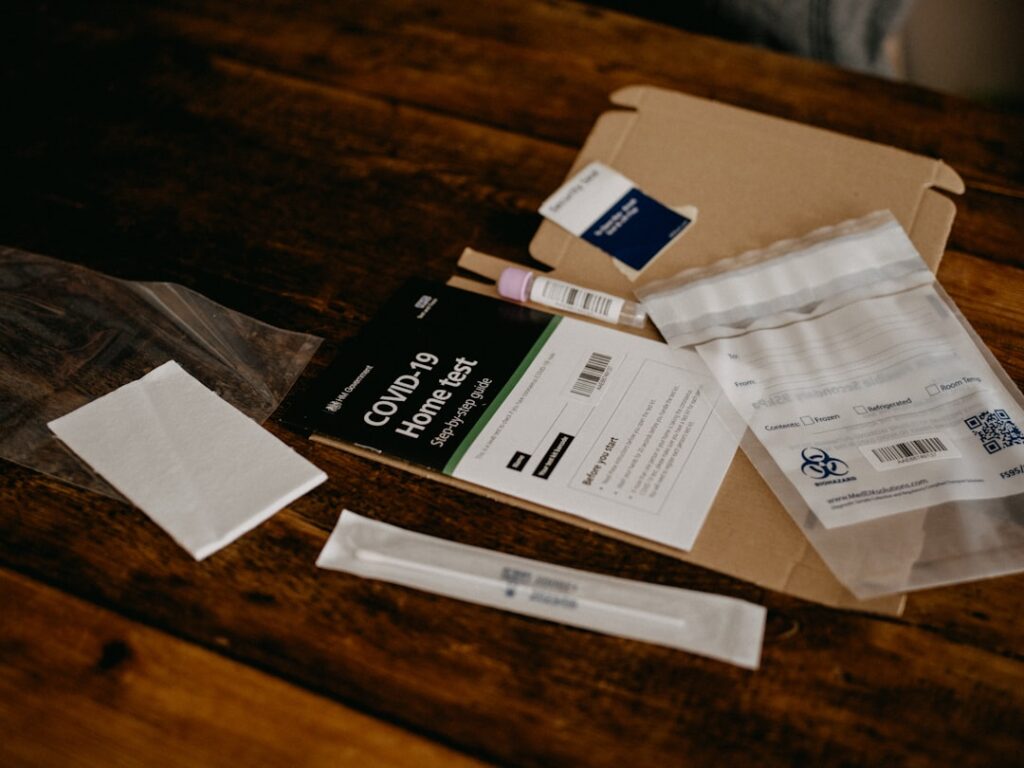
An at home mold testing kit, in the singular, names one product running one workflow: one purchase, one sampling event, one lab submission, one report. That singular framing matters because most homeowner mistakes stem from running multiple kits in parallel or mixing brand workflows. A clean single-product execution produces a useful report; chaotic multi-kit improvisation produces conflicting numbers that nobody can act on. This guide summarizes EPA and CDC guidance current as of 2026 and treats kit sampling as informational rather than diagnostic; homeowners with health symptoms or major water damage should consult a physician and a certified indoor air professional before relying on a kit as a primary decision tool. The walkthrough below covers the singular workflow from product selection through report interpretation.
Is this mold, asbestos, or water damage? Get a free instant screen
Upload a clear photo of the suspect area. You'll get an instant AI screening opinion and what to do next. This is screening guidance, not a professional determination.
Screening guidance only. AI can be wrong. Confirm asbestos, mold type, or lead with lab testing or a licensed professional before acting.
What the singular workflow actually looks like
The singular workflow has four stages. Stage one is product selection: pick one kit matched to your specific question (visible patch versus musty air, single-room versus whole-house). Stage two is sample collection: one sampling event, one set of samples, one chain-of-custody slip. Stage three is shipment: one mailer, one prepaid lab fee, one tracking number. Stage four is interpretation: one PDF report, one set of named genera, one action plan. Each stage has its own pitfalls, but the singular framing prevents the most common mistake (running three kits from different brands and trying to reconcile the conflicting numbers).
The reason singular matters is statistical. Kit-to-kit variance across brands is high enough that two kits sampled in the same room can produce different dominant genera, different concentration scales, and different toxigenic flags. A homeowner who runs three kits gets three reports and no clear path forward. A homeowner who runs one kit, picked carefully, gets one report and a clear next step. The cost savings of running a single kit also free up budget for a follow-up if the first report points to a bigger problem than the homeowner expected.
Stage one: picking the one kit
The kit choice depends on the question. Visible patch on a smooth surface: one tape lift. Visible patch on a textured or rough surface: one surface swab. Musty air with no visible patch: one settle plate or one ERMI dust panel. Whole-house screening before purchase or after a water event: one ERMI panel paired with one professional inspector visit. EPA’s mold cleanup guidance frames sampling as one input among several rather than a comprehensive answer.
Brand selection within a sampling format matters less than format selection across the categories. Most labs use similar PCR, microscopy, and culture methods. The differentiators are turnaround time, report formatting, outdoor reference inclusion, and whether the kit ships with chain-of-custody documentation suitable for downstream use (real estate disclosure, insurance claim, contractor scope). The at-home mold test kits comparison guide walks through brand-level decisions for buyers who want more detail before purchasing.
Stage two: the one sampling event
The sampling event takes ten to thirty minutes depending on format. Schedule it for a time when household activity is typical: showers done, breakfast cleaned, HVAC settled into a normal cycle. Avoid sampling during thunderstorms, high-pollen days, or windy afternoons with windows open. Wear disposable gloves to prevent contamination from skin cells, lotion, or food residue. Do not pre-clean the area being sampled; aggressive cleaning aerosolizes spores and inflates the indoor count.
For tape lifts, press the adhesive against the patch for a full five seconds, peel slowly, and seal in the labeled envelope. For swabs, scribe a one-inch square pattern with even pressure, then break the stick into the labeled vial. For settle plates, place the dish at counter height in the room center, open the lid for the prescribed time (typically 60 minutes), close the lid, and seal the dish in the labeled bag. For ERMI dust collection, vacuum the prescribed floor area through the collection sock, seal the sock in the labeled bag, and avoid touching the inside of the sock.
Label everything: room, surface, height, date, time, brief description of the patch or smell. Most lab reports tie genus profiles to micro-location, and missing metadata reduces the value of the report. The chain-of-custody slip is the legal record of when the sample left your hands; fill it out completely even if the kit is for personal use only.
Stage three: the one shipment
Ship the same day where possible. Samples that incubate inside a mailer for several days can grow to uncountable density or, in the opposite extreme, dry out and lose viable cells. Most kits include a prepaid shipping label and a tracking number. The tracking number is the lab’s reference for matching the sample to the kit ID and your contact email. Save the tracking number in case the report does not arrive within the expected window.
Expected windows: tape lifts and swabs typically return reports in 7 to 14 business days. Settle plates that ship to a lab follow a similar timeline. ERMI dust panels return in 10 to 21 business days due to the longer PCR processing. Rush service is available from most labs for $40 to $80 extra, shortening the timeline by roughly half. Plan the sampling event around the report timeline if the result is tied to a real estate closing or another time-sensitive decision.
Stage four: the one report
The PDF report names the dominant genera, gives a relative concentration on a four- or five-point scale, and flags any genus on the toxigenic list. Compare the indoor count against the outdoor reference where one was sampled. Look for whether any single genus dominates or whether several genera appear at similar levels. Note any “Group 1” water-damage indicators on an ERMI report. The CDC mold FAQ reminds readers that cleanup decisions are largely independent of species, which means a visible patch you can see and reach safely should be cleaned regardless of what the lab says about the genus.
What the report does not do: it does not diagnose health risk, prescribe medical care, or guarantee that cleanup will resolve symptoms. NIEHS notes in its mold topic overview that mold testing is not routinely recommended as a baseline indoor air quality measure precisely because the cleanup plan rarely changes based on species identification. The report’s primary value is documentation: it tells a remediation contractor or insurance adjuster what was found, when, and where.
Why singular execution outperforms multi-kit improvisation
Three reasons make the singular workflow more reliable than running multiple kits. First, sampling consistency: one kit from one brand uses one chain-of-custody and one report format, eliminating brand-to-brand variance. Second, cost discipline: one kit costs $40 to $150 for the mid tier; three kits cost $120 to $450 and produce three potentially conflicting reports. Third, decision clarity: one report points at one next step. Three reports point at confusion and a follow-up phone call to figure out which one to trust.
The exception is the deliberate inside-outside paired sample, where the kit explicitly ships with two devices (one indoor, one outdoor) and the lab analyzes them together against a single baseline. That is not multi-kit improvisation; it is the manufacturer’s intended protocol. Follow the directions exactly.
Front Range context for the singular workflow
Colorado homes face specific moisture pressures that influence sampling timing. Dry winter air can mask indoor humidity from showers and cooking, hiding the moisture sources that grow mold colonies. Basement footings catch snowmelt for the 7-to-10-day wet window Stachybotrys requires. Swamp coolers raise second-story humidity in summer. The singular workflow accommodates these pressures by letting the homeowner pick the sampling time deliberately: after a documented water event for verification, mid-winter for chronic-condensation rooms, or mid-summer for swamp-cooler-affected upper floors. The complete mold inspection and testing hub covers the moisture-source step for owners who need to address the underlying problem after the kit identifies a patch.
For owners specifically tracking bathroom or basement growth, the bathroom mold testing protocol walks through the singular workflow for the most common residential mold zone, and the basement mold sampling guide covers below-grade work where Front Range homes most often fail.
Common pitfalls inside the singular workflow
Even within a clean singular workflow, several pitfalls show up regularly in homeowner-collected samples. The first is sampling too soon after a known water event, before the moisture has stabilized enough to produce a representative spore population. A patch that wet 24 hours ago may not have grown enough to dominate the sample yet; wait 7 to 10 days minimum for a meaningful reading. The second is sampling too late after remediation, when the cleanup has already removed the patch but residual DNA in dust still triggers an elevated ERMI reading. Both situations produce technically valid samples that mislead the homeowner.
The third pitfall is conflating “no growth detected” with “no problem.” A clean lab report does not mean the home is mold-free; it means the specific sample taken on the specific day captured a low spore load. Hidden growth behind walls, in attics, or inside HVAC ductwork can produce a localized problem that one ambient sample misses. A single negative kit result is not a clearance certificate. The fourth pitfall is sampling during HVAC startup or shutdown, when air movement spikes briefly and skews colony counts on settle plates.
How the singular report informs the next decision
Four scenarios cover most singular-workflow outcomes. First, if the report identifies a low-concentration common indoor genus (Cladosporium, Alternaria, low Aspergillus), the home is likely within normal indoor air quality range and any visible patch can be cleaned by the homeowner with detergent and a stiff brush following EPA protective-gear guidance. Second, if the report identifies high-concentration common indoor genera or any Stachybotrys, the patch warrants a licensed remediation contractor scoped under EPA Mold Remediation protocols. Third, if the report is inconclusive but symptoms persist, a follow-up with a different sampling format or a professional inspection is the next step. Fourth, if the report supports a real estate or insurance decision, it joins a broader documentation package that includes the professional inspection report and a remediation scope.
When the singular workflow does not fit
The singular workflow assumes a contained question with a single answer. It does not fit situations where the contamination is widespread (multiple rooms, multiple visible patches), where the test result will be contested (real estate transactions, insurance disputes), or where occupants have documented health conditions requiring medical workup. In those situations, a professional inspector working under InterNACHI or IAC2 protocols replaces the kit, with multiple samples collected under chain-of-custody and analyzed at an AIHA-accredited lab. A consumer kit, even in singular execution, cannot deliver that level of documentation.
References
- Mold cleanup in your home — U.S. Environmental Protection Agency
- Basic facts about mold and dampness — Centers for Disease Control and Prevention
- Mold topic overview — National Institute of Environmental Health Sciences
- Mold and moisture for Colorado homeowners — Colorado Department of Public Health and Environment
Homeowners on the Front Range who want help picking the one right kit for their situation, or a referral to a remediation contractor after the report arrives, can reach out through our contact page for a vetted local connection.