Mold Removal NYC: What Homeowners Need to Know
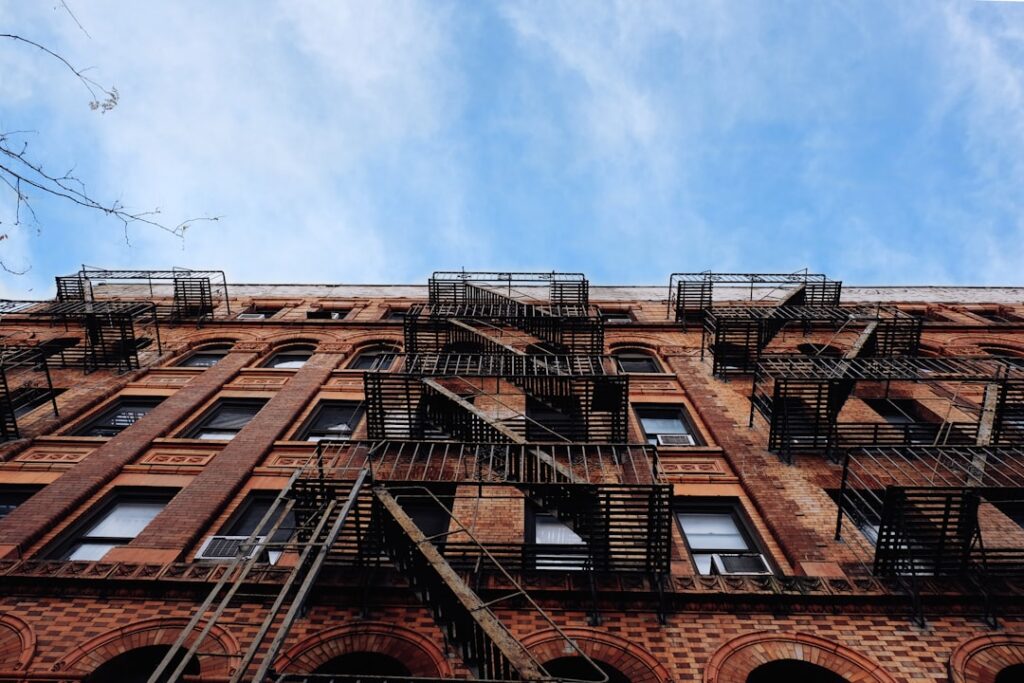
Mold in a New York City apartment or brownstone is its own kind of headache. Shared walls, old plumbing risers, radiator condensation, and landlord-tenant complications all collide with one of the strictest regulatory environments in the country for mold work. Knowing how mold removal NYC projects work, who is allowed to do them, and what they cost helps residents act decisively without overpaying or hiring the wrong company. This guide summarizes EPA, CDC, and New York State guidance current as of 2026; consult your physician about symptoms and a certified professional for testing and remediation decisions.
Is this mold, asbestos, or water damage? Get a free instant screen
Upload a clear photo of the suspect area. You'll get an instant AI screening opinion and what to do next. This is screening guidance, not a professional determination.
Screening guidance only. AI can be wrong. Confirm asbestos, mold type, or lead with lab testing or a licensed professional before acting.
What does mold removal in NYC involve?
Removal, more precisely remediation, is the process of eliminating active mold growth while correcting the moisture that caused it. The EPA stresses that the goal is not a spore-free space, which is impossible, but the removal of visible growth and the underlying water problem. In dense city housing, finding that water source can mean tracing a leak through a shared wall or riser, which is why diagnosis matters so much.
New York State layers a licensing requirement on top of the basic process. Contractors performing mold assessment or remediation above a small project threshold must hold a state Department of Labor license, and the same company generally cannot both assess and remediate the same job. That rule, which applies in the five boroughs, formalizes the EPA’s recommendation that the diagnosing party should not profit from the cure.
NYC and New York State licensing rules
For projects above the size threshold set in state law, both the assessor and the remediator must be licensed, and they must be different parties. This protects residents from a common abuse where one firm exaggerates a problem it will then charge to fix. Smaller jobs may fall below the threshold, but the separation principle still serves you well.
Before hiring, verify that any contractor holds a current New York mold license matching the scope of work. Expect to engage a licensed assessor to define and later verify the project and a separate licensed remediator to perform it. Our overview of mold remediation and removal explains why that division benefits the homeowner.
Why NYC apartments are prone to mold
City housing concentrates moisture risks. Humid summers drive indoor dampness up, while old buildings lack modern moisture control. Apartments share walls and plumbing risers, so a leak in one unit can feed mold in another. Radiator heat produces condensation on cold window frames, bathrooms often vent poorly, and roof leaks in older buildings travel down interior walls.
Mold needs only moisture, an organic food source such as paper-faced drywall, and a day or two to colonize. A recurring musty smell or a stain that returns after cleaning almost always signals an ongoing hidden moisture source rather than a surface problem, and in an apartment that source may originate next door or upstairs.
The removal process step by step
A licensed remediation in NYC follows a defined sequence. A licensed assessor first inspects the unit, measures moisture, and produces a remediation plan. The remediator then works to that plan, beginning with containment: plastic sheeting and negative air pressure prevent spores from spreading to clean areas, which matters greatly in tight apartments.
Removal follows. Soaked, non-salvageable porous materials are bagged and discarded; salvageable surfaces are HEPA-vacuumed and cleaned. The team dries the area with commercial dehumidifiers and air movers over several days. The assessor then returns for post-remediation verification. Our walkthrough of how mold remediation works details each phase.
How much does mold removal cost in NYC?
Cost depends on the size of the affected area, the materials, and accessibility, and NYC’s high labor rates plus the required assessor-remediator split add to the total. A small contained job may run a few hundred dollars; multiple rooms, soaked drywall, or HVAC contamination can reach several thousand.
Industry estimates often place a typical residential remediation between $1,500 and $6,000, with large or complex city jobs higher, and the mandatory independent assessment adds its own fee. For a detailed view of how area and materials drive pricing, see our explainer on mold removal cost per square foot.
Timeline and what to expect in an apartment
City residents want to know how long the disruption lasts. A small contained job may finish in a day. A mid-sized project, such as a bedroom or a section of a unit, commonly spans two to four days once drying is included. Larger jobs with extensive demolition can run a week or more, and apartments often take longer when building access, elevator scheduling, and coordination with neighbors come into play.
The drying phase is the part most people underestimate. After removal and cleaning, commercial dehumidifiers and air movers run for several days to bring materials back to a normal moisture content, and the space should be verified dry before rebuilding starts. In older buildings with masonry and plaster, that drying can take longer because the materials hold water. Rebuilding over still-damp surfaces is a frequent cause of recurrence, so a patient, verified dry-out protects against a repeat and satisfies the assessor’s clearance criteria.
Verifying licenses and avoiding scams in the city
Because New York’s law turns on licensing, verification is a city resident’s strongest defense. The state Department of Labor keeps a record of licensed mold assessment and remediation contractors, and checking a contractor’s current license against it takes only minutes. For projects above the size threshold, the assessor and remediator must be separate licensed parties, so a single firm offering to both diagnose and remove the same large job should raise suspicion rather than seem convenient.
Beyond licensing, request proof of liability insurance and a written scope tied to the assessor’s remediation plan. Be wary of companies that lean on toxic mold urgency or demand large cash payments upfront, tactics that contradict the measured guidance from health agencies. A reputable NYC remediator works to the documented plan, contains the area, dries it thoroughly, and welcomes the required verification rather than resisting it. In a dense building where work affects neighbors, that documented, by-the-book approach also protects you if a dispute arises later.
Health effects and the toxic mold myth
The CDC reports that damp, moldy environments can cause nasal congestion, throat and eye irritation, coughing, and wheezing in sensitive people, and can aggravate asthma. People with weakened immune systems or serious lung disease may react more strongly. The agency cautions that the dramatic toxic mold claims circulated online are not well supported by current evidence.
The dependable message is that reducing dampness and removing growth lowers exposure regardless of species. If a household member’s symptoms ease away from home, that belongs in a conversation with a physician rather than a contractor’s sales pitch.
Renters, landlords, and getting it fixed
Many NYC mold problems involve rentals, where responsibility can be contested. Report leaks and visible mold to building management in writing and keep copies, since documentation matters if the landlord delays. The city has specific rules and complaint avenues for indoor air quality and mold in housing, and tenant resources can help when a landlord fails to act.
Because shared walls and risers spread moisture between units, a thorough fix sometimes requires access to a neighboring apartment or common areas, which the building must coordinate. Pushing for the moisture source to be found, not just the visible stain wiped, is the key to a lasting repair.
Signs of mold in a NYC apartment
City living hides mold behind walls, under radiators, and inside shared chases. A musty, earthy odor that returns after cleaning is one of the most reliable early signals, since the smell escapes from cavities and risers the eye never reaches. Visible clusters of black or green spots on plaster, drywall, around window frames, or behind furniture pushed against exterior walls are the obvious cues.
Indirect signs matter too. Peeling paint, warped trim, water staining near radiators or windows, and condensation that pools on cold surfaces all point to the moisture mold needs. Residents who notice congestion or throat irritation that eases away from the apartment should raise it with a physician and look at the unit’s moisture sources. Because a stain on a shared wall may originate in a neighbor’s unit, prompt written reporting to building management is part of catching the problem early.
Common problem areas in city housing
A handful of spaces account for most NYC mold complaints. Bathrooms with weak or absent exhaust ventilation trap shower steam against tile and drywall. Kitchens and the area around dishwashers and sinks collect hidden moisture. Radiator heat produces condensation on single-pane and metal-framed windows, and that water feeds growth on sills and surrounding plaster.
Older buildings add roof leaks that travel down interior walls and plumbing-riser leaks that pass moisture between stacked apartments. Basements and ground-floor units take on dampness from the surrounding soil and from limited airflow. The recurring theme is a sustained moisture source, often shared with neighbors, which is why a lasting fix usually requires the building to locate and correct the water, not just wipe the visible stain.
DIY cleanup versus the licensing threshold
New York’s mold law sets a size threshold below which a resident may address growth without a licensed contractor. For small areas on hard surfaces, the EPA allows careful cleanup with detergent and water while wearing gloves, eye protection, and an N95-type respirator, provided the moisture source is corrected. A patch on bathroom tile typically falls here.
Once a project exceeds the state threshold, licensed assessment and remediation are generally required, and the law keeps those roles with separate parties. Beyond the legal line, larger jobs, hidden growth, ductwork contamination, and any apartment with a vulnerable occupant warrant professionals regardless. Heavily contaminated porous materials such as soaked drywall and carpet usually must be removed under containment, which is impractical and unsafe for a resident to attempt on a large scale in a shared building.
Coordinating a fix across shared building systems
What makes mold uniquely complicated in NYC is that the moisture source often lies outside the affected unit. A leak in an upstairs apartment, a failing roof, or a breach in a plumbing riser can push water into a wall that surfaces as mold in a different unit entirely. Wiping the visible growth in the affected apartment does nothing if the water originates next door or above.
A durable fix therefore requires the building to investigate and correct the shared source, which means involving management or the owner early. Document the problem in writing, request that the building locate the leak rather than just patch the cosmetic damage, and keep records of all communication. For co-op and condo residents, the line between unit-owner responsibility and the building’s responsibility for common elements determines who pays, so understanding the building’s governing documents matters. The practical lesson echoes the EPA’s core principle: control the moisture, even when that moisture lives behind a neighbor’s wall, and the mold follows.
How to hire safely and prevent recurrence
Verify licenses first, confirm liability insurance, and require a written scope that names the moisture source. Gather more than one estimate and be wary of firms that pressure you with toxic mold urgency. A reputable NYC remediator works to the assessor’s plan, documents the job, and welcomes the required verification.
To prevent recurrence, the EPA recommends keeping indoor relative humidity below 60 percent, ideally between 30 and 50 percent, and fixing leaks promptly. Improve bathroom ventilation, manage window and radiator condensation, and report building leaks quickly. Residents researching the basics will find more in our mold inspection and testing hub.
References
- Mold Cleanup in Your Home — U.S. Environmental Protection Agency
- About Mold and Health — Centers for Disease Control and Prevention
- A Brief Guide to Mold, Moisture, and Your Home — U.S. Environmental Protection Agency
Front Range homeowners and out-of-state buyers who want a connection to a qualified local inspector before remediating can get in touch through our contact page.
Mold removal & cleanup picks
For a small, contained patch (under ~10 sq ft) these EPA-friendly removers handle surface mold. Larger or recurring growth warrants a professional assessment first.
| Product | Why | Buy |
|---|---|---|
 RMR-86 Instant Mold Stain Remover RMR-86 Instant Mold Stain Remover | Fast-acting on stains; ventilate and wear PPE. | Amazon — $18.38 |
 Concrobium Mold Control Concrobium Mold Control | No-bleach formula that also helps prevent regrowth. | Amazon — $13.47 |
 Mold Armor Mold & Mildew Remover Mold Armor Mold & Mildew Remover | Widely stocked bathroom/surface remover. | Amazon — $22.98 |