Mold in Home Inspection: What Homeowners Need to Know in 2026
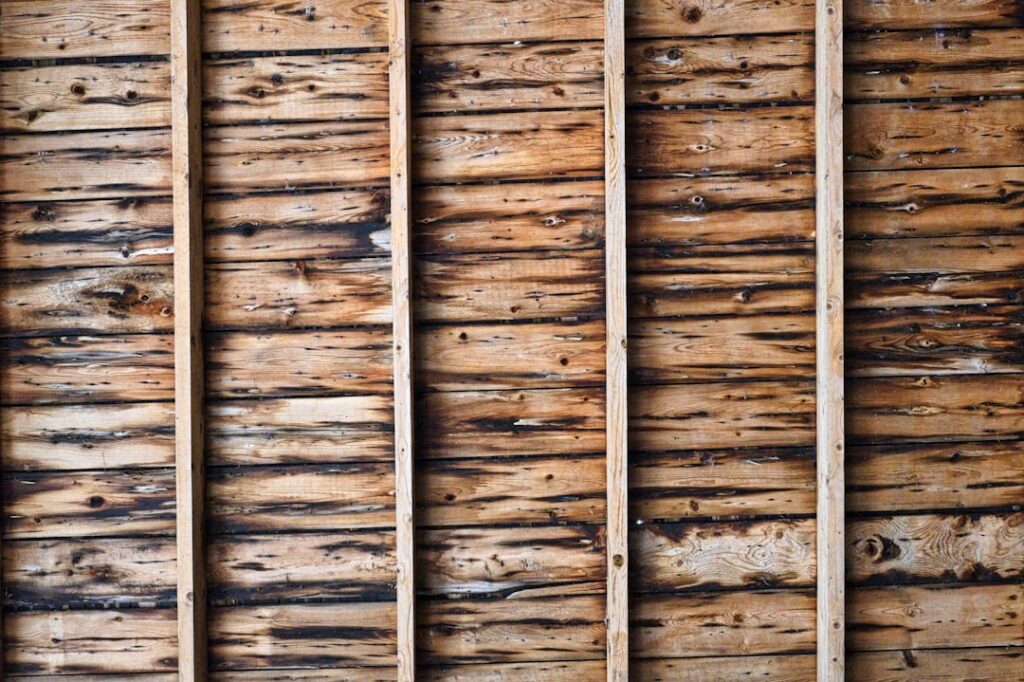
Mold in home inspection comes up in two distinct contexts: what a standard home inspector observes during the routine pre-purchase walkthrough, and what a dedicated mold inspection adds on top. The two are not the same product, and confusing them costs Front Range buyers money on both sides — sometimes by skipping a needed test, sometimes by paying for redundant work. This guide summarizes ASHI and InterNACHI standards of practice, EPA and CDC guidance, and Front Range pricing patterns current as of 2026. It is not medical advice; consult your physician for symptoms and a certified mold professional for remediation decisions.
Is this mold, asbestos, or water damage? Get a free instant screen
Upload a clear photo of the suspect area. You'll get an instant AI screening opinion and what to do next. This is screening guidance, not a professional determination.
Screening guidance only. AI can be wrong. Confirm asbestos, mold type, or lead with lab testing or a licensed professional before acting.
What does mold in home inspection mean in a standard report?
A standard home inspection under ASHI or InterNACHI standards of practice is a visual, non-invasive review of the property’s systems and components. Mold-related findings in a standard report typically describe visible biological growth, water staining, elevated moisture readings, and active leaks — but the standard inspection does not include laboratory air sampling, species identification, or remediation recommendations beyond “have a qualified mold professional evaluate.” That scope limitation is structural; ASHI and InterNACHI both write their standards to exclude specialty testing that requires separate credentials.
In practice, this means a typical Front Range home inspection report will note “visible suspected biological growth on north basement wall, moisture meter reading 22 percent” without naming the species or recommending a specific remediation protocol. The inspector flags the concern and refers to a specialist; that is the right division of labor under their scope. The homeowner hub on mold inspection and testing walks through what the specialty inspection adds.
What a dedicated mold inspection adds
A dedicated mold inspection performed by a credentialed mold inspector adds three things a standard home inspection does not include. First, focused visual investigation with extended moisture mapping across the building envelope, often including thermal-imaging review for hidden moisture sources. Second, laboratory air or surface sampling when warranted, with chain-of-custody collection and accredited-lab analysis. Third, an interpretive report that translates raw lab results into action recommendations and ties them to specific repair, remediation, or follow-up steps.
The cost difference reflects the scope difference. A standard home inspection runs $400 to $700 on the Front Range for a single-family home. A dedicated mold inspection adds $300 to $700 when booked alongside the home inspection, or $400 to $1,200 as a standalone visit with sampling. Many Front Range buyers bundle both into a single visit with a single inspector who carries the additional mold credential; this typically saves $75 to $150 versus separate appointments.
When standard observations are enough
For homes with no visible mold, no moisture-meter findings, and no occupant complaints, the standard home inspection generally suffices. Adding mold-specific testing to a clean property rarely returns information that changes the transaction; the EPA’s framing is that testing without a specific question is generally not useful. A buyer who simply wants reassurance is usually better served by a thorough standard inspection and a careful read of the inspector’s findings.
When mold-specific add-ons earn their fee
Three patterns make the dedicated mold inspection worth booking. Visible suspected biological growth that the standard inspector flags for specialist review is the most common trigger. Documented water damage history — flooded basement, ice-dam events, plumbing leak — even if visibly cleaned up. Occupant-reported respiratory complaints, musty smells, or HVAC-related symptoms that the standard inspector cannot diagnose within their scope.
How standard inspectors document mold-related concerns
Both ASHI and InterNACHI standards require inspectors to report visible water damage and visible suspected biological growth. The standardized language typically appears in the structural, plumbing, or HVAC sections of the report, depending on where the finding occurs. A defensible standard report will include photographs of the suspect area, moisture-meter readings adjacent to the finding, an environmental observation (active leak versus dried staining), and a referral statement directing the buyer to consult a qualified specialist.
What the standard report should not include is species identification (the inspector cannot tell Stachybotrys from Aspergillus by appearance), remediation cost estimates (outside scope), or definitive statements about health effects (outside scope and not the inspector’s role). Reports that overstep these boundaries should prompt a phone call to the inspector for clarification. Conversely, reports that bury mold-related findings in passive language (“some staining noted”) without photographs or moisture readings are also flags — defensible reports document specific findings with specific evidence.
Front Range patterns most often flagged during home inspections
Five patterns drive most mold-related findings in Front Range home inspections. Basement wall efflorescence and water staining, often with active hydrostatic pressure visible in older foundations. Crawlspace moisture on vapor barriers or exposed soil, especially in homes built before crawlspace encapsulation became standard practice. Bathroom ventilation deficiencies that produce ceiling and grout mildew, particularly in finished basements with full bathrooms. Attic ice-dam history visible as discoloration on roof decking or staining on insulation. HVAC cooling-coil biofilm or condensate-line mold, especially in systems older than 15 years.
Front Range buyers should not be alarmed if a home inspection flags one or more of these patterns; they are common in the regional housing stock and often correctable with moderate investment. The buyer’s question is whether the finding warrants a follow-up mold inspection, a moisture-source repair, or simply ongoing monitoring. The standard inspector’s referral statement should guide that decision, and a follow-up call to discuss the finding is reasonable.
What buyers should ask before adding mold testing to an inspection
Five questions help buyers decide whether the mold add-on is worth booking. What did the standard inspector specifically observe (visible mold, moisture, staining, smell), and where? Does the inspector who would perform the mold-specific work hold a mold-specific credential beyond their general home-inspector certification? Will the mold inspection include both air sampling and moisture-source identification, or is it sampling alone? Does the firm perform remediation as well, and if so how is that conflict managed? What is the typical turnaround for the written report?
If the standard inspector’s findings are modest (no visible mold, dry moisture readings, no occupant concerns), the marginal value of a $500 mold add-on is low. If the findings are significant (visible growth, elevated moisture, water-event history), the marginal value can be high — both as diagnostic information and as documentation if the buyer wants to negotiate repair credits or back out of the purchase. The cost calculus depends entirely on what the standard inspection already turned up.
How standard inspection findings affect negotiations
Mold-related findings in a standard home inspection report give buyers three negotiation paths. They can ask the seller to repair the moisture source and remediate visible mold before closing, with documentation provided to the buyer. They can request a price credit equivalent to professional remediation cost estimates from an independent contractor. They can withdraw under the inspection contingency if the finding is severe and remediation cost or scope is unacceptable.
Sellers in the Front Range increasingly arrange pre-listing mold inspections to pre-empt buyer concerns, particularly on homes built before 1995 with finished basements. From the buyer’s side, requesting documentation of any pre-listing inspection is reasonable; the seller’s report is useful background but is not a substitute for the buyer’s own contingency inspection. The Denver mold inspection guide covers more on local negotiation patterns.
When to call a specialist directly versus relying on the home inspector
For buyers in active real-estate transactions, the standard inspection plus add-on mold inspection is usually the right workflow because both visits can fit inside a 7-to-10-day inspection contingency window. For current homeowners with no transaction context, calling a mold specialist directly is often more efficient than booking a full home inspection if the concern is narrow (a specific room, a known water-event history, an HVAC complaint). The standard inspection adds value when you need a comprehensive whole-property review; the mold specialist adds value when you have a focused mold question.
One credential pattern matters here: inspectors who carry both ASHI or InterNACHI general certification and an IICRC or ACAC mold-specific credential can offer either service or a bundled visit. Asking about credentials upfront avoids paying for redundant scope or missing necessary specialty work.
References
- InterNACHI standards of practice for home inspections — International Association of Certified Home Inspectors
- ASHI standards of practice — American Society of Home Inspectors
- EPA brief guide to mold, moisture, and your home — U.S. Environmental Protection Agency
- CDC mold and health information — Centers for Disease Control and Prevention
- CDPHE mold and indoor air quality guidance — Colorado Department of Public Health and Environment
Front Range buyers weighing whether to add a dedicated mold inspection to their pre-purchase home inspection can reach out through our contact page to connect with a vetted local inspector who holds both general and mold-specific credentials.