Mildew and Mold Cleaner: Products and Method
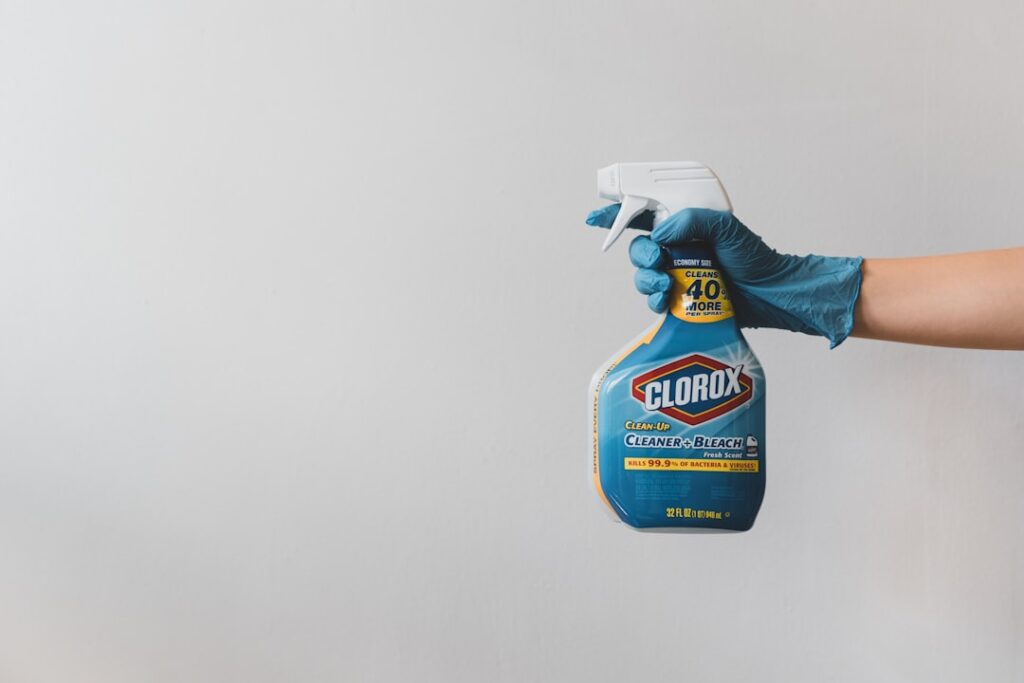
Walk down any cleaning aisle and you will find bottles labeled for both mildew and mold, since the two are closely related and respond to the same chemistry. Choosing a mildew and mold cleaner that fits your surfaces, and using it with the right method, makes the difference between a quick fix and a stain that keeps coming back. This guide covers the combined-cleaner category and a safe, step-by-step approach. It summarizes EPA and CDC guidance current as of 2026 and is informational only; consult your physician about health symptoms and a certified professional for large or hidden growth.
Is this mold, asbestos, or water damage? Get a free instant screen
Upload a clear photo of the suspect area. You'll get an instant AI screening opinion and what to do next. This is screening guidance, not a professional determination.
Screening guidance only. AI can be wrong. Confirm asbestos, mold type, or lead with lab testing or a licensed professional before acting.
Why one cleaner covers both mildew and mold
Mildew is simply a common name for flat, surface-level mold. The CDC and EPA treat it as a form of mold, so a single cleaner formulated to kill and remove surface growth works on both. That is why combined mildew and mold cleaners are so common: the underlying organism and the cleanup are the same. The differences are mostly in appearance, with mildew tending to be flat and light-colored while heavier mold is fuzzier and darker.
Types of combined cleaners
Combined cleaners differ mainly in their active ingredient and delivery form.
Bleach-based sprays
Sodium hypochlorite formulas lift stains and kill surface growth on hard, non-porous materials like tile and grout. They act fast but can discolor fabric and colored grout, and must never be mixed with ammonia.
Peroxide-based cleaners
Hydrogen peroxide formulas are milder in odor and break down into water and oxygen. They handle surface growth on a range of materials and are a good choice where bleach fumes are a concern.
Quat-based and commercial formulas
Many commercial cleaners use quaternary ammonium compounds, which kill surface organisms and leave a residual film that resists regrowth for a while. They are popular for routine bathroom maintenance.
Natural options
Distilled white vinegar and borax suit light, routine cleaning. They are gentler and slower, better for maintenance than for heavy growth. The EPA notes detergent and water alone are often enough for surface cleanup.
Matching the cleaner to the surface
The surface determines what works and what is futile.
Non-porous surfaces
Tile, glass, glazed ceramic, sealed counters, and metal respond well to any of the active ingredients above. Scrub, observe the contact time, rinse if directed, and dry.
Porous surfaces
Drywall, raw wood, grout, and fabric absorb growth that a surface cleaner cannot reach. The EPA generally recommends discarding moldy porous materials rather than relying on a cleaner. Our guide to mold cleaning supplies covers what to keep and what to toss.
A safe step-by-step method
Technique matters as much as product choice. Follow a consistent process for the best and safest results.
Step 1: Gear up and ventilate
Put on gloves, eye protection, and an N95 respirator. Open a window or run an exhaust fan, and keep interior doors closed so spores do not spread to clean rooms.
Step 2: Pre-treat
Lightly mist the area before scrubbing to reduce airborne spores. Apply the cleaner and let it sit for the contact time on the label so it can work.
Step 3: Scrub
Use a stiff brush on grout and textured surfaces, and a cloth on smooth ones. Work the cleaner into the growth rather than just wiping the top.
Step 4: Rinse and dry
Rinse if the label directs, then dry the surface completely with a cloth, fan, or dehumidifier. Leftover dampness invites regrowth within a day or two.
Step 5: Dispose safely
Bag used cloths and any moldy debris in sealed bags. Wash reusable gloves and launder your clothing.
Safety rules that always apply
Never mix cleaning products, especially bleach with anything containing ammonia, because the reaction releases toxic gas. Spot-test bleach and peroxide on a hidden area first, since they can discolor materials. Keep products in their original containers, away from children and pets. Follow all label directions for dilution and contact time.
The limit every cleaner shares
A mildew and mold cleaner treats the surface, not the cause. The EPA is clear that moisture control is the key to controlling mold and mildew. If a shower ceiling keeps growing mildew, better ventilation will help more than a stronger cleaner. Fix the leak, lower the humidity, and improve airflow so cleanup lasts. Our explainer on water and mold covers why this is the real fix.
Choosing between DIY mixes and commercial cleaners
Both homemade and store-bought cleaners have a place, and the right choice depends on the job.
DIY options
Distilled white vinegar and a borax solution handle light, routine surface growth at low cost and with mild odor. They suit maintenance cleaning and small spots, though they work more slowly than commercial products.
Commercial cleaners
Ready-made bleach, peroxide, or quat-based cleaners act faster on heavier growth and come in convenient formats. They cost more and may have stronger fumes, but save time on tougher jobs. The EPA notes detergent and water are often enough, so reserve the strongest products for genuine need.
Contact time and technique
How you use a cleaner matters as much as which one you pick. Let the product dwell on the surface for the contact time on the label so it can work, rather than wiping it off immediately. Scrub textured surfaces like grout to reach growth seated in the pores. On vertical surfaces, a gel or foam clings longer than a spray. After the contact time, rinse if directed and dry thoroughly, because residual moisture invites regrowth within a day or two.
Cleaning different materials safely
Adapt your method to the surface. Glazed tile and glass tolerate most cleaners and wipe clean easily. Grout needs scrubbing and may need a clinging product. Caulk that has darkened internally usually must be cut out and replaced rather than cleaned. Painted walls take a gentle touch and full drying before any repainting. Porous materials like raw wood, drywall, and fabric often cannot be fully cleaned, and the EPA generally recommends discarding them when moldy. Our guide to mold cleaning supplies covers what to keep and what to toss.
Front Range note
Colorado’s dry air makes drying after cleaning quick and effective, so a mildew and mold cleaner plus ventilation often clears small bathroom spots well. The local challenge is finished basements and humid corners, where the moisture must be controlled for cleaning to last. A dehumidifier and better airflow do more there than any cleaner. Our checklist to prevent mold and mildew in the house covers the moisture side.
When to stop cleaning and call a pro
If growth covers more than about ten square feet, keeps returning, grows on porous materials, or hides inside walls, a retail cleaner is the wrong tool. A qualified inspector can find hidden moisture, and a remediation contractor can handle large jobs with proper containment. The mold inspection and testing hub explains when professional help is worth it.
Preventing regrowth after cleaning
Cleaning is only durable if you change the conditions that grew the mildew and mold. After the surface is clean and dry, keep humidity between 30 and 50 percent, run exhaust fans during and after showers and cooking, and squeegee shower walls. In chronically damp spots, consider a mildew-resistant caulk or paint once the area is clean. These steps extend the time between cleanings dramatically. Without them, even the best cleaner is just a temporary reset before the same growth returns on the same damp surface.
How often to clean with these products
Frequency depends on the space and your moisture control. A well-ventilated bathroom with good habits may need only an occasional deep clean plus light routine maintenance. A humid bathroom without a strong fan, or a damp basement, may need more regular attention until the moisture is addressed. The goal is to catch growth while it is light and easy to remove, rather than letting it build into a stubborn job. Regular light cleaning uses less product and effort than infrequent heavy scrubbing, and it keeps surfaces consistently clear.
Knowing the cleaner’s role in the bigger picture
A mildew and mold cleaner is one tool among several, and it works best when you understand its place. It cleans and sometimes resists surface growth, but it does not control humidity, fix leaks, or reach growth inside porous materials. Position it as the surface-cleaning step that follows moisture control and material removal, not as a standalone cure. Homeowners who pair the right cleaner with genuine moisture management rarely fight the same growth twice, while those who rely on the cleaner alone find themselves cleaning the same spot again and again.
Understanding what a combined cleaner can and cannot do
A combined mildew and mold cleaner is built to remove and sometimes kill surface growth, and within that scope it works well. It cleans staining from tile, grout, and glass and can brighten neglected surfaces. What it cannot do is reach growth that has penetrated porous materials, lower the humidity that grew the mold, or fix a leak. Setting expectations around these boundaries keeps you from buying ever-stronger products in search of a result that only moisture control and material removal can deliver.
Avoiding dangerous chemical mixes
One safety point deserves emphasis because the consequences are serious. Never combine cleaning products, especially anything containing bleach with anything containing ammonia. The reaction produces toxic gas that can cause real harm in an enclosed bathroom or basement. Use one product at a time, rinse thoroughly between products if you switch, and keep the area ventilated. This single rule prevents the most dangerous mistake homeowners make while cleaning mold and mildew, and it costs nothing but a little attention.
Cleaning frequency and the role of humidity
How often you need a combined cleaner depends almost entirely on humidity. In a well-ventilated room with humidity held between 30 and 50 percent, growth is slow and occasional light cleaning suffices. In a humid bathroom without a good fan, or a damp basement, mildew and mold return quickly no matter how thoroughly you clean. The lesson is that lowering humidity reduces how often you reach for any cleaner. Treat the cleaner as maintenance and humidity control as the real solution.
A practical end-to-end approach
Pulling everything together, an effective approach starts with fixing the moisture source and removing any porous materials too far gone to save. Then ventilate and protect yourself, apply the cleaner with proper contact time, scrub, rinse if directed, and dry the surface completely. Finally, keep humidity in range and watch the area over the following weeks. This end-to-end sequence makes a combined mildew and mold cleaner genuinely effective, because it pairs the product’s surface cleaning with the moisture control that keeps growth from returning.
Reading reviews and claims wisely
Product reviews and label claims can guide a purchase, but read them with context. A high rating on quick stain removal reflects performance on accessible hard surfaces, not on porous materials or hidden growth. Claims to prevent regrowth hold only while the surface stays dry. Bold kill percentages come from controlled tests that do not match a humid bathroom. Treating these claims as best-case figures, and remembering that the EPA puts moisture control above any product, keeps your expectations realistic and points you toward solutions that actually last.
When to switch from cleaning to replacing
Some surfaces reach a point where cleaning no longer pays off. Caulk darkened throughout, grout that stays stained after repeated treatment, and porous items saturated with growth are usually better replaced than cleaned. A combined cleaner can brighten and disinfect, but it cannot restore material that growth has penetrated. Recognizing this threshold saves the frustration of scrubbing something that will never come fully clean, and replacing it with a mildew-resistant product gives the area a fresh, more durable start.
References
- Mold and Mildew Cleanup in Your Home — U.S. Environmental Protection Agency
- Cleaning Up Mold and Mildew — Centers for Disease Control and Prevention
- A Brief Guide to Mold, Moisture, and Your Home — U.S. Environmental Protection Agency
If a mildew and mold cleaner is not keeping growth away in your Front Range home, get in touch through our contact page to connect with a vetted inspector who can find the moisture source.
Mold removal & cleanup picks
For a small, contained patch (under ~10 sq ft) these EPA-friendly removers handle surface mold. Larger or recurring growth warrants a professional assessment first.
| Product | Why | Buy |
|---|---|---|
 RMR-86 Instant Mold Stain Remover RMR-86 Instant Mold Stain Remover | Fast-acting on stains; ventilate and wear PPE. | Amazon — $25.99 |
 Concrobium Mold Control Concrobium Mold Control | No-bleach formula that also helps prevent regrowth. | Amazon — $13.48 |
 Mold Armor Mold & Mildew Remover Mold Armor Mold & Mildew Remover | Widely stocked bathroom/surface remover. | Amazon — $22.98 |