Is Mold Remediation Covered By Insurance?
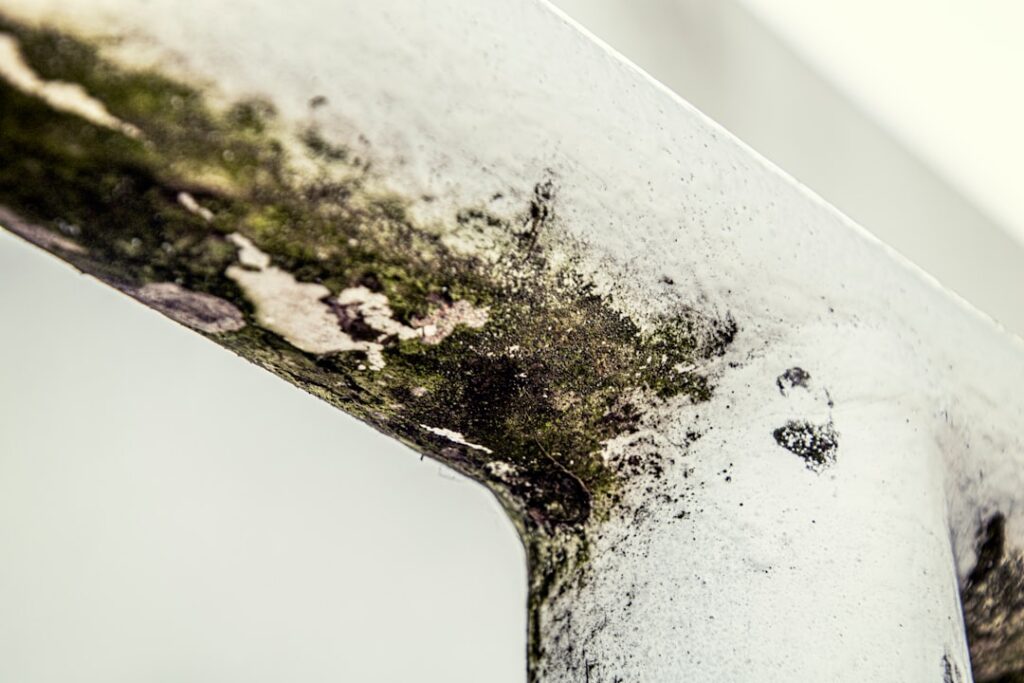
Whether your homeowners policy pays for mold cleanup hinges on one question: what caused the moisture? So is mold remediation covered by insurance? Sometimes, when mold results from a sudden covered event like a burst pipe, but rarely when it grows from gradual leaks or neglected maintenance. This guide summarizes general industry practice and federal consumer guidance current as of 2026 and is educational only; read your own policy and consult your insurer or a licensed adjuster for decisions about your claim.
Is this mold, asbestos, or water damage? Get a free instant screen
Upload a clear photo of the suspect area. You'll get an instant AI screening opinion and what to do next. This is screening guidance, not a professional determination.
Screening guidance only. AI can be wrong. Confirm asbestos, mold type, or lead with lab testing or a licensed professional before acting.
Is mold remediation covered by insurance?
Most standard homeowners policies treat mold as a consequence, not a peril. Coverage usually follows the cause. If a covered peril, such as a burst supply line or a storm that suddenly tears open the roof, leads directly to mold, many policies will pay for remediation, often up to a capped amount. If the underlying cause is excluded, the mold cleanup is excluded too.
The pivotal distinction insurers draw is “sudden and accidental” versus “gradual.” A pipe that bursts overnight is sudden. A drip under a sink that quietly soaked the cabinet for months is gradual, and gradual water damage is broadly excluded. Because mold takes time to grow, adjusters scrutinize the timeline closely.
When mold cleanup is typically covered
Coverage tends to apply when mold is a direct result of a peril your policy already names. Common examples include a sudden plumbing failure, an overflowing appliance that malfunctioned without warning, or water damage from extinguishing a covered fire. In these cases the mold is downstream of an event the policy was designed to handle.
Even then, many policies impose a mold sublimit, a separate, lower cap for mold-related costs that can run from a few thousand dollars to a modest five-figure ceiling. The cap can be far below the full remediation cost on a large job, which is why understanding basement mold remediation costs before filing matters. Higher limits are sometimes available as an endorsement you purchase ahead of time.
When mold is excluded
Several causes are routinely excluded across the industry. Long-term leaks, poor maintenance, high indoor humidity, condensation, and flooding from outside the home generally fall outside standard coverage. Flood damage in particular requires separate flood insurance, typically through the National Flood Insurance Program, and standard homeowners policies will not cover flood-driven mold without it.
Neglect is the recurring theme. If an adjuster concludes that a reasonable homeowner would have noticed and fixed the moisture earlier, the claim is likely to be denied as a maintenance issue. Documentation of how quickly you discovered and responded to water becomes central to the outcome. The same logic appears in our overview of mold inspection and testing for homeowners, where the moisture source drives every downstream decision.
How sublimits and endorsements work
A mold sublimit is the most important number in your policy for this question. It does not mean mold is covered; it caps how much the insurer will pay for mold even when the cause is covered. Read the declarations page and the mold endorsement language to find your specific figure.
Some insurers sell higher mold coverage as an optional add-on. If you live in a region prone to plumbing issues or have an older home, raising that sublimit before any loss occurs is far cheaper than absorbing a capped payout afterward. You cannot add the endorsement after the damage appears.
Building a stronger claim
Documentation decides borderline claims. Photograph the source of water and the resulting damage immediately, note the date and time you discovered it, and keep receipts for any emergency mitigation such as water extraction or fans. The Federal Trade Commission’s consumer guidance emphasizes prompt, well-documented reporting when filing insurance claims.
Mitigate quickly. Most policies obligate you to take reasonable steps to prevent further damage, and failing to do so can reduce or void a payout. Drying the area and stopping the leak within a day or two both limits mold growth and demonstrates that you acted responsibly, which strengthens the “sudden” narrative.
What to do if your claim is denied
A denial is not always final. Request the specific policy language the insurer relied on, and review whether the stated cause matches the facts. If you believe the cause was sudden rather than gradual, an independent assessment of the moisture source can support an appeal. Policyholders may also escalate to their state insurance department.
Documentation that supports coverage
An independent inspection that identifies the moisture source and its likely timeline can be valuable evidence. A report distinguishing a sudden pipe failure from months of slow seepage speaks directly to the coverage question. Keep this documentation separate from any remediation estimate, since insurers prefer that the party diagnosing the cause is not the party paid to fix it.
Maintain a paper trail of maintenance too. Records showing you serviced the roof, inspected plumbing, and addressed prior leaks counter any argument that the loss stemmed from neglect. The stronger your maintenance history, the harder it is for an adjuster to attribute mold to gradual deterioration.
How the claims process typically unfolds
Understanding the sequence helps you avoid missteps that weaken a claim. After a water event, you report the loss to your insurer, usually within a deadline specified in the policy. An adjuster then inspects the damage, determines the cause, and applies the policy terms. The cause determination is the pivotal moment, because it decides whether the loss is a covered sudden event or an excluded gradual one.
During this window, your obligation to mitigate is active. Stopping the leak, extracting standing water, and running fans are expected steps, and receipts for emergency mitigation are generally reimbursable even on a borderline claim. The adjuster may bring in their own moisture or mold specialist. Their findings carry weight, which is why having your own independent documentation of the cause and timeline matters before the adjuster’s narrative becomes the official record.
Renters, condos, and landlord situations
Coverage responsibility shifts with the type of dwelling. A renter’s policy typically covers the tenant’s personal property and may include some liability, but the structure itself, including mold remediation in the walls, falls to the landlord’s policy and the lease terms. Tenants who discover mold should document it and notify the landlord in writing promptly, since delayed reporting can shift responsibility.
Condominium coverage splits between the unit owner’s policy and the association’s master policy, with the dividing line usually defined by the governing documents, often “studs in” for the owner. Mold that originates in a common element such as a shared pipe may be the association’s responsibility, while mold from a fixture inside the unit is the owner’s. Reading the master policy and the declaration alongside your own coverage clarifies who pays for what before a dispute arises.
When to bring in a professional
Consider a licensed public adjuster or an attorney for large, disputed claims, particularly when the remediation cost dwarfs the sublimit or the denial seems inconsistent with your facts. For the technical question of what caused the moisture, an independent home inspector or mold inspector provides documentation an insurer will weigh seriously. A separate remediation contractor can then scope the cleanup, keeping the diagnosis independent from the work and strengthening your position if the insurer challenges either the cause or the cost.
Reading your policy for the answer
The fastest way to know where you stand is to read three parts of your own policy before any loss occurs. The declarations page lists your coverage limits and any mold sublimit, the single most important number for this question. The exclusions section names what is not covered, where you will typically find gradual leaks, maintenance, flooding, and often a specific mold exclusion or limitation. The endorsements section lists any add-ons that modify the base policy, including any expanded mold coverage you purchased.
Pay attention to the language distinguishing sudden and accidental events from gradual ones, because that distinction decides most mold claims. If the policy language is unclear, ask your agent to explain in writing how mold is treated and what your sublimit is. Knowing these terms in advance lets you make informed decisions, such as buying a higher mold sublimit, before a loss rather than discovering the limits only after the damage appears.
Common reasons claims succeed or fail
Patterns emerge across mold claims. Successful claims usually share a clear, documented sudden event: a burst pipe, an overflowing appliance that malfunctioned, or storm damage that opened the building envelope, with prompt reporting and evidence of quick mitigation. The homeowner can show they discovered the water and acted within a short window, supporting the sudden-and-accidental narrative.
Failed claims tend to involve ambiguity or delay. A leak that the adjuster concludes was developing for months reads as gradual and excluded. Mold discovered long after a water event, with no documentation of when the water occurred, invites a maintenance denial. Flooding without separate flood insurance is excluded regardless of how the mold grew. The difference between approval and denial often comes down to documentation and timing, which is why immediate photos, dated notes, and mitigation receipts are worth the small effort they take.
Steps to take immediately after a water event
The hours right after discovering water shape the eventual claim. First, stop the source if you safely can, shutting off a valve or the main supply for a plumbing failure. Document everything before you clean up: photograph the source, the standing water, and the affected materials, and note the date and time you discovered it. This timeline evidence directly supports the sudden-and-accidental narrative that coverage depends on.
Then mitigate. Extract standing water, set up fans, and run a dehumidifier to limit how much mold can grow, because most policies require reasonable steps to prevent further damage. Keep receipts for any emergency mitigation, which are generally reimbursable. Report the loss to your insurer within the policy’s deadline, and avoid disposing of damaged materials until the adjuster has seen them or you have thoroughly documented them. Acting quickly and documenting carefully both limits the mold and strengthens the claim, which is the rare case where the health response and the insurance response align perfectly.
Preventing the losses insurers exclude
Because the most common mold denials trace to gradual leaks, maintenance, and humidity, the cheapest insurance is prevention that keeps those excluded causes from occurring. Inspecting plumbing connections, water-heater fittings, and appliance hoses periodically catches the slow leaks that become uncovered gradual losses. Keeping indoor humidity in the 30 to 50 percent range, venting bathrooms and kitchens, and maintaining the roof and gutters address the conditions insurers point to when denying claims.
Documenting this maintenance also helps if a claim ever arises. Records showing you serviced systems and addressed prior issues counter any argument that a loss stemmed from neglect, strengthening the case that a failure was sudden rather than the product of long deterioration. Prevention and documentation work together: one reduces the chance of an excluded loss, and the other improves your position when a covered one occurs. Either way, the homeowner who treats moisture proactively is better protected than the one relying on a policy with a low mold sublimit.
References
- Coping With the Financial Impact of Disasters — Federal Trade Commission
- Mold Cleanup in Your Home — U.S. Environmental Protection Agency
- About Mold and Health — Centers for Disease Control and Prevention
- Mold and Moisture Guidance — U.S. Department of Housing and Urban Development
If a water event on the Front Range left you facing mold and a coverage dispute, contact us to connect with a vetted local inspector who can document the moisture source.