How to Detect Black Mold: 2026 Stachybotrys Owner Guide
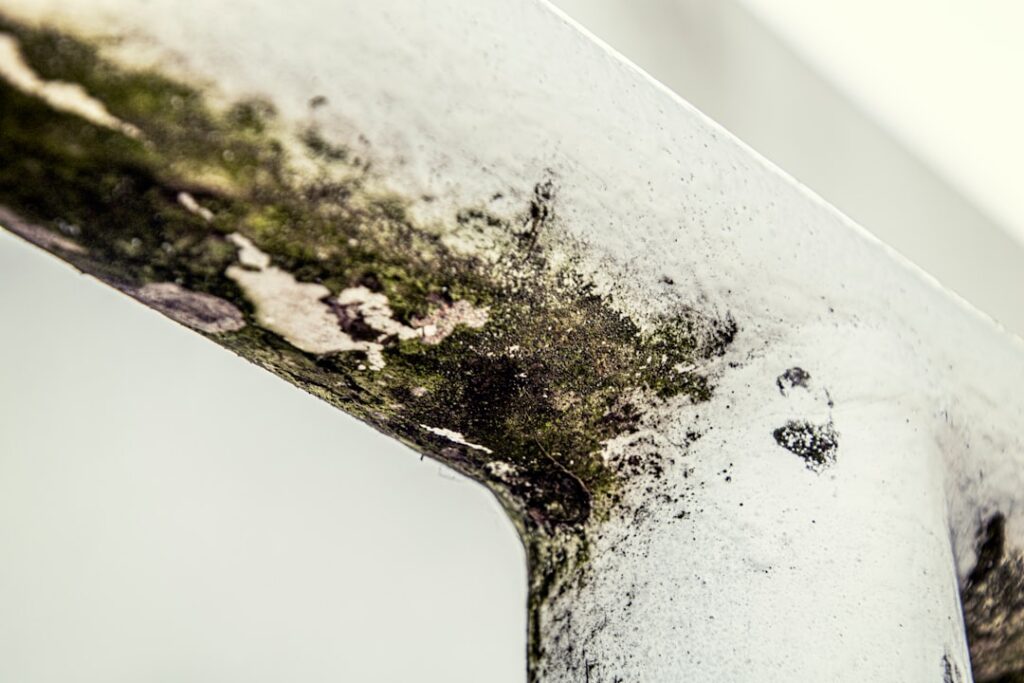
Learning how to detect black mold matters because Stachybotrys chartarum — the species behind most “black mold” concerns — has been studied for its potential to produce mycotoxins in water-damaged buildings. The popular reputation overstates the medical certainty (the CDC continues to research the precise causal relationships) but understates the practical reality that any black, slimy mold growing on drywall or wood in a chronically wet location warrants serious attention. This guide summarizes EPA and CDC guidance current as of 2026 — consult a certified mold inspector for testing decisions and your physician for symptom evaluation. The walkthrough below covers visual, smell, moisture, and lab confirmation steps for Stachybotrys detection.
Is this mold, asbestos, or water damage? Get a free instant screen
Upload a clear photo of the suspect area. You'll get an instant AI screening opinion and what to do next. This is screening guidance, not a professional determination.
Screening guidance only. AI can be wrong. Confirm asbestos, mold type, or lead with lab testing or a licensed professional before acting.
How to Detect Black Mold by Sight
Stachybotrys colonies are dark — typically a sooty greenish-black to black, sometimes with a faint olive cast at the colony edge. The texture is distinctive: slimy and wet when actively growing, with a thick, often glistening appearance unlike the dry powdery look of common Cladosporium or Aspergillus surface growth. Mature colonies sometimes show a fuzzy texture as conidiophores (spore-producing structures) mature, but the slimy phase is the more diagnostic visual cue. Color alone never confirms Stachybotrys — many other dark fungi look similar — but the combination of dark color, slimy texture, and growth on chronically wet drywall or wood is suggestive enough to escalate investigation.
Where Black Mold Most Often Grows
Stachybotrys needs sustained moisture and cellulose-rich substrate. The species famously favors wet drywall paper, wet wood subfloor, wet ceiling tile, and similar high-cellulose materials soaked for days or weeks. Locations that most often host black mold include:
- Bathroom wall cavities behind tubs after slow shower-pan leaks.
- Ceiling drywall above shower stalls in second-floor bathrooms with slow drain-pipe leaks.
- Basement drywall after flooding or sustained foundation seepage.
- Wall cavities behind dishwashers, refrigerator icemaker plumbing, and washing machines.
- Subfloor wood under toilets where wax-ring failures went unnoticed.
- Attic sheathing after roof leaks from ice dams or failed flashing.
The Smell of Black Mold
Black mold produces a noticeably stronger, earthier, sometimes acrid-musty smell than common surface molds. The smell often described as “wet basement after a rain” or “moldy cardboard” pairs particularly with Stachybotrys colonies. The microbial volatile organic compounds (MVOCs) that produce this smell vent through drywall, paint, and even tile grout, which means strong musty odor in a single room can indicate hidden Stachybotrys behind the visible surface. If the smell intensifies during humid weather or after a rain, the colony is likely active and shedding MVOCs more rapidly. The CDC mold basics overview notes that smell alone cannot identify species but is one of the strongest indicators of hidden indoor growth.
Moisture Mapping for Black Mold Detection
Because Stachybotrys requires sustained moisture, moisture mapping is the single most reliable indirect detection method. A homeowner-grade moisture meter — pin or pinless, $25–$120 — reads wall and framing moisture content as a percentage. Walk the basement, every wet room, the underside of any second-floor bathroom, and the bottom 24 inches of every exterior wall. Readings above 17 percent in drywall or 19 percent in framing indicate elevated moisture. Sustained elevated readings in a wall or ceiling without obvious surface cause warrant further investigation — thermal imaging or borescope inspection through a small drilled hole. The moisture meter physics overview explains how to interpret readings on painted or treated surfaces.
DIY Black Mold Test Kits
Two consumer kit types address black mold specifically. Tape-lift kits press a clear adhesive strip against suspected growth, mailed to a lab for species identification. Stachybotrys produces distinctive spores under microscopy and is identifiable from a properly collected tape-lift. Bulk-sample kits collect a small piece of affected material (a drywall fragment, a piece of ceiling tile) for lab analysis — useful when surface samples come back inconclusive. Kit costs run $15–$40 plus $25–$75 per lab analysis. Always include sample location, date, and surface depth notes for the lab. Our DIY black mold test primer covers protocol details.
Air Sampling Considerations for Stachybotrys
Stachybotrys spores are heavier and stickier than many other mold spores. They settle quickly and travel poorly through indoor air compared to lighter Aspergillus or Penicillium spores. As a result, air sampling can produce false negatives for Stachybotrys even when significant colonies exist — the spores often stay close to their source and concentrate in settled dust rather than ambient air. If air sampling comes back clean but visible suspect growth, smell, or sustained moisture suggest Stachybotrys, surface sampling and settled-dust analysis are more sensitive methods. The EPA mold course materials describe these sampling limitations.
Distinguishing Black Mold from Look-Alikes
Several common substances on walls and ceilings mimic black mold visually but are not. Soot from candles or fireplaces produces sharp-edged black deposits, often forming patterns near baseboards or above electrical outlets where convective currents drive particles. Mineral staining from old water damage produces brown-to-black rings without colony texture. Aspergillus niger and Cladosporium can both appear dark on certain substrates but typically have powdery rather than slimy texture. The only definitive identification is laboratory analysis under microscopy — visual identification of Stachybotrys without lab confirmation should be treated as a suspect finding rather than a verdict.
Why Disturbing Black Mold Is Risky
The EPA Mold Course explicitly warns against disturbing suspected Stachybotrys growth without containment, because spores released during disturbance can spread through HVAC airflow and contaminate previously unaffected areas. If you find visible suspected black mold:
- Do not wipe, scrape, or vacuum the area.
- Turn off HVAC fans to prevent spore spread before assessment.
- Photograph the area for documentation.
- Wear an N95 respirator if you must enter the affected room.
- Contact a credentialed mold inspector for sampling and a remediator for IICRC S520 containment scope.
When Black Mold Detection Requires Professional Follow-Up
Visible suspected black mold over more than a few square inches almost always warrants professional follow-up. The reasons are practical: Stachybotrys cleanup typically requires IICRC S520 containment with HEPA filtration, removal of affected porous materials rather than surface cleaning, and post-remediation verification testing before reconstruction. Owner-level cleanup of porous drywall affected by Stachybotrys is not recommended even for small patches because the colony roots deeper than the visible surface. Our mold inspection hub covers when professional sampling and remediation become the safer path.
Health Considerations for Black Mold Exposure
The CDC and NIEHS continue to study Stachybotrys-related health effects. Common symptoms reported with prolonged exposure include nasal congestion, throat irritation, coughing, eye irritation, skin irritation, and asthma exacerbation. People with asthma, allergies, immunocompromise, or chronic respiratory conditions face higher risk and should prioritize professional remediation over extended owner-level investigation. Consult your physician for symptom evaluation; the medical literature on mycotoxin-specific symptoms continues to evolve and your doctor can recommend appropriate diagnostic testing if warranted.
Black Mold Remediation Scope
Visible suspected Stachybotrys almost always triggers IICRC S520 remediation protocols rather than owner-level cleanup. The standard remediation scope includes containment barriers (typically 6-mil polyethylene with negative-pressure HEPA-filtered air machines), removal of affected porous materials rather than cleaning, HEPA-vacuuming of adjacent surfaces, antimicrobial treatment of remaining substrates, and full post-remediation verification testing before reconstruction. Typical Stachybotrys remediation costs run $2,500–$10,000 for residential-scale projects depending on extent, with larger contamination events running significantly higher. The remediation contractor should provide a written scope of work matching the inspector’s report, including line-item pricing for each major task.
Documentation for Insurance Claims
Stachybotrys findings often trigger insurance involvement because the water event that caused it may be a covered loss. Documentation matters significantly. Photograph the affected area before any disturbance, with dated phone metadata enabled. Save the inspector’s report as a PDF with the inspection date in the filename. Keep the lab analysis report (typically appended to the inspection report). Document the water event that preceded growth — leak photos, plumber invoices, prior leak repair history. Contact your insurance adjuster within 72 hours of discovery and provide the documentation set. The insurance home inspection overview covers how testing reports interact with claim documentation.
Post-Remediation Verification for Stachybotrys
Stachybotrys cases warrant rigorous PRV because the species is among the more difficult to fully eliminate. PRV scope typically includes visual confirmation that all flagged porous materials were removed, ATP swab testing for surface cleanliness, post-remediation air samples versus a new outdoor control, surface tape-lift samples on cleaned substrates, and a written clearance letter from the inspector (not the remediator). Schedule PRV before any reconstruction begins. Reconstruction over inadequately remediated Stachybotrys produces hidden recontamination that surfaces months or years later. Symptomatic occupants should not return to the affected area until clearance documentation confirms remediation effectiveness.
Prevention Strategies for Front Range Homes
Several practical measures reduce Stachybotrys risk in Front Range homes. Address foundation seepage and basement humidity proactively — install dehumidifiers running below 50 percent ambient humidity in basements, especially in pre-1990 homes without exterior waterproofing membranes. Maintain bath-fan exhaust ducts so they terminate outside (not in the attic), and run fans for at least 30 minutes after showering. Inspect roof flashings and chimney penetrations annually, repairing before monsoon season. Replace washer supply hoses every five years; the rubber hoses fail catastrophically and inundate laundry rooms when they burst. Repair plumbing leaks immediately rather than monitoring — a slow drip inside a wall cavity for weeks is the classic Stachybotrys-establishment scenario.
Distinguishing Black Mold from Common Look-Alikes
Several common substances on walls and ceilings mimic black mold visually but are not Stachybotrys. Soot from candles or fireplaces produces sharp-edged black deposits, often forming patterns near baseboards or above electrical outlets where convective currents drive particles. Mineral staining from old water damage produces brown-to-black rings without colony texture. Aspergillus niger and Cladosporium can both appear dark on certain substrates but typically have powdery rather than slimy texture. Settled dust on cold-side surfaces appears gray-to-black and wipes away easily. The only definitive identification is laboratory analysis under microscopy — visual identification of Stachybotrys without lab confirmation should be treated as a suspect finding rather than a verdict.
Documentation for Real Estate or Insurance
Stachybotrys findings often trigger insurance involvement because the water event that caused growth may be a covered loss. Documentation matters significantly. Photograph the affected area before any disturbance, with dated phone metadata enabled. Save the inspector’s report as a PDF with the inspection date in the filename. Keep the lab analysis report (typically appended to the inspection report). Document the water event that preceded growth — leak photos, plumber invoices, prior leak repair history. Contact your insurance adjuster within 72 hours of discovery and provide the documentation set. For real-estate transactions, Stachybotrys findings typically trigger seller disclosure obligations under state law; consult your real-estate attorney for jurisdiction-specific requirements.
References
- EPA — Mold Course: Why and Where Mold Grows — U.S. Environmental Protection Agency
- CDC — Basic Facts About Mold and Dampness — Centers for Disease Control and Prevention
- NIEHS — Mold and Health — National Institute of Environmental Health Sciences
- InterNACHI — Mold Inspection Standard of Practice — International Association of Certified Home Inspectors
Front Range homeowners who suspect black mold in a wall cavity or after a recent water event can reach a vetted local inspector through our contact page. A credentialed assessment before any disturbance is the safest path with suspected Stachybotrys.