FLIR Marine Thermal Camera: A Practical Guide
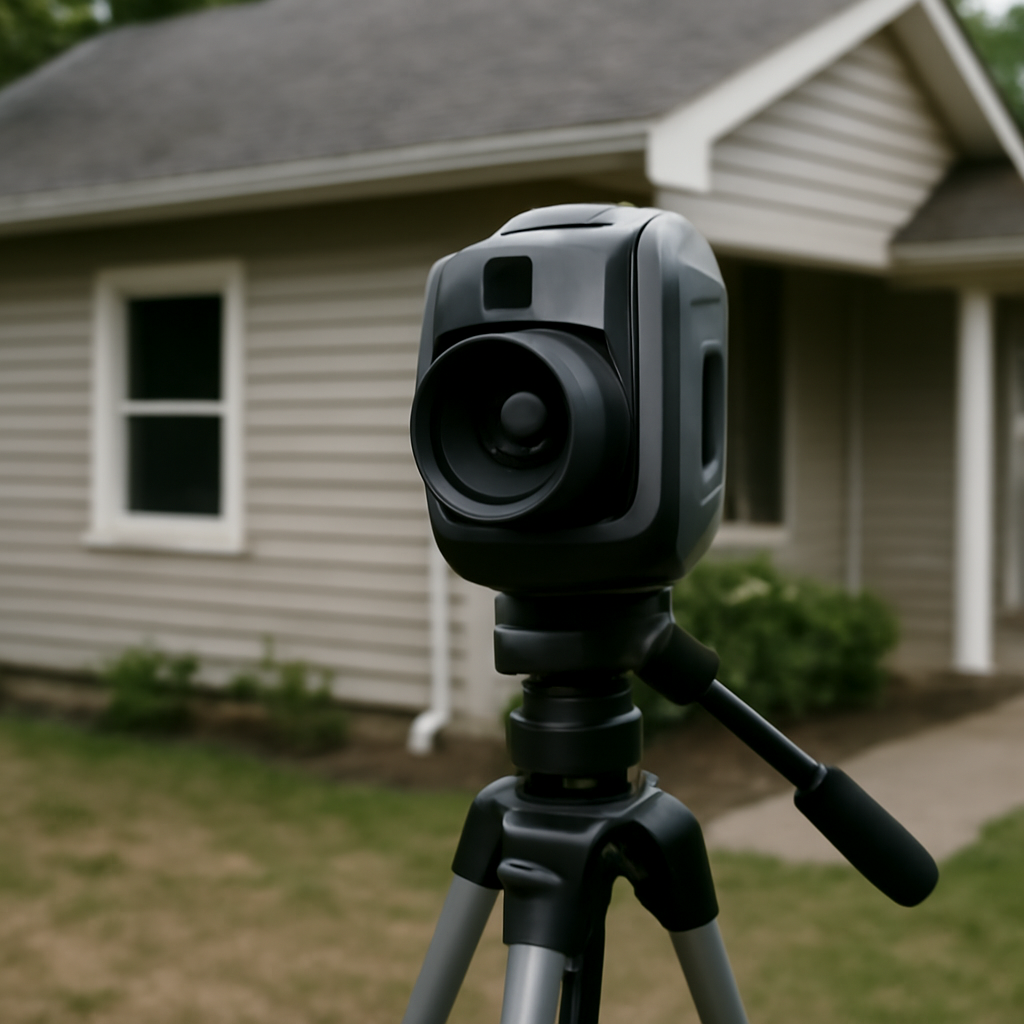
A FLIR marine thermal camera is built for one job above all others: helping a boat operator see heat signatures on dark water. These units mount to a vessel, scan the horizon for floating debris, navigation buoys, other boats, and a person in the water, and feed that picture to a chartplotter or dedicated display. They look superficially like the handheld thermal cameras a home inspector carries, but they are engineered for a very different environment. This guide explains what marine thermal cameras actually do, how they compare with the building-inspection cameras featured across our home inspection tools buyer’s guide, and which capabilities carry over between the two worlds.
What is a FLIR marine thermal camera and what does it do?
A marine thermal camera is a sealed, ruggedized infrared imager designed to be installed on a boat. Instead of measuring the precise surface temperature of a wall, it produces a real-time thermal video image so the helmsman can navigate after dark or in low visibility. The core sensor is the same family of technology found in other thermal cameras: an uncooled microbolometer that detects long-wave infrared radiation and translates temperature differences into a grayscale or false-color picture.
The marine context drives the design. Saltwater spray, constant vibration, pounding waves, and 360-degree exposure to weather mean these cameras are housed in corrosion-resistant enclosures rated for continuous outdoor marine use. Many models sit in a motorized pan-and-tilt gimbal so the operator can sweep the camera across the horizon from a joystick or touchscreen at the helm. Fixed-mount versions point straight ahead for a stable forward view. Both types prioritize a clear, smooth, long-range image over the close-up measurement accuracy that matters to a building inspector.
Night navigation and man-overboard: the two headline use cases
Marine thermal imaging earns its keep in two scenarios. The first is night and low-light navigation. Running lights and a spotlight only reach so far, and a spotlight can blind the operator’s night vision. A thermal camera sees the heat contrast between a cool ocean and warmer objects, revealing unlit boats, channel markers, floating logs, crab pots, and shorelines well before they appear to the naked eye.
The second is man-overboard (MOB) response. A human body is warmer than the surrounding water and stands out clearly on a thermal display, even when a head bobbing among waves is nearly invisible to a searchlight. In a recovery situation, that contrast can shorten the search dramatically. This is the single biggest reason recreational and commercial operators add thermal imaging, and it is a capability that has no direct equivalent in residential inspection work.
Detection range versus identification range
Marine camera specs usually quote a detection range and a recognition range. Detection means a warm object registers as a blob on the screen. Recognition or identification means the operator can tell what that blob is. Higher-resolution sensors and longer focal-length lenses push both numbers out, which is why offshore cruisers often choose models with narrower fields of view and larger detector arrays than a coastal day-boater would need.
How marine thermal cameras differ from building-inspection thermal cameras
The two tools share a sensor lineage but diverge sharply in purpose. Understanding the split helps homeowners and inspectors avoid buying the wrong instrument.
Purpose: imaging versus measurement
A building-inspection camera is a measurement instrument. Inspectors care about radiometric accuracy, the ability to assign a temperature value to every pixel, set emissivity, and document small temperature deltas that reveal a wet wall, a missing batt of insulation, or an overheating breaker. A marine camera is an imaging instrument. It cares about producing a clear, low-noise picture at distance and in motion. Many marine units are non-radiometric, meaning they cannot report a calibrated temperature at all.
Environment and form factor
Marine cameras are fixed installations exposed to salt, sun, and shock for years. Building cameras are handheld, carried room to room, and stored in a padded case. A marine gimbal draws boat power continuously; an inspection camera runs on a rechargeable battery for a few hours. The differences in sealing, mounting, and power are not cosmetic, they reflect entirely separate engineering priorities.
Field of view and focus
Marine optics favor a wide field of view for situational awareness or a narrow one for long-range spotting, and they focus at the horizon. Inspection optics focus from a few inches to across a room and trade range for the close-up detail an inspector needs against a ceiling or electrical panel.
What capabilities actually carry over between the two?
Despite the differences, several fundamentals transfer. The underlying microbolometer physics is identical: both cameras see emitted infrared, not reflected light, so both work in total darkness and both are fooled by shiny, low-emissivity surfaces such as polished metal or glass. Anyone who has learned to read a building camera’s image will recognize the same heat-contrast logic on a marine display.
Image interpretation skills carry over too. Reading a thermal palette, understanding that warmer reads brighter (or as a chosen color), and recognizing reflections rather than real heat sources all apply on the water. Our explainer on what thermal camera colors mean applies just as well to a chartplotter image as to an attic scan. The habit of distrusting reflective surfaces is universal.
What does not carry over is measurement. A marine camera will not give you a usable surface temperature for diagnosing a building defect, and a handheld inspection camera is not weatherproofed or stabilized for permanent boat mounting. The sensors are cousins; the jobs are not interchangeable.
Resolution, refresh rate, and other specs that matter on the water
Sensor resolution, expressed as detector pixels such as 320×240 or 640×480, drives how far away an object becomes recognizable. More pixels mean cleaner long-range images and a higher price. Refresh rate, measured in hertz, governs how smooth the video looks as the boat moves; a higher frame rate reduces motion blur and lag when scanning. Lens focal length sets the field of view and trades width for reach.
Stabilization is a marine-specific concern. A boat pitches and rolls constantly, so gimbal-mounted cameras with mechanical or electronic stabilization produce a far more usable picture than a fixed mount in rough water. Integration also matters: many marine cameras feed video over a network to multifunction displays so the thermal image appears beside the chart and radar, rather than on a separate screen.
Should a homeowner or inspector buy a marine camera?
For home and building work, the answer is almost always no. A marine thermal camera is optimized for distance imaging on water, lacks the radiometric measurement an inspector relies on, and is built to mount on a vessel rather than to be carried by hand. A homeowner researching thermal imaging for moisture, energy, or electrical issues is better served by a handheld inspection model. Resources like our overview of the FLIR Ex Series and the broader best thermal imaging cameras for home inspection point toward the right category of tool for buildings.
For boaters, a marine thermal camera can be a meaningful safety upgrade, particularly for night running and crew recovery. The choice there hinges on vessel size, how far offshore the boat travels, budget, and whether the camera needs to integrate with an existing navigation display. Buyers should match sensor resolution and lens to their real operating distances rather than overbuying on specifications they will never use close to shore.
Fixed-mount versus gimbal-mounted marine cameras
Marine thermal cameras come in two broad physical configurations, and the choice shapes both price and usefulness. A fixed-mount camera points in a single direction, almost always straight ahead, and produces a stable forward view. It is simpler, less expensive, and well suited to a boat that mainly needs forward situational awareness while running at night. The tradeoff is that the operator cannot redirect the camera to scan off to the side or behind the vessel.
A gimbal-mounted camera sits in a motorized pan-and-tilt housing that the operator controls from a joystick or touchscreen. This lets the helmsman sweep the horizon, lock onto a target, and follow a person in the water as the boat maneuvers. Gimbal units cost more and draw more power, but for search-and-recovery and for larger vessels operating offshore, the ability to aim the camera is a meaningful advantage. The decision between the two comes down to how the boat is used and the budget available.
Display integration
How the thermal image reaches the operator matters as much as the camera itself. Some marine cameras output to a dedicated monitor, while many network into a multifunction display so the thermal picture appears alongside the chart, radar, and sonar. Integrated display reduces clutter at the helm and lets the operator switch between views quickly. Buyers should confirm that a camera is compatible with their existing navigation electronics before purchasing, since a mismatch can mean adding a separate screen.
Limitations of marine thermal cameras
Thermal imaging is powerful but not magic, and understanding its limits prevents overconfidence on the water. A thermal camera shows heat contrast, so it struggles when an object is the same temperature as its surroundings. After a warm day, water and floating debris can reach similar temperatures, reducing contrast and making objects harder to spot. The camera also cannot see through fog as well as marketing sometimes implies; while it penetrates light haze and darkness far better than the naked eye, heavy fog and rain still degrade the image.
Reflective surfaces fool thermal cameras the same way they fool building-inspection units. Calm water can mirror the sky and warm objects, producing reflections that an inexperienced operator might misread as real targets. Glass and polished metal reflect rather than emit, so a boat’s own windows or fittings can appear deceptive. None of this makes the tool less valuable, but a marine thermal camera supplements radar, charts, and a proper lookout rather than replacing any of them. The prudent operator treats it as one layer of awareness among several.
Installation, maintenance, and longevity considerations
Marine cameras are typically mounted high and forward, on a hardtop, mast, or radar arch, to maximize sightlines and clear spray. Cabling runs to the helm and to the boat’s power and network systems, so installation usually involves a marine electronics technician rather than a DIY afternoon. Proper mounting height balances two needs: high enough for a clear horizon view, but not so high that vibration and flex degrade a gimbal’s stability. The technician also routes power and data cleanly to avoid corrosion-prone connections in a wet environment.
The enclosure must be kept clean; salt film on the lens or window degrades the image, and periodic rinsing extends the optic’s life. As with any thermal imager, the germanium or coated optical window is delicate and should never be wiped with abrasive cloths. A soft rinse with fresh water after saltwater exposure, followed by gentle drying, preserves the coating. Owners should also inspect the gimbal’s seals and movement periodically, since a stuck or leaking gimbal undermines the whole system.
Because these units run for years in a harsh environment, manufacturer warranty terms, firmware update support, and the availability of replacement gimbals or windows are worth checking before purchase. A camera that integrates cleanly with the boat’s existing brand of multifunction display will be simpler to service and update over its life. Firmware updates can improve image processing and stability over time, so a manufacturer that actively supports its products adds value well beyond the initial purchase. Factoring in this long-term support, rather than only the upfront price, leads to a better buying decision.
References
- InterNACHI Infrared Certified program overview — International Association of Certified Home Inspectors
- ASHI Standard of Practice and inspection scope — American Society of Home Inspectors
- Diagnostic building assessment and infrared use — U.S. Department of Energy
Thermal imaging cameras
Infrared cameras reveal hidden moisture, missing insulation, and air leaks. Phone-attachment models are the budget entry point; standalone units have higher resolution.
| Product | Why | Buy |
|---|---|---|
 FLIR ONE Pro (phone) FLIR ONE Pro (phone) | Plugs into iPhone/Android; inspector favorite. | Amazon — $329.00 |
 Topdon TC001 Topdon TC001 | High-res phone module at a low price. | Amazon — $199.99 |
 FLIR C5 Compact FLIR C5 Compact | Standalone pocket camera with Wi-Fi. | Amazon — $610.06 |