Black Mold Removal Services: What the “Black” Designation Means
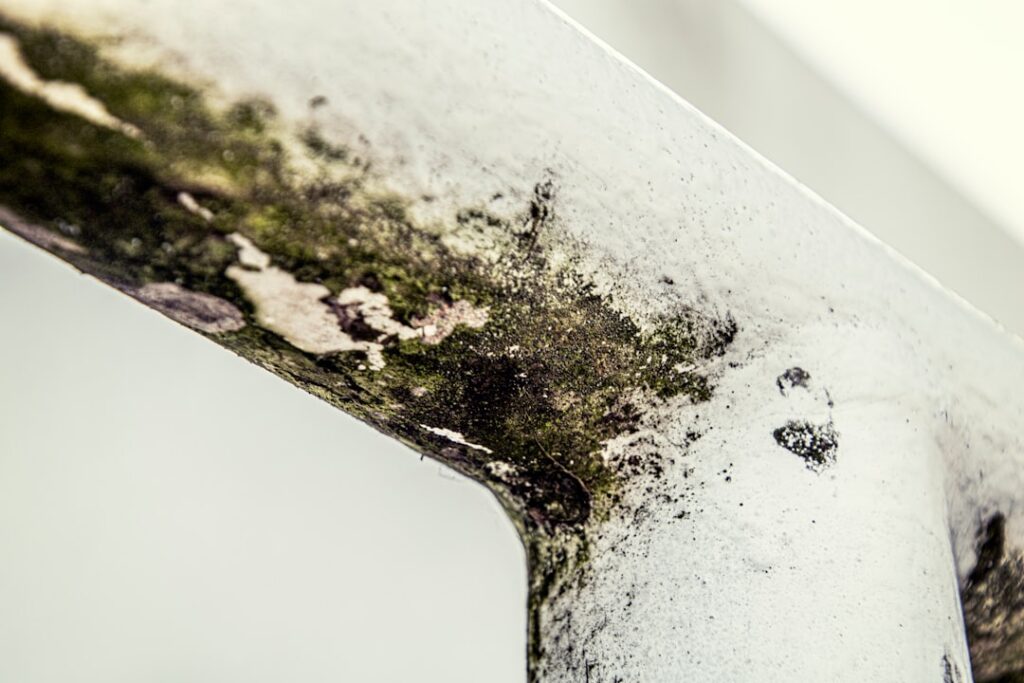
“Black mold removal services” is a marketing category as much as a technical one. The species commonly called “black mold” — Stachybotrys chartarum — is one of dozens of dark-pigmented species, and the removal protocol is no different than for any other Condition 3 active growth. What changes is the pricing, sometimes the urgency, and sometimes the level of unwarranted fear. This guide summarizes EPA and CDC guidance current as of 2026 and references IICRC consensus standards — consult your physician for any health symptoms and a certified professional for assessment decisions.
Is this mold, asbestos, or water damage? Get a free instant screen
Upload a clear photo of the suspect area. You'll get an instant AI screening opinion and what to do next. This is screening guidance, not a professional determination.
Screening guidance only. AI can be wrong. Confirm asbestos, mold type, or lead with lab testing or a licensed professional before acting.
What “black mold” actually means
The term usually refers to Stachybotrys chartarum, a greenish-black species that grows on cellulose-rich materials with sustained moisture. Dozens of other fungi appear dark — Cladosporium, Alternaria, Aspergillus niger — and visual identification alone cannot confirm species. Laboratory analysis is the only reliable identification method.
Why visual identification falls short
Multiple genera produce dark pigmentation, and many colonies appear black under indoor lighting regardless of actual color. A contractor offering “black mold removal” based on visual inspection alone is not making a species-specific claim. The removal protocol is the same regardless of species.
The removal protocol is species-independent
IICRC S520 specifies the same containment, removal, HEPA cleaning, and clearance process regardless of fungal species. There is no separate “black mold” protocol because the engineering controls protect against all airborne spores equally. Vendors marketing “specialized black mold services” are using species framing for pricing, not for technical differentiation.
What CDC says about Stachybotrys health effects
CDC guidance notes that while Stachybotrys can produce mycotoxins under specific conditions, the link to specific health outcomes in residential exposure is less direct than older media coverage suggested. Any visible mold larger than 10 square feet warrants professional removal regardless of species. Consult your physician for symptoms.
Pricing trends in “black mold” services
Some firms price black mold removal at a premium versus other species, leveraging consumer fear. The cost of the actual work is no different from any Condition 3 remediation following S520. If a vendor proposes a higher rate specifically because the mold “appears black,” ask for the IICRC S520-based justification.
Lab confirmation versus visual claims
If species identification matters for the project — typically for legal or insurance documentation — surface samples sent to an accredited mycology lab provide objective confirmation. Costs are typically $50 to $150 per sample, with results in 3 to 5 business days. Visual claims from a contractor without lab backing should not drive pricing decisions.
Why moisture source matters more than species
Mold grows where moisture sustains it, regardless of species. Fixing the moisture problem prevents recurrence; removing the mold without fixing the source guarantees return. The species identification is far less important than the moisture diagnosis. The black-mold service-tier explainer covers this distinction in more detail.
Containment requirements for any Condition 3 work
6-mil polyethylene sheeting, zippered entry, decontamination chamber, negative-air machine vented outdoors, and HEPA-rated air scrubber. These apply equally to “black mold” and any other Condition 3 active growth. Any quoted job involving visible mold without containment line items is non-compliant.
HEPA filtration specifications
True-HEPA captures 99.97 percent of airborne particles at 0.3 microns. Both air scrubber and technician vacuums should be HEPA-rated. Shop-Vacs without HEPA filtration aerosolize spores. Equipment specifications matter more than species identification for outcome quality.
PPE expectations during work
Technicians inside Condition 3 containment wear P100 respirators, full-face shields or goggles, nitrile gloves, and disposable Tyvek-style coveralls. OSHA guidance on mold worker protection applies regardless of species. Crews working in T-shirts and dust masks are operating outside both IICRC and OSHA frameworks.
Independent clearance applies regardless of species
Post-remediation verification by an independent third party uses air and surface sampling to confirm the affected area now reads similar to or better than outdoor baseline. Clearance criteria are not species-specific. The clearance assessor should not be the remediation contractor.
What homeowners should and shouldn’t worry about
Visible mold larger than 10 square feet warrants professional response regardless of color. Specific health symptoms warrant a physician consultation. Mycotoxin testing in residential environments is rarely necessary or diagnostic; CDC does not recommend it for routine cases. The mold inspection hub covers when each level of testing is appropriate.
Insurance claim implications
Some insurance policies include enhanced coverage for “toxic mold” categories, which may apply to Stachybotrys with lab confirmation. Most policies treat all mold contamination equivalently under the same sublimit. Verify your specific policy language with your broker before assuming species identification affects coverage.
Red flags when “black mold” is mentioned
Pressure to start work immediately because “black mold is dangerous,” premium pricing without scope justification, recommendation to skip lab confirmation while still pricing as Stachybotrys, and dramatic language about toxicity not supported by CDC guidance are all warning signs that fear is being used as a sales lever.
Vetting a black mold removal service
The same framework applies as for any remediation: IICRC firm certification, AMRT-certified supervising technicians, pollution liability insurance, written scope referencing S520, three scope-matched bids, and independent clearance. Don’t let “black mold” framing distract from the standard vetting process.
Pricing context
Residential remediation of dark-pigmented mold in 2026 typically runs $1,500 to $9,000 depending on contamination area and materials affected — the same range as any Condition 3 remediation. Premium pricing of $15,000+ for jobs in this range should trigger a second opinion.
When to call a professional
Visible mold larger than 10 square feet regardless of color, mold inside HVAC components, contamination from sewage backup or persistent water intrusion, and any mold in a property being prepared for sale warrant professional remediation. Smaller scopes can be DIY using EPA guidance and proper PPE.
Why mycotoxin claims warrant skepticism
Some firms market mycotoxin testing as part of “black mold” remediation. CDC and EPA do not recommend routine mycotoxin testing in residential environments because results rarely change the recommended remediation protocol. Sampling, lab analysis, and report generation add cost without changing what should be done. The exception is documented medical conditions where a physician specifically requests environmental data.
Cellulose-rich materials and where Stachybotrys grows
Stachybotrys chartarum preferentially colonizes cellulose-rich materials with sustained moisture above 90 percent relative humidity at the material surface. Common substrates include drywall paper facing, ceiling tile, jute carpet backing, and structural lumber under prolonged saturation. Identifying the wet substrate matters more than identifying the species; the substrate drives removal scope.
How temperature affects fungal growth speed
Most indoor fungi grow fastest between 20°C and 30°C (68 to 86°F). Front Range homes maintained in this range with persistent humidity above 60 percent allow growth across all common indoor species, including Stachybotrys. Lowering indoor humidity below 50 percent slows growth substantially; the moisture controls matter more than the temperature.
Health symptoms and physician consultation
CDC guidance notes that mold exposure can cause allergic reactions, asthma exacerbation, and irritation of eyes, skin, and respiratory tract. Mycotoxin-related health claims are more contested in the scientific literature. Anyone experiencing symptoms they believe are mold-related should consult their physician for clinical evaluation rather than relying on home test interpretation.
How to evaluate environmental testing claims
Air samples report spore counts and species mix; surface samples confirm material colonization. Neither correlates directly with health risk. The interpretation is comparative: is the affected area significantly different from the outdoor baseline? Spore-count numbers without comparison data and without an assessor’s interpretation are largely meaningless.
Why visible inspection drives more decisions than testing
Trained assessors use visible inspection, moisture readings, and history-of-water-events conversation to identify contamination. Sampling confirms or refines what visible inspection suggests. Scope-driving decisions emerge primarily from visible evidence and moisture diagnosis, not from species identification. Vendors who emphasize species testing as the primary driver are typically selling the testing.
How environmental media coverage shaped consumer perception
Late-1990s and early-2000s media coverage of “toxic black mold” amplified consumer fear beyond what the science supported. Litigation outcomes from that era contribute to ongoing premium pricing for black-mold cases. Understanding the historical context helps homeowners distinguish current evidence-based guidance from marketing leveraging older perceptions.
Why insurance language sometimes singles out black mold
Some homeowner policies include specific language about “toxic mold” with separate sublimits or exclusions. Insurance language is policy-specific and often reflects historical underwriting decisions rather than current scientific consensus. Read your specific policy carefully and verify coverage interpretations with your broker rather than the remediation contractor.
The role of pre-purchase mold investigation
When mold is identified during a pre-purchase home inspection, the appropriate response is an independent assessor’s evaluation followed by scope-matched remediation bids — same as any post-purchase situation. The transaction context doesn’t change the technical protocol. Buyers should resist contractor pressure to expedite work before closing.
How professional remediators describe their work
Reputable contractors describe contamination by IICRC Condition (1, 2, 3), affected square footage, materials involved, and proposed scope. Vendors who lead with species names, particularly “black mold,” before completing the technical assessment are often using species framing as a sales tool rather than as substantive scope description.
How to detect when fear is being used as a sales lever
Dramatic language about toxicity, urgency to start work immediately, refusal to support independent clearance, and premium pricing without scope justification are all warning signs. Reputable firms describe the work clearly, accommodate independent processes, and price based on documented scope rather than species framing.
How sealed-containment work prevents species-related concerns
Whether the mold is Stachybotrys or another species, sealed Condition 3 containment with proper HEPA filtration prevents spore spread during work regardless of toxicity profile. The engineering controls are species-agnostic by design — they capture all airborne fungal material above their filtration threshold. Premium “black mold” containment specifications don’t actually exist in the standards.
How visible appearance can mislead even experienced observers
Even experienced inspectors sometimes misidentify mold species from visual appearance alone. Lighting, surface texture, and material substrate all affect how a colony appears. Treating visual identification as the basis for “black mold” pricing reflects a misunderstanding of identification limits rather than a sound diagnostic process.
How to call a professional
Start with IICRC firm-locator directory filtered to your ZIP code, verify each candidate’s credentials directly with IICRC, request three scope-matched quotes against an independent assessor’s report, and compare line items rather than bottom-line totals. Award the contract to the firm whose documentation holds up regardless of how dramatically they describe the mold color.
References
- CDC about mold and health — Centers for Disease Control and Prevention
- EPA mold cleanup guidance — U.S. Environmental Protection Agency
- InterNACHI mold inspection standards — International Association of Certified Home Inspectors
- OSHA mold worker protection — Occupational Safety and Health Administration
- CDPHE mold and indoor air quality — Colorado Department of Public Health and Environment
Front Range homeowners hearing “black mold” pricing premiums can get in touch here for help getting a scope-matched second bid.
Mold removal & cleanup picks
For a small, contained patch (under ~10 sq ft) these EPA-friendly removers handle surface mold. Larger or recurring growth warrants a professional assessment first.
| Product | Why | Buy |
|---|---|---|
 RMR-86 Instant Mold Stain Remover RMR-86 Instant Mold Stain Remover | Fast-acting on stains; ventilate and wear PPE. | Amazon — $25.99 |
 Concrobium Mold Control Concrobium Mold Control | No-bleach formula that also helps prevent regrowth. | Amazon — $13.48 |
 Mold Armor Mold & Mildew Remover Mold Armor Mold & Mildew Remover | Widely stocked bathroom/surface remover. | Amazon — $22.98 |