What Does Peeling Lead Paint Look Like?
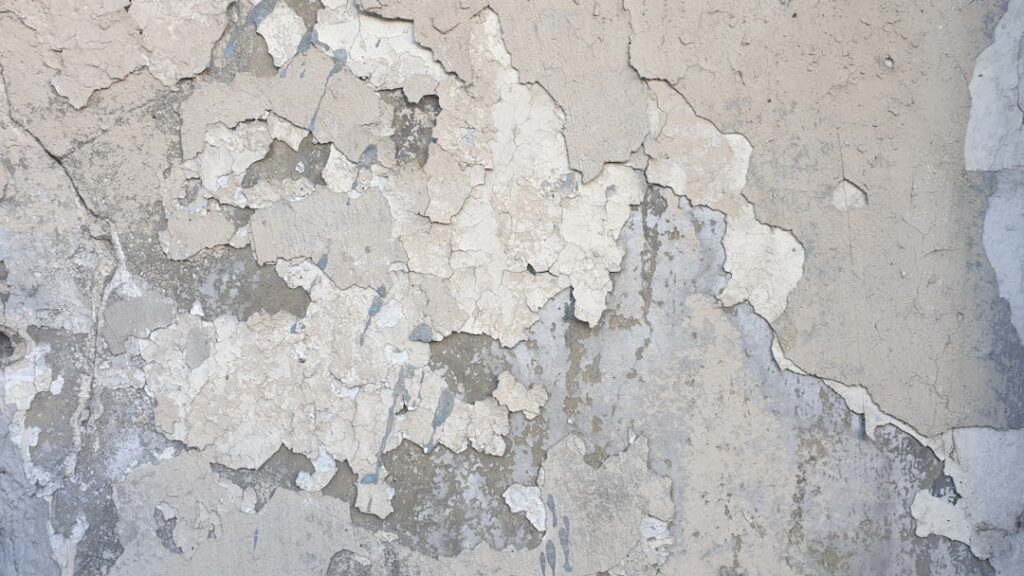
If you live in an older home and notice paint coming apart on a windowsill or door frame, you may wonder what does peeling lead paint look like and whether it poses a risk. Deteriorating lead paint has a few recognizable patterns: scaly alligatoring, scaling flakes, and a powdery chalk on the surface. Appearance never confirms lead by itself, but in a pre-1978 home these signs are a strong cue to be cautious and to test. Peeling paint matters because damaged paint is exactly when lead dust and chips are released. This guide summarizes EPA, CDC, and HUD guidance current as of 2026 for educational purposes only; consult your physician about exposure concerns and a certified lead professional for testing. The sections below describe each deterioration pattern, explain why damaged paint is the trigger for the hazard, and outline the safe response, so you can tell a cosmetic problem from one worth testing and addressing promptly.
Is this mold, asbestos, or water damage? Get a free instant screen
Upload a clear photo of the suspect area. You'll get an instant AI screening opinion and what to do next. This is screening guidance, not a professional determination.
Screening guidance only. AI can be wrong. Confirm asbestos, mold type, or lead with lab testing or a licensed professional before acting.
What Peeling Lead Paint Looks Like
Deteriorating lead paint typically shows one or more of three visual patterns. None is unique to lead, but together with a pre-1978 build date they justify treating the surface as suspect until tested.
Alligatoring
The most distinctive pattern is alligatoring, where the paint surface cracks into a network of interconnected segments that resemble reptile skin or dried mud. This develops as rigid older oil-based paint films age, harden, and lose the flexibility to move with the substrate. The cracks may be shallow or deep, and the segments can begin to curl at the edges before they detach. Alligatoring on exterior trim or interior woodwork in an older home is a classic candidate for testing.
Scaling and Flaking
As paint loses adhesion, it lifts away from the surface in flakes, chips, or sheets. Scaling describes thicker, plate-like pieces separating from the substrate, while flaking refers to smaller chips breaking off. You often see this around windows, where moisture and friction accelerate failure, and on exterior surfaces exposed to weather. The lifted edges and detaching pieces are the highest-risk form, because the chips themselves can contain lead and crumble into dust.
Chalking
Aging paint, particularly on exteriors, can break down into a fine powder on the surface. Run a hand or cloth across the area and chalky residue transfers off. Chalking is the paint binder degrading under sun and weather, and on a lead-painted surface that powder may carry lead particles. A chalking exterior near soil or a play area deserves attention because the dust can settle into the ground children touch.
Why Peeling Paint Is the Key Hazard
Intact, undisturbed lead paint sealed beneath sound coatings is generally a lower immediate risk than damaged paint. The hazard rises sharply when paint deteriorates. The EPA emphasizes that lead-based paint is most dangerous when it is peeling, chipping, chalking, or cracking, or when it is disturbed during renovation, because those conditions release lead into dust and chips that people can ingest or inhale.
Lead dust is the primary exposure pathway, and it is largely invisible. It settles on floors, windowsills, and soil, where young children pick it up on hands and toys and transfer it to their mouths. Children and pregnant women are the most vulnerable, and the CDC stresses that no safe blood-lead level in children has been identified. That is why peeling paint in a pre-1978 home is not just cosmetic; it is the trigger point for the hazard. Recognizing the appearance is the first step in telling whether you have lead paint and deciding to test.
Where Deterioration Shows Up First
Peeling tends to concentrate on surfaces that take friction, impact, or moisture. Window sashes and sills rub each time they open and weather heavily, so they fail early. Door frames and doors rub at the jamb. Stair treads, railings, and porch floors endure foot traffic. Exterior siding and trim face sun, rain, and freeze-thaw cycles. In Front Range climates, large daily temperature swings and intense high-altitude sun can accelerate exterior paint breakdown, making weathered trim a frequent first sign.
Moisture is the common accelerant. A leaking window, a roof drip, or rising damp behind siding lifts paint from underneath. Wherever you see peeling, look for the water source, because fixing the moisture problem is part of controlling the hazard.
What Peeling Lead Paint Is Not
Plenty of paint failure has nothing to do with lead. Modern latex paint applied over a poorly prepared surface can peel, newer homes built after 1978 are very unlikely to contain lead, and bubbling from a recent moisture event may involve only modern coatings. The visual patterns overlap, which is exactly why appearance cannot confirm lead. The reliable confirmation comes from a swab kit such as 3M LeadCheck for a quick screen, a paint-chip sample to an accredited lab, or X-ray fluorescence by a certified inspector for a definitive whole-home map. A negative swab is not a guarantee, since it reads only the surface layer.
What to Do When You See Peeling Paint
Treat peeling paint in a pre-1978 home as if it contains lead until testing says otherwise. Do not dry-scrape, sand, or power-wash it, because those actions aerosolize lead dust. Keep children away from the area and from any chips on the floor or ground. Clean using wet methods, wiping rather than sweeping, and dispose of debris carefully.
Address the moisture source so the paint stops failing. For confirmation and for any work that will disturb more than a tiny area, bring in a certified professional. The EPA’s Renovation, Repair and Painting Rule requires lead-safe practices for contractors working on pre-1978 housing, and abatement is licensed-pro work. A risk assessor can tell you whether interim repairs or fuller removal fit your situation, and the parent guide to lead and asbestos in older homes explains how to weigh those options.
How Lead Paint Layers Reveal Themselves
One reason peeling paint in an older home is worth a close look is what the layers can show. When paint chips break off or curl, they sometimes reveal a cross-section of every coat applied over the home’s life. A chip that shows many layers, with the oldest at the bottom, points to a long painting history that likely includes the lead-paint era. The deeper, older coats in a pre-1978 home are the ones most likely to contain lead, even when newer latex topcoats sit above them.
This layering also explains why a surface swab can mislead. A swab reads the outermost coat, so a home repainted with modern paint may swab negative at the surface while lead lurks underneath. When peeling exposes those buried layers, the lead can suddenly become accessible as dust and chips. That is why a chip showing multiple aged layers on a pre-1978 component is a strong cue to test properly, ideally with a paint-chip lab sample or XRF that reads through the full stack rather than relying on a surface check.
Indoor Versus Outdoor Peeling
Where the peeling occurs shapes both the risk and the response. Interior peeling, particularly on windowsills, door frames, and lower walls children can reach, creates dust inside the living space where people breathe and children play. Interior chips on floors are an immediate ingestion risk for crawling infants and toddlers. This is the higher-priority scenario because the exposure pathway is direct and constant.
Exterior peeling matters too, but the pathway differs. Flaking exterior paint sheds chips and dust into the soil around the foundation, where it can contaminate the ground children play in and track indoors on shoes. Sun, rain, and the freeze-thaw cycles common along the Front Range accelerate exterior breakdown, so weathered siding and trim often show deterioration first. Both indoor and outdoor peeling warrant attention, but indoor deterioration near where children spend time deserves the fastest response, while exterior peeling calls for controlling soil contamination and runoff alongside repair.
What Safe Cleanup Looks Like
When you find peeling paint you suspect contains lead, the goal of cleanup is to capture dust and chips without creating more. Use wet methods: dampen surfaces and wipe with disposable cloths rather than sweeping or dry-dusting, which sends particles into the air. Pick up visible chips carefully and seal them in a bag. Avoid ordinary household vacuums, which can blow fine lead dust back into the room through the exhaust; HEPA-filtered vacuums are the appropriate tool where vacuuming is needed.
Never dry-scrape, sand, or power-wash suspected lead paint, since each of those actions aerosolizes large amounts of lead dust. For anything beyond cleaning up a small area, bring in a certified professional who follows lead-safe practices under the EPA’s Renovation, Repair and Painting Rule. Address the underlying moisture problem, because paint that keeps peeling will keep generating hazard. Repairing and stabilizing intact areas, then repainting with a sound coating, is a common interim control that a certified risk assessor can guide. The aim is to stop the deterioration and contain what has already come loose.
When to Test and When to Act Fast
Test before any renovation that will disturb suspect paint, before buying an older home, and whenever paint is actively deteriorating. Act with more urgency when young children or a pregnant person live in the home, when chips are accessible on floors or soil, or when a child has shown an elevated blood-lead level. In those cases, isolate the area and arrange professional evaluation promptly rather than waiting. Peeling paint is the visible warning that the hazard is no longer dormant, and responding early keeps a manageable problem from becoming an exposure event.
Bubbling, Blistering, and Other Patterns
Beyond alligatoring, scaling, and chalking, deteriorating paint shows a few additional patterns worth recognizing. Bubbling or blistering appears as raised pockets where paint lifts away from the surface, usually driven by moisture or heat behind the film. On an older home, blistering can expose underlying lead layers as the bubbles break. Crazing produces a network of fine surface cracks shallower than full alligatoring, an early stage of the same aging process.
Crumbling or powdering at corners and edges, where paint takes the most stress, often precedes larger failures. None of these patterns confirms lead on their own, since modern coatings can bubble or craze too, but on a pre-1978 component each is a reason to be cautious and to test. The common thread is that the paint film is losing integrity, and a failing film in an older home is exactly when lead can become accessible. Treating any of these deterioration patterns as a prompt to investigate, rather than to scrape and repaint over, is the safe response.
References
- EPA on lead hazards from deteriorating paint — EPA
- CDC on preventing childhood lead exposure — CDC
- HUD lead hazard control resources — HUD
Front Range homeowners seeing peeling paint in a pre-1978 property can reach a certified inspector through our contact page to arrange testing before the problem spreads.
Lead paint test kits
Instant swab kits flag lead on painted surfaces in minutes — useful before a renovation in any pre-1978 home.
| Product | Why | Buy |
|---|---|---|
 3M LeadCheck Swabs 3M LeadCheck Swabs | EPA-recognized instant swabs. | Amazon — $208.00 |
 Lead Test Kit (lab-based) Lead Test Kit (lab-based) | Mail-in for a documented result. | Amazon — $35.00 |