SPI Borescopes: A Specs and Buyer’s Guide for Inspection
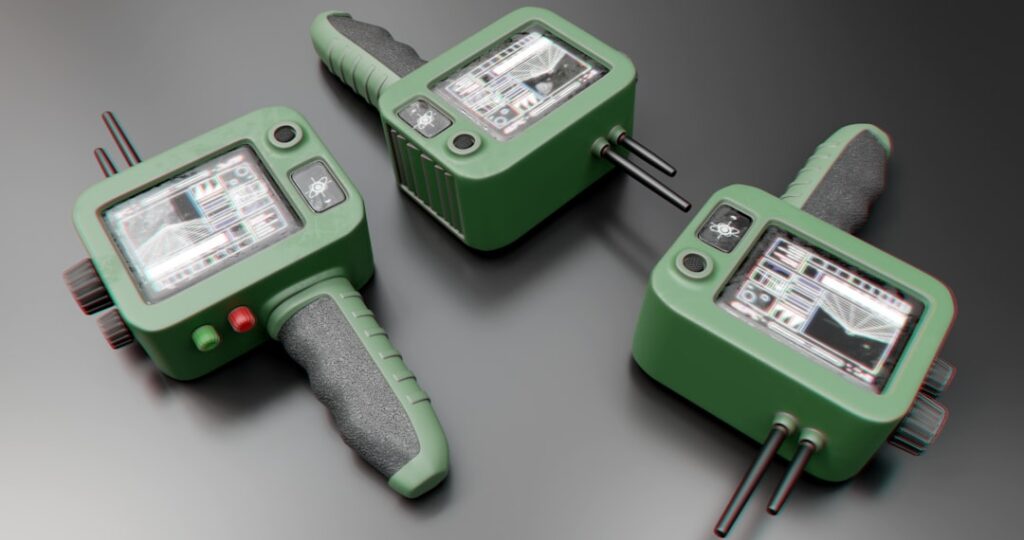
SPI borescopes are part of the industrial and professional inspection camera market, where the priority is durable probes, fine optical resolution, and the reach to see inside places a human eye never could. Borescopes built for industrial work tend to differ from the consumer cameras sold at hardware stores in three measurable ways: probe construction, articulation control, and image clarity. This guide breaks down the specifications that matter, how SPI-type borescopes are used in home and industrial inspection, and how to read a spec sheet before spending money on a tool that may cost several hundred to several thousand dollars.
What SPI Borescopes Are and What They Do
A borescope is an optical instrument with a camera or lens at the tip of a long, slender probe, connected back to a display or eyepiece. SPI-branded borescopes sit in the professional-to-industrial segment, meaning they are engineered for repeated field use, harsh environments, and tasks where a low-cost camera would fail. The core job is the same across the category: deliver a clear image from inside a duct, engine cylinder, wall cavity, pipe, turbine, or weld joint without disassembly.
The practical value comes from reach and clarity. A technician inspecting a heat exchanger, an HVAC plenum, or a sewer lateral needs a probe that bends around corners and a sensor that resolves cracks, corrosion, debris, or foreign objects. Industrial-grade units add features rarely found on consumer models: measurement overlays, dual-camera tips that look forward and sideways, and probe sheathing rated for oil, fuel, and elevated temperatures. The broader home inspection tools buyer’s guide covers where instruments like these fit into a workflow alongside moisture meters and thermal cameras.
Key Specifications: Probe Diameter, Length, Articulation, and Resolution
Four numbers define what a borescope can actually do. Reading them correctly separates a tool that fits the job from one that sits unused in a case.
Probe Diameter
Probe diameter determines what openings the camera can enter. Industrial borescopes commonly range from roughly 2 mm to 8 mm or more. A 5.5 mm to 6 mm probe is a versatile middle ground that fits spark-plug holes, drain access points, and most wall-cavity drill holes. Sub-4 mm probes reach into fuel injectors, small bearings, and tight machined passages but generally carry smaller sensors and dimmer images. Larger probes house bigger sensors and brighter LEDs but cannot enter narrow ports. A small-diameter borescope is the right call when access, not image size, is the limiting factor.
Probe Length
Length sets how far the camera reaches. Common working lengths run from 1 meter to 5 meters, with specialized industrial units extending to 10 meters or longer. Longer flexible probes are harder to push and steer; the cable tends to coil and resist insertion past several bends. For most residential and light-commercial tasks, 1 to 3 meters covers ductwork, plumbing runs, and structural cavities. Pipeline and turbine work is where the long probes earn their cost.
Articulation
Articulation is the ability to steer the tip. Entry models are non-articulating: the camera points wherever the probe is aimed. Mid-tier units offer two-way articulation (up and down), and premium industrial scopes provide four-way (360-degree) articulation with joystick control, often holding a set angle so the operator can examine a feature hands-free. Articulation is the single feature that most separates professional inspection from blind probing, because it lets the operator inspect the far wall of a cavity or the back of a turbine blade rather than only what lies straight ahead.
Resolution
Resolution is reported as sensor megapixels and as display resolution, and the two are not the same. A 1080p (1920 x 1080) capable sensor resolves fine cracks and surface texture far better than a 640 x 480 unit. Lighting matters as much as pixel count: adjustable LED intensity at the tip prevents washout in reflective metal interiors and brings out detail in dark cavities. For weld inspection, corrosion mapping, or finding hairline fractures, higher resolution paired with controllable lighting is worth paying for. For confirming whether a drain is clogged, a modest sensor is adequate.
Home and Industrial Inspection Uses
In residential inspection, a borescope extends what an inspector can see without cutting drywall or pulling fixtures. Typical uses include checking inside wall cavities for moisture damage or pest activity, viewing the interior of HVAC ducts and plenums, inspecting the inside of chimney flues, looking behind cabinetry at suspected leaks, and examining sewer and drain lines through a cleanout. An articulating inspection camera makes these tasks faster because the operator can angle the tip toward a suspected defect instead of withdrawing and reinserting the probe repeatedly.
Industrial applications push the tool harder. Aviation and automotive technicians use borescopes for cylinder-wall and turbine-blade inspection mandated by maintenance schedules. Manufacturing quality control relies on them for verifying internal machining, casting voids, and weld integrity. Facilities and process plants inspect boilers, pressure vessels, and heat exchangers. These settings demand the heat-resistant sheathing, measurement capability, and image documentation that industrial-grade SPI-class scopes provide and that consumer cameras do not.
The crossover between the two worlds is real. A home inspector who works larger or older properties, or who adds energy-audit and commercial work, often finds that an industrial-grade probe pays for itself in reliability and image quality. The forward-and-side viewing tips, brighter adjustable lighting, and recordable output that justify the cost in an industrial plant also make residential cavity and duct inspection faster and the resulting report more credible. The tool category, in other words, is less a line between home and industrial use than a spectrum, with diameter, articulation, and resolution chosen to fit where on that spectrum a given job sits.
Display, Documentation, and Connectivity
Beyond the probe and sensor, how a borescope shows and stores its image shapes how useful it is in the field. Standalone units pair the probe with an integrated handheld display, which works in any environment without a phone or computer and resists drops better than a consumer phone screen. Wi-Fi and USB models stream to a phone, tablet, or laptop, trading ruggedness for a larger viewing screen and easier sharing.
Documentation capability separates inspection-grade tools from casual cameras. Professional borescopes record still images and video to internal memory or a removable card, time-stamp captures, and sometimes overlay measurement data directly on the frame. For an inspector preparing a report, the ability to capture a clear, dated image of a defect inside a wall cavity or duct is as important as seeing it live, because the photo becomes evidence in the written record. Units that export clean files in standard formats integrate cleanly into report-writing software, which matters more for working inspectors than for one-off homeowner use.
Battery life and operating temperature also belong on the checklist. A field tool that dies after twenty minutes or fogs its optics in a cold crawlspace frustrates the work. Industrial units publish runtime and temperature ratings, and the better ones use replaceable or fast-charging batteries so a long day of inspections does not stall on a dead pack.
Measurement, Lighting, and Tip Optics
High-end industrial borescopes add capabilities that change what the operator can conclude from an image. Measurement systems, using stereo optics or laser-based reference points, let a technician estimate the size of a crack, the depth of pitting, or the gap in a weld without removing the part. This matters in regulated maintenance, where a defect must be measured against a tolerance, not merely spotted.
Lighting is more decisive than many buyers expect. The LEDs at or near the tip are the only illumination inside a dark cavity, and reflective metal interiors can wash out a fixed-brightness light. Adjustable LED intensity lets the operator dial in enough light to reveal texture without glare. Some probes offer interchangeable tip adapters, including side-view mirrors that turn a forward-looking camera into one that examines the cavity wall beside the probe.
Tip optics also define focus range and field of view. A wide field of view shows more of the cavity at once but less detail; a narrower field magnifies a small feature. Fixed-focus tips keep things simple, while units with adjustable or extended depth of field hold both near and far features sharp. Matching these optical choices to the task is part of why professional borescopes carry higher prices than the single-lens consumer cameras sold for quick drain checks.
How SPI Borescopes Compare to Consumer Cameras
The gap between an industrial borescope and a hardware-store inspection camera shows up after the tool has been used a few dozen times. Consumer units often use fixed-focus sensors, single-direction tips, and thin probe cables that kink or fail at the strain-relief point. Industrial units invest in tungsten-braided or armored probes, sealed connectors rated to an IP67 or higher ingress standard, and replaceable tip optics. The price difference reflects build quality and serviceability more than raw image specs.
That said, not every job needs an industrial scope. A homeowner checking a single clogged drain rarely benefits from four-way articulation or a 6-meter probe. Buyers should match the tool to the task: probe diameter to the smallest opening, length to the deepest reach, articulation to whether steering is required, and resolution to how small the defect being hunted is. Renting can make sense for one-off tasks, and the case for renting versus buying a borescope often comes down to how many times the tool will see use in a year.
How to Choose and Care for a Borescope
Start with the access point. Measure the smallest opening the probe must enter and choose a diameter at least a millimeter under it. Then size the length to the deepest run, adding margin for bends. Decide whether articulation is genuinely needed; it adds cost and complexity but transforms inspection quality in cavities and around corners. Finally, weigh resolution against lighting control, since a bright, adjustable LED on a modest sensor often beats a high-megapixel sensor with weak illumination.
Care extends a probe’s life. Avoid forcing the cable past sharp bends, keep the tip optics clean with a soft cloth and lens-safe solution, and never exceed the rated temperature or chemical resistance. Store the probe coiled at a wide radius rather than tightly wound. Following manufacturer-stated specifications and trade guidance, such as the equipment standards referenced by inspection associations, keeps the instrument accurate and within its design limits.
A few practical habits prevent the most common failures. Inspect the tip optics before each use, since a smudged lens looks identical to a clean one until the image comes back blurry. Withdraw the probe slowly and without yanking when it snags, because the strain-relief joint where the cable meets the handle is the part most likely to fail under sudden force. Wipe the probe down after exposure to oil, soot, or moisture rather than coiling it dirty. These are small disciplines, but they are the difference between a probe that lasts years and one that fails mid-inspection.
Reading a Spec Sheet Before You Buy
Manufacturer spec sheets use consistent terms once the buyer knows what to look for. Probe diameter and length appear first and define physical access and reach. Articulation is listed as none, two-way, or four-way, sometimes with a stated bend angle. Resolution is given as sensor and display figures, and a buyer should read both rather than assuming one matches the other.
Less obvious fields matter just as much. Ingress protection ratings such as IP67 indicate how well the probe resists dust and water, which determines whether it survives a wet crawlspace or a fuel-soaked engine. Operating temperature range tells whether the unit works in a Colorado attic in summer or a cold basement in winter. Cable construction, listed as tungsten-braided, armored, or standard, predicts durability. Reading the full sheet, rather than the headline resolution number, prevents buying a tool that looks capable on paper but fails on the access point or environment the job actually demands. Pairing the spec sheet against the specific inspection task is the single most reliable way to avoid an expensive mismatch.
References
- Standards of Practice for Home Inspectors — InterNACHI
- ASHI Standard of Practice — American Society of Home Inspectors
- International Codes and Building Standards — International Code Council