Old Lead Paint: When It’s a Hazard and When It Isn’t
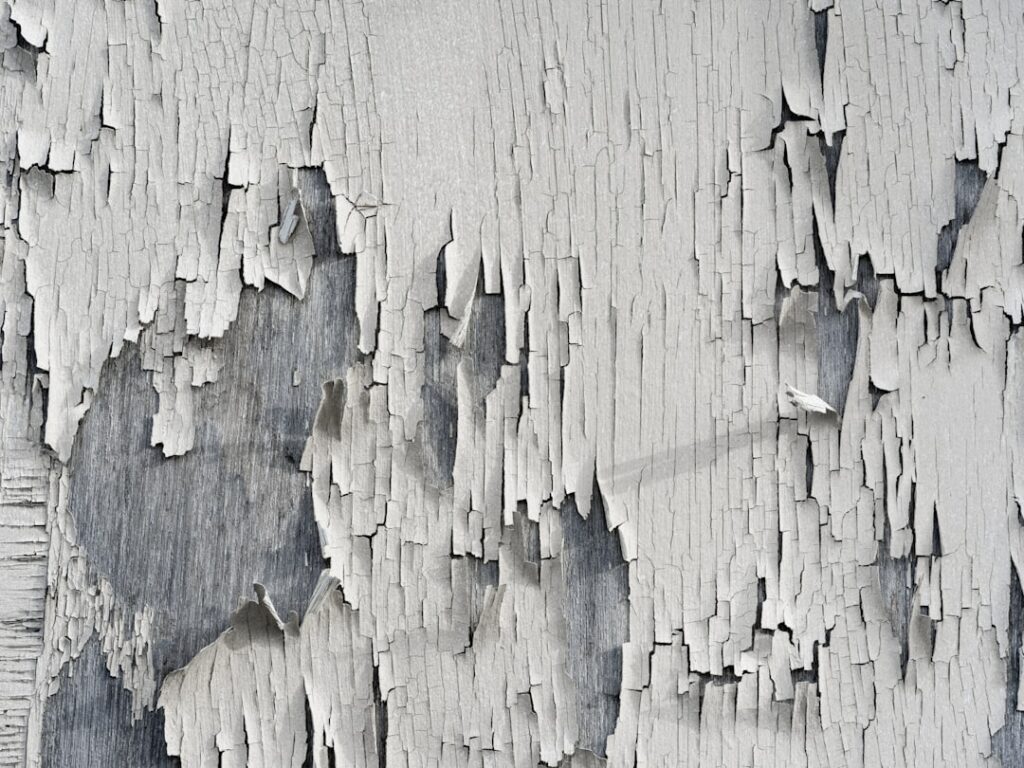
If your home was built before 1978, it almost certainly has lead paint somewhere on it. That fact alone is not an emergency. Lead paint that is intact and buried under later coats behaves very differently from lead paint that is peeling off a windowsill a toddler chews on. The question that actually matters is not do I have lead paint but is any of it deteriorating or getting disturbed. This page walks through how to tell the difference, what the numbers mean, and what to do at each condition level.
Is this mold, asbestos, or water damage? Get a free instant screen
Upload a clear photo of the suspect area. You'll get an instant AI screening opinion and what to do next. This is screening guidance, not a professional determination.
Screening guidance only. AI can be wrong. Confirm asbestos, mold type, or lead with lab testing or a licensed professional before acting.
Why 1978 is the dividing line
The U.S. Consumer Product Safety Commission banned lead in residential paint effective in 1978. Anything painted before then may contain it; anything after should not. The EPA estimates roughly 38 million U.S. homes still hold lead-based paint, and HUD’s American Healthy Homes Survey found it in about a quarter of all housing units — but 87 percent of homes built before 1940. On the Front Range that puts the risk squarely on Denver’s older streetcar neighborhoods, central Boulder, and the pre-war districts of Colorado Springs, where a lot of the housing stock predates the ban.
The paint is rarely staring at you. Most of it sits under decades of newer, lead-free repaints. That is exactly why condition matters more than presence: encapsulated lead that stays put is not the exposure route. Dust and chips are. For the history of when and why it was used, see when lead-based paint was outlawed.
Is intact lead paint actually dangerous?
Under normal living conditions, lead paint that is smooth, well-bonded, and covered by newer coats poses low exposure risk. Nothing is shedding into the air or onto the floor. Children in these homes are generally fine as long as two things stay true: nobody sands, scrapes, or renovates the painted surfaces, and no friction surface is grinding the paint away on its own.
That second point trips people up. A painted window sash rubbing against its jamb every time it opens, or a door edge dragging against its frame, quietly produces fine lead dust even when the paint looks fine. Friction and impact points — windows, doors, stair edges, drawer runners — are the surfaces to watch first.
When old lead paint crosses into hazard territory
Three situations turn a dormant condition into an active one:
- Deterioration. Chipping, peeling, cracking (an “alligatoring” pattern), or chalking paint sheds lead into household dust and onto surfaces a child touches. Paint chips themselves are sweet-tasting and get eaten by young children.
- Friction and impact. Window and door movement generates dust at the wear points continuously, no renovation required.
- Disturbance. Sanding, scraping, cutting, or demolition on pre-1978 surfaces throws off large amounts of lead dust in minutes — even from paint that looked stable that morning.
The disturbance risk is why the EPA’s Renovation, Repair and Painting (RRP) Rule requires firms working on pre-1978 housing to be EPA-certified and to use lead-safe work practices — plastic containment, wet methods, HEPA cleanup. A weekend of unprotected DIY sanding can contaminate a room’s dust for months.
How lead exposure is actually measured
Two sets of numbers get confused constantly. One measures the paint; the other measures the child.
On surfaces, the federal threshold for lead-based paint is 1.0 mg/cm² (or 0.5 percent by weight). A certified inspector’s XRF analyzer reads lead concentration through the topcoats against that number in seconds. Separately, the EPA’s 2024 update lowered the dust-lead clearance levels used after abatement to 5 µg/ft² on floors and 40 µg/ft² on windowsills, and set the dust-lead hazard standard to any reportable amount above zero — meaning there is no longer a “safe” measurable level of settled lead dust.
In blood, the CDC’s current blood-lead reference value is 3.5 µg/dL. That is not a “safe” line — CDC is explicit that no blood-lead level is safe — it is the cutoff (top 2.5 percent of tested young children) that flags a child for follow-up. A one-time finger-stick or venous test at the 12- and 24-month well-child visits is the standard screen for kids in older housing; see lead poisoning screening for how that works.
How to find out what you actually have
There are three testing routes, and they answer different questions:
| Method | Typical cost | Best for |
|---|---|---|
| XRF analyzer (certified inspector) | $300–$600 whole home | Reading many surfaces fast, through topcoats, non-destructively |
| Paint-chip lab sample (NLLAP lab) | $30–$100 per sample | Confirming ambiguous XRF results; thick or unusual layers |
| EPA-recognized swab kit (DIY) | $10–$30 per kit | Quick presumptive screen before a small project |
The EPA recognizes two consumer swab kits — the 3M LeadCheck Swab and the D-Lead Paint Test Kit — as accurate enough for presumptive screening. They give false positives and false negatives against XRF, so a positive result should be confirmed before you spend money on remediation. For the step-by-step, see how to test for lead paint. If children under six live in or regularly visit the home, skip straight to a certified inspector rather than relying on swabs.
Encapsulation versus abatement
Once lead is confirmed, most homeowners choose between two paths, and condition dictates which one fits.
Encapsulation means coating the surface with a certified encapsulant — not ordinary paint — that bonds to the existing film and locks in dust and chips. It runs roughly $0.50–$2.00 per square foot and works well on intact surfaces that are not subject to friction or moisture. It is a management tool, not a cure: the lead stays in place under the coating.
Abatement permanently removes the paint or the substrate carrying it, typically $8–$15 per square foot, and generates waste handled as hazardous material. It is the right call for badly deteriorated paint, for friction surfaces that will not hold an encapsulant (window sashes especially), or when you want the lead gone for good. Federal rules bar DIY abatement in housing where children under six live and in child-occupied facilities — this is certified-contractor work. A fuller decision guide lives in what to do if you have lead paint.
Where to look first in a pre-1978 home
Lead pigment was used most heavily where durability mattered, so testing and inspection should start on trim and exterior coatings rather than wall fields:
- Window sashes, sills, and frames (top priority — friction plus child reach)
- Doors, door frames, and jambs
- Exterior trim, siding, porches, and railings
- Baseboards, crown molding, and stair treads
- Built-in cabinets and original woodwork
- Painted radiators and heating surfaces
What sellers and landlords must disclose
The federal disclosure rule under Title X does not require you to test — but it does require honesty. Sellers and landlords of pre-1978 housing must disclose any known lead hazards, hand over the EPA’s “Protect Your Family From Lead in Your Home” pamphlet, attach a lead warning to the contract or lease, and — for sales — give buyers a 10-day window to test. An owner who has never tested may say so on the form. HUD and EPA jointly enforce the rule, with civil penalties per violation; the current forms and requirements are published by HUD’s Office of Lead Hazard Control.
A realistic action plan
- Confirm the build year from county assessor records.
- Walk the high-probability surfaces and note any chipping, peeling, chalking, or worn friction points.
- If children under six are present, get a certified XRF assessment rather than relying on swabs.
- Encapsulate intact, low-friction surfaces; abate deteriorated or friction-prone ones through a certified contractor.
- Use only RRP-certified firms for any renovation that disturbs paint.
- Get blood-lead screening for young children at the 12- and 24-month visits — most Medicaid and many private plans cover it.
Insurance is worth a word: standard homeowner’s policies treat lead paint as a maintenance condition, not a covered peril, so budget remediation the way you would a roof reserve rather than expecting a claim to cover it. Colorado households should also check CDPHE and county public-health programs, which sometimes offer grants or low-interest loans that never surface at the federal level.
Old lead paint fits inside the wider picture of hazardous materials in older housing — the asbestos and lead guide covers both, since pre-1978 homes frequently carry both risks in the same rooms.
Frequently asked questions
This guide summarizes current EPA, CDC, and HUD guidance and does not replace an evaluation by a certified lead-risk assessor. Front Range homeowners can reach us through our contact page for a referral.
Lead paint test kits
Instant swab kits flag lead on painted surfaces in minutes — useful before a renovation in any pre-1978 home.
| Product | Why | Buy |
|---|---|---|
 3M LeadCheck Swabs 3M LeadCheck Swabs | EPA-recognized instant swabs. | Amazon — $208.00 |
 Lead Test Kit (lab-based) Lead Test Kit (lab-based) | Mail-in for a documented result. | Amazon — $35.00 |